Articles by Muhammad Tuhin
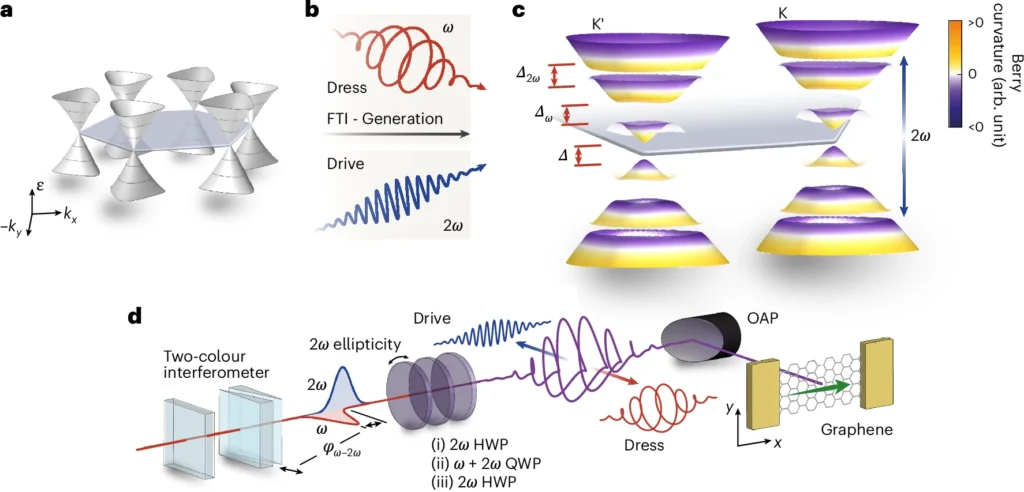
Graphene’s light-dressed electrons develop Berry curvature that lets an all-optical Hall current reverse direction, while changing the probe polarization suppresses the response by nearly two orders of magnitude
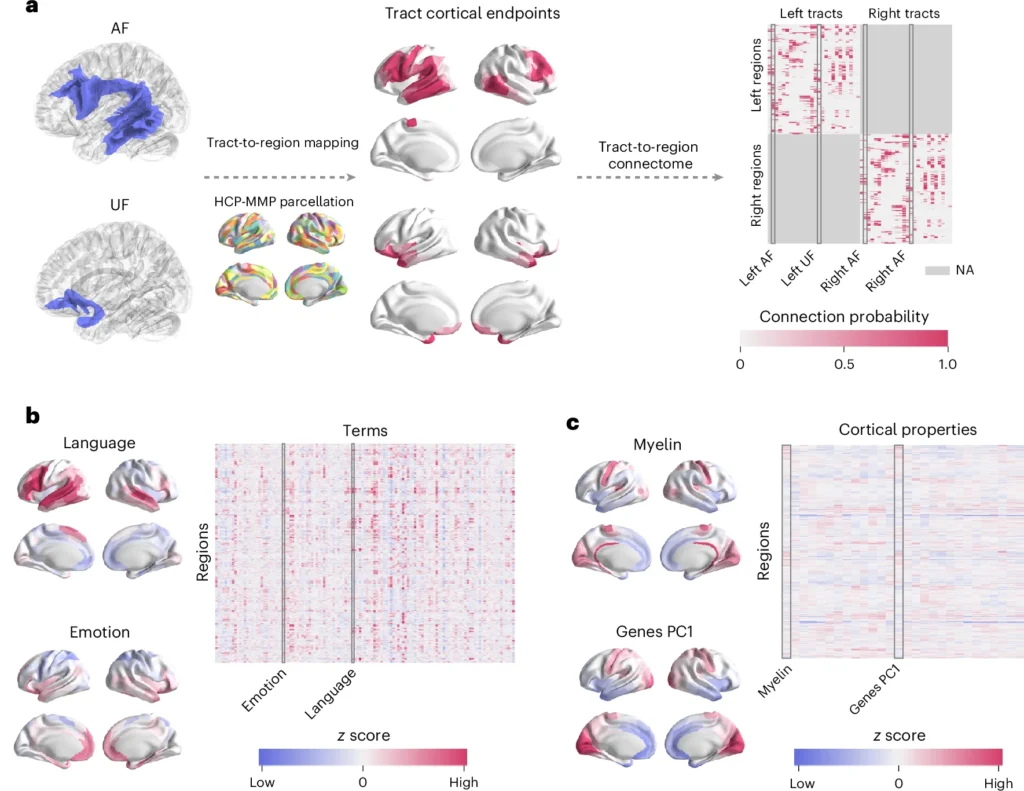
White matter tracts that span more of the brain’s hierarchy connect more biologically different regions and support a wider range of cognitive functions
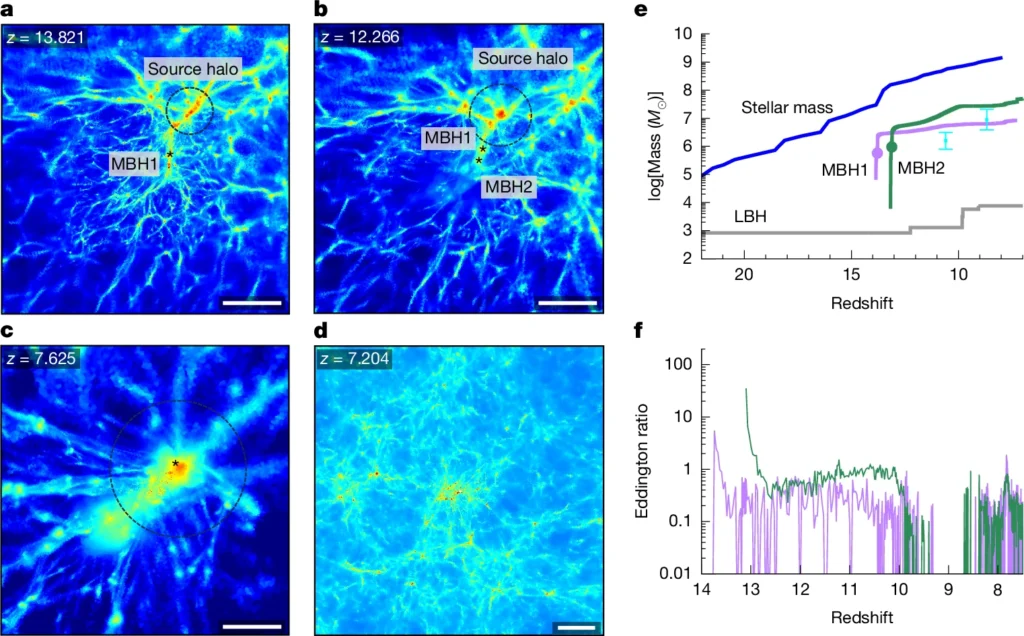
Supermassive stars weighing up to 900,000 Suns collapse into heavy black-hole seeds that rapidly grow to 30 million solar masses in the early universe
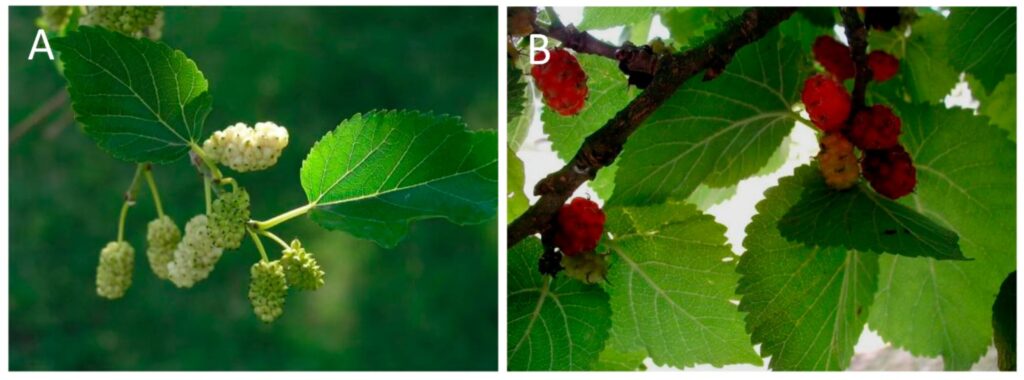
Mulberry’s effects on the gut can change dramatically with the species, plant part and processing method, from different microbes and short-chain fatty acids to altered intestinal barrier function
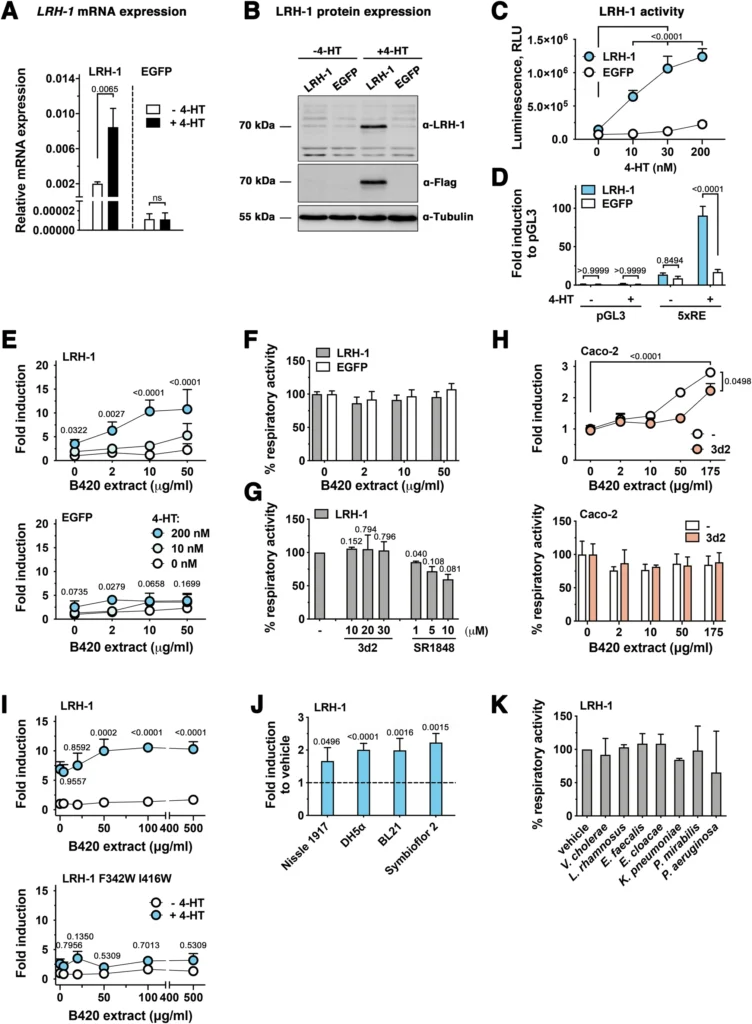
Vaccenic acid from bacterial lipids binds LRH-1 directly, lowering blood glucose and improving fatty liver measures in obese mice
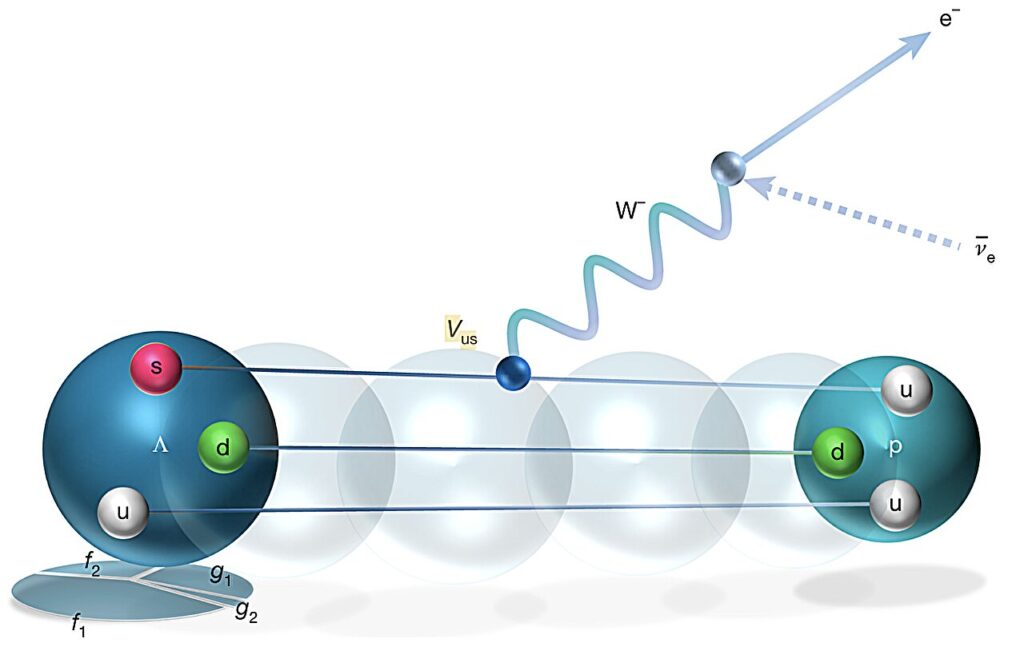
Two entangled Lambda baryons turned a difficult weak decay into a multidimensional probe of quark mixing, yielding a new |Vᵤₛ| measurement and the first weak-electricity result for the decay
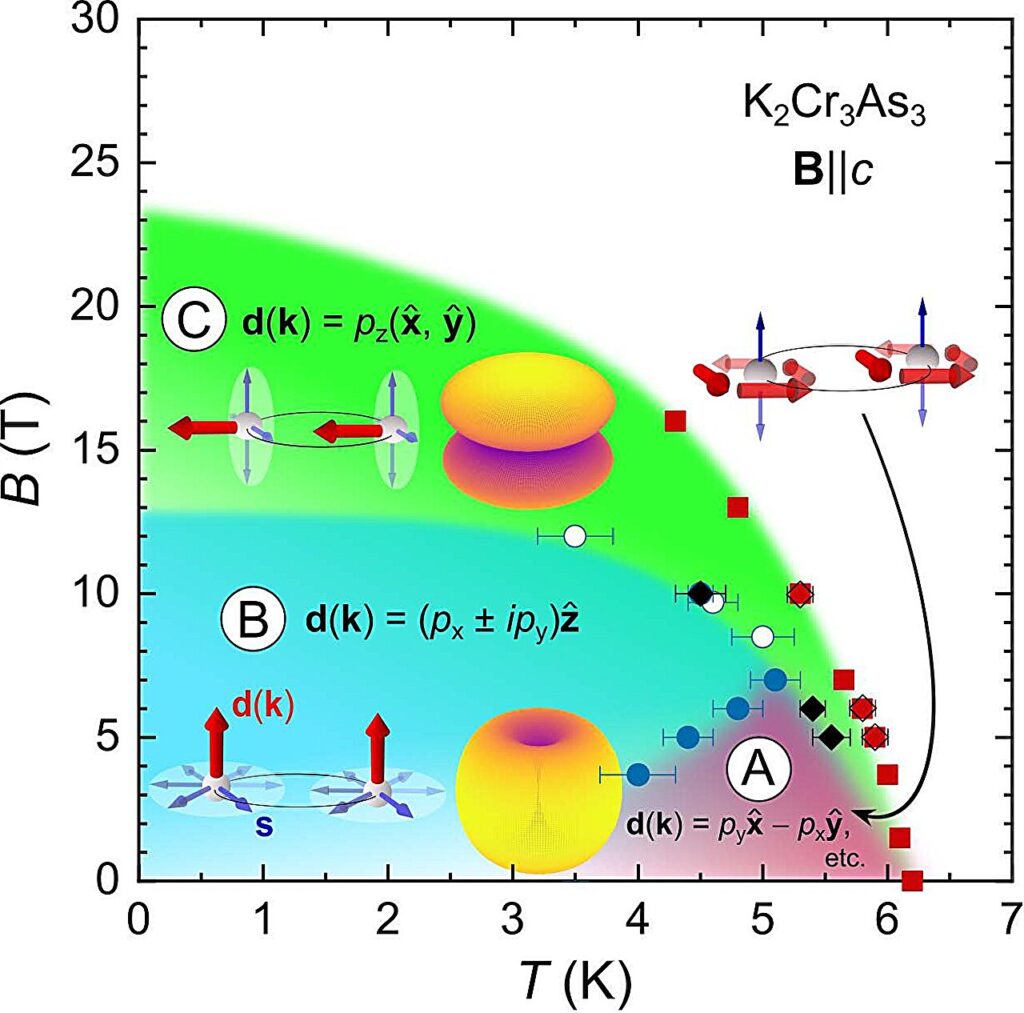
Cooling and increasing the magnetic field send K2Cr3As3 through three superconducting states, from a helical point-node phase to a chiral point-node phase and finally a line-node phase
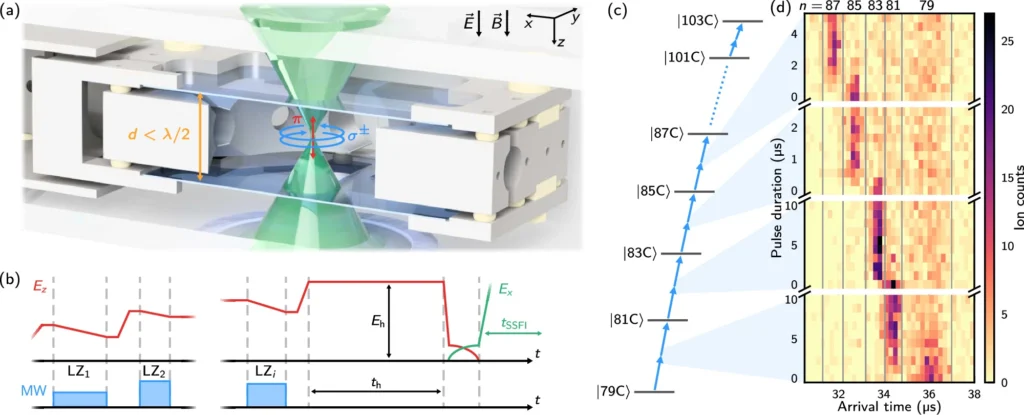
Single strontium atoms survived 11.5 milliseconds in room-temperature circular Rydberg states—21 times longer than in free space
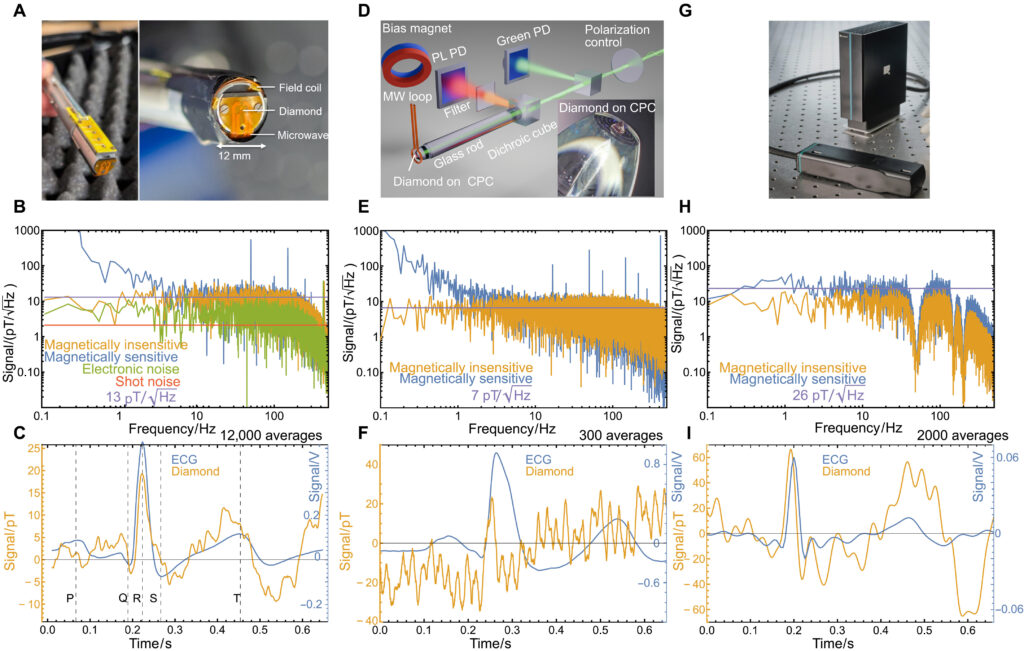
Tiny diamond sensors detected the heart’s faint magnetic field from about a centimeter away, but only after thousands of heartbeats were averaged to separate the signal from noise

Current quantum processors can run circuits rated at hundreds to about 1,500 QUOPS, but proposed RSA-2048 factoring and FeMoco simulations require roughly 250 million to 340 million—leaving a gap of about five orders of magnitude
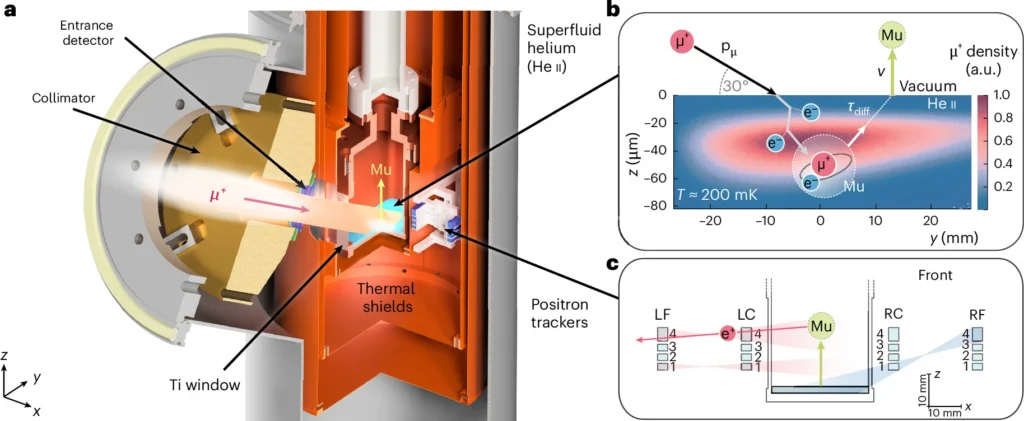
Muonium atoms emerge from superfluid helium at about 2,180 meters per second in a tightly directed beam that could make precision gravity and spectroscopy experiments far more practical
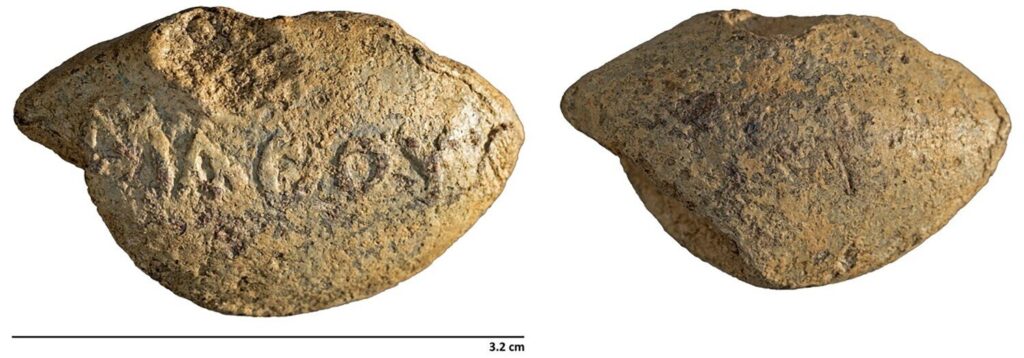
One lead projectile fired at ancient Hippos was inscribed with “Learn your lesson!” and still bears the scar of impact
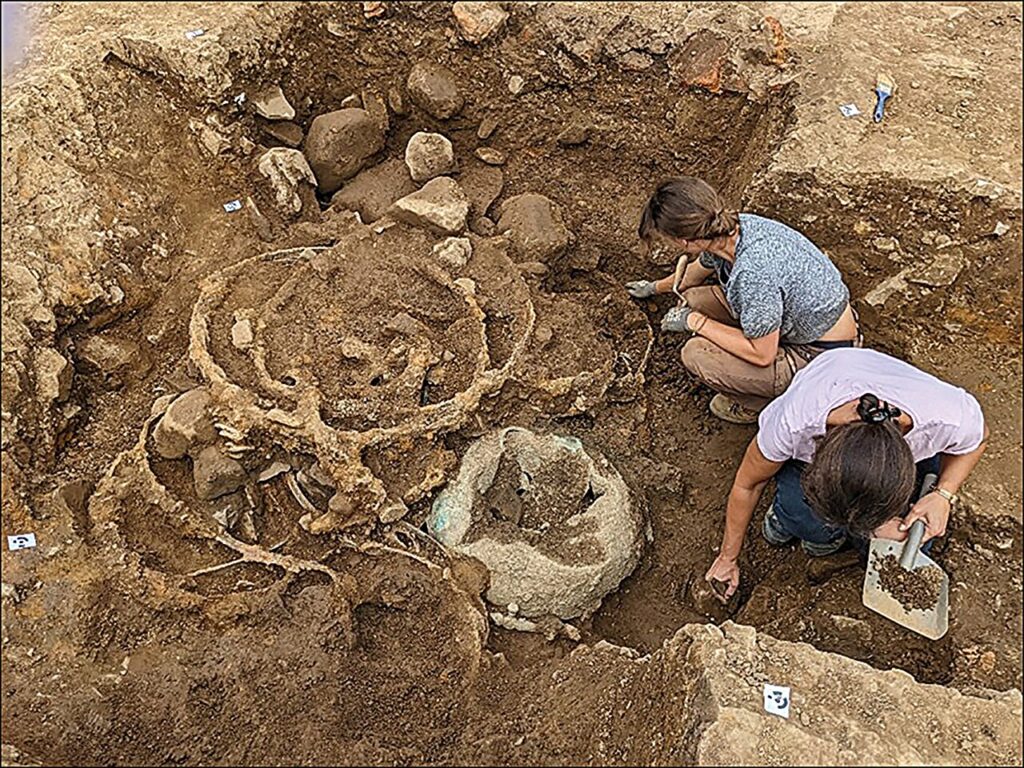
More than 950 Iron Age objects buried near a British power center include parts from at least seven substantial four-wheeled wagons
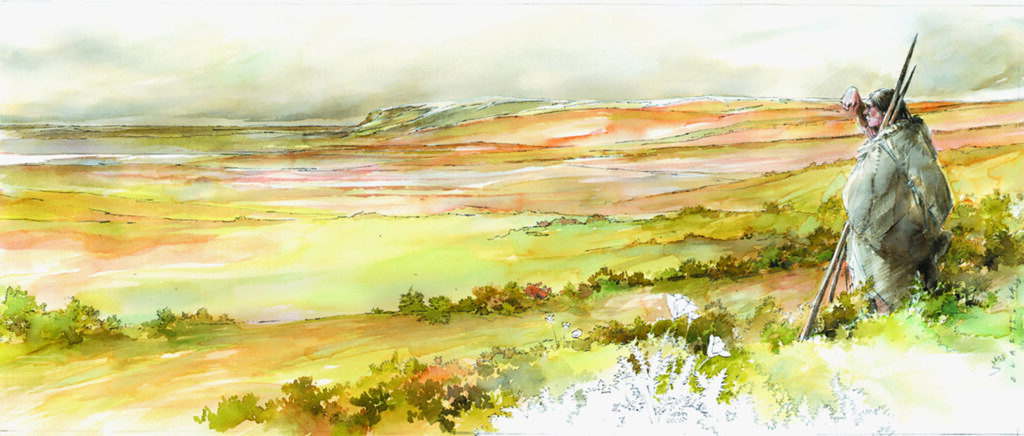
Around 75,000 years ago, harsh Ice Age conditions pushed Neanderthals into southwestern Europe, where a surviving lineage later spread across the continent
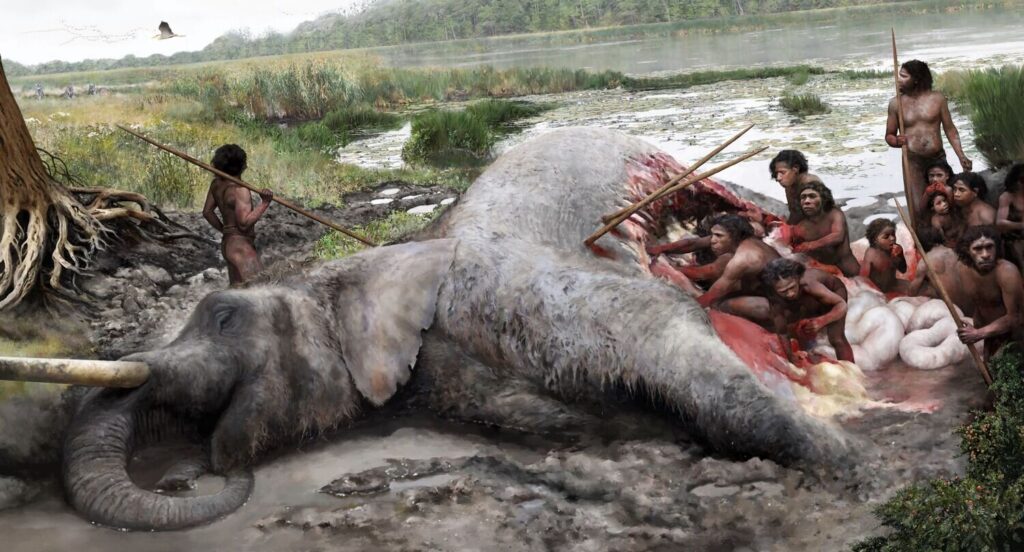
A 125,000-year-old wooden spear lodged between an elephant’s ribs now sits alongside cut marks showing Neanderthals killed and butchered the 3,500-kilogram animal at a German lakeshore
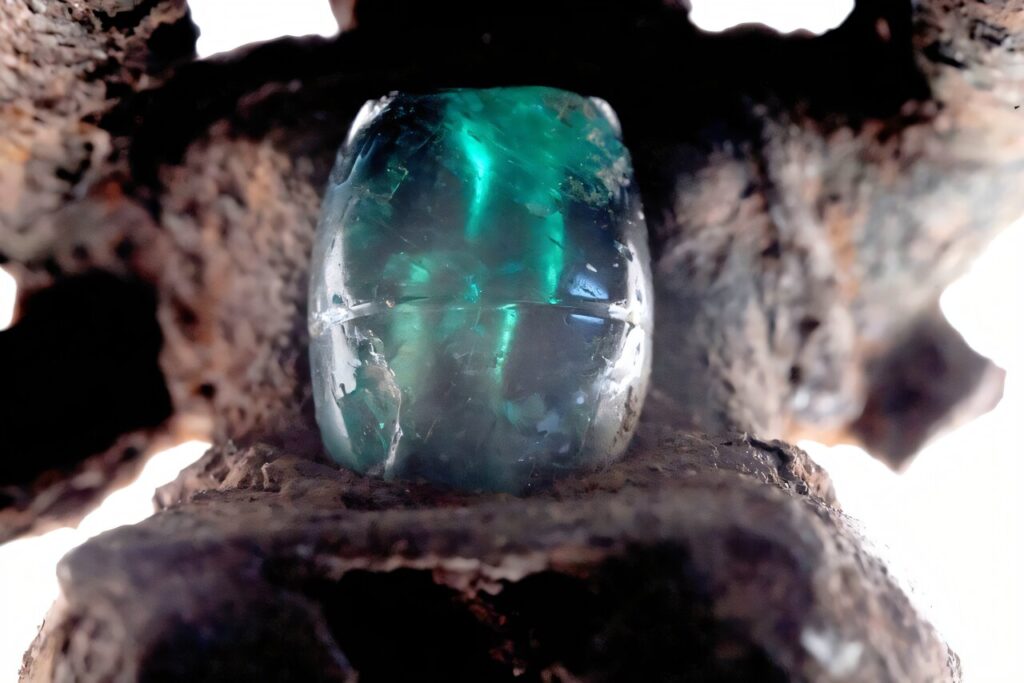
More than 700 kilometers from Colombia, emeralds reached elite Panamanian tombs after passing through an unknown chain of communities
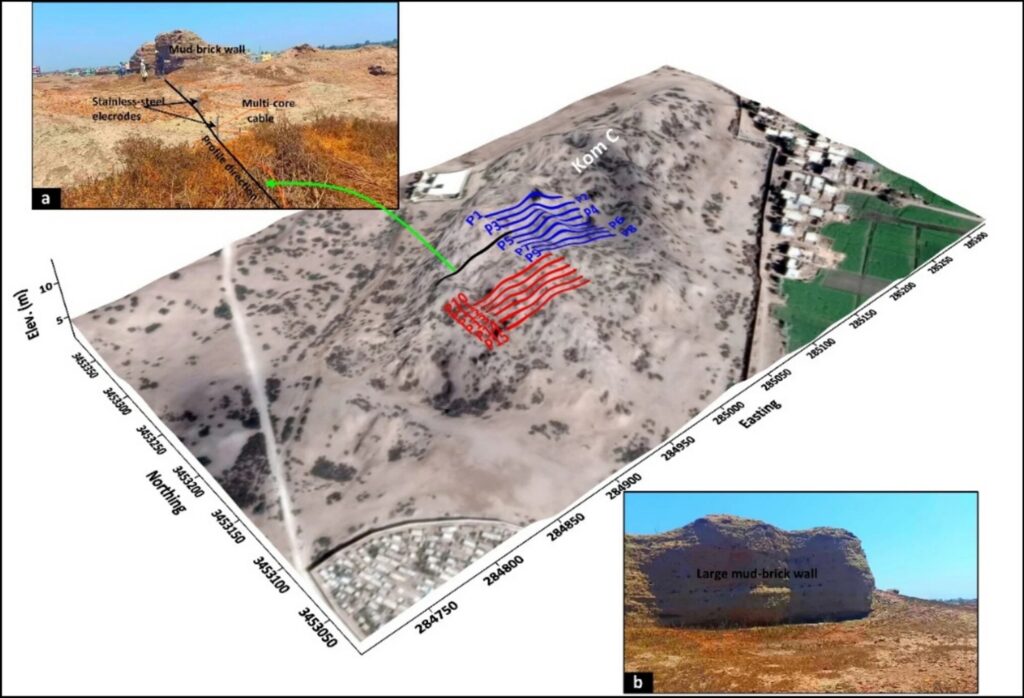
2,600-year-old structure lies 3 to 6 meters beneath ancient Egypt’s Buto, where scans found mudbrick walls and religious artifacts

Puppies buried beside people at a 15,800-year-old Anatolian camp belong to a dog lineage already found at Gough’s Cave in Britain by 14,000 years ago
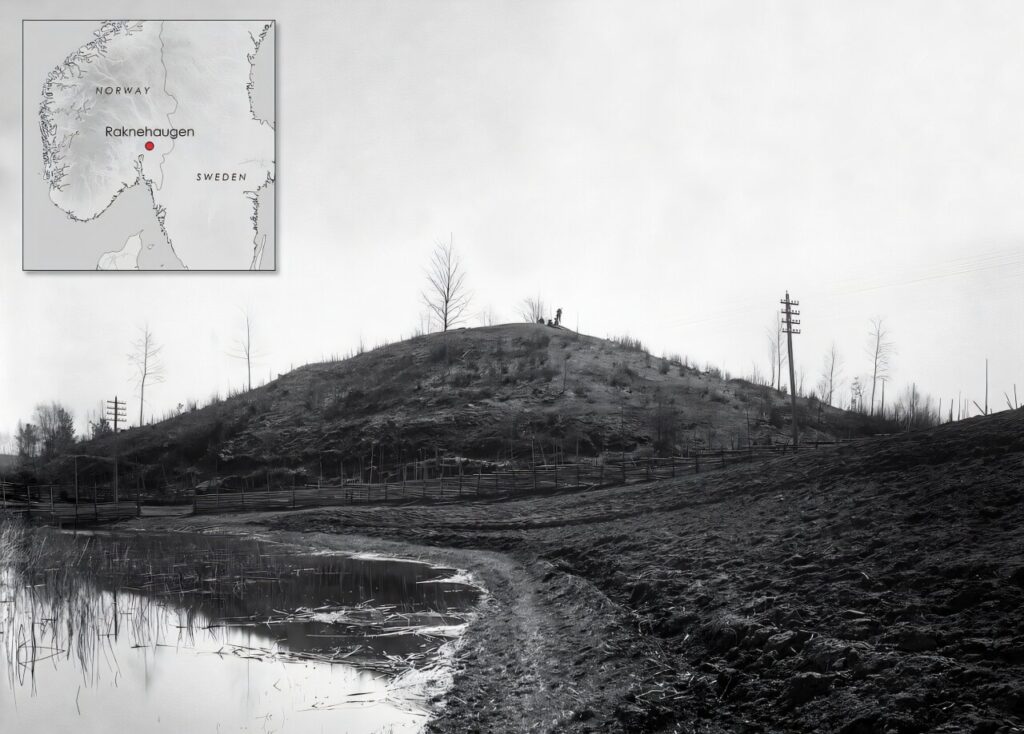
Built around AD 551 from roughly 25,000 pine logs, Raknehaugen may have been a ritual monument to an ancient landslide rather than the elite tomb archaeologists expected to find
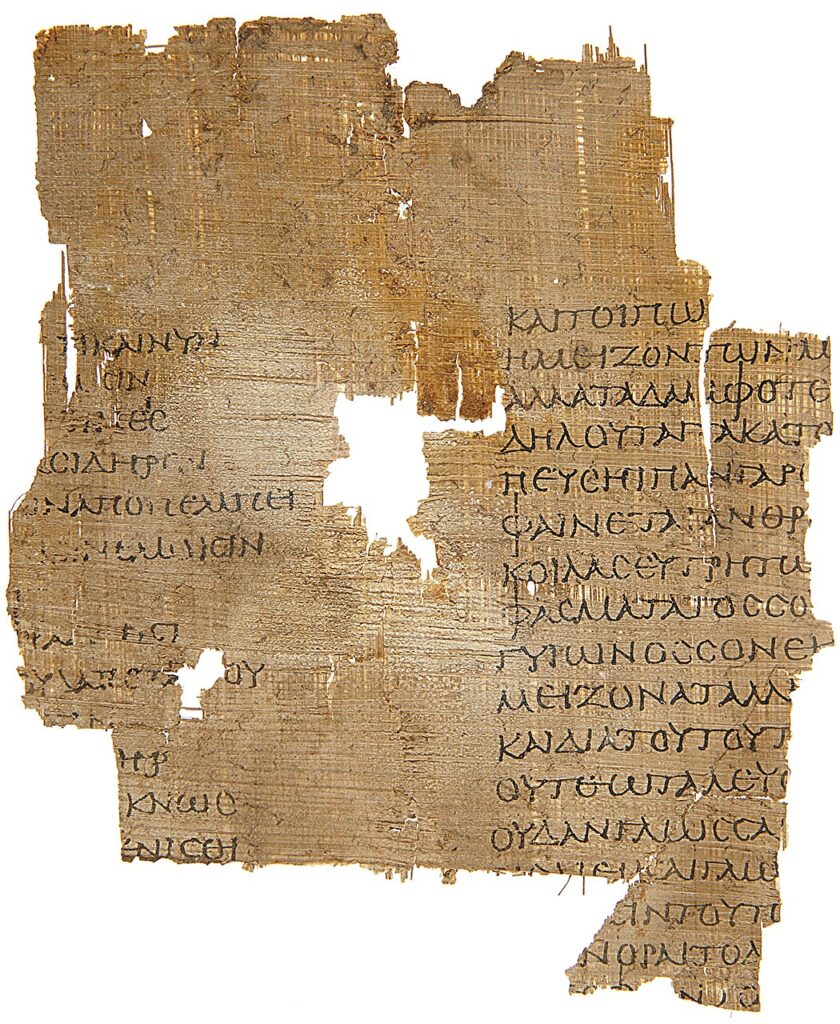
For centuries, Empedocles’ own words were lost—now a 2,000-year-old Cairo papyrus restores 30 verses on vision and the senses

3,000-year-old clay tablet from Syria preserves an all-night royal anti-witchcraft ritual involving burning wax and clay figures
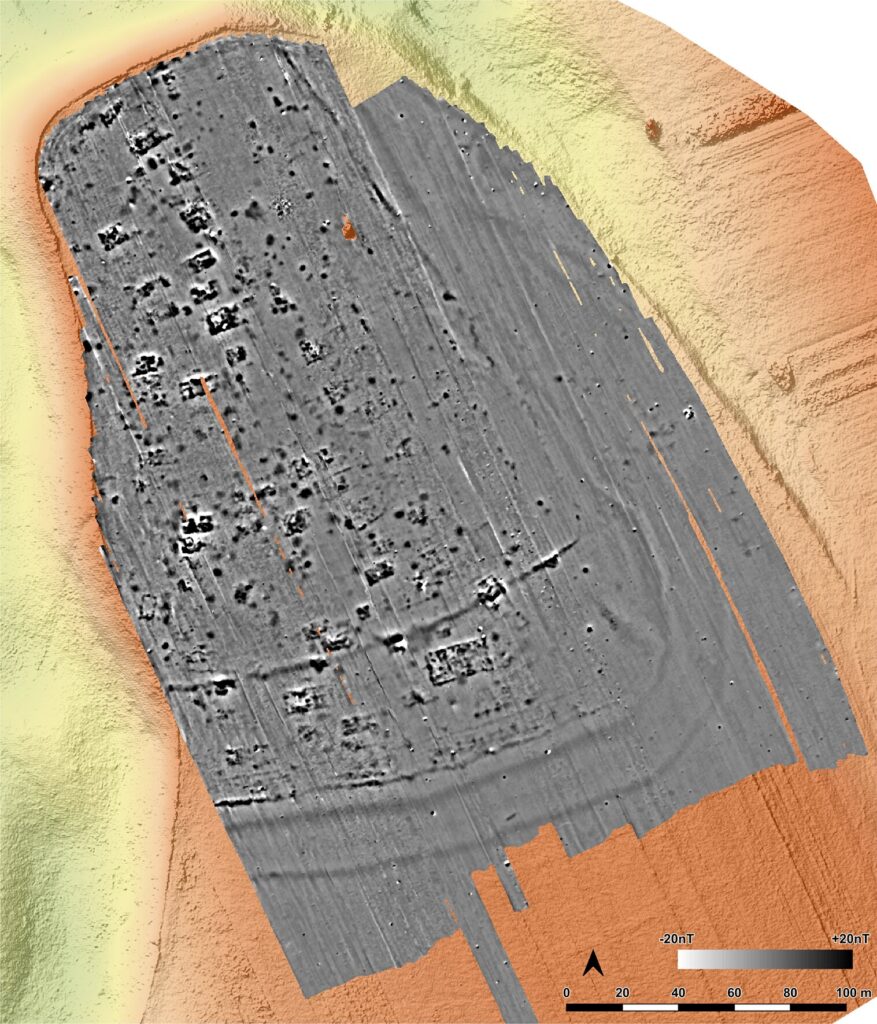
Radiocarbon dates place a giant Cucuteni building in the 40th or 39th century BC—earlier than its pottery chronology allows

Photon-counting CT is letting scientists see the bones, teeth and bandages of Egyptian mummy remains more than 2,300 years old without disturbing them
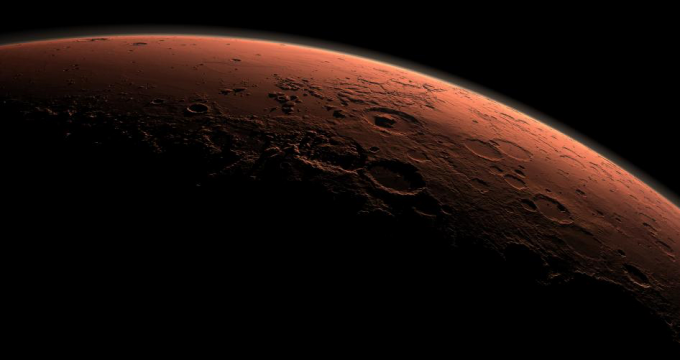
NWA 13441 preserves a 1.273-billion-year-old piece of Mars with neodymium isotopes matching the solar system’s earliest composition, hinting that deep Martian material escaped billions of years of change

Herlaugshaugen’s buried ship was more than 20 meters long—and dates to around AD 700, decades before Norway’s earliest known Viking Age ship mounds
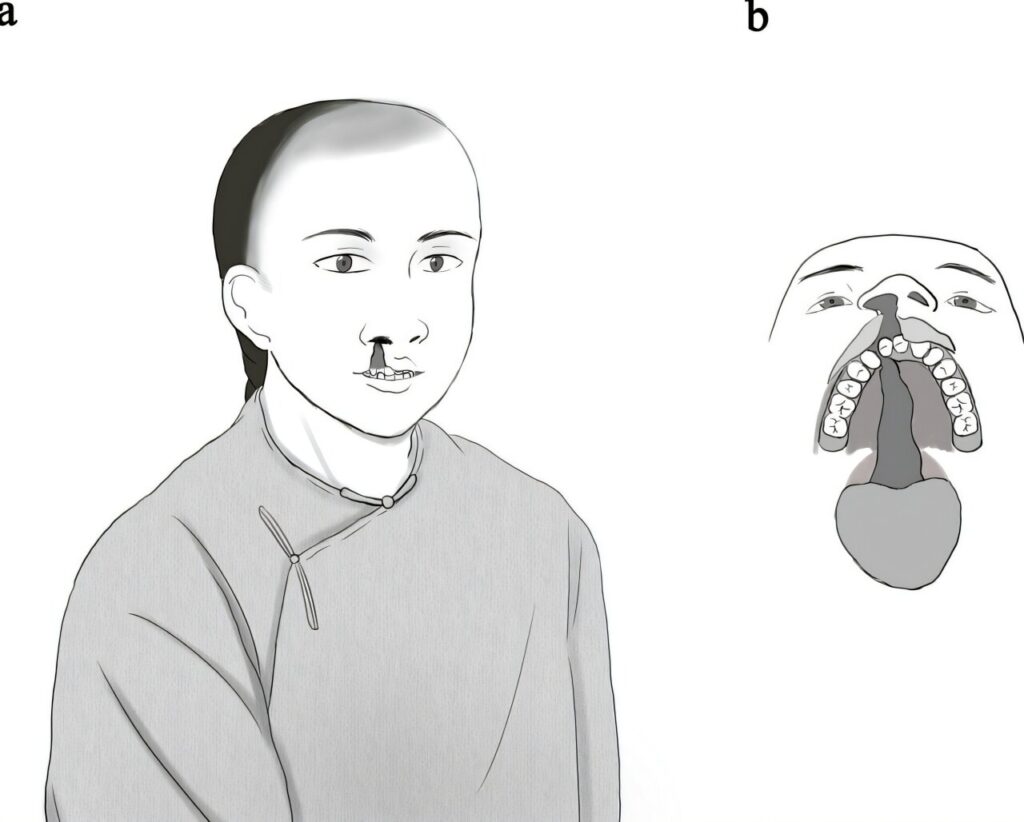
His cleft lip and palate did not keep him from family life: a 16- to 18-year-old in Qing China was buried alongside a likely wife in an ordinary family tomb

Nearly 2,000-year-old Roman waste preserves traces of a parasite once thought to have originated in Central America
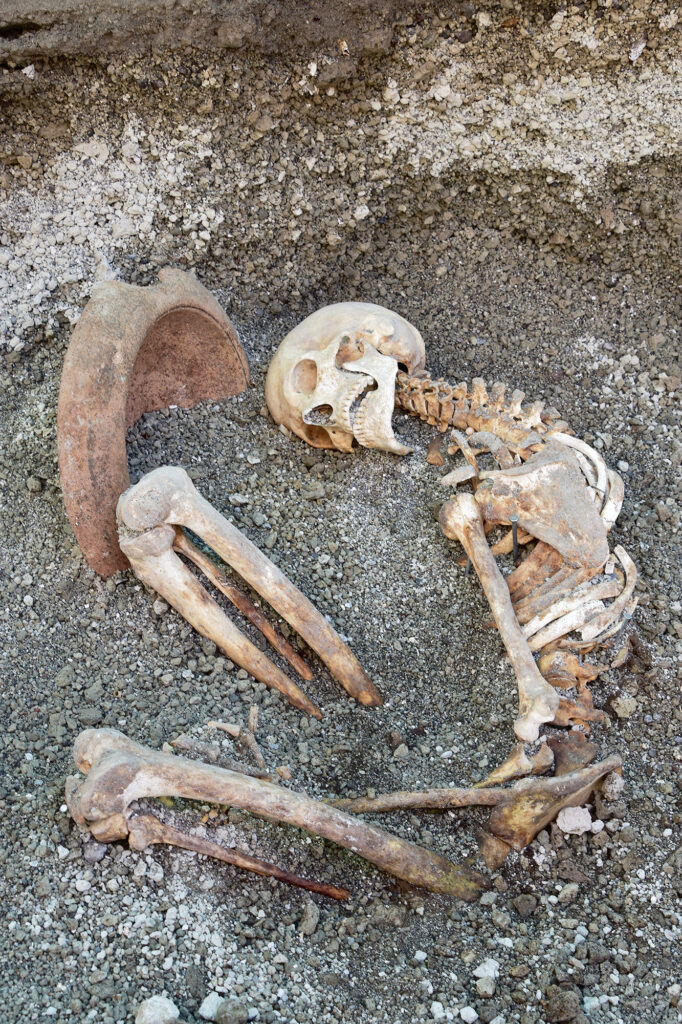
He tried to shield his head from Vesuvius with a household bowl
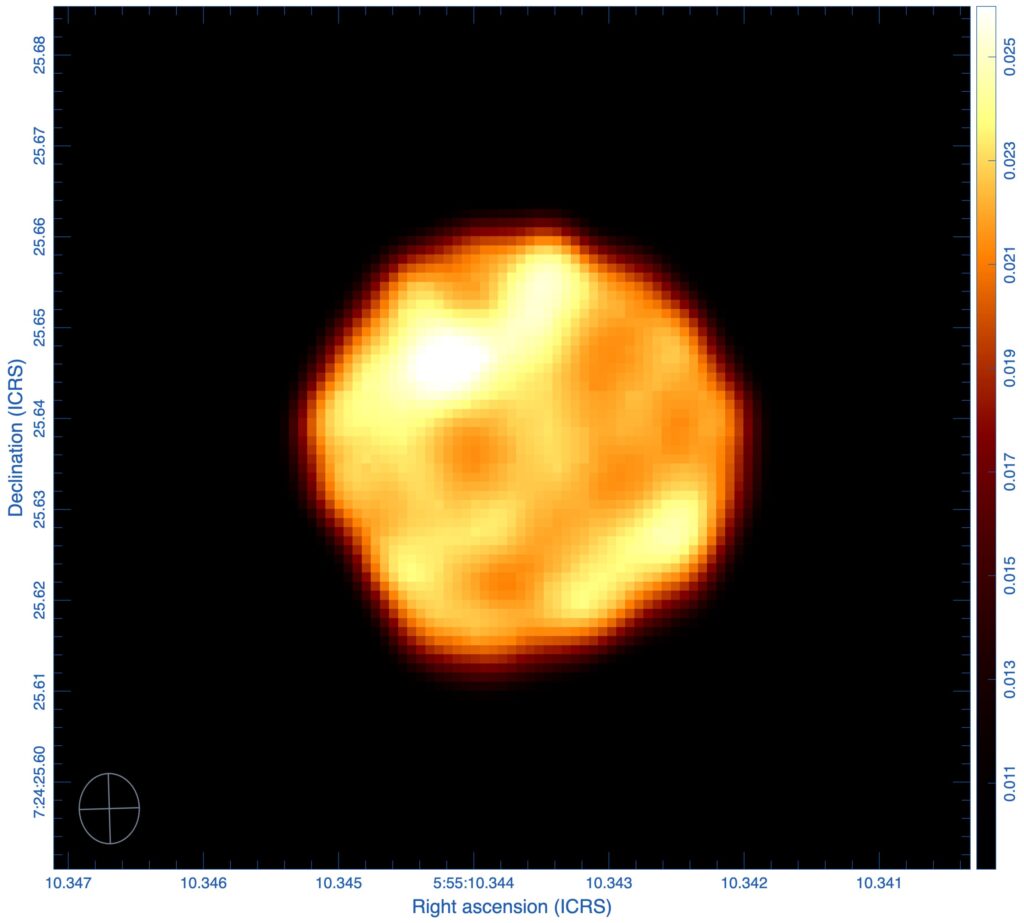
Betelgeuse’s inner atmosphere is now strikingly patchy, with hot spots 800 degrees hotter than nearby regions

Two children buried 10,000 years ago show people were living along Patagonia’s Atlantic coast much earlier than thought
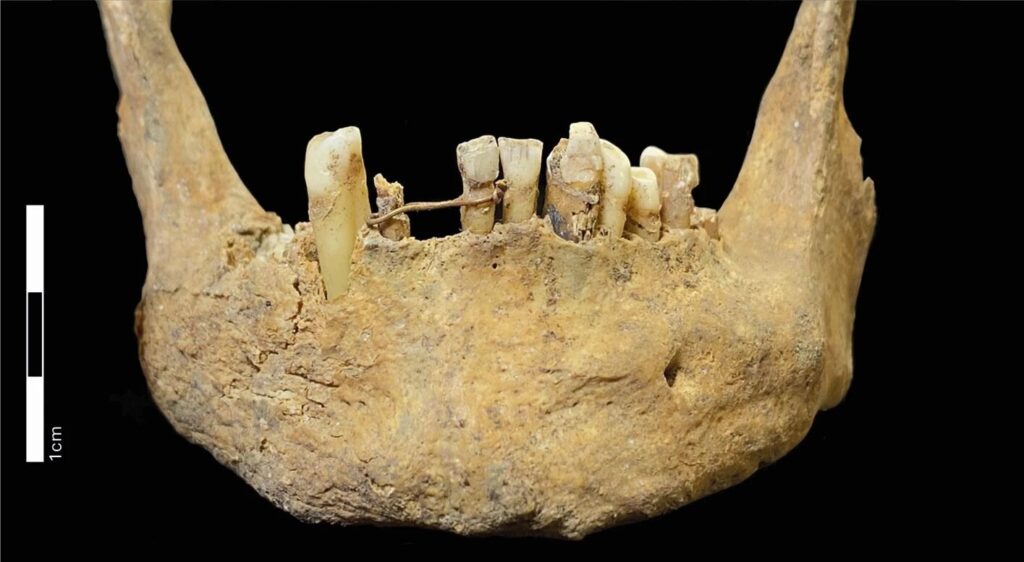
This medieval man had a gold wire tied around his teeth while he was alive