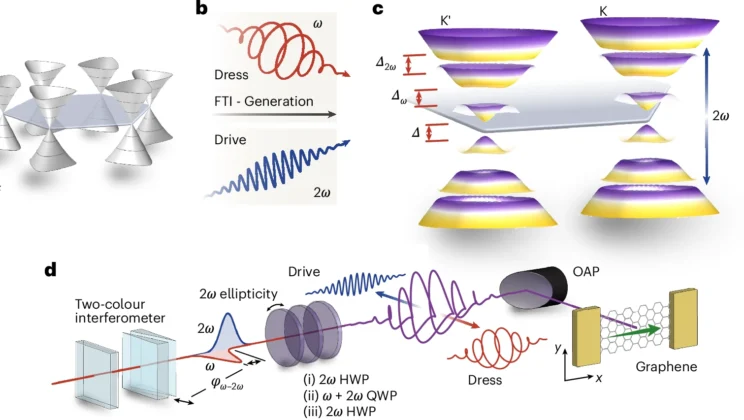
Graphene’s light-dressed electrons develop Berry curvature that lets an all-optical Hall current reverse direction, while changing the probe polarization suppresses the response by nearly two orders of magnitude
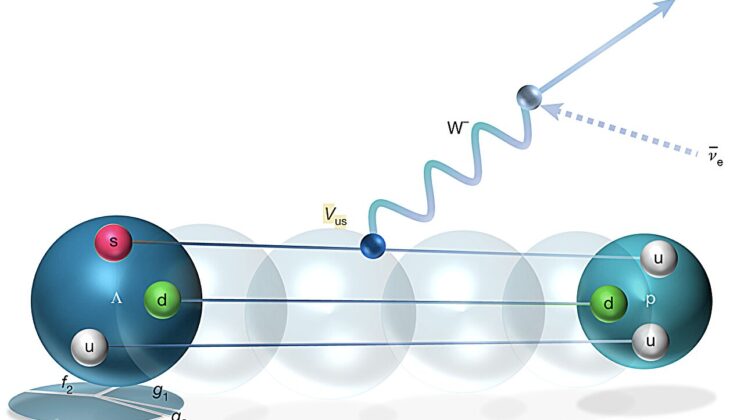
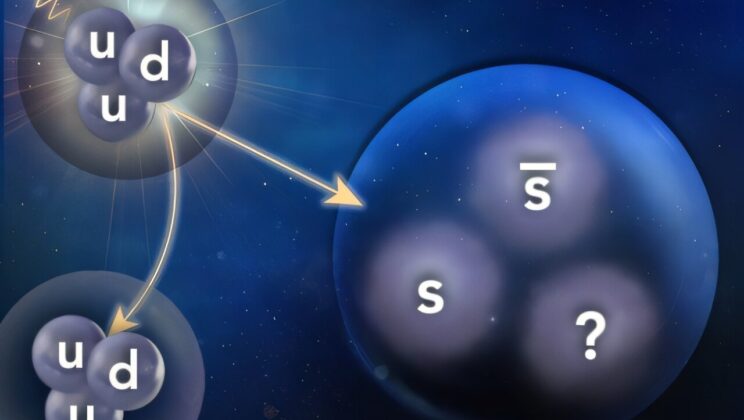
Two entangled Lambda baryons turned a difficult weak decay into a multidimensional probe of quark mixing, yielding a new |Vᵤₛ| measurement and the first weak-electricity result for the decay
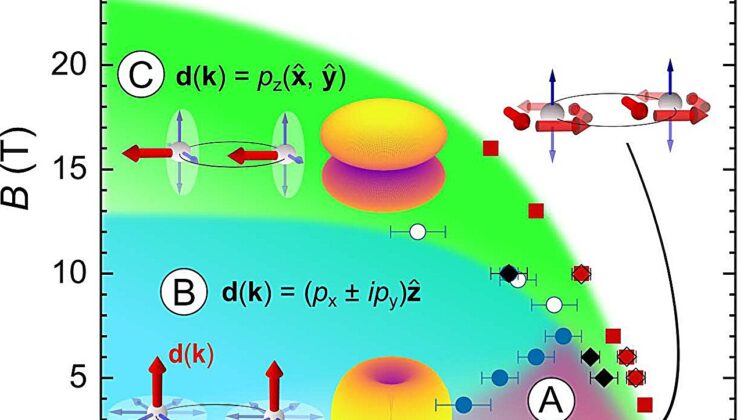
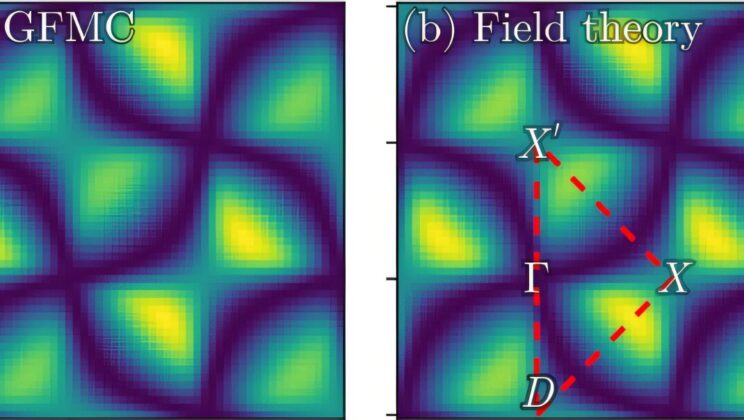
Cooling and increasing the magnetic field send K2Cr3As3 through three superconducting states, from a helical point-node phase to a chiral point-node phase and finally a line-node phase
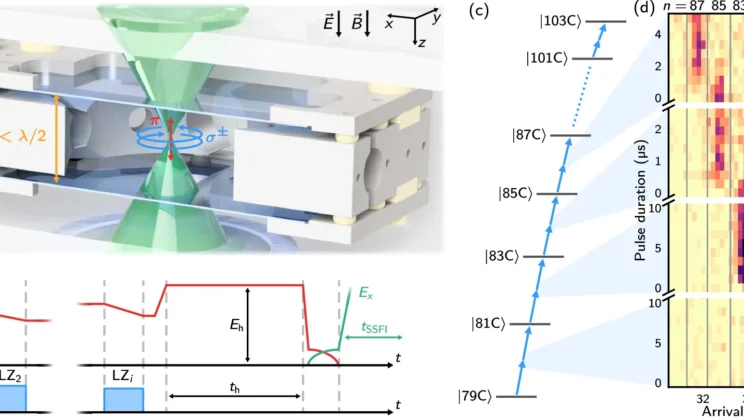
Single strontium atoms survived 11.5 milliseconds in room-temperature circular Rydberg states—21 times longer than in free space
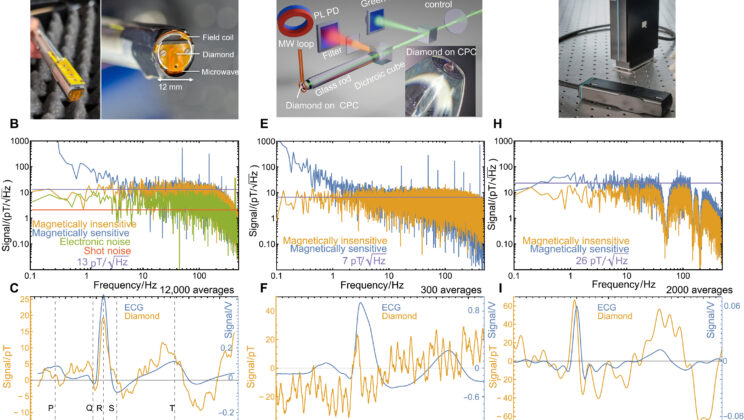
Tiny diamond sensors detected the heart’s faint magnetic field from about a centimeter away, but only after thousands of heartbeats were averaged to separate the signal from noise
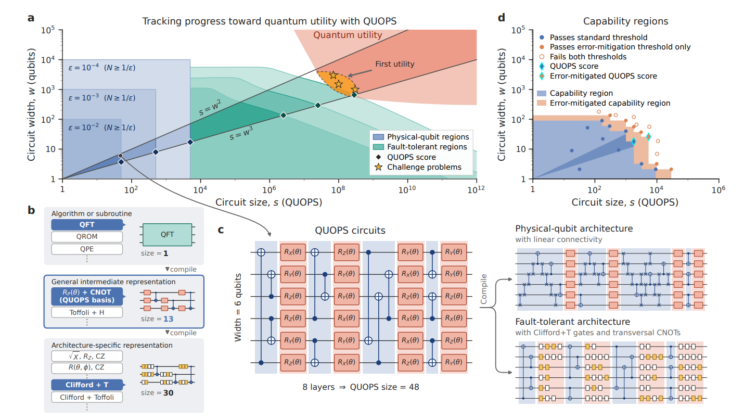
Current quantum processors can run circuits rated at hundreds to about 1,500 QUOPS, but proposed RSA-2048 factoring and FeMoco simulations require roughly 250 million to 340 million—leaving a gap of about five orders of magnitude
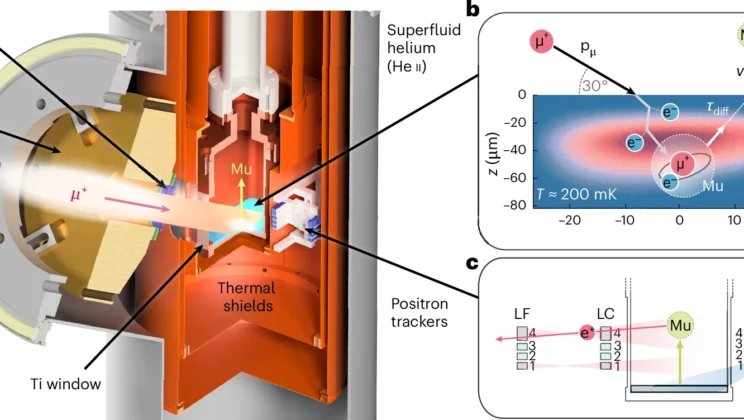
Muonium atoms emerge from superfluid helium at about 2,180 meters per second in a tightly directed beam that could make precision gravity and spectroscopy experiments far more practical