Skip to content

Tuhin Nova

Original research, carefully examined and clearly explained—with evidence, accuracy, and scientific integrity at the heart of every story.

  • Physics
  • Astronomy & Space
  • Health & Medicine
  • Biology
  • Archaeology
  • Earth Science

Category: Archaeology

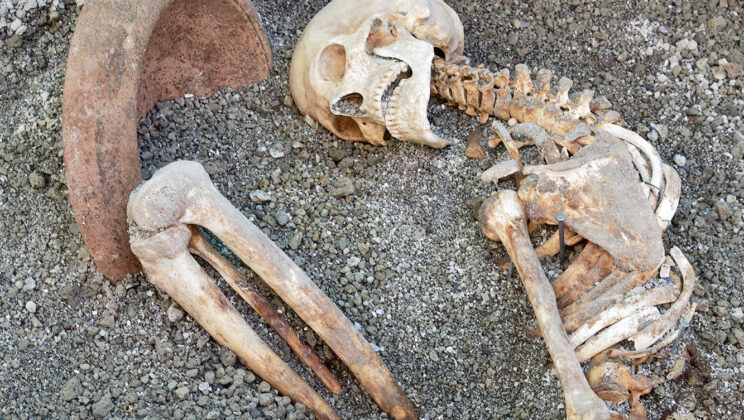
For more than 4,000 years, prehistoric graves across Europe preserved haunting scenes of adults and children buried in close embraces that looked like mothers cradling their offspring, yet ancient DNA is now revealing that many of these intimate burials concealed far more unexpected family relationships than anyone had imagined

For more than 4,000 years, prehistoric graves across Europe preserved haunting scenes of adults and children buried in close embraces that looked like mothers cradling their offspring, yet ancient DNA is now revealing that many of these intimate burials concealed far more unexpected family relationships than anyone had imagined

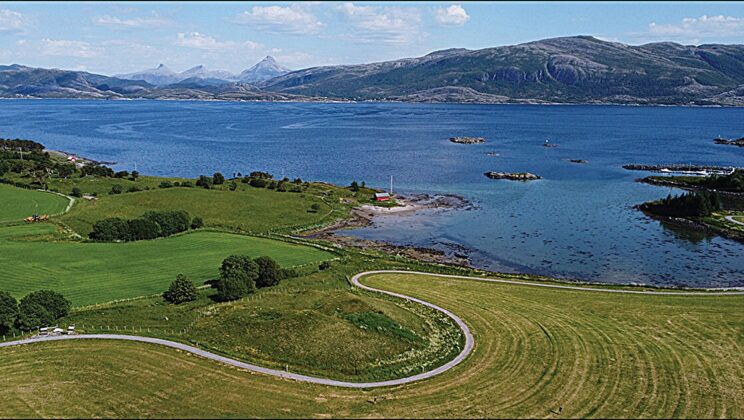
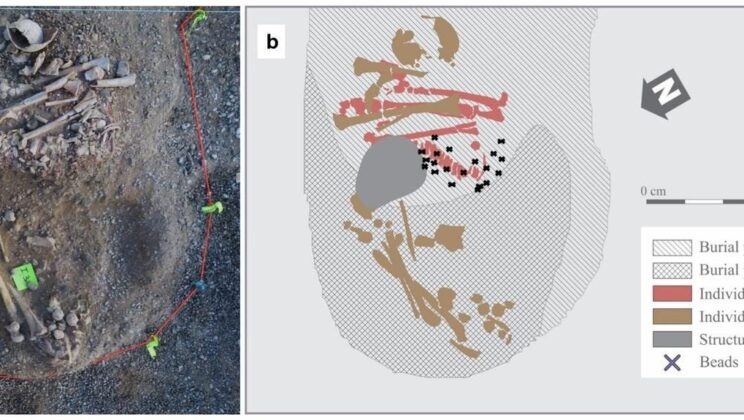
For thousands of years, a Stone Age cemetery on Sweden’s Baltic island of Gotland quietly preserved an extraordinary pattern of children, parents, siblings, and even more distant relatives sharing the same graves, yet the hidden logic behind these carefully repeated burials remained invisible until ancient DNA reconstructed the family connections that archaeology alone could never see

For thousands of years, a Stone Age cemetery on Sweden’s Baltic island of Gotland quietly preserved an extraordinary pattern of children, parents, siblings, and even more distant relatives sharing the same graves, yet the hidden logic behind these carefully repeated burials remained invisible until ancient DNA reconstructed the family connections that archaeology alone could never see

Two brothers shared the same ancient family lineage, yet one was given a lavish central tomb while the other was buried more than 200 meters away at the cemetery’s edge, revealing how wealth and status could divide even the closest relatives in Xiongnu society

Two brothers shared the same ancient family lineage, yet one was given a lavish central tomb while the other was buried more than 200 meters away at the cemetery’s edge, revealing how wealth and status could divide even the closest relatives in Xiongnu society

For nearly two centuries on the Mongolian steppe, members of the same ancient families returned to the same cemetery, yet some were buried at its center in elaborate tombs while others were pushed to the margins, leaving researchers to uncover what really determined a person’s place among the dead

For nearly two centuries on the Mongolian steppe, members of the same ancient families returned to the same cemetery, yet some were buried at its center in elaborate tombs while others were pushed to the margins, leaving researchers to uncover what really determined a person’s place among the dead

Two brothers shared the same ancient bloodline, yet one was buried beside his wife in a lavish central tomb while the other was sent more than 200 meters away to the cemetery’s edge

Two brothers shared the same ancient bloodline, yet one was buried beside his wife in a lavish central tomb while the other was sent more than 200 meters away to the cemetery’s edge

Along the Angara River, families buried their children and relatives one after another roughly 5,500 years ago, and ancient DNA from their teeth now reveals how a mysterious plague swept through these mobile hunter-gatherer communities in a matter of decades

Along the Angara River, families buried their children and relatives one after another roughly 5,500 years ago, and ancient DNA from their teeth now reveals how a mysterious plague swept through these mobile hunter-gatherer communities in a matter of decades

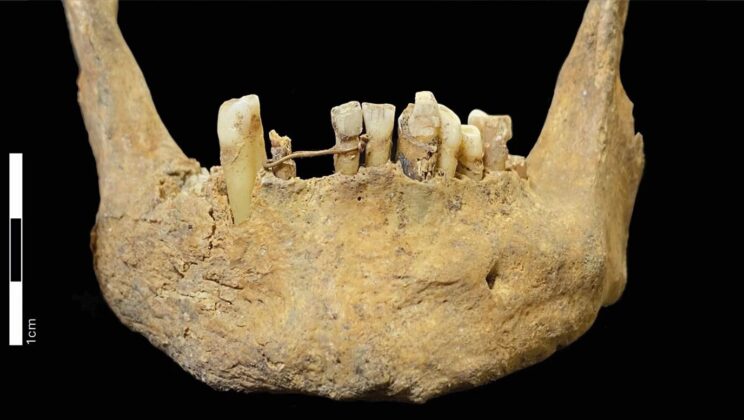
A narrow slash across the jaw of a 90,000-year-old human skeleton seemed easy to overlook, but modern scans revealed that the wound cut through both bone and tooth—and that the person survived long enough for the injury to begin healing

A narrow slash across the jaw of a 90,000-year-old human skeleton seemed easy to overlook, but modern scans revealed that the wound cut through both bone and tooth—and that the person survived long enough for the injury to begin healing

Stonehenge’s six-ton Altar Stone may have spent thousands of years stranded on a vanished landscape beneath the North Sea before prehistoric people carried it the rest of the way, according to a new investigation into one of archaeology’s oldest transportation mysteries

Stonehenge’s six-ton Altar Stone may have spent thousands of years stranded on a vanished landscape beneath the North Sea before prehistoric people carried it the rest of the way, according to a new investigation into one of archaeology’s oldest transportation mysteries

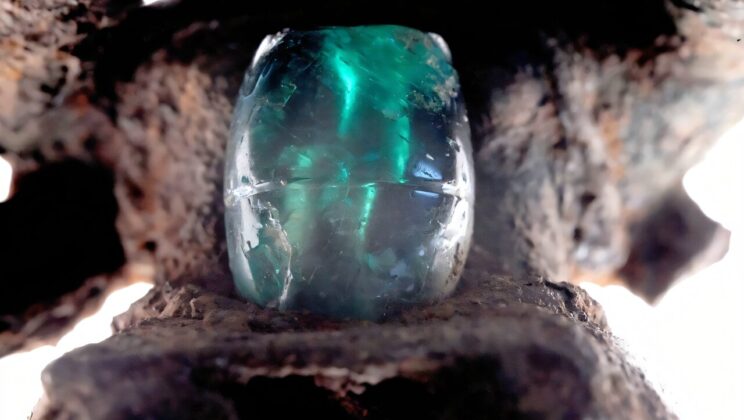
Long before anyone measured moonlight, ancient Egyptians chose a silver-gray baboon to embody their moon god, and now its shimmering fur appears to carry the same light that inspired a civilization

Long before anyone measured moonlight, ancient Egyptians chose a silver-gray baboon to embody their moon god, and now its shimmering fur appears to carry the same light that inspired a civilization

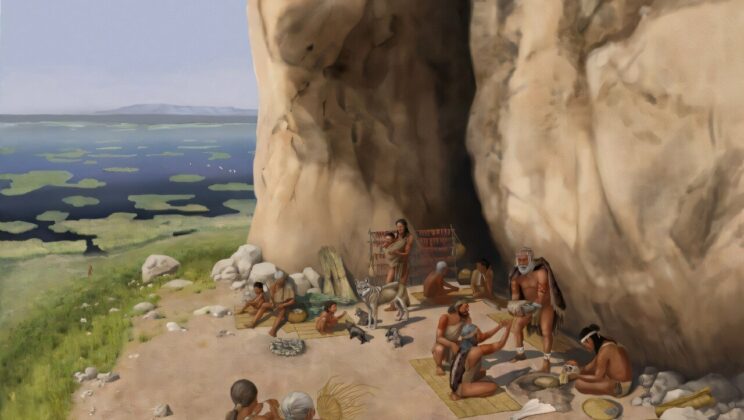
For more than 1,500 years, a quiet cave high above the Himalayan valleys preserved the remains of people whose DNA carried an almost perfectly balanced blend of ancient Tibetan and North Indian ancestry, inviting a new look at when two worlds first came together across one of Earth’s most formidable mountain landscapes

For more than 1,500 years, a quiet cave high above the Himalayan valleys preserved the remains of people whose DNA carried an almost perfectly balanced blend of ancient Tibetan and North Indian ancestry, inviting a new look at when two worlds first came together across one of Earth’s most formidable mountain landscapes

Quick Links

  • About Us
  • Contact Us
  • Privacy Policy
  • Terms of Service
  • Disclaimer
  • Editorial Policy
  • Fact-Checking Policy
  • Corrections Policy
  • Ethics Policy
  • AI Transparency Policy
  • Copyright Policy
Copyright © 2026 Tuhin Nova.