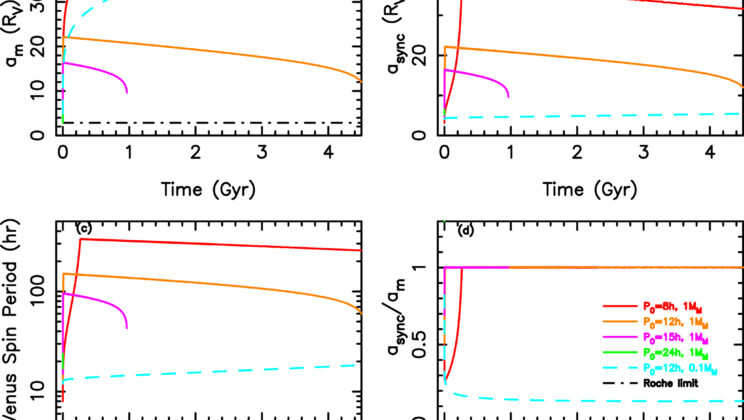
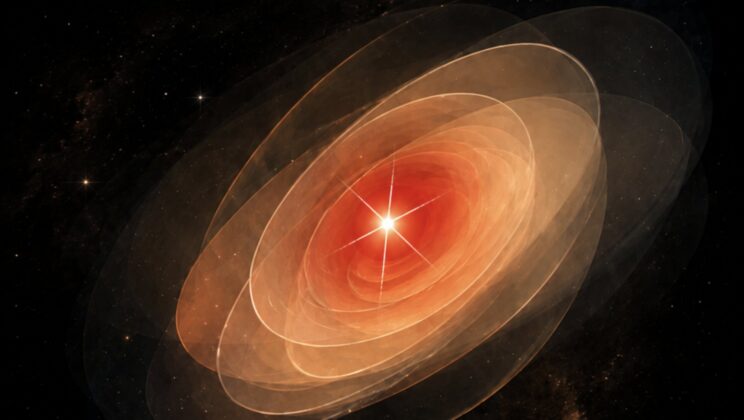
A moon around young Venus could have survived for 4.5 billion years—or spiraled into the planet in less than a million, depending on how fast Venus spun
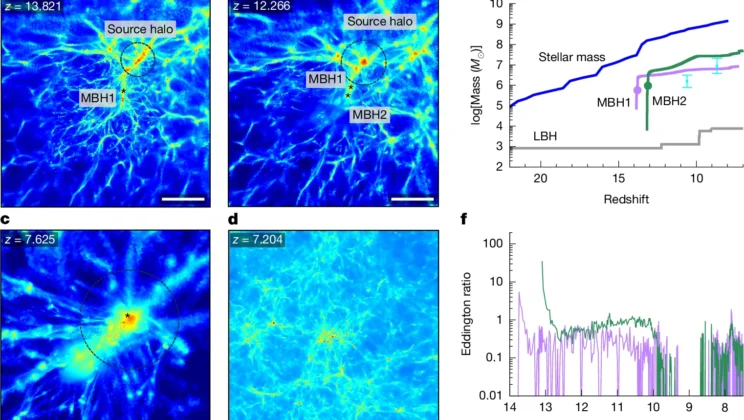
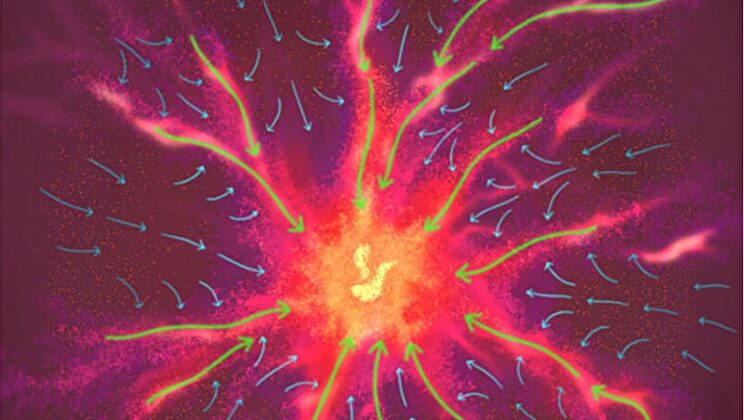
Supermassive stars weighing up to 900,000 Suns collapse into heavy black-hole seeds that rapidly grow to 30 million solar masses in the early universe
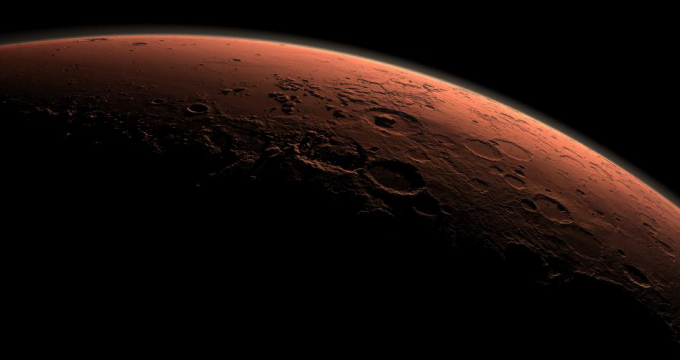
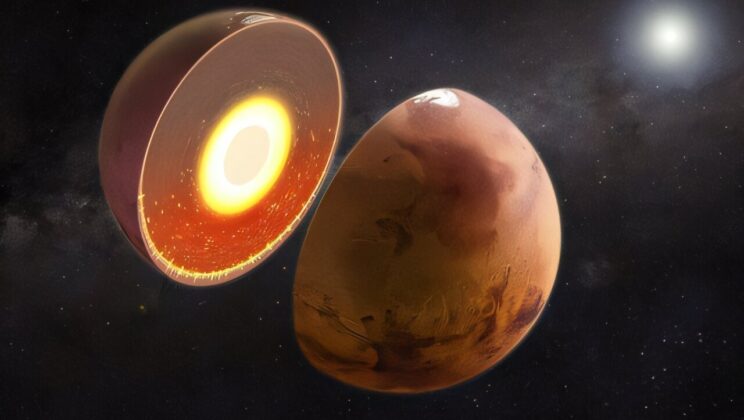
NWA 13441 preserves a 1.273-billion-year-old piece of Mars with neodymium isotopes matching the solar system’s earliest composition, hinting that deep Martian material escaped billions of years of change
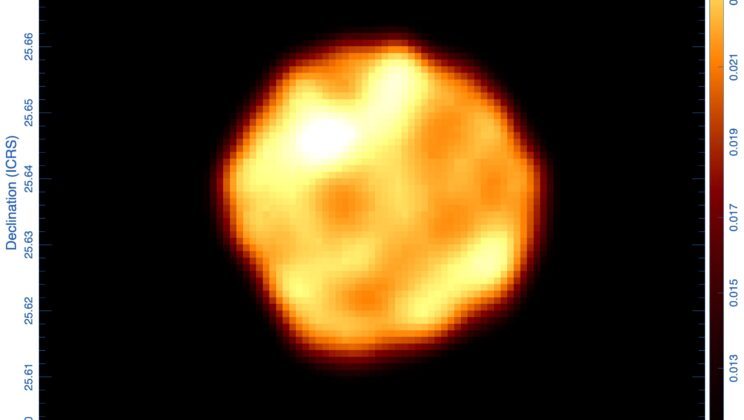
Betelgeuse’s inner atmosphere is now strikingly patchy, with hot spots 800 degrees hotter than nearby regions
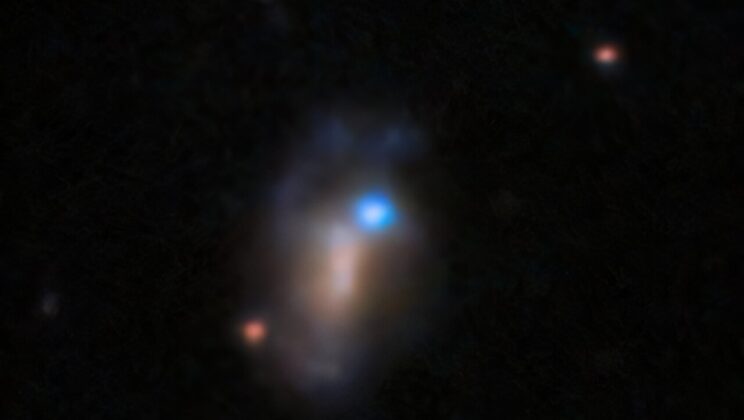
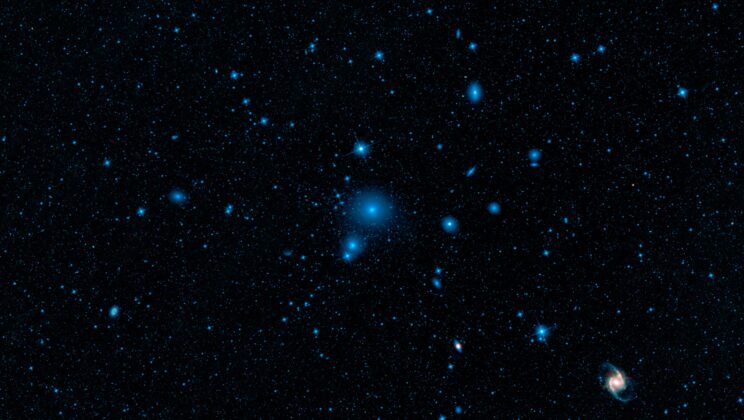
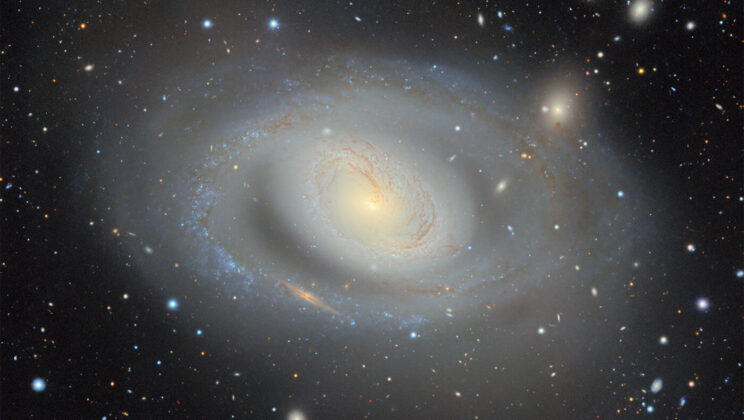
This elongated galaxy looked like it came from the universe’s first billion years — until better measurements put it much closer