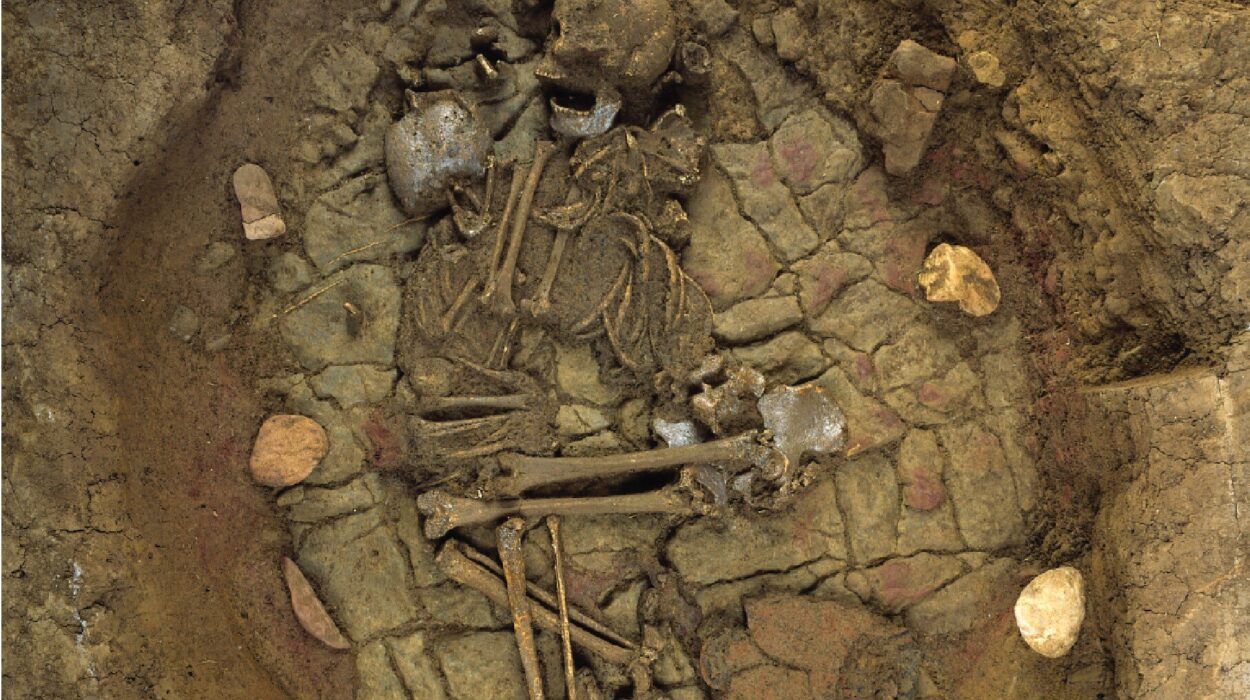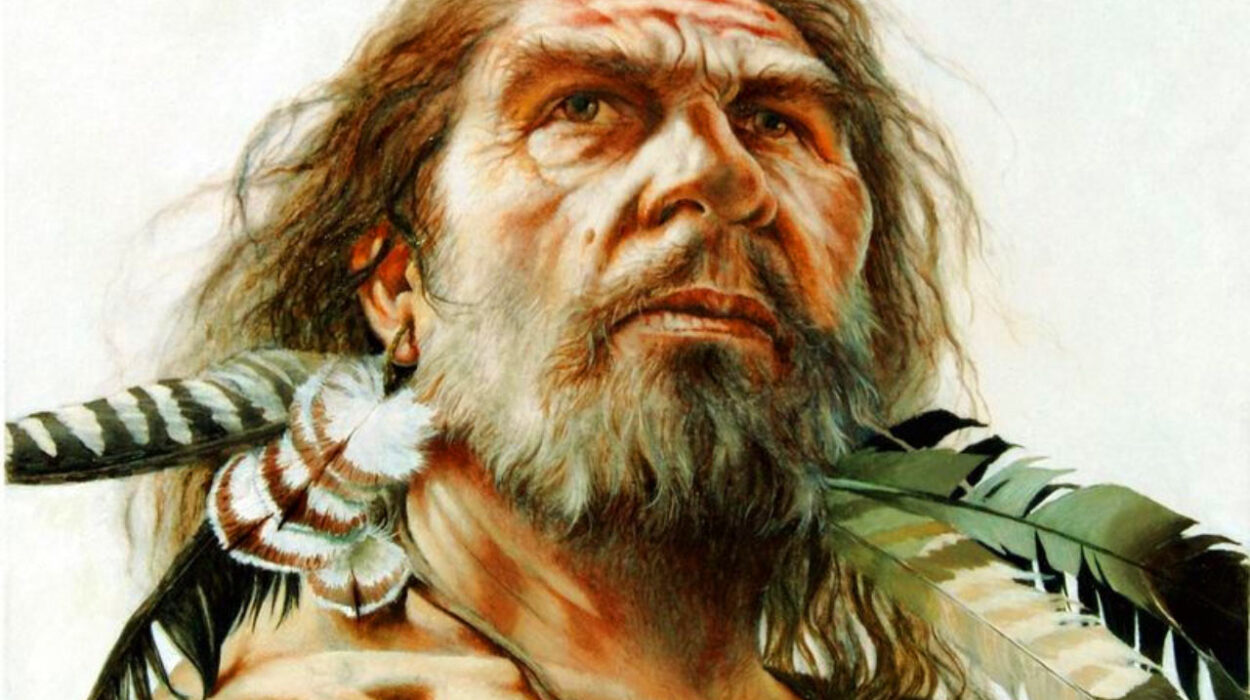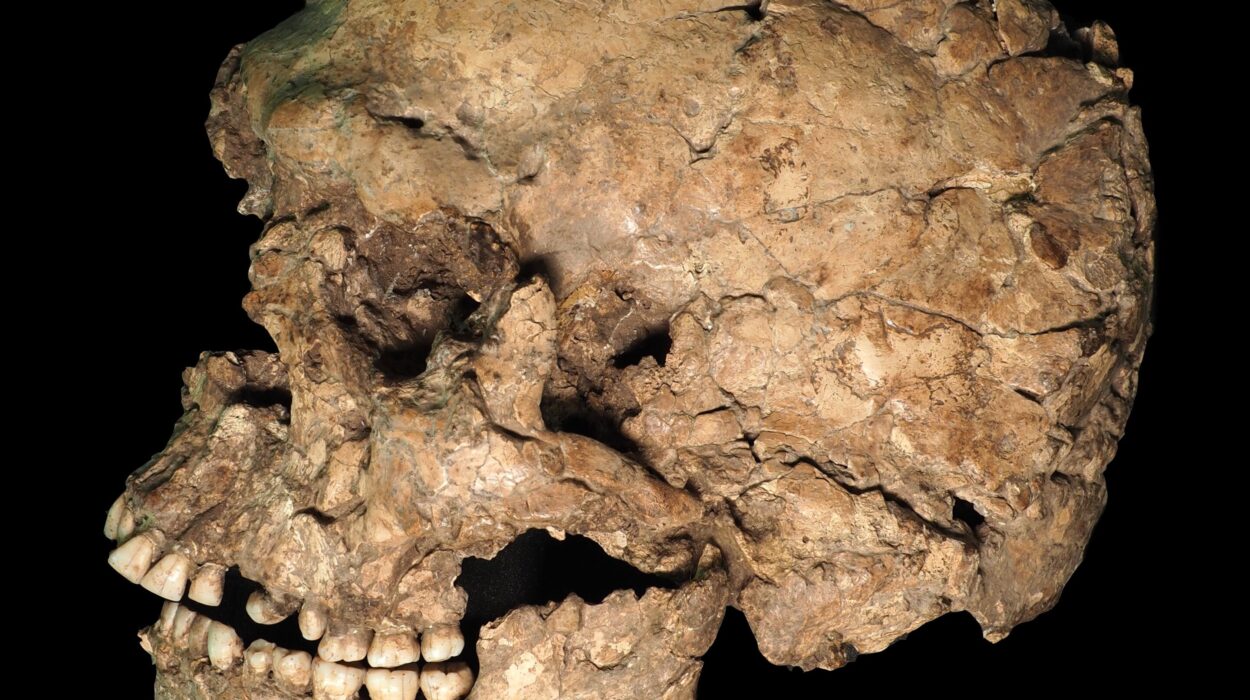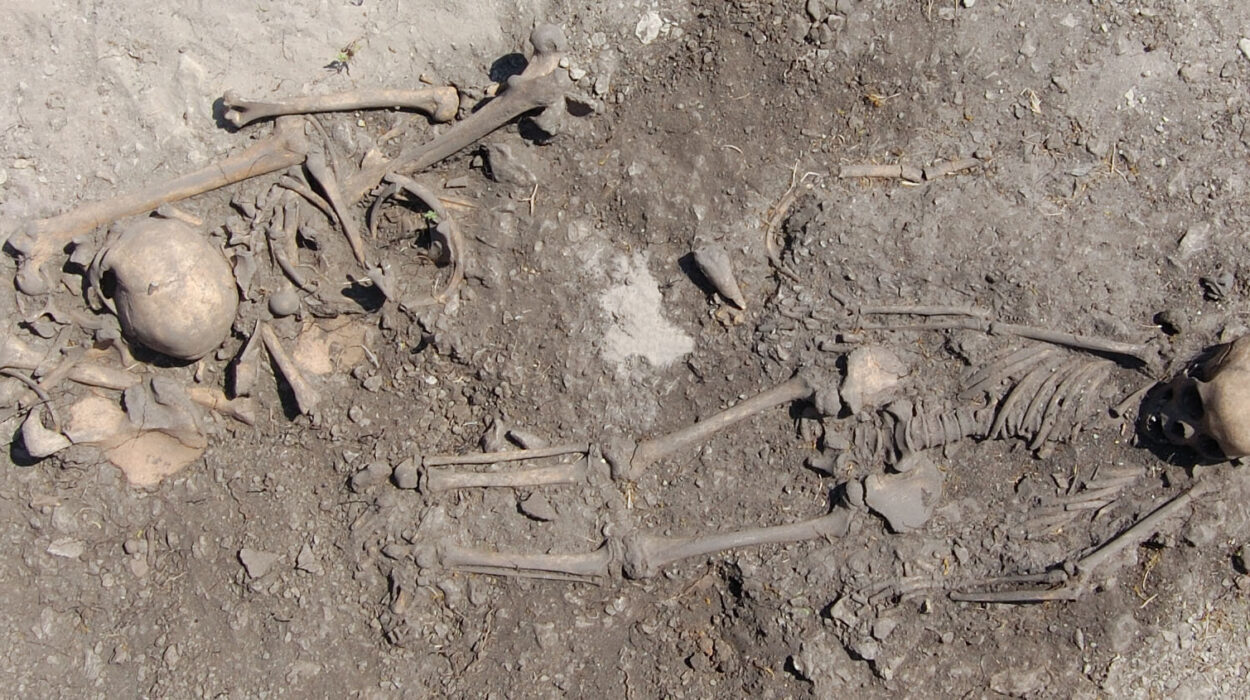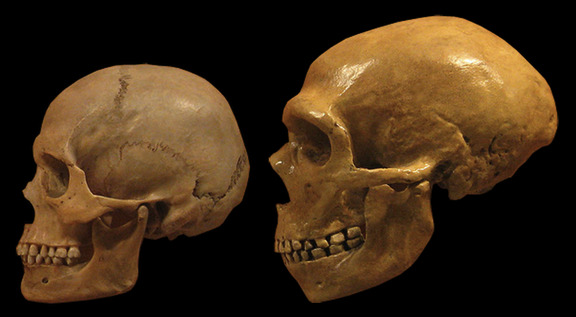
The story of Neanderthal ancestry did not end when modern humans first interbred with Neanderthals. As people gradually expanded across Eurasia, the proportion of Neanderthal DNA moved with them, forming geographic gradients that persisted for tens of thousands of years. Then, long after Neanderthals had disappeared, another great migration of early farmers altered those patterns again, helping create the genetic differences seen between Europe and Asia today.
For years, scientists have tried to explain why people living in East Asia today generally carry slightly more Neanderthal ancestry than people in Europe. Several competing ideas have focused on natural selection, multiple episodes of interbreeding, or the later arrival of populations with little or no Neanderthal ancestry.
The new analysis approaches the question from a different direction. Rather than concentrating only on present-day genomes, it traces Neanderthal ancestry across both space and time, using thousands of ancient and modern human genomes to reconstruct how prehistoric population movements changed the distribution of inherited Neanderthal DNA over roughly 40,000 years.
Instead of asking only how much Neanderthal ancestry people carried, the study asks where those genetic contributions accumulated as human populations spread across continents.
Following thousands of genomes across 40,000 years
The researchers analyzed 4,464 published ancient and modern genomes spanning approximately 40,000 years before the present through today. The genomes came from the Allen Ancient DNA Resource and represented populations distributed across Eurasia.
To make meaningful geographic comparisons, the team grouped genomes that shared the same location, time period, and cultural classification, producing 2,625 population samples. These included Paleolithic and Mesolithic hunter-gatherers, Neolithic and Chalcolithic farmers, other ancient populations, and modern populations.
For every genome, the researchers estimated Neanderthal ancestry using established genetic methods known as F4 ratios, which compare patterns of shared genetic variation between modern humans, Neanderthals, chimpanzees, and an African reference population. Only genomes with statistically reliable estimates were included.
The resulting dataset allowed the researchers to examine how Neanderthal ancestry changed with latitude, longitude, time, cultural population, and continental region, while accounting for the fact that ancient genomes are unevenly distributed across geography and history.
Ancient migrations left geographic fingerprints
The clearest pattern emerged when the researchers mapped Neanderthal ancestry across Eurasia.
Around the average age represented by the dataset—roughly 4,200 years before present—Neanderthal ancestry varied systematically with geography.
In both Europe and Asia, ancestry increased toward higher latitudes.
Longitude showed a different pattern. In Asia, Neanderthal ancestry increased farther east, while in Europe it increased farther west, producing mirror-image geographic gradients.
According to the authors, these patterns match what would be expected if expanding populations repeatedly mixed with local Neanderthals while moving away from their origin in Africa. As modern humans advanced into new regions, repeated encounters at the expansion front, combined with demographic processes associated with expanding populations, could gradually increase the amount of Neanderthal ancestry carried by populations farther from the expansion source.
The researchers note that other evolutionary forces could, in principle, create introgression gradients, but they argue that the observed geographic orientation—with gradients converging on the Middle East—is most parsimoniously explained by prehistoric range expansions.
The oldest genomes tell a different story from today
One of the study’s most striking observations is that today’s geographic pattern did not always exist.
Modern populations generally show slightly higher Neanderthal ancestry in East Asia than in Europe.
Ancient genomes tell a different story.
For samples older than 20,000 years, the researchers found higher Neanderthal ancestry in Europe than in Asia.
That means the modern contrast between the two regions must have developed later rather than being established immediately after modern humans first spread out of Africa.
The analysis therefore does not support the idea that today’s East Asian–European difference simply reflects the greater distance traveled during the original expansion of modern humans from Africa.
Instead, later population movements appear to have played a decisive role.
Not all prehistoric populations carried the same amount of Neanderthal ancestry
To understand what happened after the initial expansion, the researchers examined different ancient cultural populations separately.
They compared hunter-gatherers, early farmers, and later ancient populations while excluding modern genomes so that changes through time could be examined more clearly.
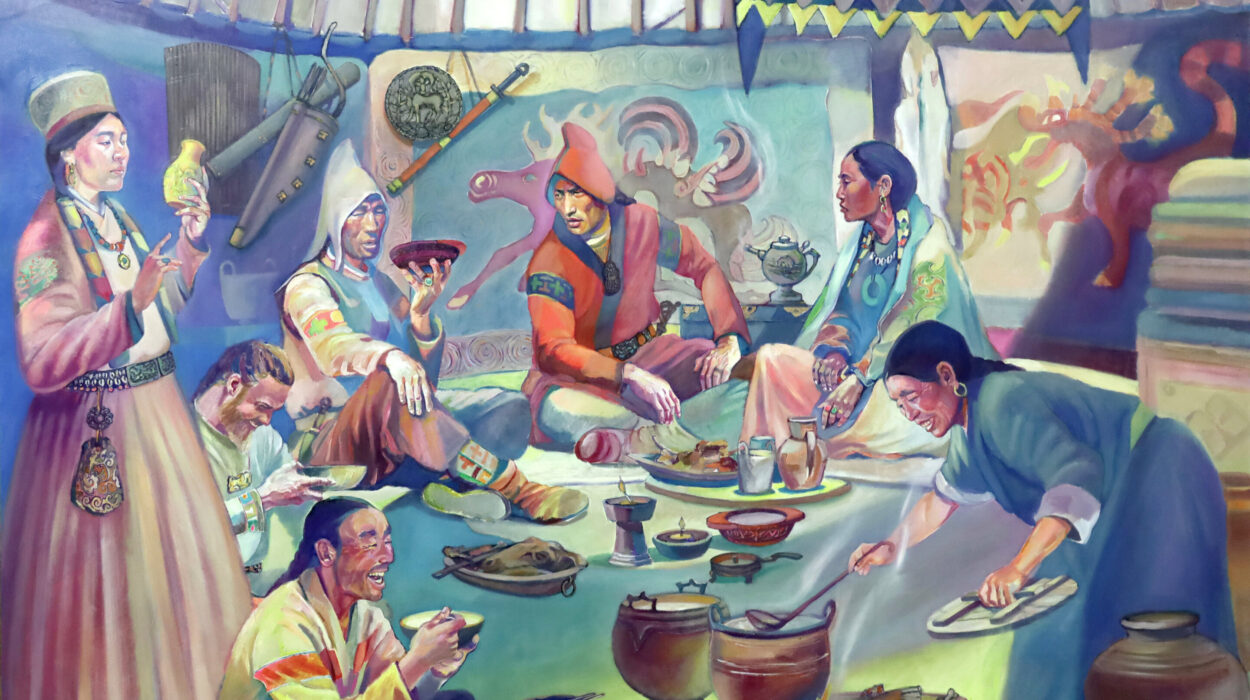
Around 10,000 years before present, when the earliest farming communities appeared in the Near East, both Europe and Asia showed the same general pattern: early farmers carried less Neanderthal ancestry than contemporary hunter-gatherers.
By approximately 6,000 years before present, farming had become well established, and although hunter-gatherers still persisted in some regions, the difference remained detectable. Hunter-gatherers continued to exhibit higher Neanderthal ancestry than both farming populations and other ancient groups.
Over time, however, the amount of Neanderthal ancestry within farming populations gradually increased.
The authors interpret this as consistent with continued admixture between expanding farmers and local hunter-gatherers during the Neolithic period.
A second great expansion reshaped Europe’s genetic landscape
The researchers argue that the spread of agriculture across Europe was critical in changing the continental pattern of Neanderthal ancestry.
Earlier hunter-gatherers had already expanded across Eurasia after leaving Africa, gradually accumulating Neanderthal ancestry along the way.
Thousands of years later, farming populations began expanding from the Fertile Crescent into Europe.
Because these early farmers originated closer to the source of the original expansion, they initially carried less Neanderthal ancestry than many European hunter-gatherers they encountered farther west and north.
As farming populations spread and partially replaced local hunter-gatherers while also mixing with them, they reduced the overall proportion of Neanderthal ancestry across western Eurasia.
This later demographic event, according to the study, largely explains why modern Europeans today generally carry slightly less Neanderthal ancestry than populations in East Asia.
The authors emphasize that the expansion of early farmers maintained the overall geographic orientation of the existing ancestry gradients while lowering the average level in Europe.
Population movements may explain more than natural selection alone
Previous explanations for differences in Neanderthal ancestry have emphasized processes such as natural selection removing Neanderthal DNA from some populations more efficiently than others.
The new study argues that historical population movements alone can account for much of the observed geographic pattern.
That does not exclude the possibility that natural selection, differences in population size, or differences in generation time also contributed. Instead, the authors state that evaluating those possibilities would require additional modeling because demographic history and evolutionary processes interact in complex ways.
The study also discusses another proposed explanation involving a genetically distinct “basal Eurasian” lineage with relatively little Neanderthal ancestry. Early farming populations have previously been proposed to derive partly from this lineage, making that scenario compatible with the demographic expansion model described here.
Ancient genetic landscapes became more uniform over time
The researchers found that Neanderthal ancestry appears to have been more geographically heterogeneous in the distant past than it is today.
As successive migrations, expansions, and admixture events occurred throughout the Holocene, those differences gradually became more homogeneous.
The longitudinal geographic pattern remained relatively stable across roughly 40,000 years, whereas the latitudinal gradient changed more noticeably over time. The authors suggest that repeated population contractions and expansions during periods such as the Last Glacial Maximum may have contributed to those changes, although they note that additional ancient genomes are needed to clarify this possibility.
The work also highlights important uncertainties
Although the dataset is among the largest collections of ancient genomes available, the researchers acknowledge important limitations.
Ancient genomes remain unevenly distributed across both geography and time. Some periods—particularly between 30,000 and 20,000 years before present—are represented by relatively few samples, making some temporal patterns difficult to interpret with confidence.
The authors also note that while their findings are consistent with repeated hybridization occurring throughout the expansion of modern humans, the distinction between one prolonged episode of admixture and multiple separate pulses depends on how those events are defined.
Additional paleogenomic data from the earliest periods of human expansion, together with alternative modeling approaches, could provide a more detailed picture of how modern humans interacted with Neanderthals and other archaic human groups.
A moving record of human history
Rather than treating Neanderthal DNA as a fixed legacy inherited after a single prehistoric encounter, this study portrays it as something that continued to be reshaped by human history itself.
The researchers conclude that the original expansion of modern humans out of Africa created broad geographic gradients of Neanderthal ancestry across Eurasia. Those gradients endured for tens of thousands of years, even as later migrations modified them.
Among those later events, the spread of early farming communities appears to have been especially important. By carrying less Neanderthal ancestry than the hunter-gatherers they encountered, these expanding populations altered Europe’s genetic landscape while preserving the broad geographic pattern established much earlier.
The authors suggest that understanding these neutral demographic processes is also important for future studies searching for Neanderthal genes that may have been favored or removed by natural selection. Distinguishing the background patterns created by migration from the exceptional cases shaped by evolution could help clarify how ancient interbreeding influenced human biology and the history of our species.
Publication details
Claudio Quilodrán et al, Past human expansions shaped the spatial pattern of Neanderthal ancestry, Science Advances (2023). DOI: 10.1126/sciadv.adg9817. www.science.org/doi/10.1126/sciadv.adg9817