DNA from 15 people buried together in southern Poland has revealed four closely connected families, offering new evidence about a violent episode that struck a Neolithic community nearly 5,000 years ago.
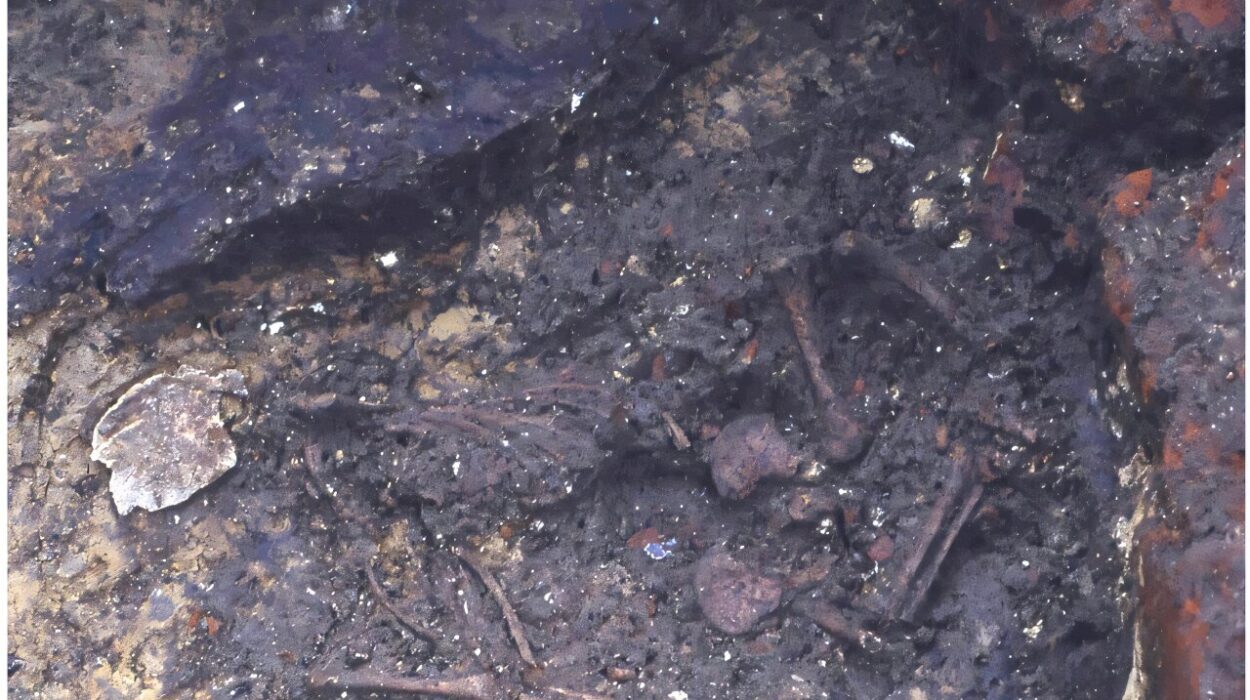
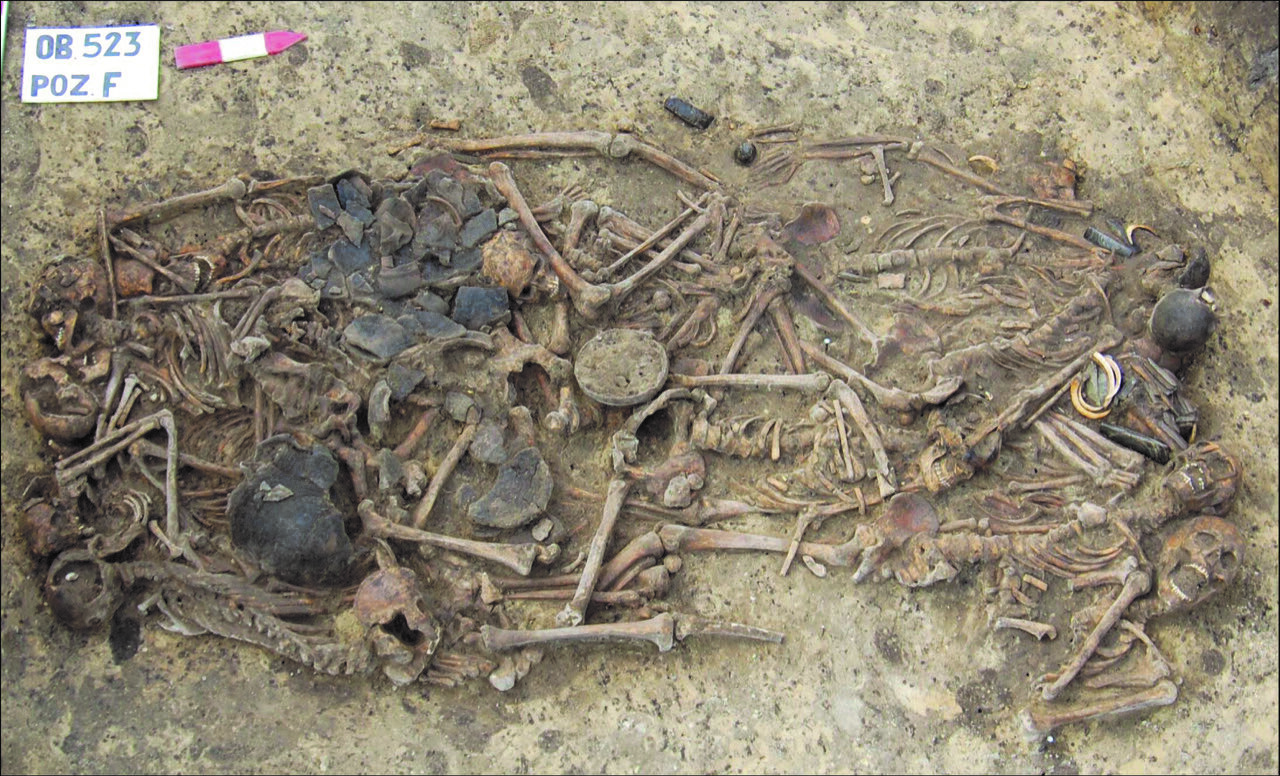
The mass grave was discovered in 2011 near the southern Polish village of Koszyce. The remains belonged to 15 people, including men, women and children who lived around 2880 to 2776 BCE.
Objects found with the bodies indicated that the people were part of the Globular Amphora culture. DNA analysis provided a more detailed picture of how they were related.
The 15 people belonged to four core families. The adult women were not related to each other, suggesting they had originally come from another group. Among the eight men, four were half-brothers, while the others had second-degree genetic relationships.
The pattern of relationships became especially striking when the researchers looked at the ages and sex of the victims.
The victims were not a random group
Most of the men buried at the site were young. Only one had fathered a child, and that child was also among the dead.
The women were generally older than 30, and four were mothers of children buried at the site.
Older men were largely absent from the grave. The researchers suggest this could mean they were away when the massacre took place.
The arrangement of the bodies also provided clues. The way the dead had been placed in the grave suggested to the researchers that some of the men may have returned afterward, found their families dead and buried them.
DNA points to a conflict between groups
The genetic analysis found that all 15 people belonged to the Sphere Amphora culture.
The researchers propose that people associated with the Corded Ware culture may have encountered the Sphere Amphora community while expanding into new territory. They speculate that the two groups may not have known each other beforehand because the victims showed no shared DNA with the Corded Ware population.
The genetic relationships within the grave, together with the ages, sex and positioning of the bodies, therefore point to a violent event that affected several closely connected families at the same time.
The study was published in Proceedings of the National Academy of Sciences.