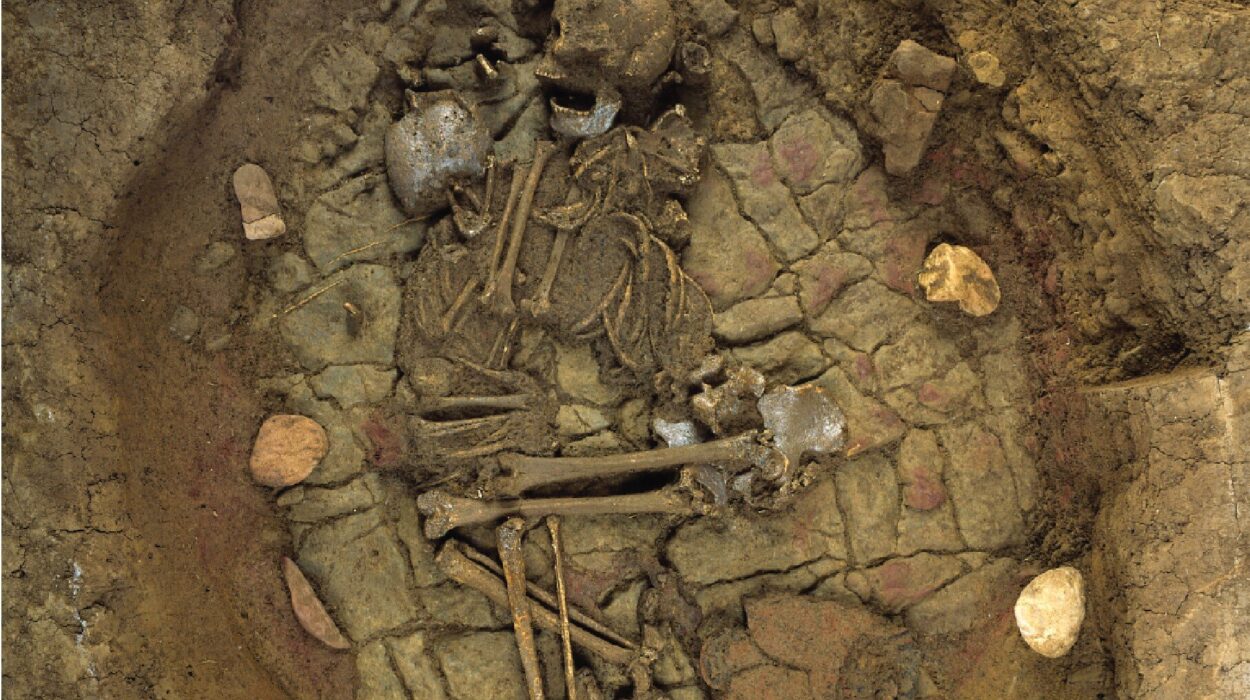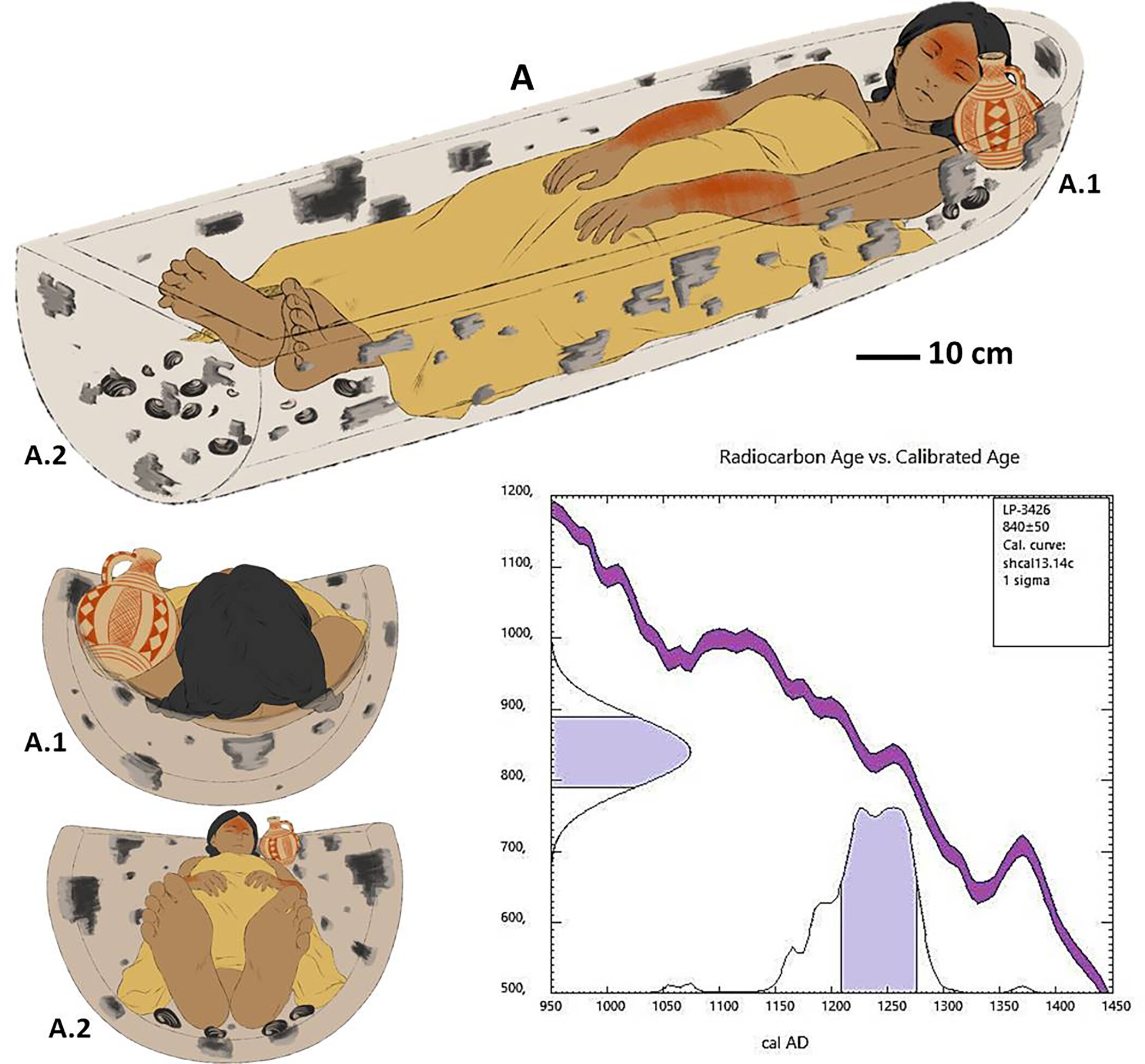
About 800 years ago, a young woman was buried inside a wooden canoe near a lake in what is now western Argentina, marking the first known canoe-type burial found in Argentine Patagonia. The unusual grave also contained a jug, freshwater clams and hundreds of pieces of charred Chilean cedar.
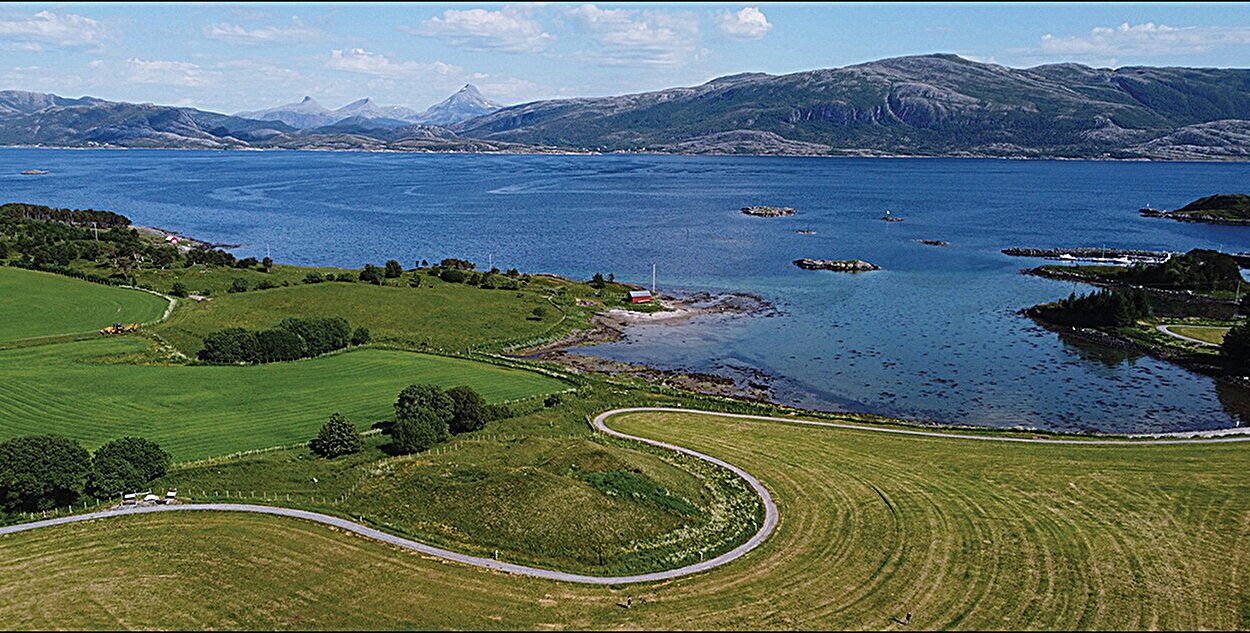
The remains were found at the Newen Antug archaeological site near Lake Lacár. Analysis of bone fragments dated the woman to around 1142 AD, placing her life before the arrival of the Spanish.
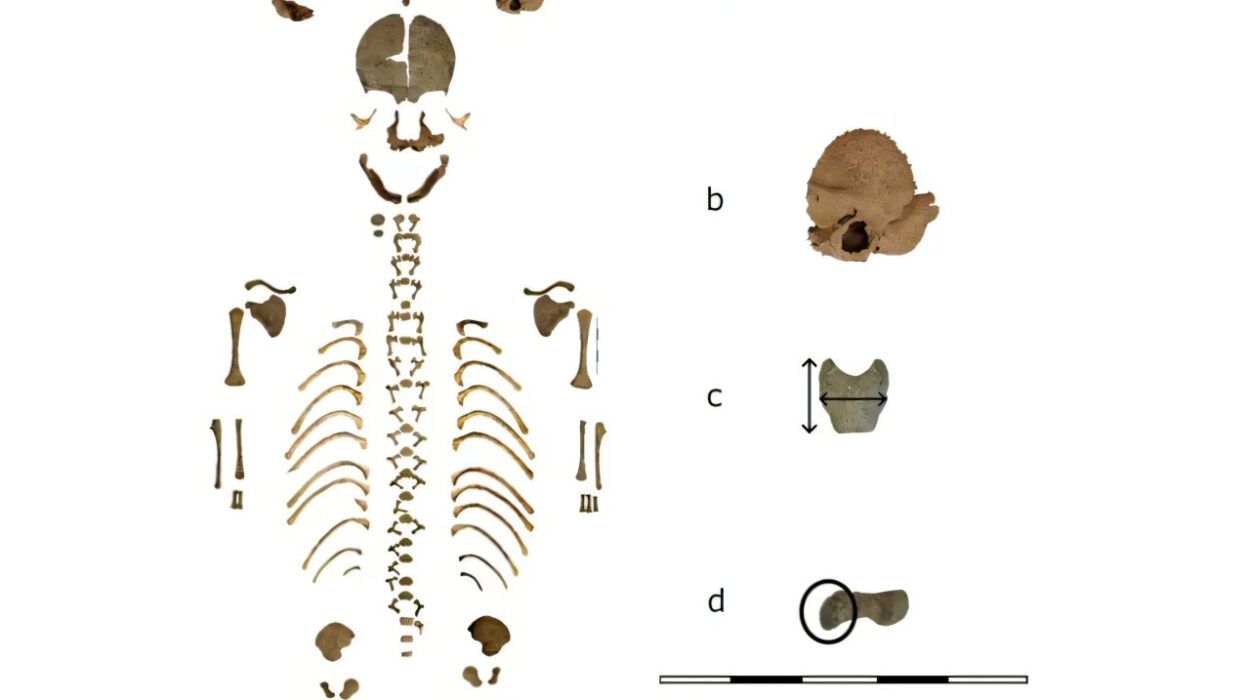
She was between 17 and 25 years old when she died. The researchers could not determine the cause of death.
Her burial contained several details that pointed to deliberate preparation. A jug had been placed beside her head, while signs indicated that she had been laid on a bed of freshwater clams. Her body was positioned in a way that strongly suggested she had first been placed inside a canoe, which served as a coffin before the grave was completed.
Nearly 600 pieces of wood were found around her. They all came from a single Chilean cedar tree, and some of the wood showed evidence of charring.
Evidence of a canoe burial
The wooden fragments provide another clue to how the burial was prepared. Canoes used in the region at the time, known as wampo, were hollowed out with fire.
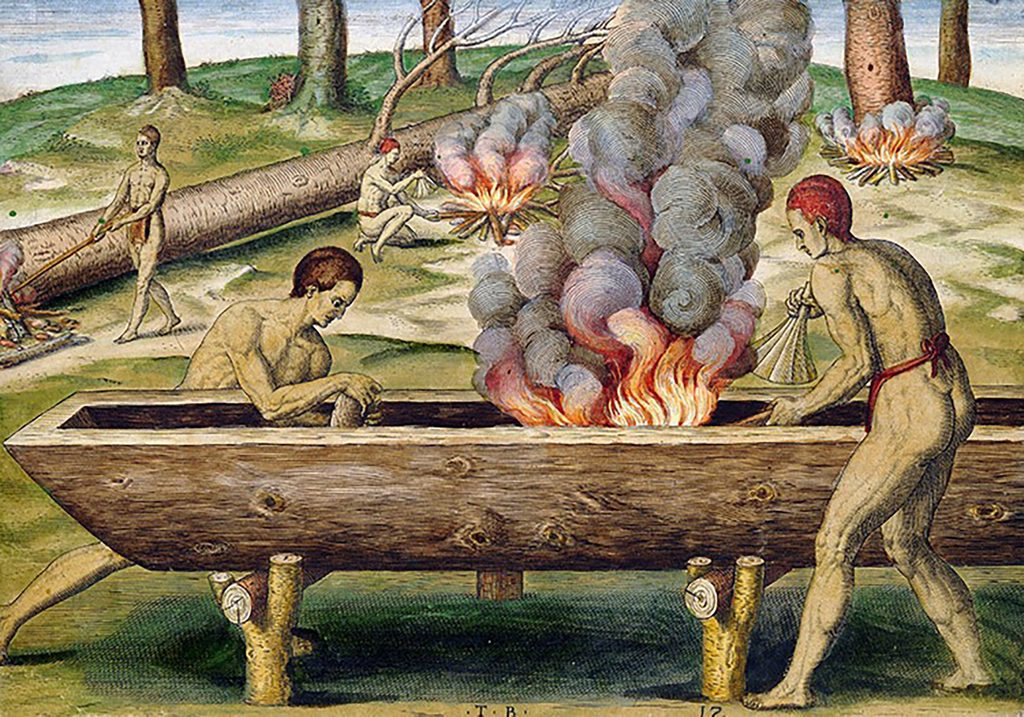
The researchers concluded that the woman’s position and the surrounding evidence were consistent with her having been buried in such a canoe. The jug also appears to have been deliberately placed as part of the burial, rather than being an accidental object left at the site.
Based on the date of the remains, the researchers say the woman was likely associated with the Mapuche culture.
A rare burial practice
Canoe burials are particularly unusual in Argentine Patagonia. This is the first evidence of one found in the region, and previous examples of canoe burials have mostly involved men.
That pattern led the researchers to suggest that the practice may have been more widespread than previously thought.
Earlier research has proposed that canoe burial was part of a ritual associated with a final journey across mystical waters. According to that interpretation, the deceased traveled toward another land called Nomelafken, where they would reside in a place known as the “destination of souls.”
The burial of this young woman provides archaeological evidence that the practice also included at least some women in the region.
The study was published in PLOS ONE.