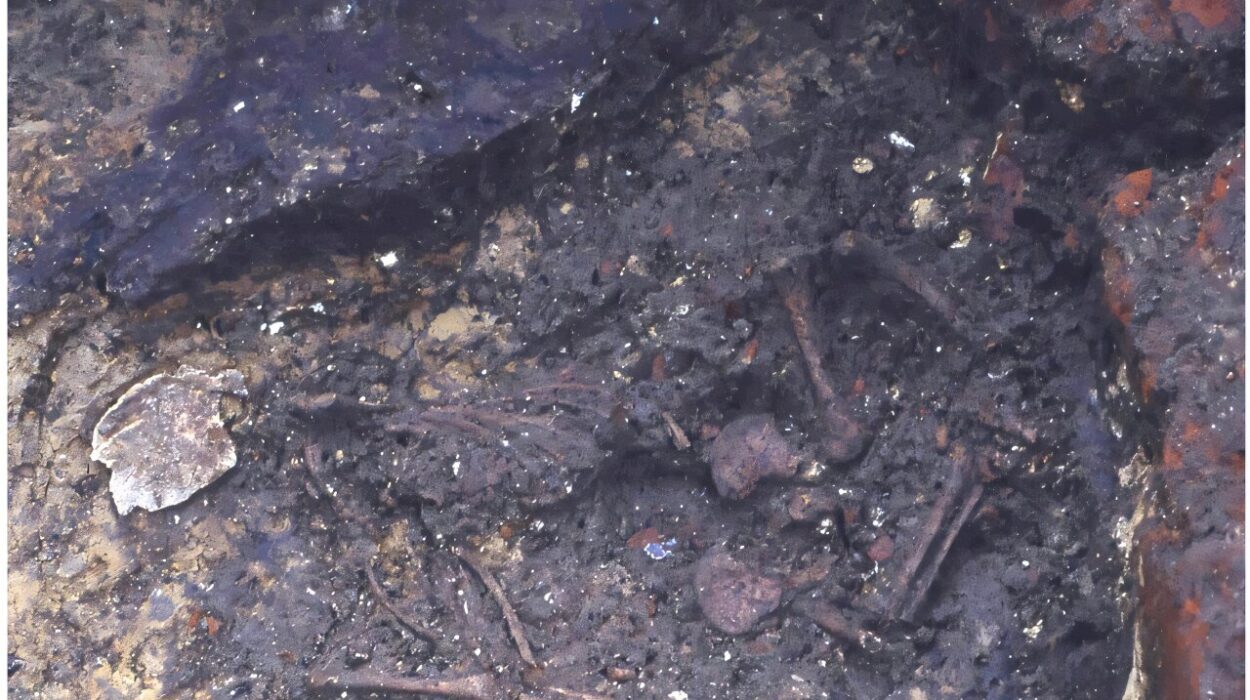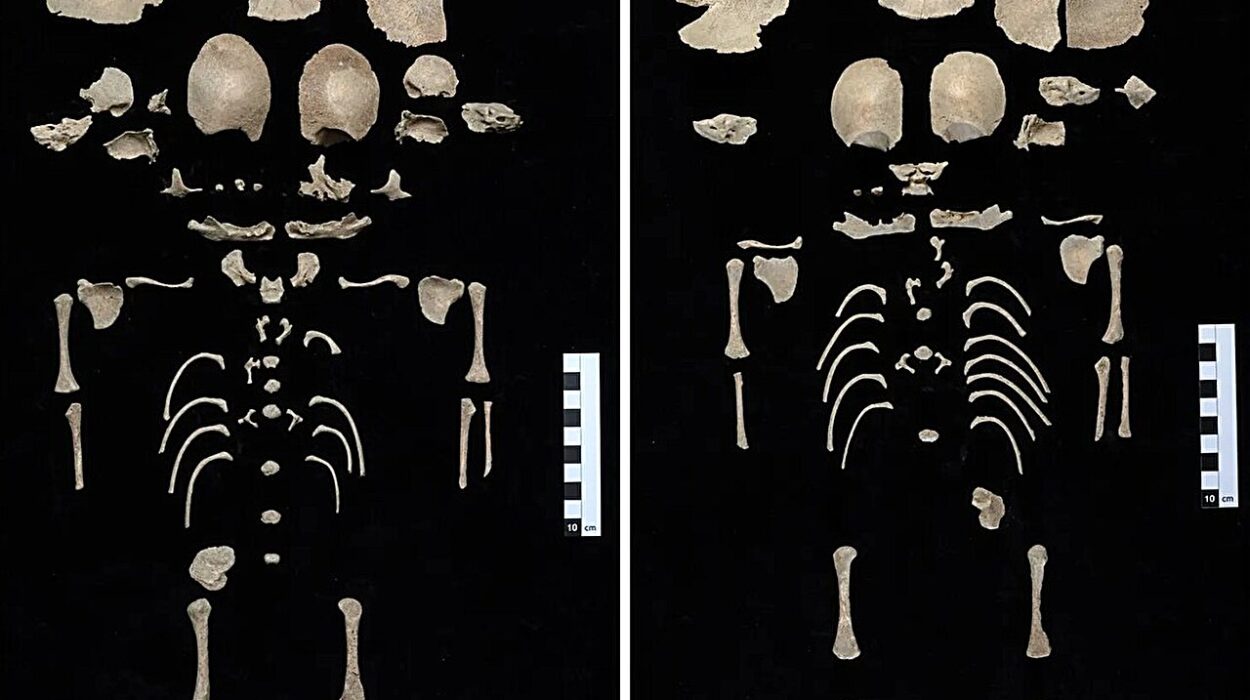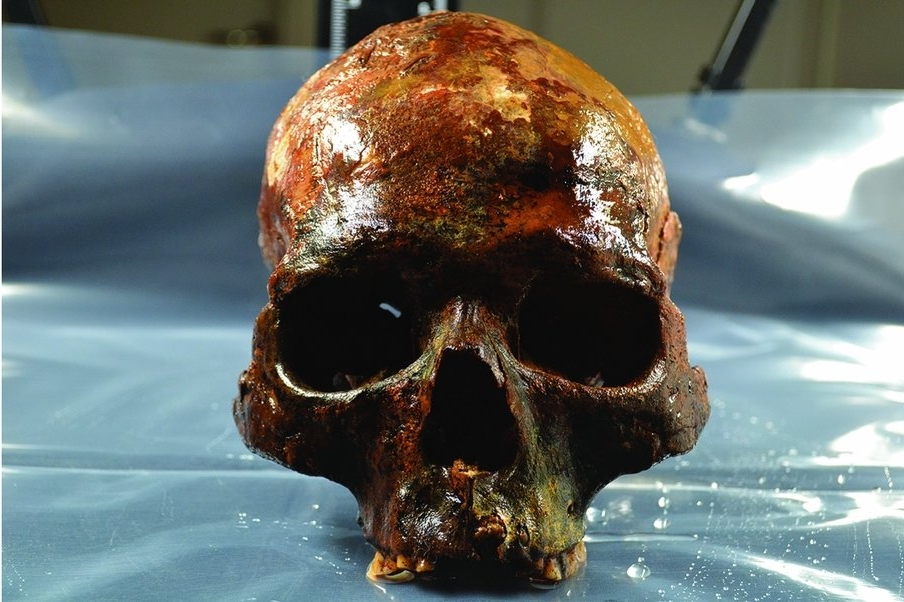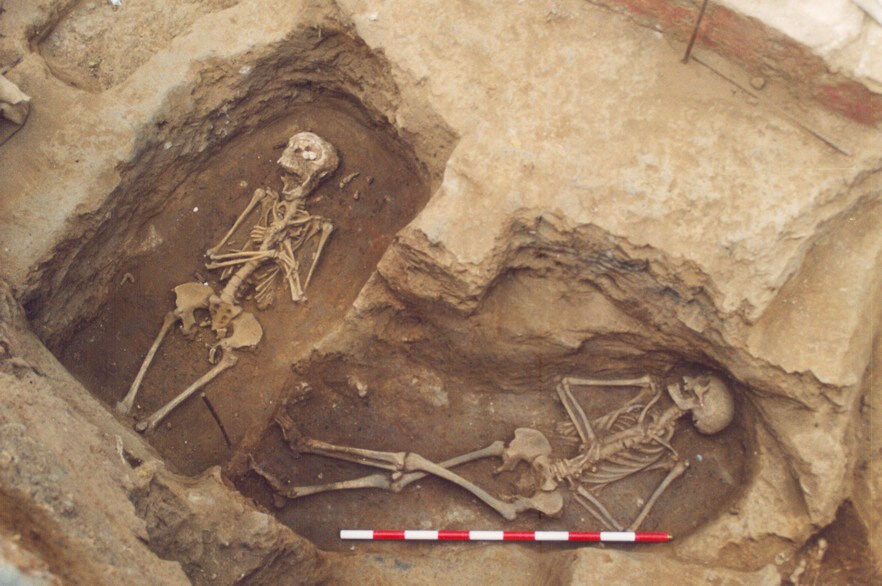
For some people buried outside the ancient Roman city of Barcino, the food placed in their graves appears to have been much like the meat they ate while alive. An analysis of human and animal remains from the Vila de Madrid necropolis in what is now Barcelona, Spain, suggests that funerary meals generally reflected the deceased person’s everyday diet rather than being made up of special or unusually high-quality meat.
During the Roman Empire, funeral practices included rules governing how the dead were buried. One requirement called for an animal, or part of one, to be sacrificed and placed in the grave with the deceased, regardless of the person’s age, gender or social status.
Researchers examined 41 people buried at Vila de Madrid along with the remains of 50 animals found in the graves. They expected the meat associated with the burials to have distinctive qualities because it was intended for the deceased as part of the journey into the afterlife.
The remains did not support that expectation.
Instead, the meat placed in the graves was generally similar in type and quality to the meat the deceased had eaten during life.
The evidence came from bones and teeth
To reconstruct aspects of the people’s diets, the researchers examined their bones and teeth. They then compared that evidence with the animal remains found alongside them.
The comparison indicated that diet varied with social status. People who were better off tended to have eaten better-quality food and had more expensive types of meat placed in their graves.
But the broader pattern was that the food associated with burial did not differ greatly from what the person had eaten before death.
In other words, the funerary meal generally followed the person’s existing diet rather than representing a major change in the kind of meat provided after death.
Some burials did not follow the pattern
The researchers also found exceptions. Some graves contained no animal bones at all, while two individuals appeared to have had diets that were radically different from those of the other people examined.
Those cases leave questions about how consistently the burial practice was followed at Vila de Madrid.
The researchers plan to continue examining the burials to learn more about how funerals were conducted at the necropolis.
The study was published in PLOS ONE.