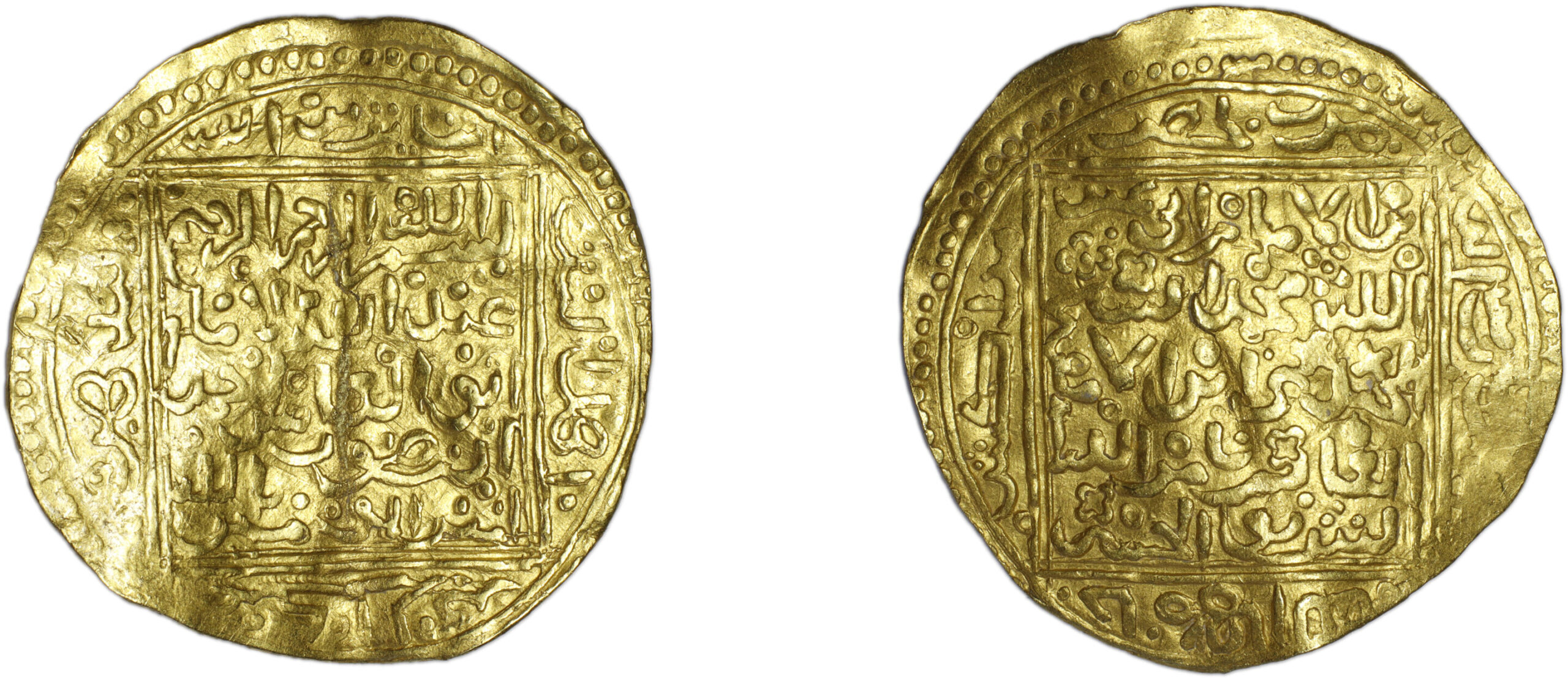
For nearly 30 years, a wreck found off Devon has carried a mystery beneath the sea. Now researchers have identified it as the Dutch trading ship Dom van Keulen, which sank in 1633 while carrying North African goods and thousands of Moroccan gold coins.
The Dom van Keulen left Morocco for the Netherlands in autumn 1633. Documents uncovered by independent historian Ian Friel in the National Archives describe a voyage marked by severe weather. The ship developed a leak and eventually sank near Salcombe, on the south coast of England.
Everyone aboard survived.
The identification follows almost three decades of work by divers and researchers from the British Museum, Bournemouth University and the South West Maritime Archaeology Group. Friel’s archival research connected the wreck to the documented voyage.
Gold coins helped raise questions about the wreck
The ship was carrying a large and varied cargo. It included 150 bags of gum arabic, 64 bags of saltpeter, 320 goat skins and 9,000 Barbary ducats, Moroccan gold coins.
Most of the cargo is thought to have been recovered when the ship sank. But more than 400 coins remained on the seabed until divers from the South West Maritime Archaeology Group found them in 1995.
The coins came from the Barbary Coast, an area recognized today as Morocco. During the 16th and 17th centuries, Dutch merchants traded manufactured goods for highly valued West African gold. Imported ducats were also melted down to make Dutch gold coins, which became widely accepted for international trade.
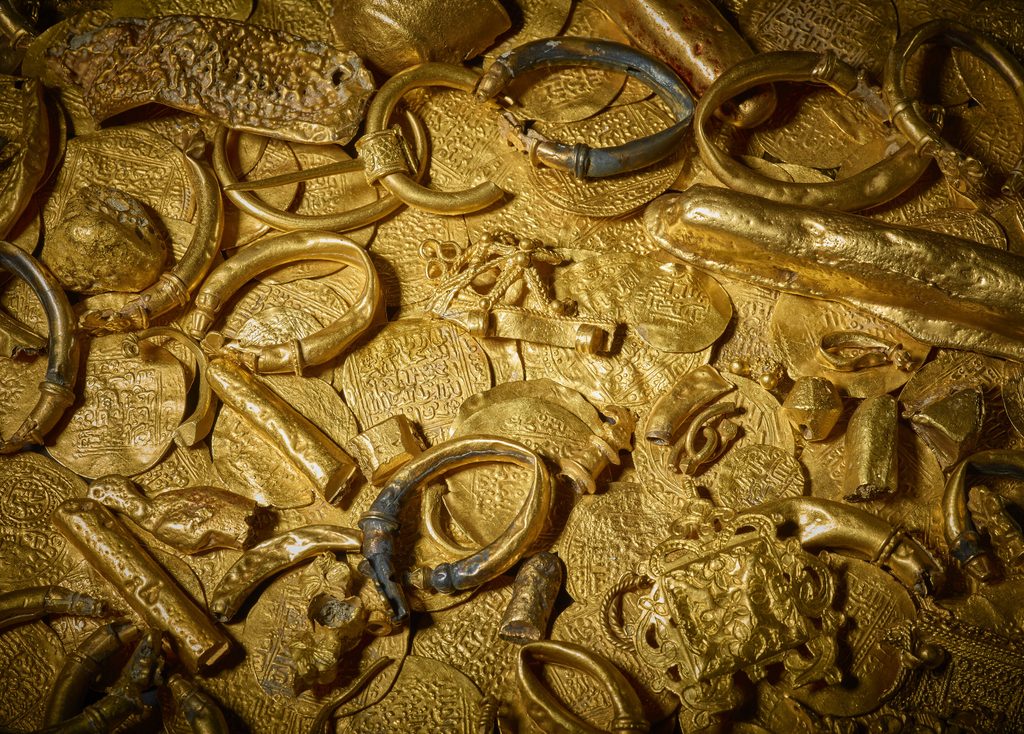
The coins and other objects recovered from the wreck are now on display at the British Museum. The collection includes a pewter bowl and spoon, gold jewelry, pottery, a stamp seal, a fish-shaped sounding weight and a gold finger nugget.
The ship itself remains difficult to picture
Although the wreck has now been identified, little is known about what the Dom van Keulen looked like or how large it was. No known paintings of the vessel have been found.
The wreck site is about 30 meters, or 98 feet, long and lies roughly 18 meters, or 59 feet, below the surface. Cannons and anchors are among the material found there, along with smaller pieces of cargo.
The research also places the wreck within the history of the Sa’dian Sharifs, the Arab Sharifian dynasty that ruled Morocco during the period when the ship’s crew would have been trading there.
The wreck is protected
The identification brings together archaeological evidence from the seabed with historical records of the ship’s voyage. The findings provide evidence of maritime trade linking Morocco, the Low Countries and Britain during the 17th century.
The wreck site is protected under the Protection of Wrecks Act 1973 and is managed by Historic England. Diving there is restricted to people with a license granted by the secretary of state at the Department for Culture, Media and Sport.
The site is also monitored by the National Coastwatch Institution’s Prawle Point station. Devon & Cornwall Police’s marine unit conducts regular patrols nearby as part of Operation Birdie, a national effort targeting illegal interference with historic wreck sites.