Tiny fragments once overlooked in a Romanian cave have provided the first evidence that Neanderthals used bone tools in the country, with microscopic wear marks indicating that the pieces were used for tasks including sharpening, scraping and wedging.
The tools came from Abri 122/1200, a cave in Romania’s Vârghiș Gorges that was occupied by people during the Middle Paleolithic, from about 230,000 to 60,000 years ago.
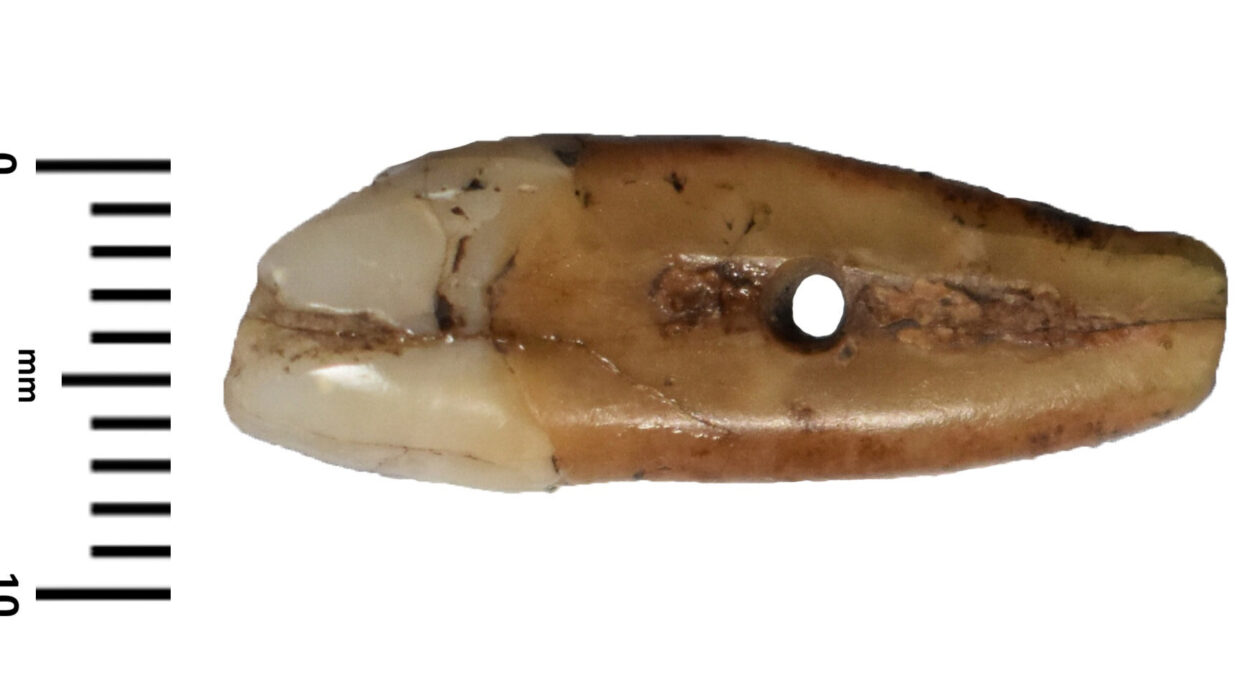
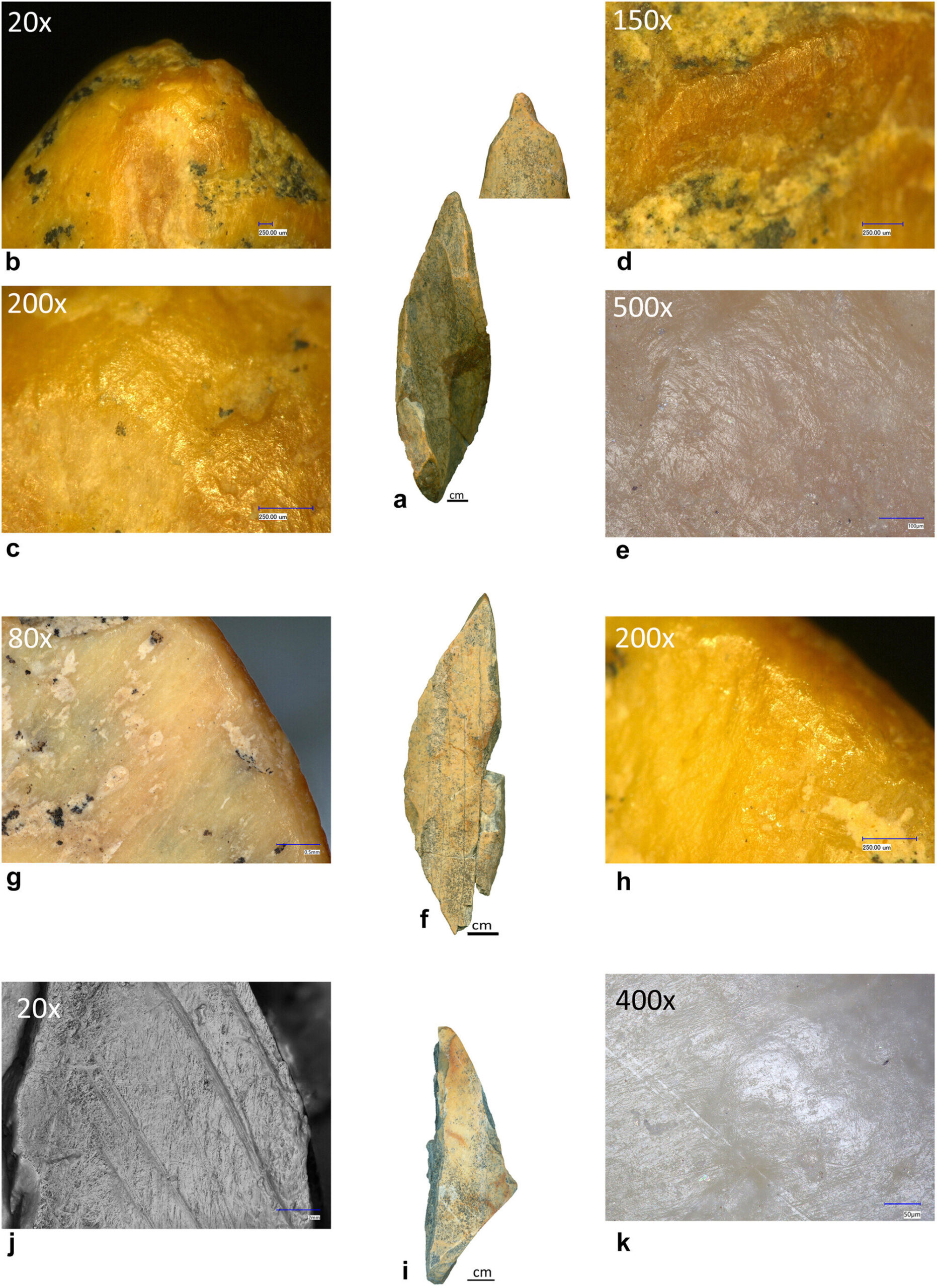
Researchers examined more than 10,000 bones from the cave. Only 83 had unmistakable signs of human handling. Some had tiny scratches, rounded edges or polished surfaces consistent with use as tools.
The team classified the pieces according to their apparent uses. Some had been used to sharpen stone tools, while others were used to work hides and plants. Others had wedge-like forms that could have been used to split materials. Two pieces were used as hammers, and some appear to have served more than one purpose.
The finding fills a gap in the archaeological record. Bone tools have been identified at Neanderthal sites from the Altai Mountains to the Atlantic coast, but definitive examples had not previously been found in Romania’s Carpathian region.
Smaller bones may have been easy to miss
The absence of bone tools from Romania had been difficult to explain. Neanderthals at Abri 122/1200 made stone tools and hunted large animals, including woolly rhinos and bison. Excavations at the site included work in 2014 by Marian Cosac and George Murătoreanu of Valahia University of Târgoviște.
Stefan Vasile, a lecturer at the University of Bucharest, suggested that earlier excavations may have overlooked the evidence without implying that previous archaeologists had used poor methods.
“I don’t mean to be overly critical of the methods used in the past by archaeologists,” Vasile said. “But many times, only the larger or more complete bones were recovered.”
The newly identified tools were small fragments. That made them less likely to be recognized or retained during earlier work.
Microscopes helped distinguish tools from broken bones
The researchers looked closely at individual bone fragments for microscopic traces associated with use. They then made their own bone tools and reproduced the kinds of actions they thought the ancient tools had performed.
The experimental tools were examined under a microscope and compared with the ancient fragments. This allowed the researchers to assess whether the marks on the archaeological pieces matched traces produced through use.
The resulting evidence points to what the study describes as expedient tools. These were pieces selected for immediate use rather than objects made as part of a standardized toolkit.
Vasile said the small bone tools and the range of activities they supported provide evidence of “a distinct ingenuity and inventiveness” and of a complexity in Neanderthal thought that many people still find difficult to accept.
The researchers are looking for Neanderthal remains
No Neanderthal remains have yet been found at Abri 122/1200 despite years of excavation. The team is now testing the cave’s soil for Neanderthal DNA and sending bones for further analysis.
Vasile said the large number of fragments makes the search difficult. “With so many fragments, it is like looking for the needle in the haystack,” he said.
He remains hopeful that Neanderthal bones will eventually be identified at the site.
The study was published in the Journal of Quaternary Science.