At a Roman-era burial site in what is now southwestern Turkey, people cremated their dead where they were buried and surrounded the remains with deliberately bent nails before sealing the grave with lime and brick. Archaeologists say the unusual arrangement may reflect fears that the dead could somehow return or retaliate.
The evidence comes from Sagalassos, a site occupied by the Romans and known for its Roman-style architecture, including a theater and bath complex. Archaeologists from KU Leuven and the Royal Belgian Institute of Natural Sciences found the cremation remains while working on the outskirts of the site as part of the Sagalassos Archaeological Research Project.
The artifacts date to about AD 100 to 150, during the early Roman Empire era.
What caught the researchers’ attention was not simply that the dead had been cremated, but how the cremation and burial had been carried out.
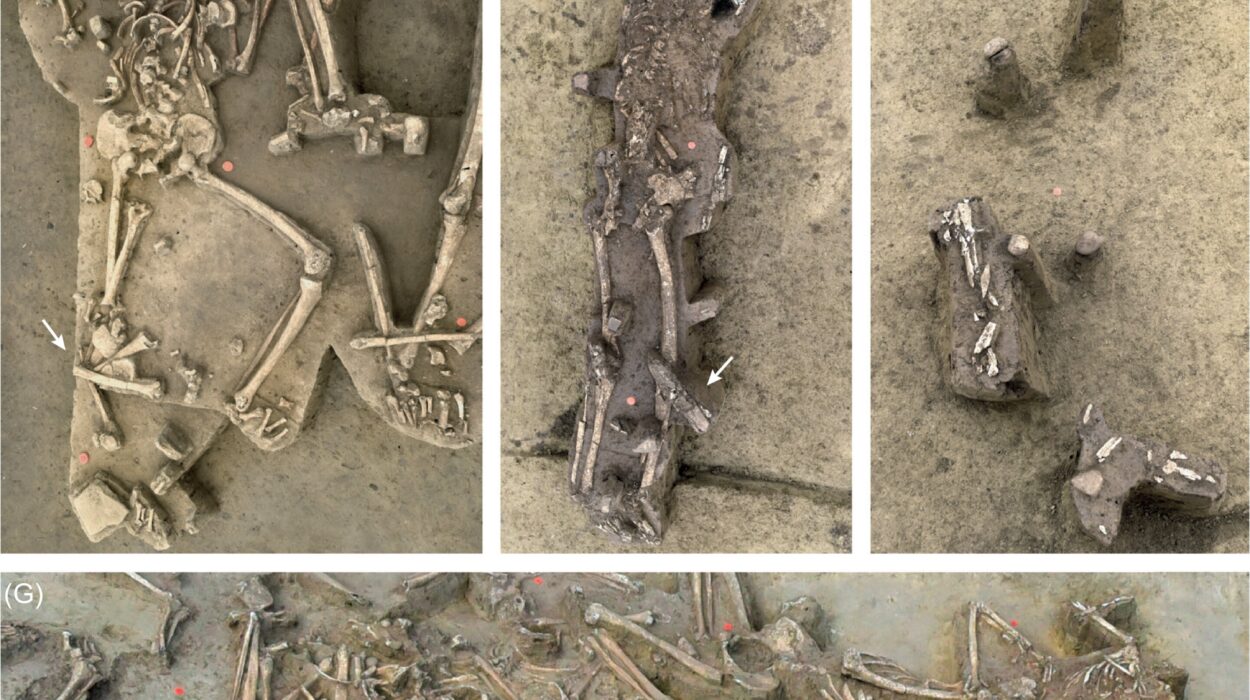
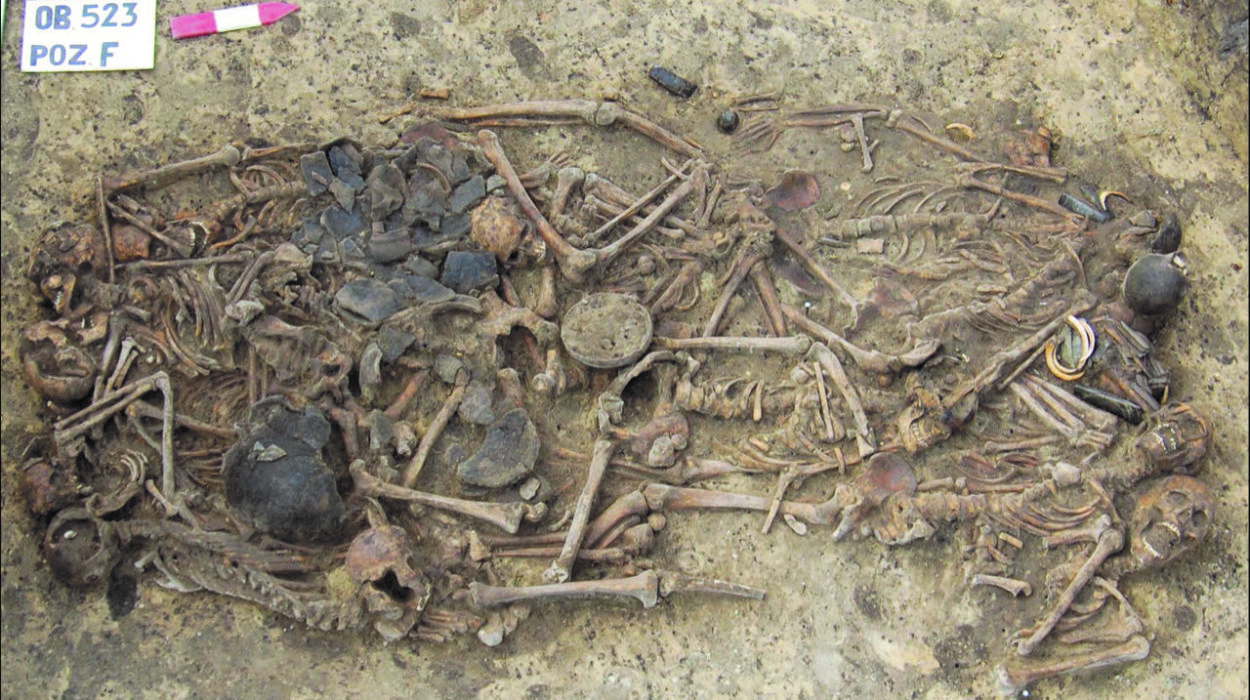
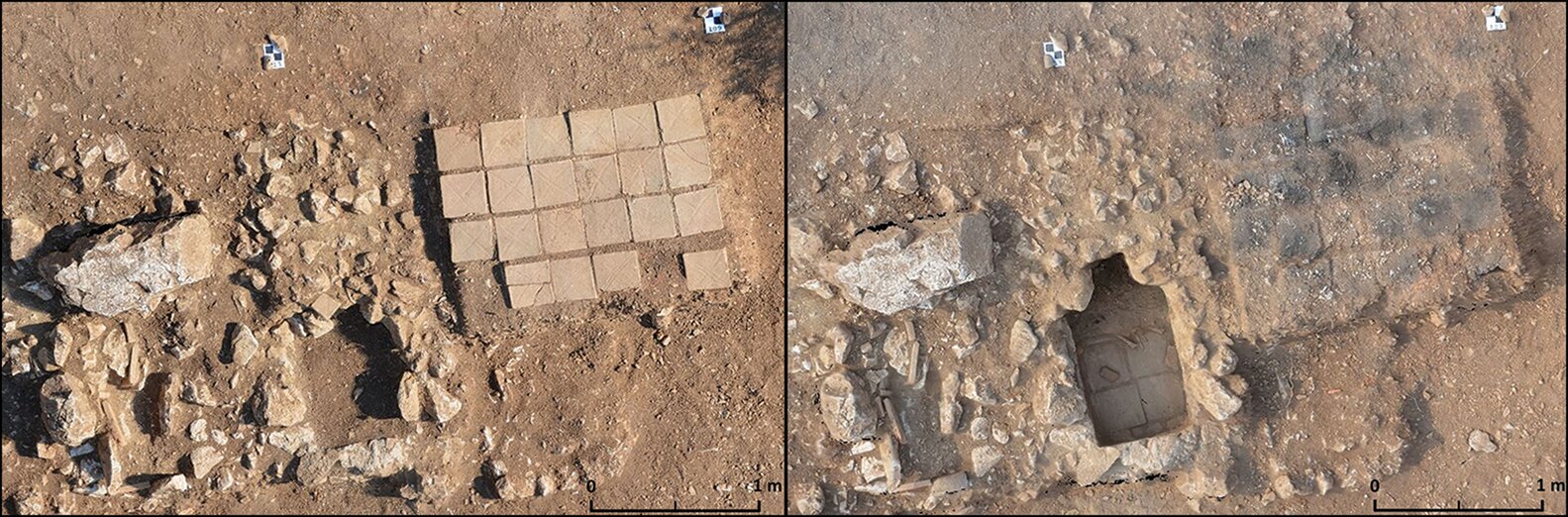
At many Roman-era cremation sites, a body was burned on a funeral pyre. The remains were then collected and moved to another place for burial. At Sagalassos, however, the cremation appears to have happened directly at the burial location.
That meant the burned bones and ashes did not have to be gathered and transported elsewhere.
Bent nails surrounded the remains
The burial also contained objects that were unusual for cremation sites of the period. Among them were nails that had been intentionally bent.
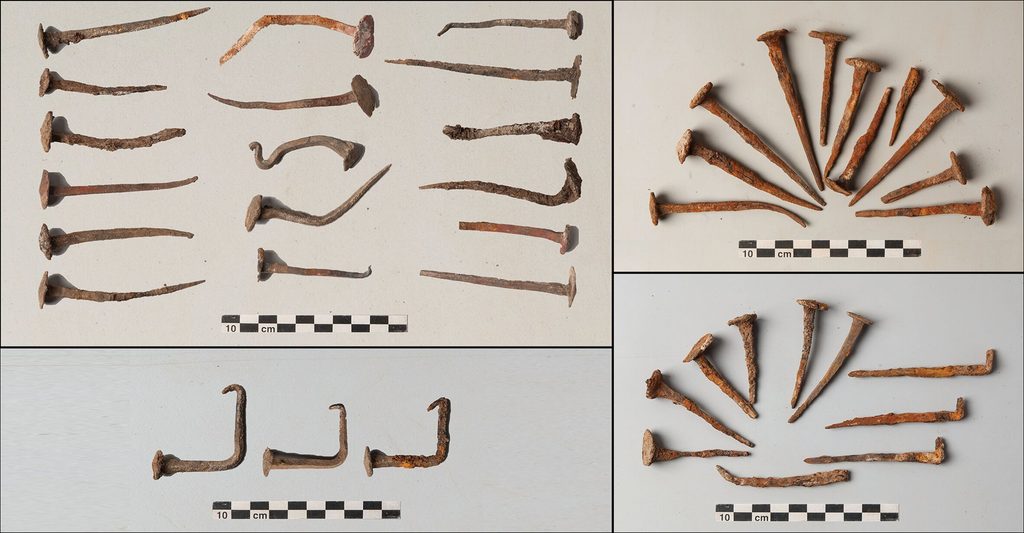
The nails were arranged around the charred bones and ashes, forming a complete surrounding barrier. The researchers suggest that they may have served as a kind of “magic barrier.”
The grave itself had another unusual feature. Rather than being left in the way commonly seen at other cremation sites, it was covered with lime and brick.
The researchers interpret these details together as evidence of a distinctive set of burial practices.
The burial may have been intended to keep the dead contained
The archaeological evidence suggests that the people carrying out these burials may have been concerned that the deceased could escape from the grave.
The researchers propose that the unusual rites were intended to prevent this from happening. The people responsible for the burial may have feared some form of retaliation from the dead and used several measures to keep the deceased safely in the ground.
In this interpretation, the lime was not simply a decorative or aesthetic feature. It appears to have been used as part of the effort to keep the person, or their spirit, from escaping.
The combination of in-place cremation, bent nails surrounding the remains, and a covering of lime and brick therefore points to a burial practice that differed from other Roman-era cremation traditions examined by the researchers.
The study was published in Antiquity.