Long before iron smelting became common, some of the most distinctive iron objects in Bronze Age Greece were finger rings made from metal that had fallen from the sky. A new analysis suggests these meteoritic iron rings were associated with elite burials and that their use faded as smelted iron began to spread.
Whether Bronze Age Greeks used meteoritic iron has been difficult to establish. Earlier testing of iron artifacts in Greece was limited because some analytical methods could damage rare museum specimens.
Researchers were able to examine the question using newer handheld X-ray instruments that can measure the chemical composition of metal without damaging the objects. The team examined 91 Bronze Age and Early Iron Age iron objects from 33 archaeological sites, held in 19 museums.
The key clue was nickel. Iron from meteorites contains high amounts of nickel, so objects with elevated nickel levels could be identified as possible examples of meteoritic iron.
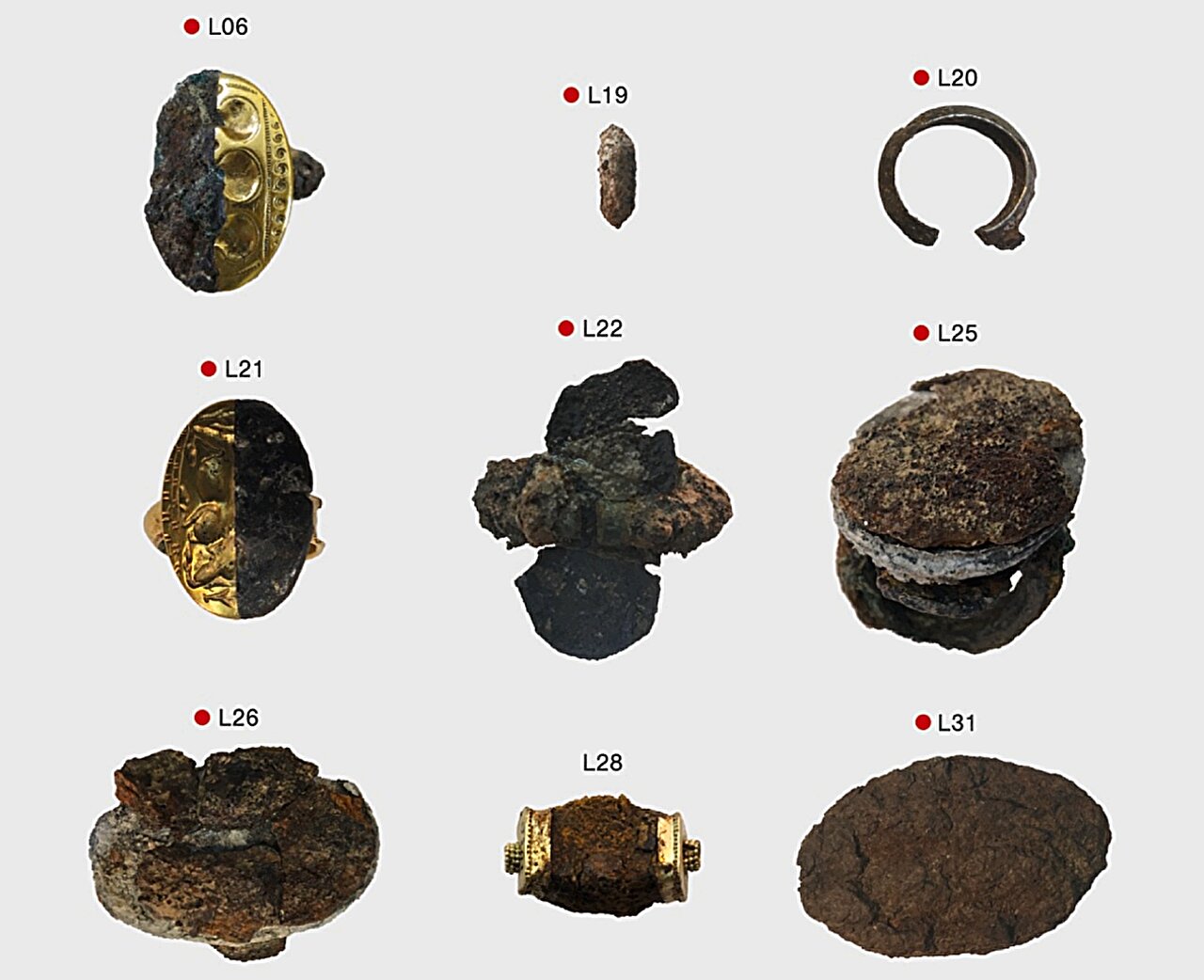
Thirteen of the 91 objects contained enough nickel to have come from meteorites. The researchers considered 10 of them very likely to have been made from meteoritic iron, while three were classified as possible examples that require additional testing.
The objects included tools, weapons, jewelry and other ornaments. But among the objects examined, only finger rings were identified as being made from meteoritic iron.
The rings were linked to elite burials
The meteoritic iron rings were not simply isolated metal objects. Most were found in tombs containing other valuable items, and the rings were made in combination with gold, silver or bronze.
That combination led the researchers to interpret the rings as symbols of status and power. Most of the nickel-bearing rings came from richly furnished tholos and chamber tombs, including contexts possibly connected with palatial settings at Mycenae, Vapheio or Kakovatos.
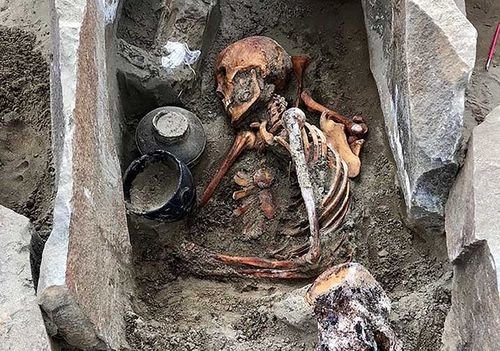
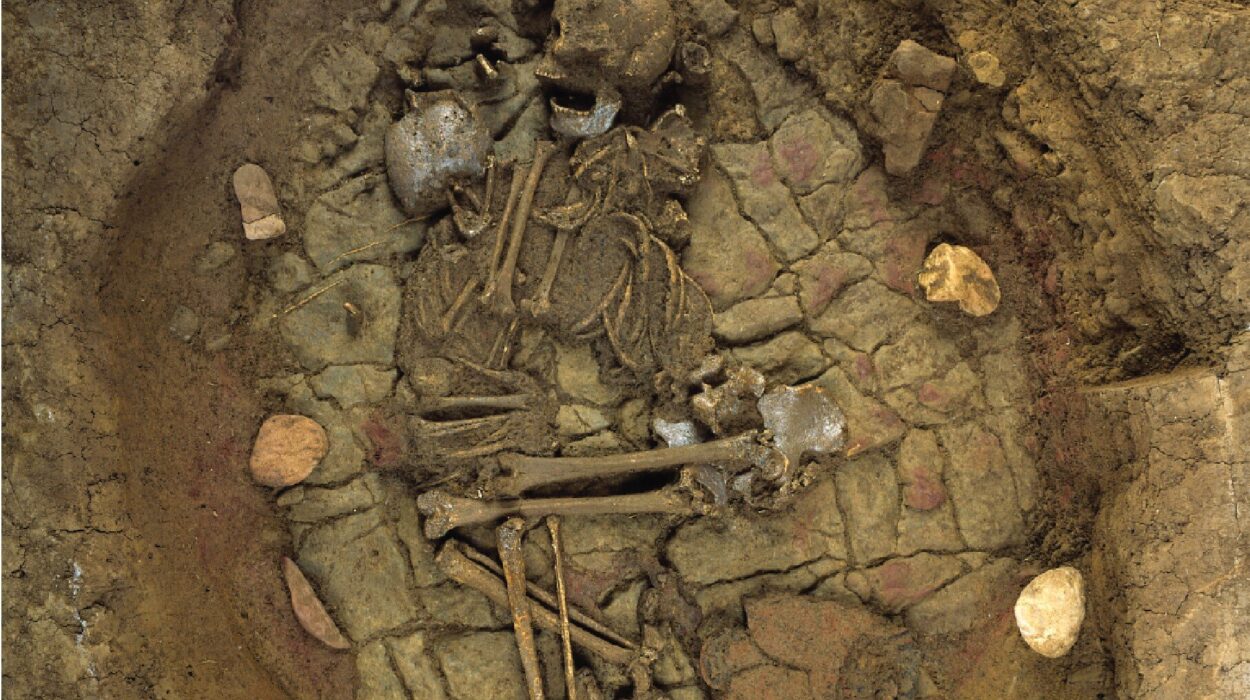
One ring came from a different but still distinguished setting. The Anemospilia ring was found on the finger of a man whom excavators interpreted as a high-ranking priest.
The findings therefore connect meteoritic iron in Bronze Age Greece mainly with rings found in contexts associated with people of high social standing.
The meteorite metal may have been imported
There is no direct evidence showing where the meteorites themselves came from.
Meteorites containing iron are rarely found in Greece because the local climate can damage exposed iron. In more arid regions such as Egypt, they are more likely to survive and be found.
Based on this difference, the researchers suggest that iron meteorites used in Greece were probably imported as raw material from Egypt. But the study does not establish the original locations of the meteorites directly.
Meteoritic iron use faded as smelting spread
The timing of the rings provides another important part of the story. Twelve of the 13 nickel-rich rings date to the Late Bronze Age. The remaining one dates to a different period.
Later rings were also included among the objects examined, but none had the high nickel content expected for meteoritic iron. The researchers therefore conclude that the use of meteoritic iron for rings flourished during the Late Bronze Age and then disappeared before or around the collapse of the Mycenaean palace system.
That decline occurred around the same broad period when iron smelting began to emerge.
The analysis identified 78 iron objects from the Bronze Age and Early Iron Age that could be firmly assigned a smelted origin. The earliest undisputed examples were a pendant from Dendra and a ring from Skoura, both dating to the 14th–13th century BCE.
Those two objects are also the only examples in the study that provide evidence for smelted and meteoritic iron being used at the same time.
The researchers found that the use of smelted iron began to expand after the fall of the palaces, roughly during the 12th and 11th centuries BCE. They describe this development as occurring later than in the Near East.
The study was published in the Journal of Archaeological Science.