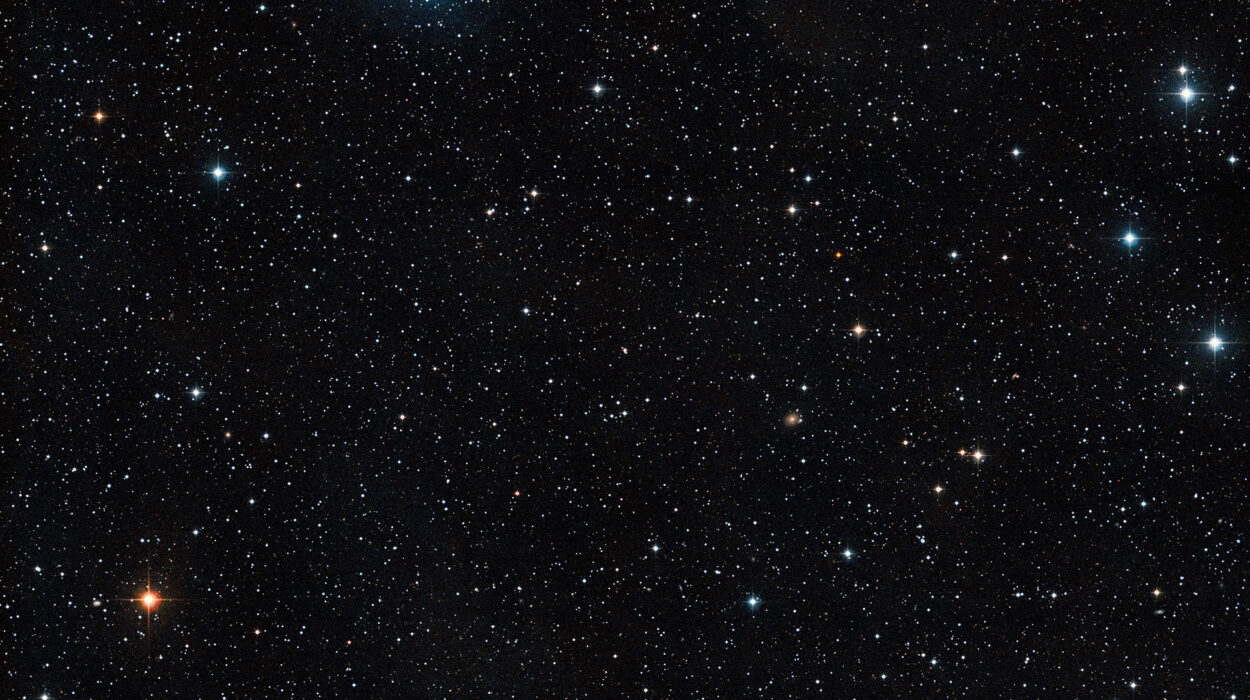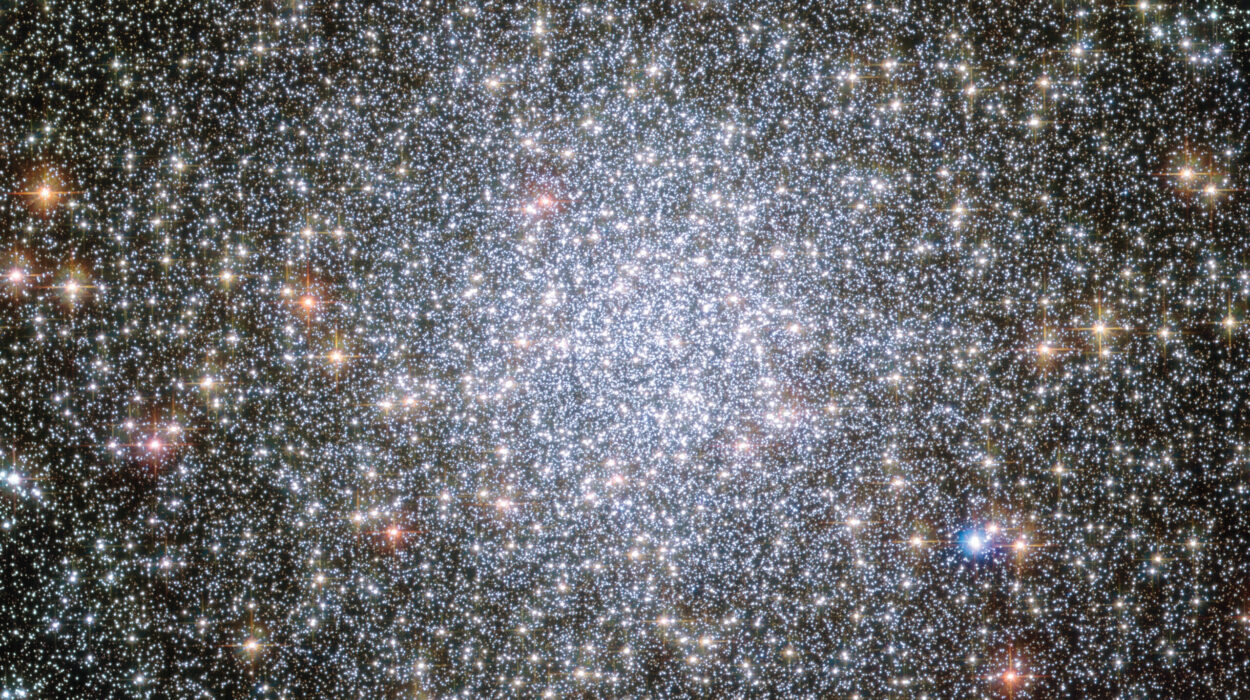
When you look up at the night sky, the stars appear close enough to count. They seem like tiny points of light scattered across a dark canvas, quietly shining above us. Yet this beautiful view hides an astonishing truth: those stars are unimaginably far away. The light reaching your eyes tonight may have begun its journey years, centuries, or even thousands of years ago. To describe these enormous distances, astronomers use a special unit called the light-year.
Although the name might suggest that it measures time, a light-year is actually a unit of distance. It helps scientists describe the vast scale of the universe in a way that ordinary units like kilometers or miles simply cannot.
Understanding what a light-year is opens the door to appreciating just how immense the universe truly is.
What Does “Light-Year” Mean?
A light-year is the distance that light travels through the vacuum of space in one year.
Light is the fastest thing known to science. It travels at a speed of exactly 299,792,458 meters per second, which is about 300,000 kilometers (186,000 miles) every second.
At that incredible speed, light can travel around Earth’s equator more than seven times in just one second.
Because light moves so quickly, it covers an enormous distance over the course of an entire year. That distance is called one light-year.
One light-year equals approximately:
9.46 trillion kilometers
5.88 trillion miles
9.46 × 10¹² kilometers
These numbers are so large that writing them out in everyday conversation would be impractical. Using light-years makes discussing the universe much simpler.
A Light-Year Measures Distance, Not Time
One of the most common misunderstandings is believing that a light-year is a measure of time because it contains the word “year.”
In reality, the word “year” simply tells us how long light has been traveling. The light-year itself is a measurement of how far the light travels during that time.
Think of it this way.
If someone says a city is “a two-hour drive away,” they are describing a distance using travel time. Similarly, astronomers describe enormous distances using the travel time of light.
So, a light-year tells us how far away something is—not how old it is or how long it exists.
Why Do Astronomers Use Light-Years?
Space is unimaginably vast.
The average distance between planets, stars, and galaxies is so enormous that kilometers become inconvenient.
For example, writing the distance to a nearby star as 40,000,000,000,000 kilometers is cumbersome.
Instead, astronomers simply say it is about 4.2 light-years away.
Using light-years makes astronomical distances easier to understand, compare, and communicate.
Without this unit, discussions about the universe would involve numbers with many zeros, making them difficult to read and remember.
How Far Does Light Travel in One Second?
To appreciate the meaning of a light-year, it helps to first understand how quickly light moves.
In just one second, light travels nearly 300,000 kilometers.
That is fast enough to circle Earth more than seven times in a single second.
Light travels from Earth to the Moon in about 1.3 seconds.
It takes sunlight roughly 8 minutes and 20 seconds to reach Earth.
By comparison, airplanes, cars, and even rockets move incredibly slowly.
A commercial airplane might travel around 900 kilometers per hour, while light covers more than one billion kilometers in a single hour.
This enormous difference explains why light can cross vast regions of space that would take spacecraft thousands or even millions of years to reach.
How Long Does Light Take to Reach Earth?
Everything we see in the universe is seen because light has traveled from that object to our eyes or our telescopes.
The Sun is about 150 million kilometers from Earth, yet sunlight reaches us in only about 8 minutes.
If the Sun suddenly disappeared—a purely hypothetical scenario—we would not know immediately. Earth would continue receiving sunlight for about eight more minutes because that light would already be on its way.
This delay occurs because even light, despite being incredibly fast, requires time to travel across space.
The farther away an object is, the longer its light takes to reach us.
Looking Into the Past
One of the most fascinating consequences of light travel is that looking into space is also looking into the past.
When you see the Moon, you are seeing it as it appeared about 1.3 seconds ago.
When you look at the Sun, you see it as it was roughly 8 minutes ago.
When astronomers observe a star located 100 light-years away, they see that star as it existed 100 years ago.
If a galaxy is one million light-years away, its light began traveling toward us one million years before it reached Earth.
This means telescopes function as natural time machines. They allow astronomers to study the history of the universe by collecting ancient light.
The farther telescopes look into space, the farther back in time they can observe.
The Nearest Star Beyond the Sun
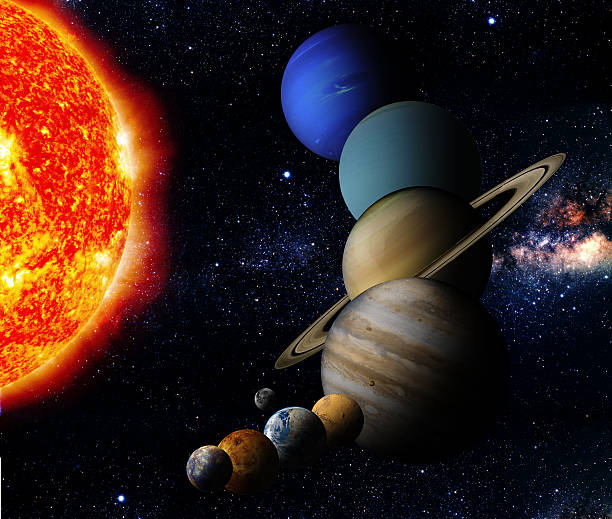
The closest star to our Solar System, after the Sun, is Proxima Centauri.
It is located approximately 4.24 light-years away.
This means the light reaching Earth today left Proxima Centauri more than four years ago.
If humans could somehow travel at the speed of light—which, according to current physics, is impossible for objects with mass—it would still take more than four years to reach this neighboring star.
Using today’s fastest spacecraft, the journey would require tens of thousands of years.
This comparison highlights how enormous even the distances between nearby stars truly are.
Light-Years Across Our Galaxy
Our home galaxy, the Milky Way, is immense.
It spans roughly 100,000 light-years from one side to the other.
If someone could somehow travel at the speed of light, crossing the Milky Way would still require about 100,000 years.
Our Solar System is located about 27,000 light-years from the galaxy’s center.
Every star visible in the night sky belongs to this single galaxy.
Although it appears crowded with stars, the distances separating them are extraordinarily large.
Light-Years Between Galaxies
The universe extends far beyond the Milky Way.
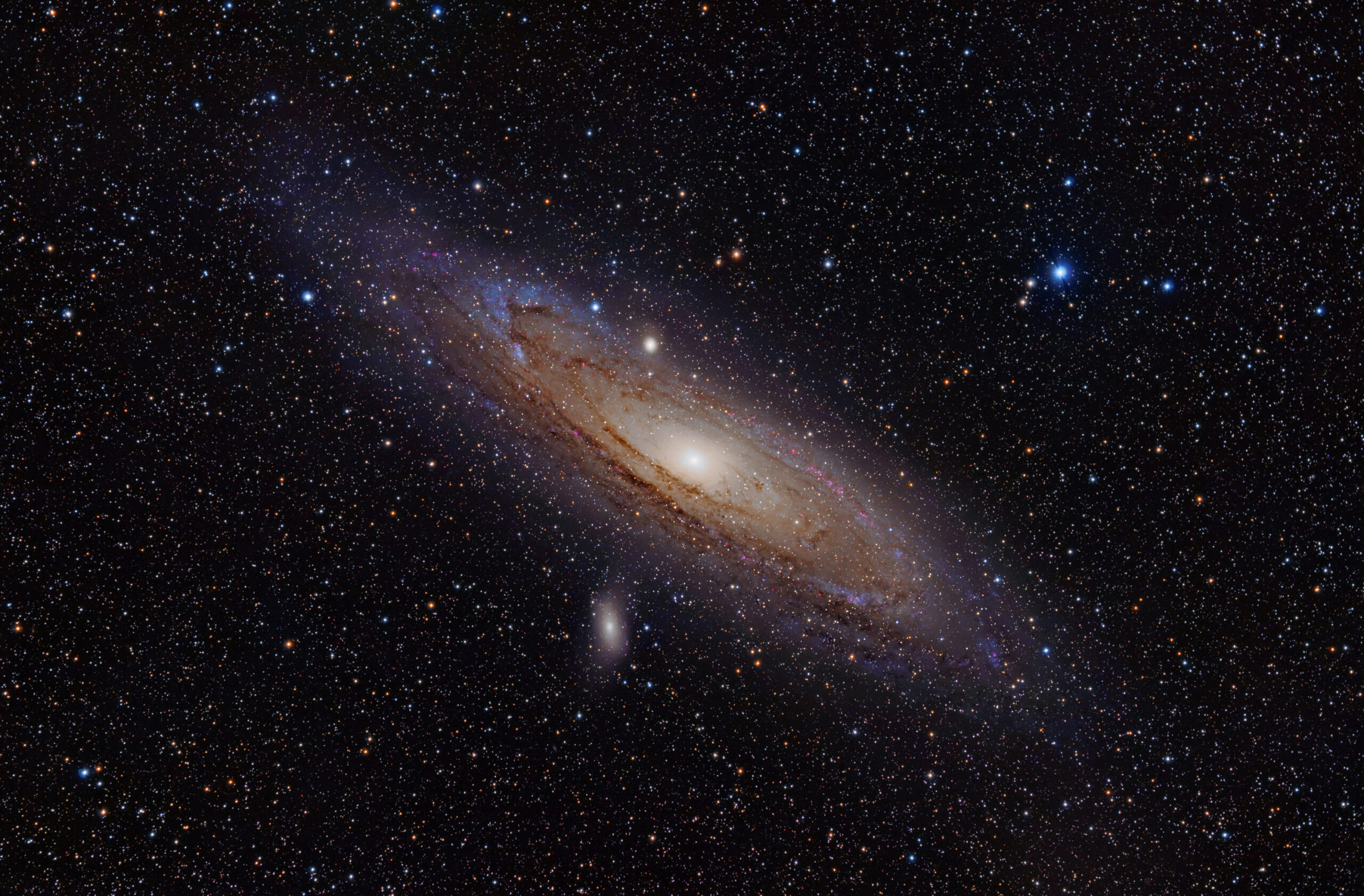
Our nearest large galactic neighbor, the Andromeda Galaxy, lies approximately 2.5 million light-years away.
The light we see from Andromeda tonight began its journey toward Earth roughly 2.5 million years ago.
At that time, early human ancestors were just beginning to appear on Earth.
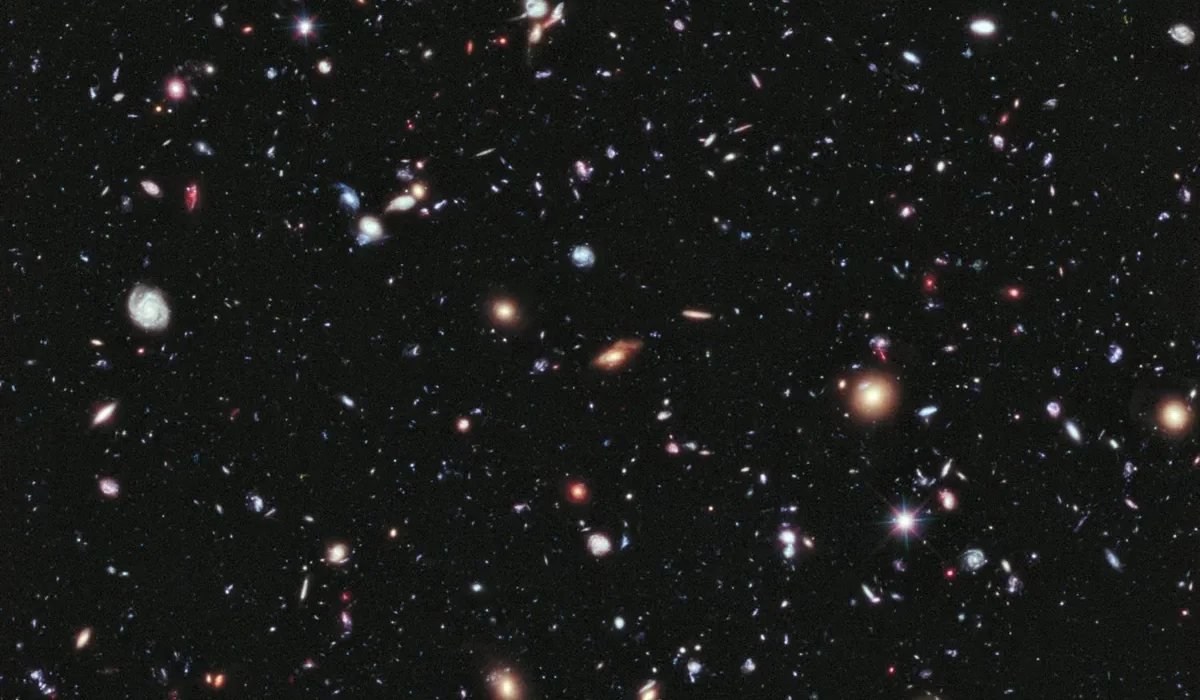
Many galaxies observed by powerful telescopes are hundreds of millions or even billions of light-years away.
Some of the most distant galaxies ever detected emitted their light more than 13 billion years ago, shortly after the universe began.
How Scientists Measure Light-Years
Astronomers cannot stretch giant measuring tapes across space.
Instead, they use several techniques to determine distances.
For nearby stars, one important method is stellar parallax. As Earth orbits the Sun, nearby stars appear to shift slightly against the background of much more distant stars. By carefully measuring this tiny shift, scientists can calculate the star’s distance.
For more distant stars and galaxies, astronomers use objects whose true brightness is already known, such as certain types of variable stars and exploding stars called Type Ia supernovae.
For the most distant galaxies, scientists also measure how the expansion of the universe stretches the light traveling through space, providing clues about cosmic distances.
These methods work together to build an accurate map of the observable universe.
Light-Year Compared With Other Distance Units
Astronomers use several different units depending on what they are studying.
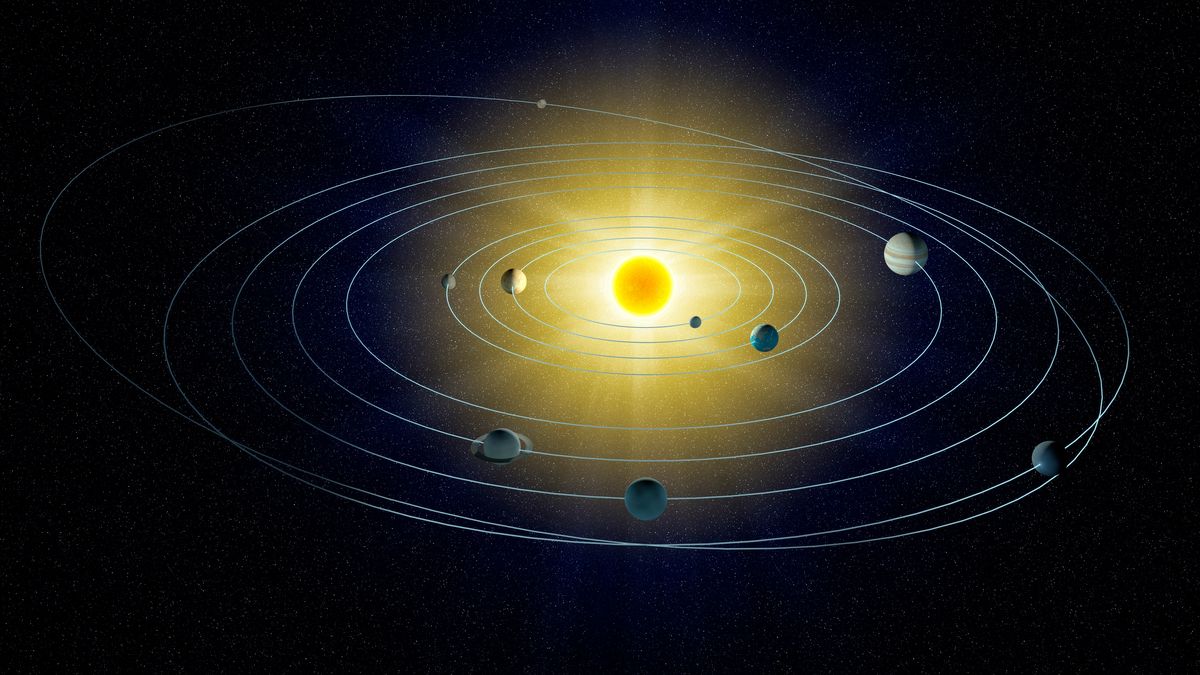
Within our Solar System, distances are often measured in astronomical units (AU). One astronomical unit equals the average distance between Earth and the Sun, about 150 million kilometers.
Beyond the Solar System, light-years become much more practical.
Professional astronomers also use another unit called the parsec, which equals about 3.26 light-years. Parsecs are especially useful in scientific calculations because they relate directly to stellar parallax measurements.
Although parsecs appear frequently in research papers, light-years are more familiar to the general public.
Can Anything Travel Faster Than Light?
According to Einstein’s theory of special relativity, nothing carrying information or matter can travel faster than light in the vacuum of space.
As an object moves closer to the speed of light, its energy requirements increase dramatically. Reaching the speed of light would require an infinite amount of energy for any object with mass, making it impossible according to our current understanding of physics.
Scientists continue to explore the nature of space, gravity, and quantum physics, but no experiment has demonstrated that ordinary matter can exceed light’s speed.
This universal speed limit plays a fundamental role in modern physics.
Why Light-Years Matter
Light-years are more than just a convenient way to describe distance.
They help scientists understand the history and evolution of the universe.
Because light takes time to travel, every observation of distant space reveals an earlier chapter in cosmic history.
By studying galaxies billions of light-years away, astronomers can investigate how galaxies formed, how stars evolved, and how the universe changed over billions of years.
Without the concept of the light-year, understanding the scale and history of the cosmos would be much more difficult.
Common Misunderstandings About Light-Years
Many people mistakenly believe that a light-year measures time.
Others think it refers only to stars.
In reality, a light-year is simply a unit of distance that can describe the separation between any objects in space, including stars, galaxies, nebulae, and even clusters of galaxies.
Another common misconception is that looking at distant objects shows them as they are today.
Instead, we always see celestial objects as they were when their light began its journey toward Earth.
Every observation of the universe is a glimpse into its past.
Light-Years and the Size of the Observable Universe
The observable universe is astonishingly large.
Its diameter is estimated to be about 93 billion light-years.
At first glance, this may seem confusing because the universe is about 13.8 billion years old. The reason the observable universe is larger than 13.8 billion light-years across is that space itself has been expanding while light has been traveling.
As a result, many galaxies that emitted light billions of years ago are now much farther away than the distance that light alone has traveled.
This expansion is one of the most remarkable discoveries in modern cosmology.
A Simple Way to Imagine a Light-Year
Imagine turning on a flashlight in the darkness.
The beam races away at the speed of light.
Now imagine that the flashlight never turns off and its light continues traveling for an entire year without stopping.
The total distance covered by that beam would be one light-year.
Although impossible to visualize completely because of its enormous scale, this simple thought experiment captures the basic idea.
A light-year is simply the extraordinary distance that light covers in one year.
Conclusion
A light-year is one of astronomy’s most important units because it allows us to measure the breathtaking distances that separate objects across the universe. Despite its name, it measures distance rather than time, representing the distance light travels in one year—about 9.46 trillion kilometers. This unit helps scientists describe the immense scale of space in a practical and meaningful way.
More importantly, light-years remind us that every glimpse into the night sky is also a glimpse into history. The stars, galaxies, and nebulae we observe are not merely distant objects—they are messages carried by light across vast stretches of space and time. Each beam of light tells a story that began long before it reached Earth, connecting us to a universe that is far older, larger, and more extraordinary than we can easily imagine.