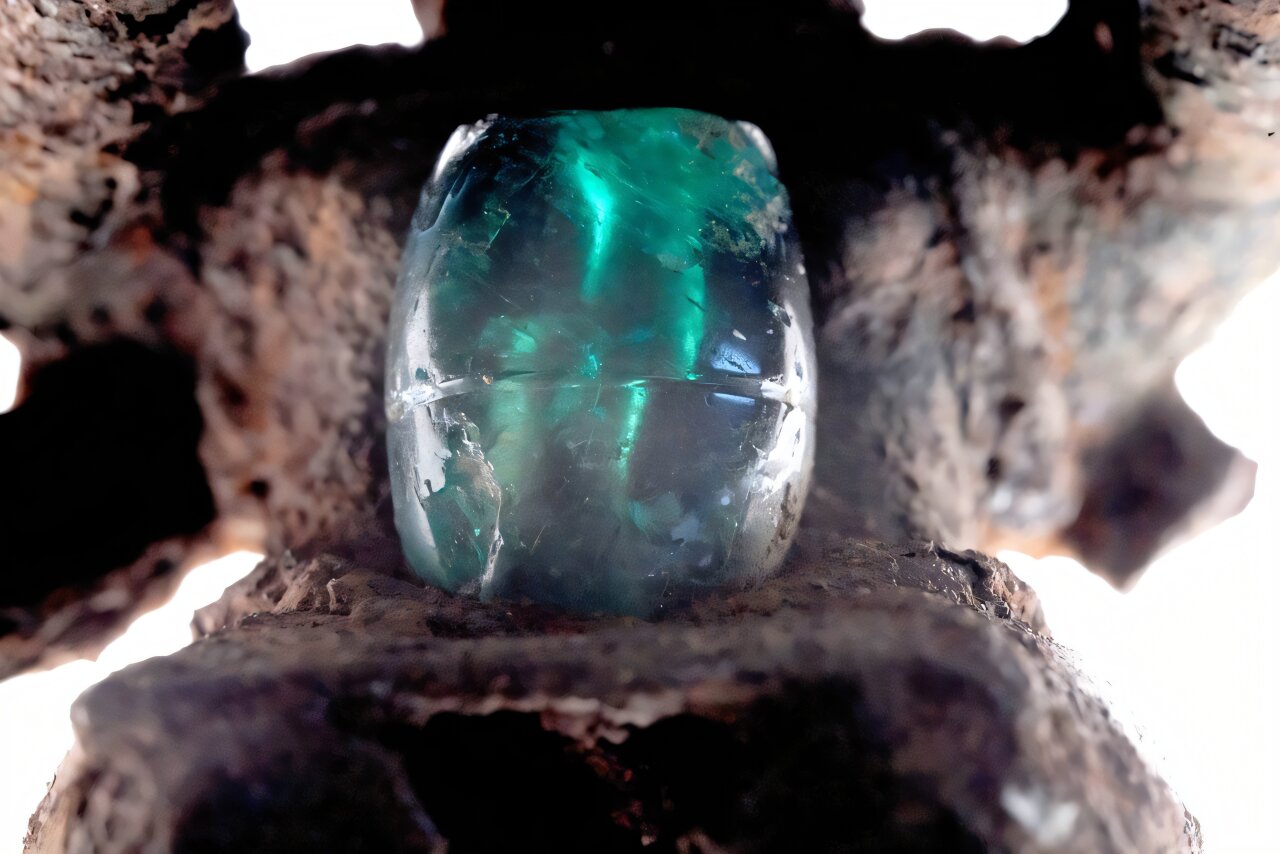
More than 1,000 years ago, emeralds from Colombia were reaching elite tombs in central Panama, carried through a long chain of exchanges between communities. New chemical analysis of five green stones from ancient Panamanian burial sites provides the first scientific confirmation that the stones were emeralds and that they came from Colombia, more than 700 kilometers away.
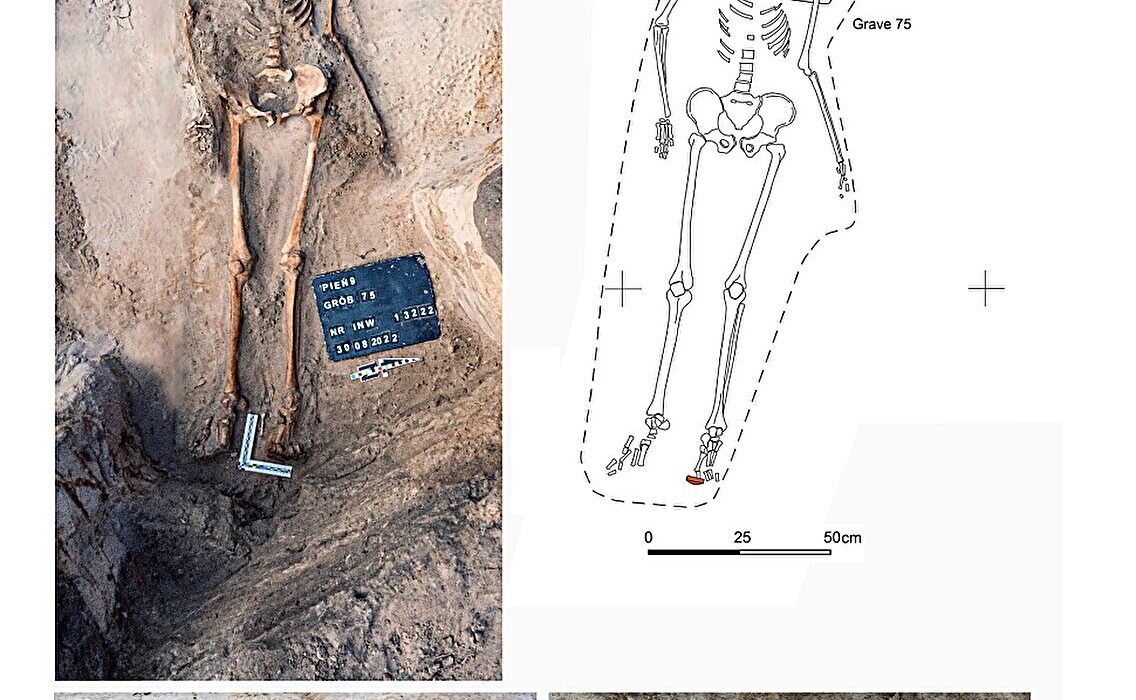
The stones were found at El Caño and Sitio Conte, two richly furnished burial sites on Panama’s Pacific coast dating to about AD 800–1000. The sites belong to the Gran Coclé region, where some elite tombs contained thousands of objects, including gold, pyrite mirrors and fossilized megalodon teeth.
Only eight emerald-like stones are currently known from the Coclé region. They include pieces set into a copper spider pendant, a golden feline and a copper pendant shaped like a woman.
For years, their translucent green appearance had suggested that they were emeralds. But that identification had not been scientifically confirmed.
Researchers analyzed five of the Coclé stones using several non-destructive methods, including X-ray fluorescence, infrared spectroscopy and photoluminescence. They also compared the stones visually and chemically with 22 known emeralds from Ecuador and Colombia.
The results placed all five Panamanian stones within the chemical range of Colombian emeralds.
The stones likely came through several communities
The emeralds were probably associated with Colombia’s Western and Eastern Emerald Belts. The Western belt includes the famous Muzo mines, while the Eastern belt lies near Chivor.
That makes the Panamanian finds the northernmost known occurrence of emeralds in the precolonial Americas.
The researchers do not think the stones were traded directly between the Colombian mining regions and the Coclé chiefdoms. Instead, the emeralds likely moved through a “down-the-line” exchange system. In this kind of trade, objects pass from one community to another through a series of exchanges, including along coastal and river communities.
That means the emeralds could have traveled through many hands before reaching Coclé.
Some emeralds were reworked in Panama
The stones also preserve clues about how they were handled after they arrived.
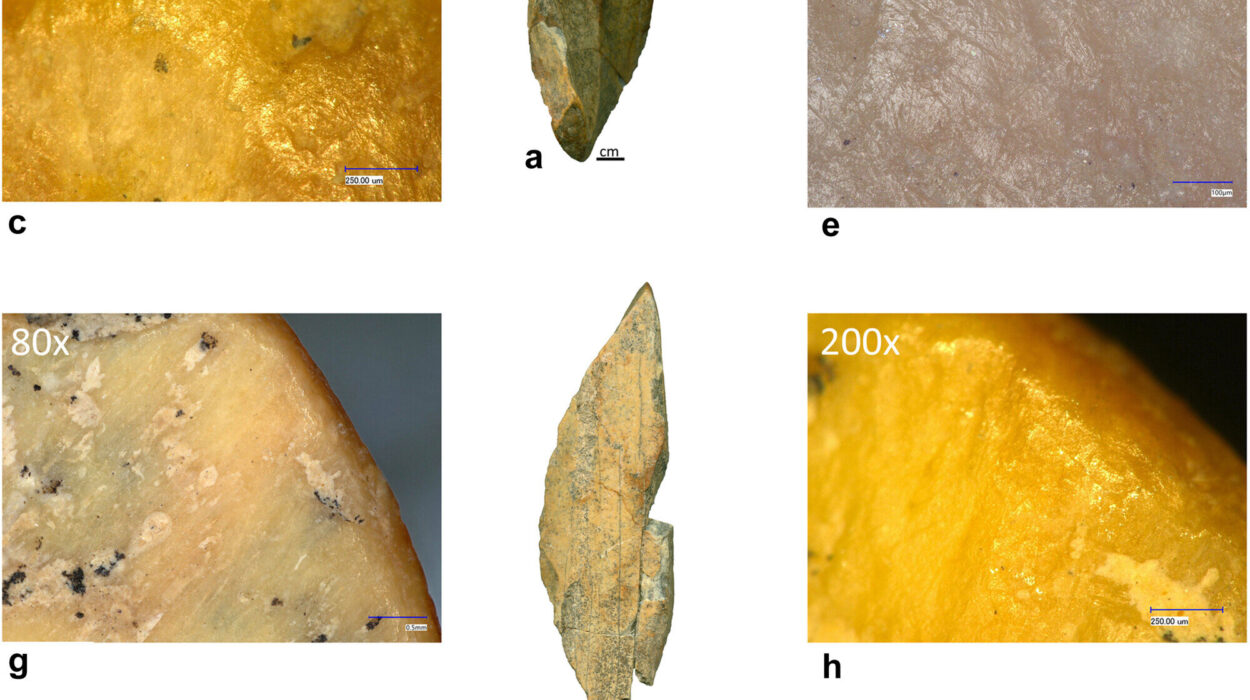
Their shapes, craftsmanship and surface features indicate that some may have reached Coclé already finished, while others may have been drilled or cut by local artisans.
Several stones bear evidence of unsuccessful drilling. Attempts to make holes damaged the crystals, a risk that can be especially serious when working with basic tools because emerald crystals can crack.
Even damaged stones were not simply discarded. They were repaired or reworked and ultimately placed in elite graves.
Carlos Mayo Torné, an archaeologist at the Technological University of Panama and the study’s lead author, said these repairs and alterations point to the importance of emeralds in ancient Coclé society and the symbolic value attached to them.
The researchers also suggest that emeralds may have had political uses beyond their symbolic role, possibly helping to maintain alliances or serving as tribute payments.
Emeralds disappeared around AD 1000
The movement of emeralds into central Panama did not continue indefinitely.
By about AD 1000, emeralds and other foreign prestige goods, including pyrite mirrors, had disappeared from central Panama. The change may have occurred alongside a decline in the trading power and influence of the Coclé chiefdoms and the end of elite burial practices at the sites.
The new analysis establishes that emeralds were present in pre-Columbian Panama and identifies Colombia as their likely source. But the exact route the stones took remains unknown.
The researchers hope future work can reconstruct those routes in greater detail. They point to least-cost path analysis, combined with archaeological evidence from intermediate sites, as one possible way to identify communities that may have served as interaction hubs between emerald-producing regions and the people who eventually used the stones in Coclé.
The study was published in Latin American Antiquity.