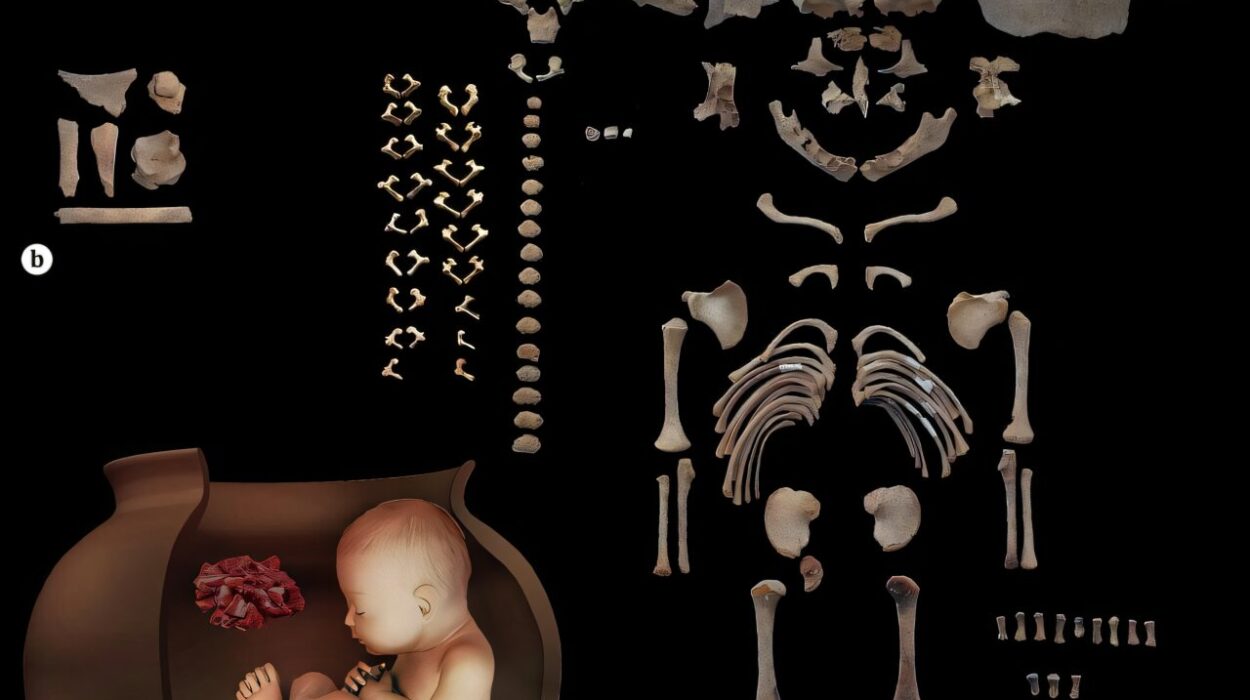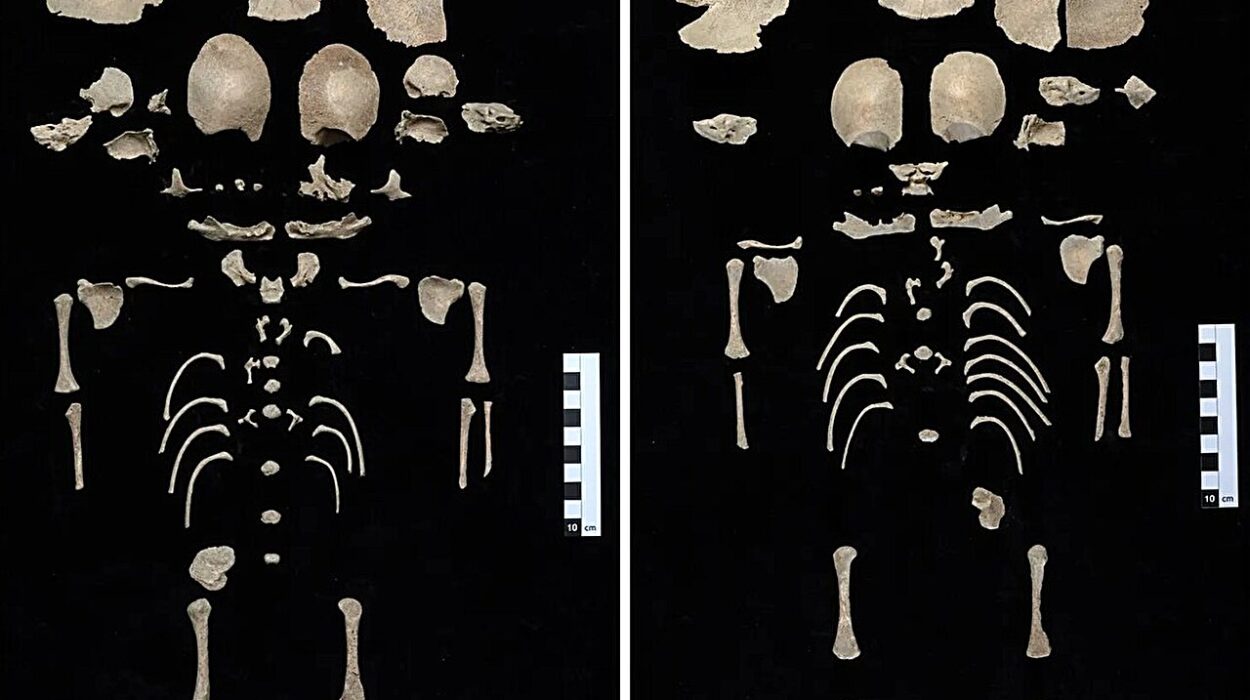
The bones of three royal women buried at Egypt’s Dahshur complex carry signs of repeated, strenuous upper-body activity that match the bows, arrows and other weapons placed in their tombs, suggesting that at least some of the princesses were active users of the weapons rather than receiving them only as symbols.
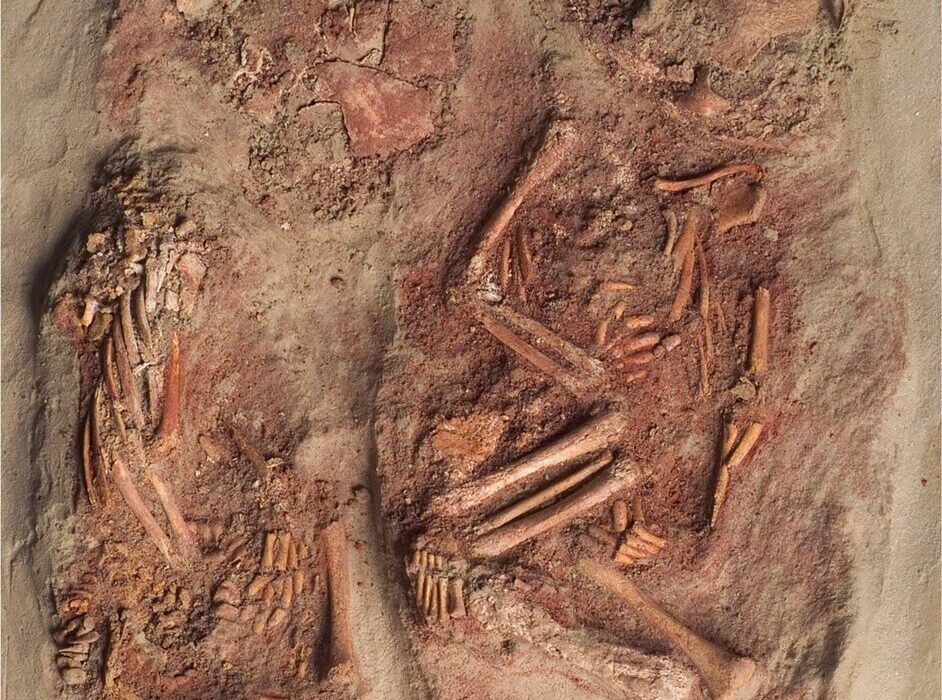
The finding comes from a reassessment of six royal mummies from Egypt’s Middle Kingdom. The mummies were discovered at Dahshur in the 1890s, then disappeared from view for decades before being rediscovered in the Egyptian Museum during a curation project in 2020.
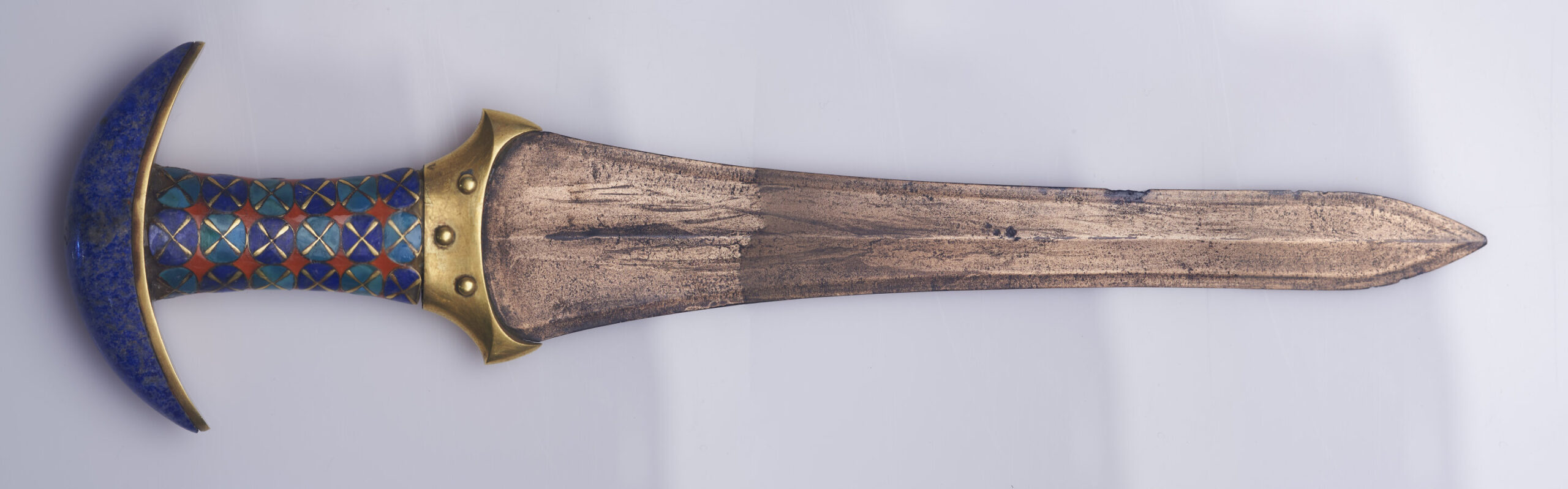
Four of the six were sisters and daughters of Pharaoh Amenemhat II. Princess Ita was buried beside Princess Khenmet, while Princess Itaweret was buried alongside an unidentified woman provisionally identified as Princess Sathathormeryt. Their underground chambers contained objects including bows and arrows, items traditionally associated with men. Ita was also buried with a finely made dagger.
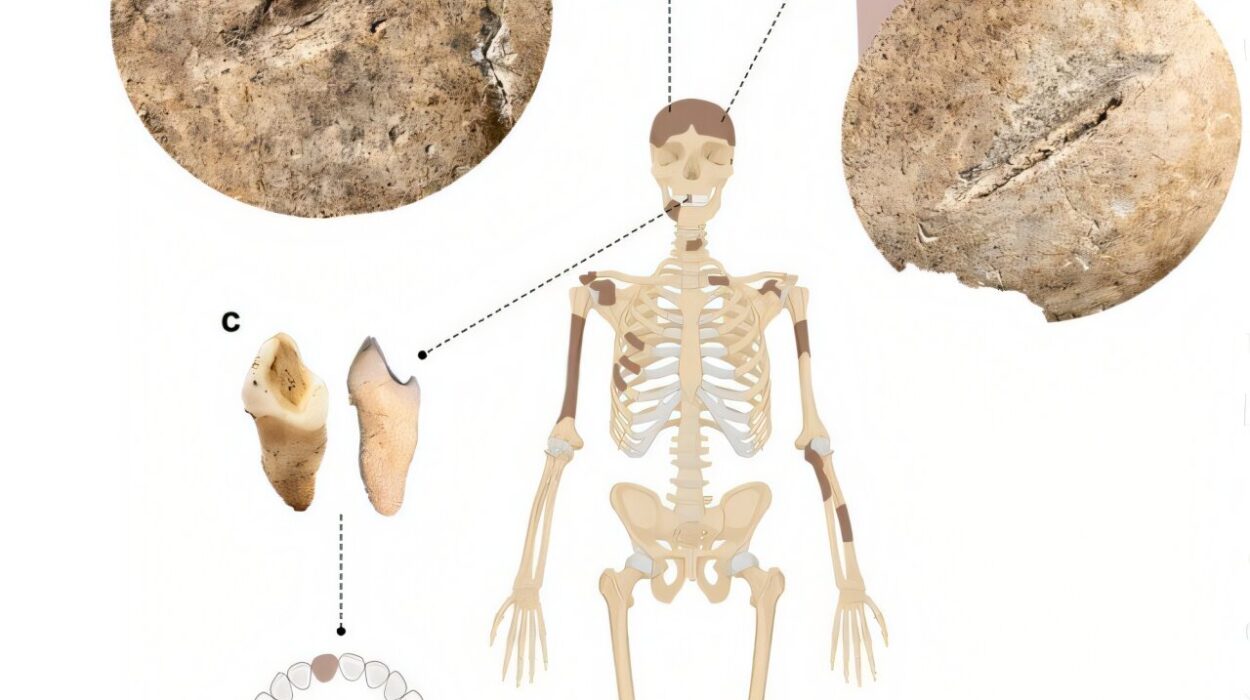
The researchers examined the surviving bones to estimate age, height and sex and to look for signs of disease and injury. The mummies’ soft tissue had largely turned to powder, and some bones were missing. The skulls of the princesses were lost in the early 1900s, limiting what could be learned from the remains.
Even so, the preserved bones contained evidence of substantial physical activity.
Princess Ita, who was estimated to have been 28 to 34 when she died, had strong areas where muscles attached to the upper-body bones. The pattern suggests habitual use of weapons such as maces or daggers.
Princess Khenmet, who was probably in her late 30s or 40s, had thinning bones but unusually robust ligament attachments.
Princess Itaweret, estimated to have been 20 to 34, had survived broken ribs and fractures in her feet. Her skeletal features were consistent with skilled archery.
Taken together, the pronounced development of the upper limbs in these women fits movements that require repeated, forceful effort, including drawing a bow and holding a weapon steady.
The weapons in the tombs fit the skeletal evidence
The same type of skeletal evidence was found in Princess Noub-Hotep and King Hor, the other two royals included in the assessment, and both showed evidence consistent with archery.
For the researchers, the combination of the bones and the objects buried with the women is important. The physical changes in the skeletons correspond to activities required to use the weapons found in their tombs.
That supports the interpretation that the weapons were not necessarily placed there only as symbolic objects. At least some of the women appear to have repeatedly engaged in activities that could produce the observed skeletal changes.
The researchers interpreted the evidence as indicating that members of the royal family, including women, took part in physically demanding activities such as archery and hunting.
Injuries and illnesses add more detail
The skeletons also preserve evidence of injuries and health problems.
Itaweret’s broken ribs may have resulted from a blow or a fall from a height. Several of the individuals had infections or signs of nutritional deficiencies. The researchers said injuries of this kind could have resulted from accidents, falls, hard blows or other impacts associated with an active lifestyle, including hunting or military training.
The injuries had healed well, which the researchers said suggests the women had access to medical care that was advanced for their time.
The four sisters also shared rare abnormalities of the spine. These abnormalities indicate that their parents and wider family were closely related.
Missing skulls still limit the investigation
The researchers caution that much remains unknown because the princesses’ skulls were lost and some planned analyses have not yet been completed.
One of those methods is stable isotope analysis, which could provide additional information about possible nutritional deficiencies.
The researchers also hope to learn more about the individuals’ families, health and political roles while preserving the remains and creating 3D prints for teaching and virtual exhibitions. They envision displaying the remains with their jewelry, weapons and other funerary objects while presenting them in an ethical manner.
The study was published in Frontiers in Environmental Archaeology.