A young man born with an orofacial cleft survived into adolescence and was buried with family and customary grave goods in northern China, suggesting that his visible birth defect did not prevent him from being cared for or accepted within his community.
The evidence comes from Wenchi cemetery in Shanxi Province, where archaeologists found the remains of a young person identified as M234-2. He was buried in a tomb with an adult woman and several grave goods.
Analysis indicated that M234-2 was probably male and was 16 to 18 years old when he died during the Jiaqing era, from 1796 to 1820, under the Qing dynasty.
The cemetery appears to have served local people from a commoner or lower-to-middle socioeconomic background. Its brick chamber, wooden coffin and ordinary ceramics, metal objects and coins point to a community with enough resources for standard funerary practices, but not to an elite population.
Signs of a birth defect
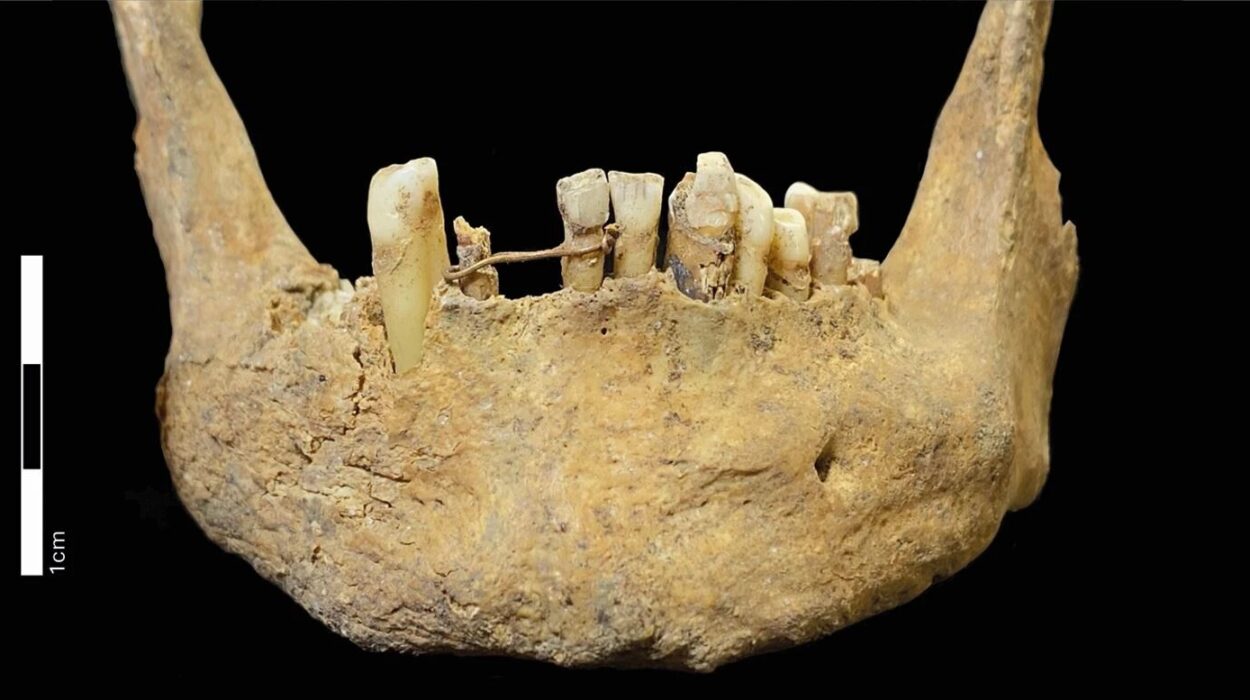
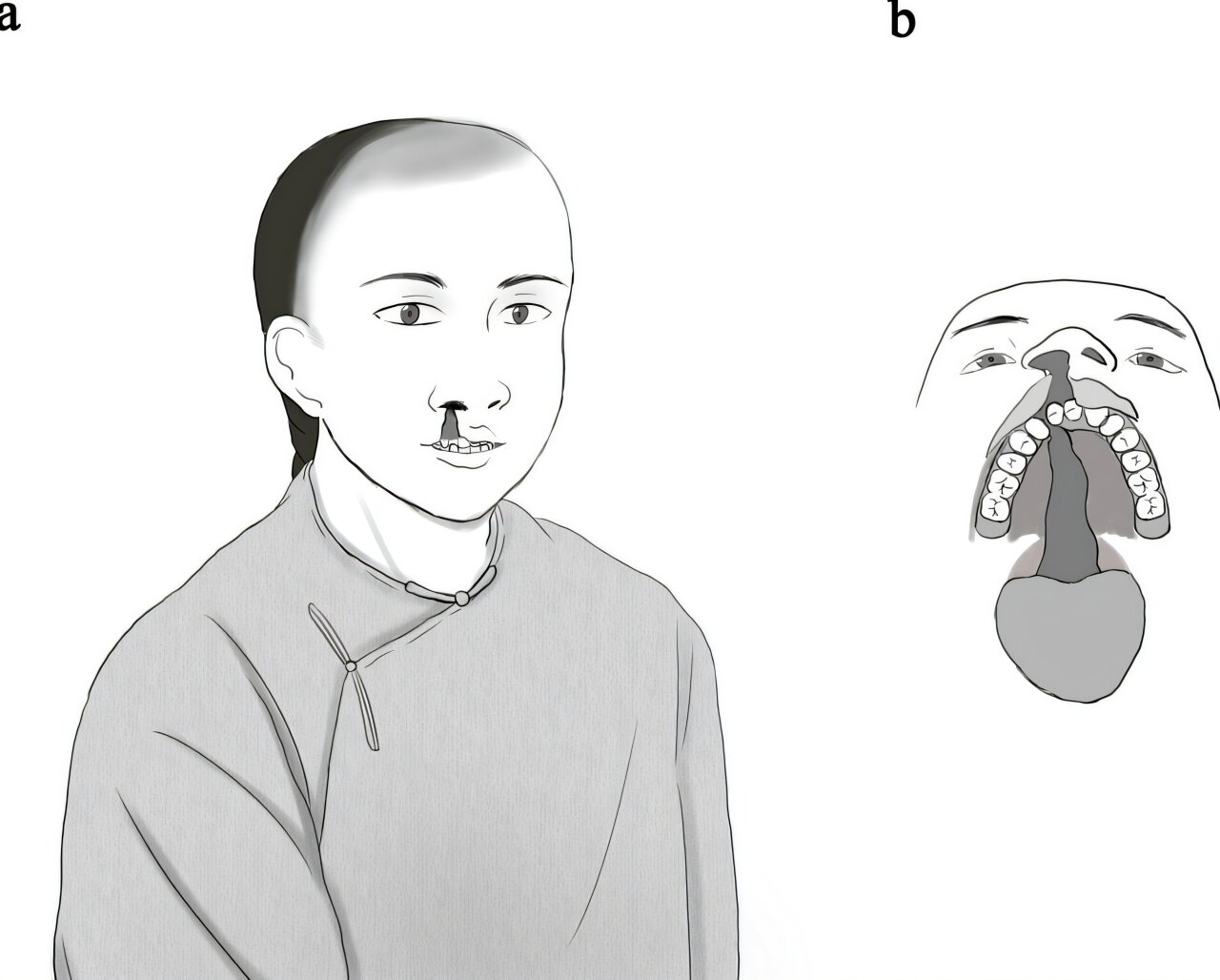
Examination of the skull, including CT imaging, found an unusually shaped palate, a missing upper incisor and severe deviation of the nasal septum. Comparisons with other remains from the cemetery, along with the absence of evidence for trauma or infection, led researchers to identify the condition as an orofacial cleft that was present from birth.
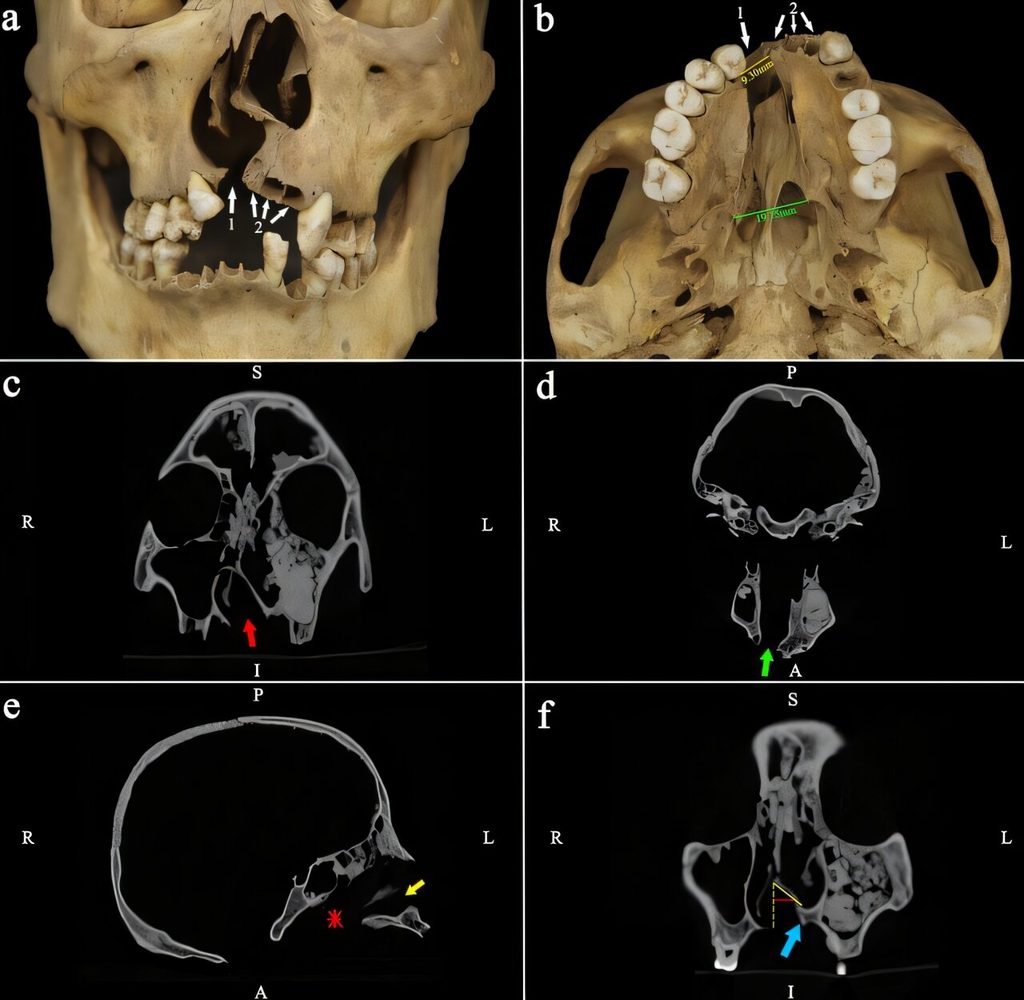
Orofacial clefts occur when tissues forming the lip or palate do not properly fuse during fetal development. People born with these conditions can have difficulty eating and speaking.
In historical societies, responses to visible birth defects varied. Some cultures associated orofacial clefts with ideas of evil, immorality or punishment and, in some cases, infants were abandoned, killed or ostracized. Historical Chinese accounts instead sometimes linked split lips to animals such as rabbits and suggested that eating rabbit during pregnancy could cause the defect.
The remains of M234-2 provide evidence of a different experience.
His bones indicate sustained care
Despite the difficulties that can accompany an orofacial cleft, M234-2 showed no skeletal signs of malnutrition or nutritional deficiencies. The researchers interpret this as evidence that he was adequately cared for from infancy through the rest of his life.
His survival into adolescence is also consistent with the possibility that he received sustained care after birth.
The cemetery itself does not indicate exceptional wealth, leading researchers to suggest that this care was probably provided within the household or family rather than through unusual or elite resources.
His burial suggests he remained part of the family
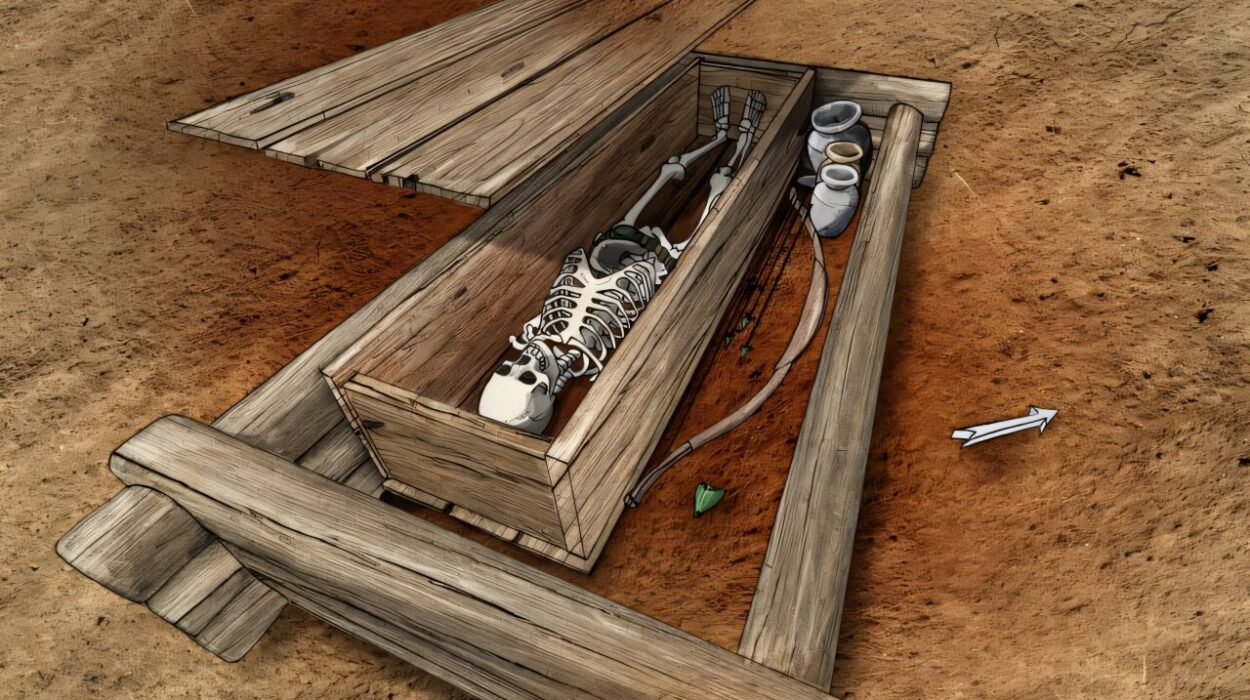
M234-2 was buried in a family tomb alongside an adult woman. The researchers consider her most likely to have been his wife. In late imperial northern China, paired burials in the same chamber could reflect the Confucian ideal of family continuity, particularly in family cemeteries.
The young man’s burial also included grave goods and otherwise matched the practices seen elsewhere in the cemetery. Taken together, these details suggest that he occupied a normal social position in his community rather than being treated as an outsider.
His early death remains unexplained. Researchers noted that people with birth defects may have had greater innate frailty or vulnerability, which could have contributed to early mortality in his case. But there is no identifiable skeletal evidence that allows a specific cause of death to be determined.
The remains represent the first archaeological case identified in China of an individual with an orofacial cleft. The researchers caution that one burial from one community cannot establish how people with such conditions were treated throughout late imperial China. Instead, the case provides evidence that inclusion and sustained family care were possible within at least one ordinary community.
The study was published in the International Journal of Osteoarchaeology.