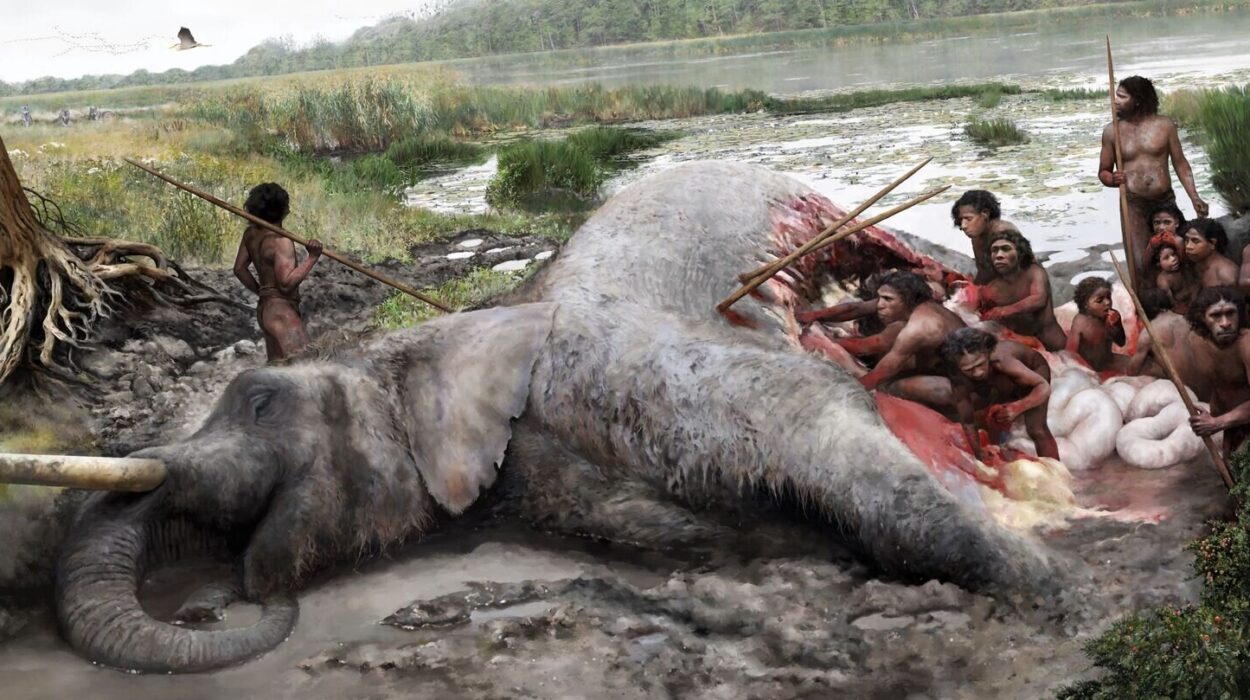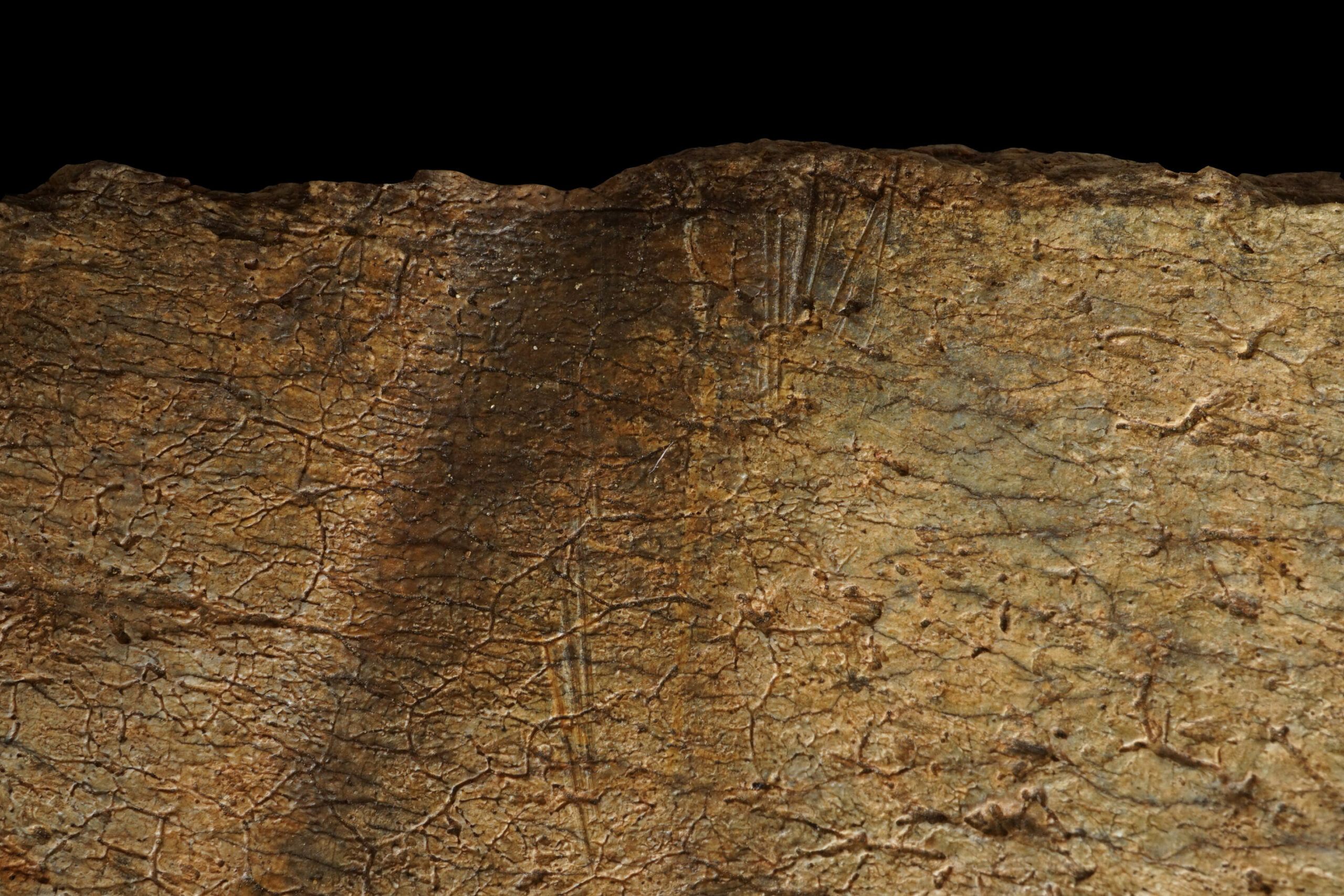
Ancient humans in what is now northern Kenya appear to have repeatedly secured meat, cut it apart, and carried valuable limb bones away from kill sites, suggesting they were active and organized food processors rather than simply opportunistic scavengers.
The evidence comes from more than 1,000 fossilized animal bones from the Koobi Fora Formation, a fossil site in northern Kenya. The remains are about 1.6 million years old and consist mainly of antelopes and other grazing animals.
Researchers examined the bones under high-powered magnification, looking for tiny scratches, pits and other marks. These traces can help distinguish damage caused by stone tools from marks left by predators.
Some of the clearest evidence came from the middle sections of leg bones. Sharp cut marks there indicate that early humans probably reached the carcasses while substantial amounts of meat were still attached.
The bones also carried marks made by hammerstones. Together, the cut and hammerstone marks indicate that the humans removed meat and broke bones to reach nutrients inside them.
The animals were not necessarily eaten where they died
The distribution of the fossils provides another important clue.
The assemblage contains many more meaty limb bones than skulls or vertebrae. The researchers interpret this pattern as evidence that early humans selected valuable parts of carcasses and transported them away from the places where the animals had died.
That would have reduced the need to remain at a kill site, where the humans may have faced greater danger from larger predators. The researchers suggest the transported remains may have been taken to lower-risk places, including sheltered areas near water.
The bone marks also point to limited involvement by carnivores. Taken together, the evidence indicates that early Homo reached carcasses relatively early, processed the transported limbs intensively and faced relatively little carnivore involvement.
The strategy persisted across different environments
The Koobi Fora region was not a single uniform landscape 1.6 million years ago. It included broad grasslands as well as densely vegetated floodplains.
Yet the evidence indicates that the same basic approach to obtaining and processing animal resources continued across these different settings. The researchers describe this as a consistent carcass-exploitation strategy maintained despite environmental differences and changing competition with other animals.
The findings therefore point to early humans repeatedly accessing animal resources, choosing useful parts, transporting them and processing them rather than relying only on whatever food they happened to encounter.
The researchers propose that dependable access to high-quality foods such as meat may have supplied energy that contributed to the evolution of larger brains over time. They also suggest that this reliable food access may have supported the later emergence of more complex social behaviors in humans.
The study was published in Proceedings of the National Academy of Sciences.