Two fetuses buried less than three meters apart in ancient Iran received markedly different treatment, with one placed alongside animal remains and a worked stone while the other was buried without grave goods. The closely spaced burials, both dating to around the mid-5th millennium BC and involving fetuses of similar gestational age, provide evidence of varied burial practices within the same prehistoric community.
The burials were found at Chaparabad in Iran during excavations conducted between 2021 and 2023. Both fetuses had been placed inside ceramic vessels associated with the Dalma cultural tradition, but the vessels were used in different parts of the site.
Burial L522.1 was found in structure D, which has been interpreted as a kitchen. Burial L815.1 was located in a space that may have been used for storage. The two vessels were recovered from an architectural area covering about 310 square meters.
The vessels themselves appear to have been used for everyday activities before becoming burial containers. The vessel associated with L522.1 was made in the Red Slip Ware tradition, a type of pottery associated with the Dalma culture. Smoke staining on its exterior indicates that it had previously been used as a cooking vessel.
Other ceramics from Chaparabad belong to both the Dalma and Pisdeli cultures. Together, the archaeological evidence places the burials around the middle of the 5th millennium BC, when both cultural traditions were active.
The remains were unusually well preserved
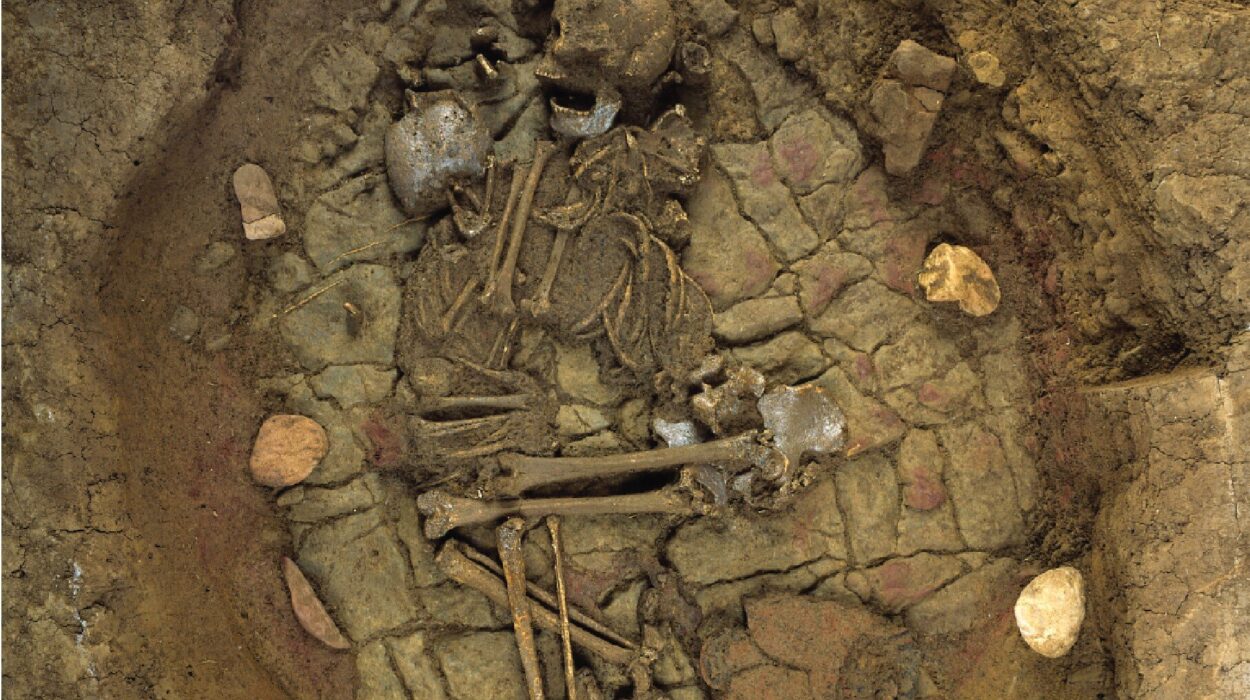
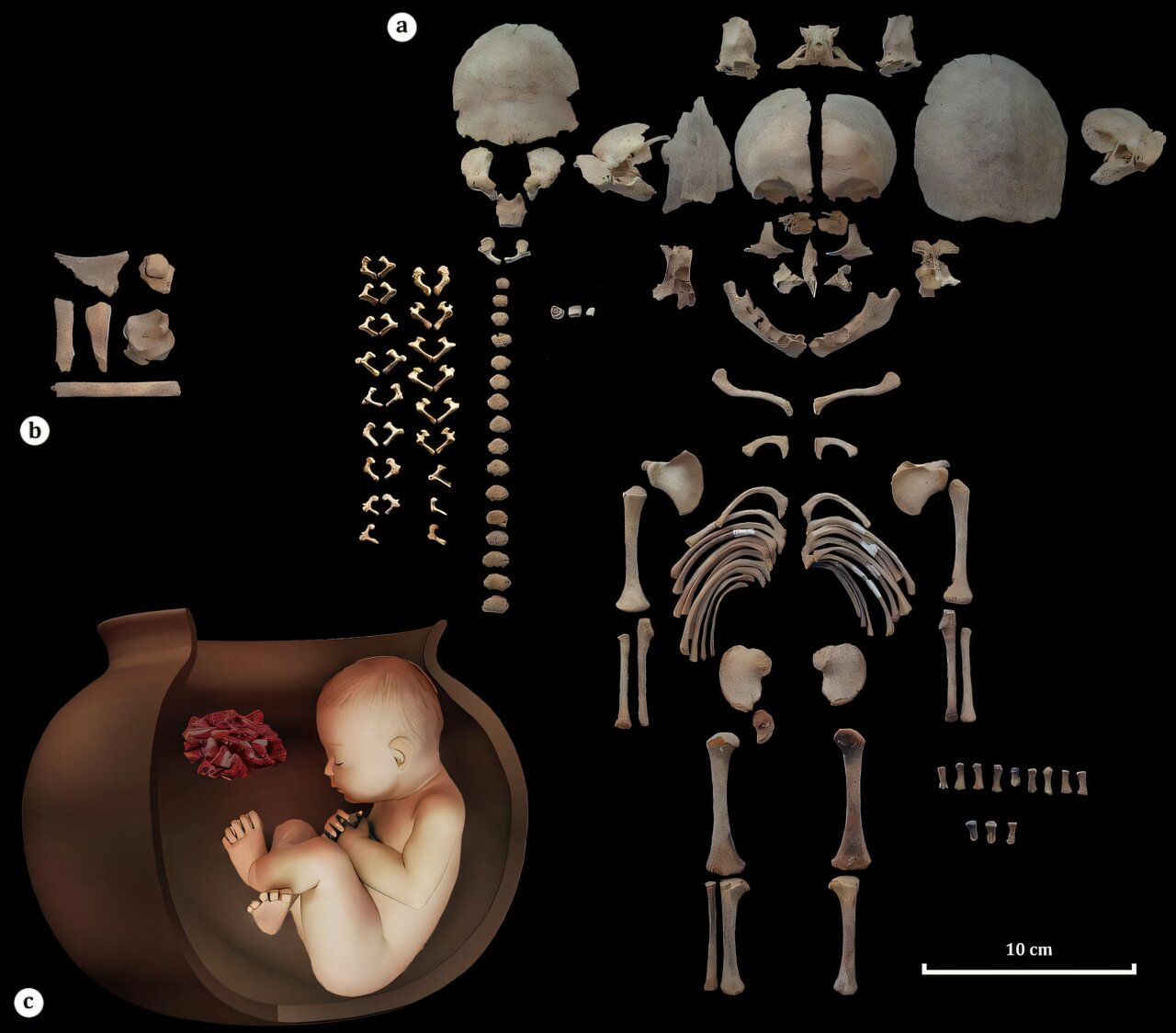
The condition of the skeletal remains allowed researchers to examine the burials in unusual detail. About 90 percent of the bones from L522.1 were preserved, making it one of the most complete prehistoric infant burials known from the Iranian plateau.
Bone fusion and the lengths of the long bones indicate that both fetuses died at approximately 36 to 38 weeks of gestation.
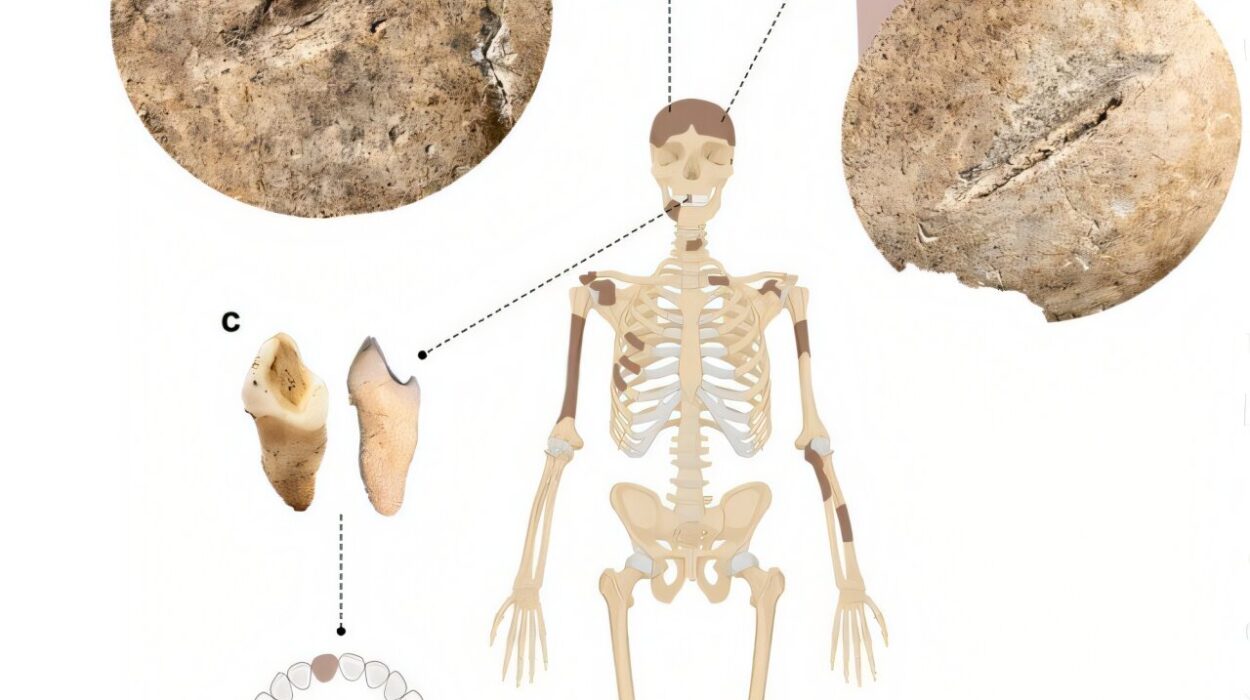
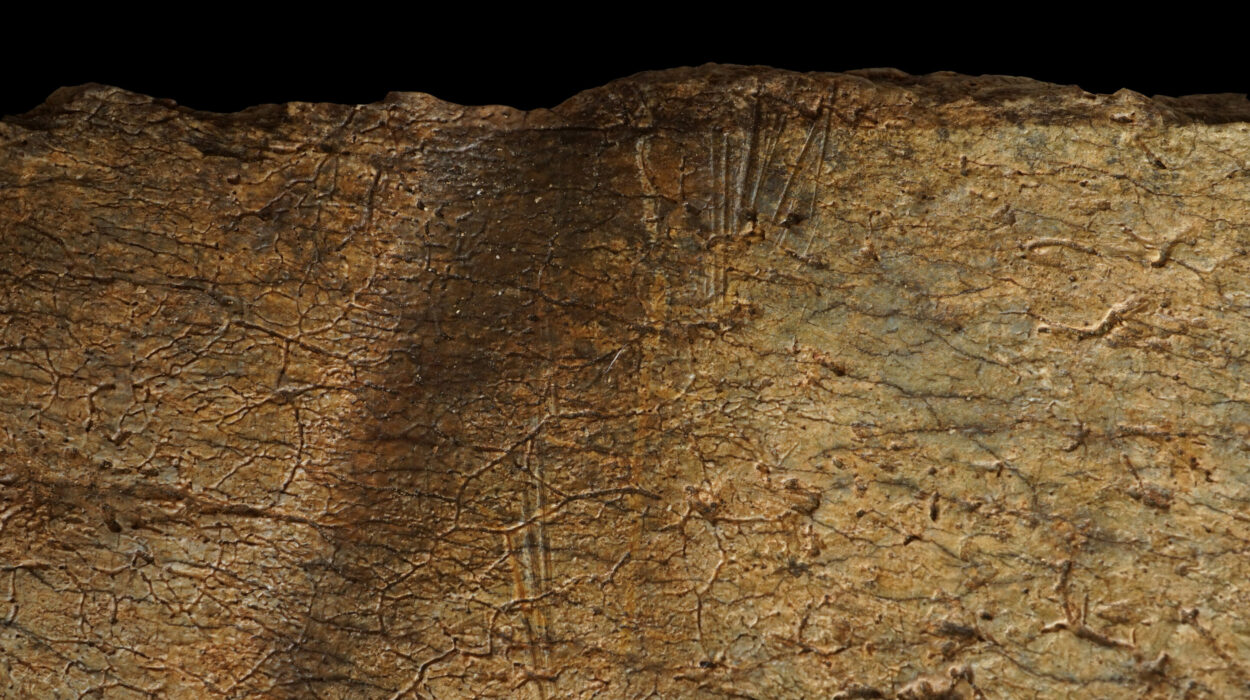
The skeletal analysis found no evidence of trauma except for a fracture of the right parietal bone in L522.1, part of the skull. Its position provides a likely explanation for the injury.
The fractured bone was located close to the rim of the vessel. The researchers therefore considered soil pressure at the opening of the vessel during or after burial a likely cause of the fracture.
One fetus received grave goods, the other did not
The clearest difference between the two burials was how the fetuses were treated after death.
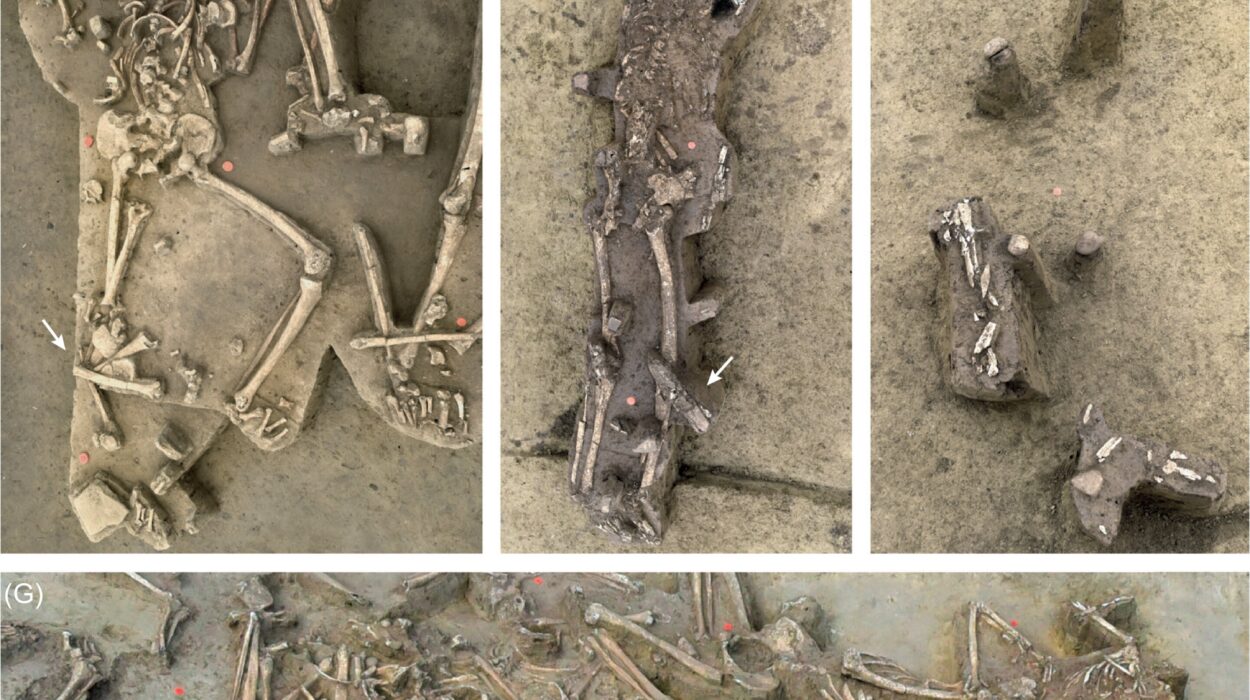
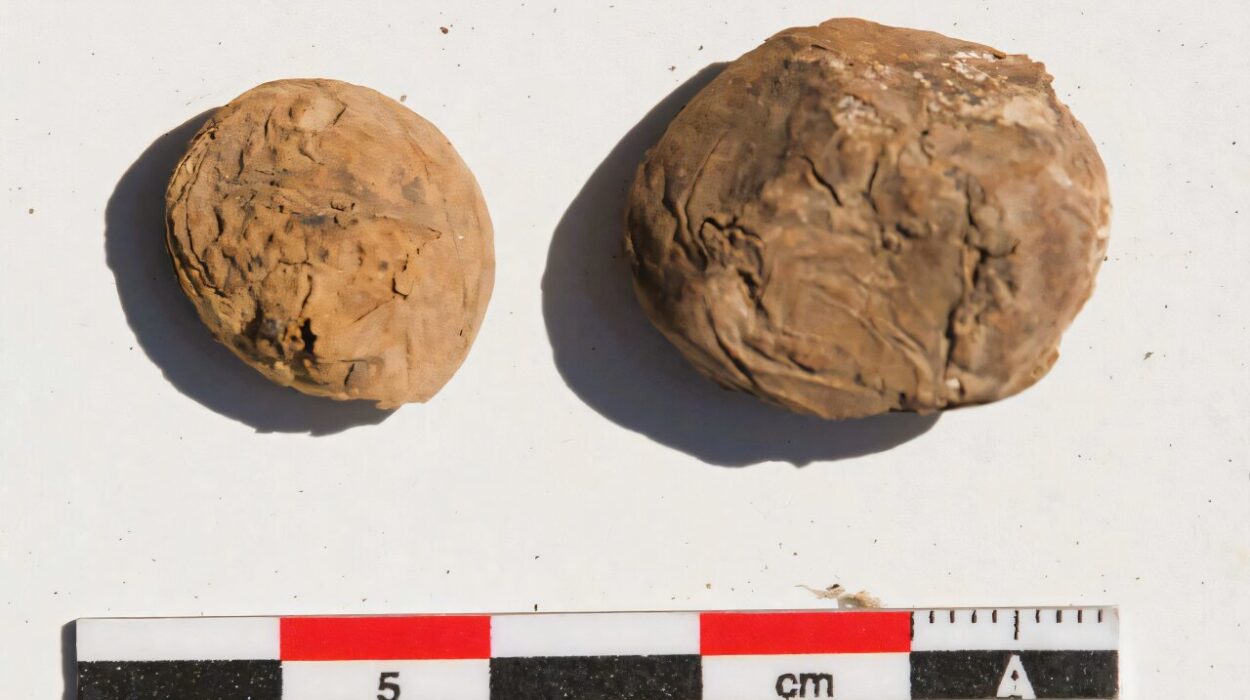
L522.1 was accompanied by remains from an ovicaprid, meaning a sheep or goat. Some of these remains were placed inside the vessel near its rim, while others were positioned beneath the vessel. A worked stone was also found near the burial.
L815.1 had no grave goods. It was also buried outside the kitchen, in a space interpreted as storage.
The contrast is notable because the burials were extremely close to one another and belong to the same general period. Their fetuses were also estimated to have been at similar stages of development when they died.
Different treatment was also seen elsewhere
The Chaparabad burials fit a broader pattern of variation documented among fetal and infant burials during the Dalma and Pisdeli periods.
At Chagar Bazar in Syria, fetal burials were placed in vessels ranging from weaning bowls to miniature pots. At Tell as-Sawwan, vessels were commonly sealed with inverted bowls and ceramic fragments.
The objects placed with the dead also varied. A fetal burial at Girdi Sheytan included stone beads, while three copper axes were found with a burial at Ovçular Tepesi. At Yarim Tepe, near Dalma, none of the 14 fetal burials contained grave goods.
These examples indicate that there was no single burial treatment applied to all fetal individuals in the region.
The reason for the difference remains uncertain
At Chaparabad, the close proximity of the two burials makes some explanations more difficult to establish. Because the burials were less than three meters apart and belonged to the same chronological context, the researchers said their differences cannot simply be attributed to broad cultural differences or differences in family rank.
But the evidence does not establish why one fetus received grave goods while the other did not.
The researchers emphasize that the people who created these burials cannot be directly observed through the archaeological record, so the reasons behind the different treatments remain uncertain. Further excavation and research will be needed to examine the question in greater detail.
DNA and stable isotope analyses are also ongoing and may provide additional information about the two burials.
The study was published in Archaeological Research in Asia.