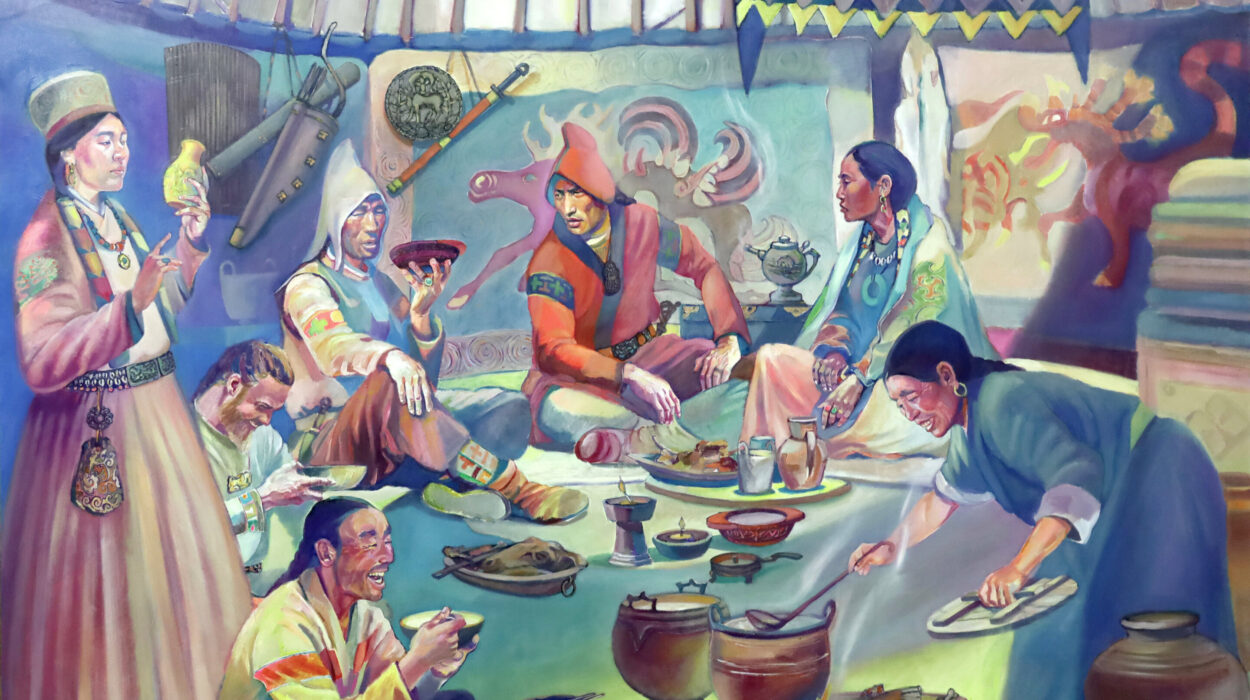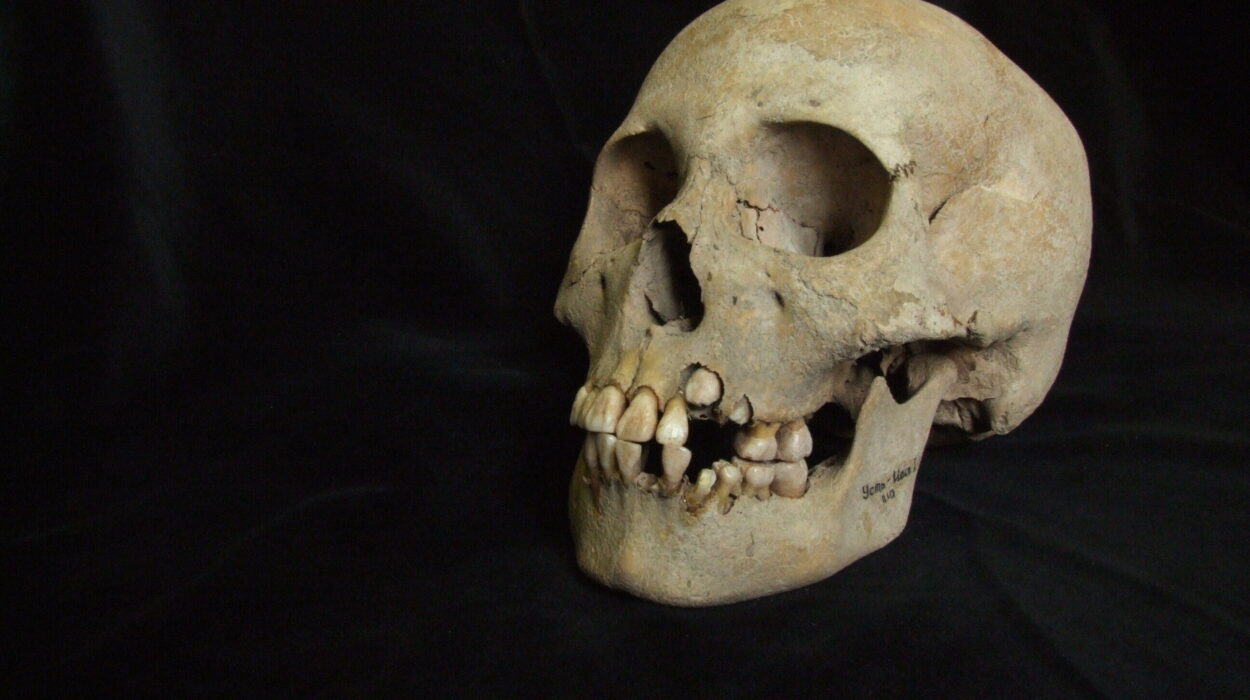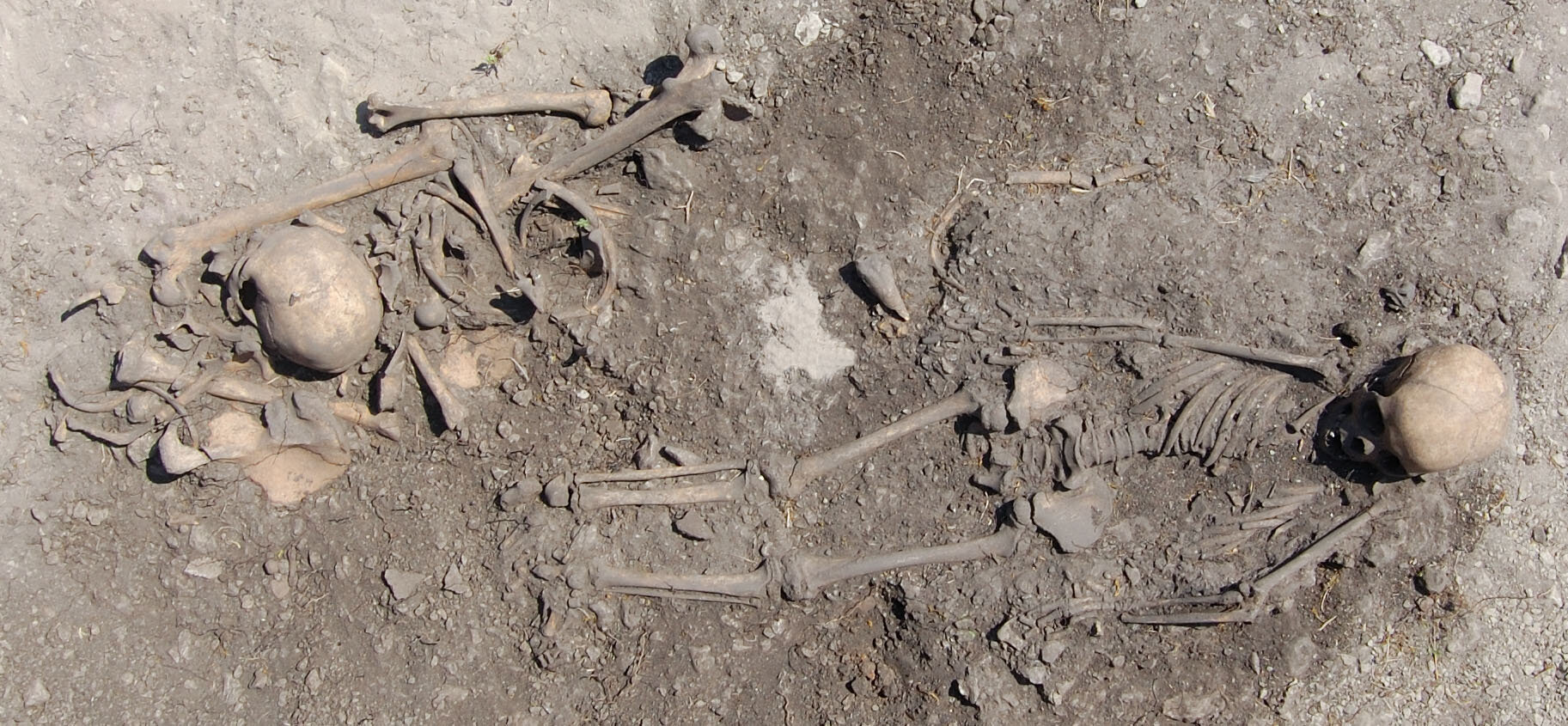
Long before written history, carefully arranged burials on the Baltic island of Gotland preserved a quiet pattern that no archaeologist could fully explain. Children were repeatedly laid to rest beside adults, relatives appeared to share the same graves across generations, and some people were even returned to the cemetery long after death. Only now has ancient DNA uncovered the hidden family relationships behind those choices, revealing that biological kinship shaped burial traditions far more deeply than the graves themselves could ever show.
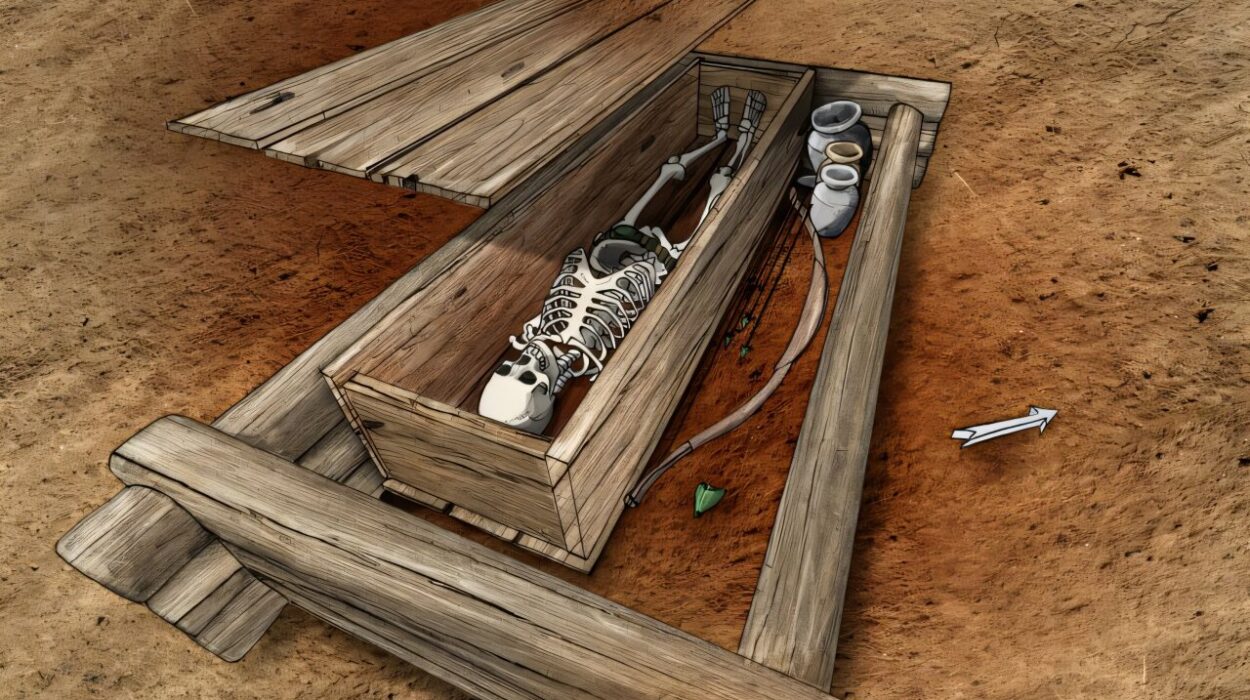
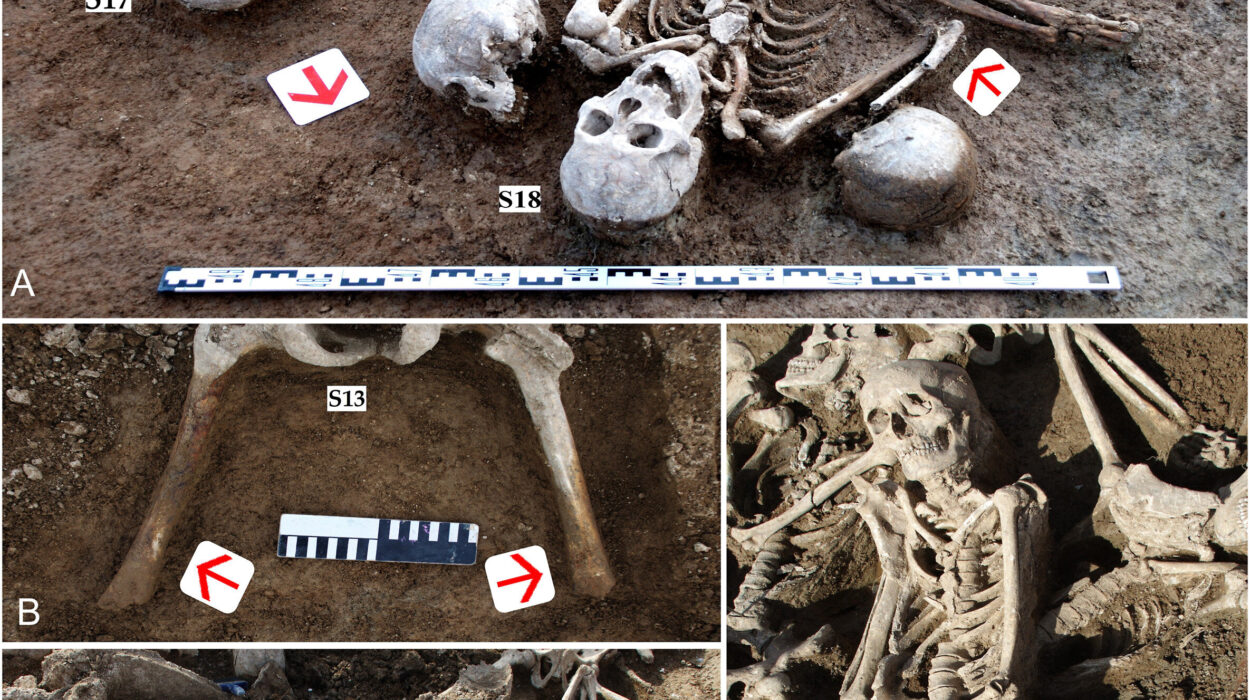
For decades, the Stone Age cemetery of Ajvide on Sweden’s island of Gotland has been one of Europe’s richest windows into the lives of prehistoric hunter-gatherers. Hundreds of years before farming fully transformed much of northern Europe, the people of the Pitted Ware Culture (PWC) buried their dead in ways that have fascinated archaeologists for generations. Some graves contained adults and children together. Others held multiple individuals placed in carefully arranged positions. In several cases, skeletal remains were reburied after an earlier burial process, suggesting rituals that unfolded over extended periods rather than single moments.
Yet one fundamental question remained unanswered.
Were these people buried together because they belonged to the same family, or were entirely different social rules guiding who shared a grave?
Archaeological evidence alone could not resolve that mystery. Grave goods, body positions, and burial layouts hinted at social organization, but they could not distinguish biological relatives from individuals connected through friendship, ritual, adoption, or other social relationships.
The new study approached that question through ancient DNA, allowing researchers to examine family relationships directly rather than infer them from artifacts alone.
Ancient DNA opened a family history that had remained invisible for millennia
The research focused primarily on the Ajvide cemetery, one of the largest and best-preserved hunter-gatherer burial grounds from Stone Age Europe. The cemetery belongs to the Pitted Ware Culture, a marine hunting and fishing society that occupied coastal Scandinavia and Baltic islands between roughly 3400 and 2200 BCE.
Researchers generated new genomic data from 10 individuals, most of whom came from graves containing more than one person. They then combined those genomes with previously published DNA from 24 additional individuals recovered from four different Pitted Ware sites across Gotland.
Together, the analysis included 34 individuals, making it one of the largest within-population genetic studies ever conducted on a prehistoric hunter-gatherer society.
The researchers concentrated on burials where two or three people had been interred together because these graves offered the clearest opportunity to test whether burial placement reflected family relationships.
Rather than examining only broad ancestry, the team reconstructed biological relationships as close as parent and child, siblings, second-degree relatives such as grandparents or aunts and uncles, and even third-degree relatives such as first cousins or great-grandparents.
Every shared grave contained close biological relatives
The results revealed an unexpectedly consistent pattern.
Every single co-burial examined contained individuals who were close biological relatives.
Across all four multiple-person graves analyzed, everyone buried together was related within three degrees of kinship or closer.
This included:
- A father buried with his daughter
- Two full siblings buried together
- Second-degree relatives
- Third-degree relatives, including relationships comparable to first cousins or great-aunt and great-niece connections
The finding went beyond isolated examples.
When the researchers compared genetic similarity across the entire cemetery, individuals sharing the same grave consistently showed much higher genetic relatedness than people buried separately. Statistical analysis demonstrated that this difference was highly unlikely to have occurred by chance.
Most people buried in different graves, even within the same cemetery, were either only distantly related or not closely related at all.
That contrast strongly indicates that biological family relationships influenced who was placed together after death.
The graves revealed families extending beyond parents and children
Some of the reconstructed family connections were remarkably detailed.
One grave contained an adult man and a girl about 12 to 13 years old. Earlier osteological examination had identified the younger individual as male, but genetic analysis showed the child was actually female.
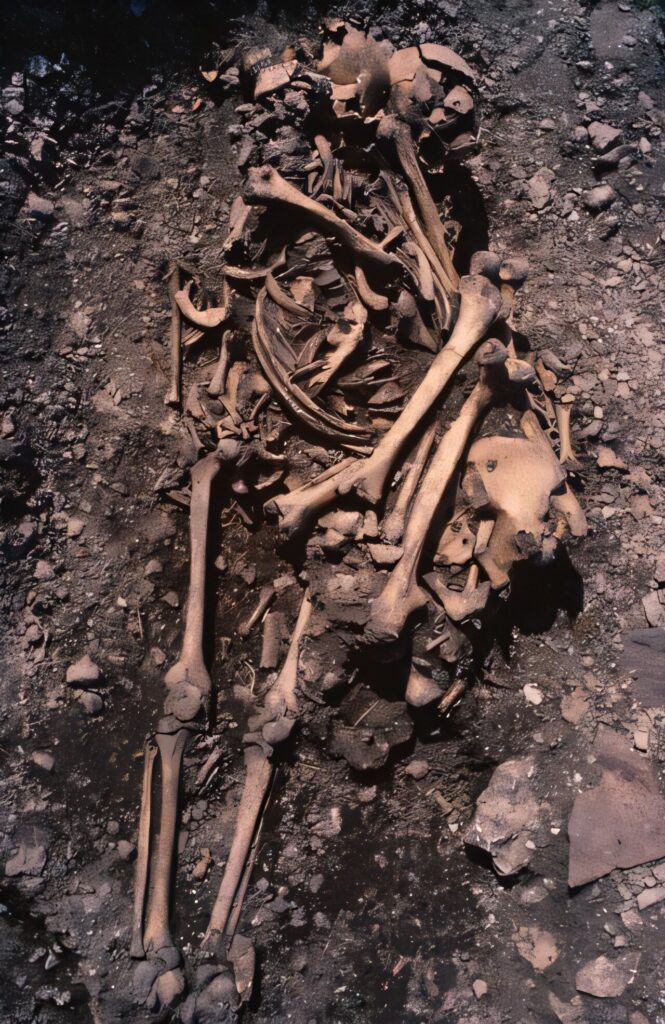
DNA established that the pair were parent and offspring.
Because the two individuals carried different mitochondrial DNA lineages, the relationship could not have been maternal. The only remaining possibility was that the adult man was the girl’s father.
Another burial held an adult woman together with two young children.
Ancient DNA showed that the children were full siblings.
The adult woman, however, was not their biological mother.
Instead, genetic evidence identified her as a second-degree relative, leaving several possible family roles, including paternal aunt or half-sister. Considering her relatively young age and the burial context, the researchers regarded the grandmother scenario as less likely.
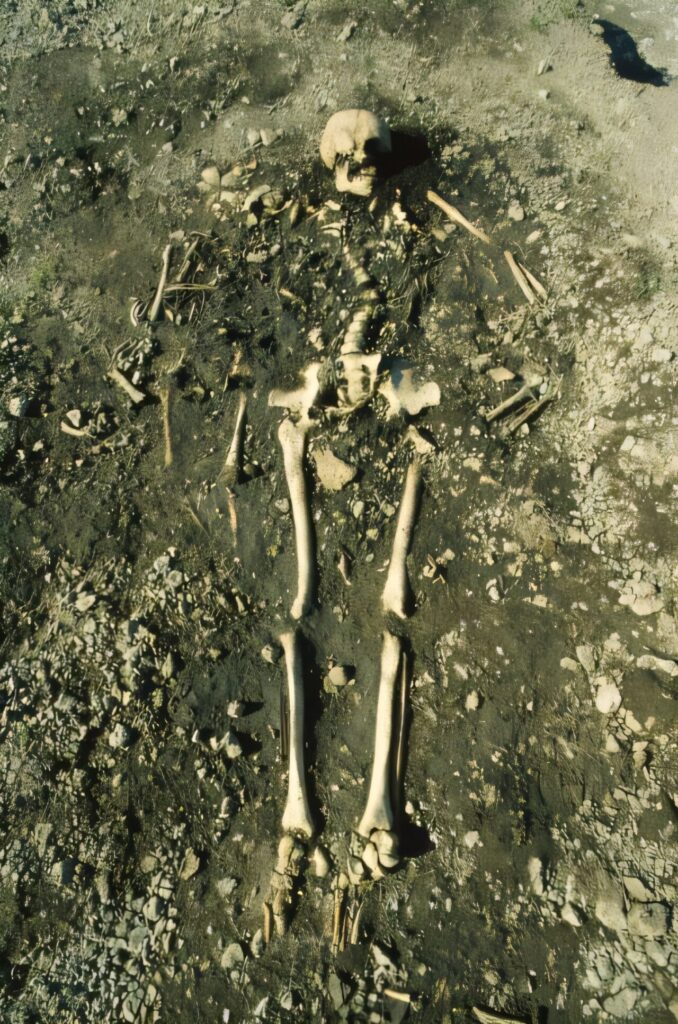
This result suggests that burial practices may have recognized extended family members rather than focusing only on parents and children.
The researchers even propose that this arrangement could hint at the care of genetically related children by relatives other than their parents, although they emphasize that this remains an interpretation rather than a demonstrated fact.
Even distant relatives appeared to matter
Perhaps the most surprising finding was how frequently third-degree relatives appeared together.
Modern people often think of immediate family as parents, siblings, and children.
The Ajvide cemetery paints a broader picture.
Two separate double burials contained individuals related at approximately the third-degree level. Such relationships can include first cousins, great-grandparents, great-grandchildren, great-aunts, great-uncles, or similar extended family members.
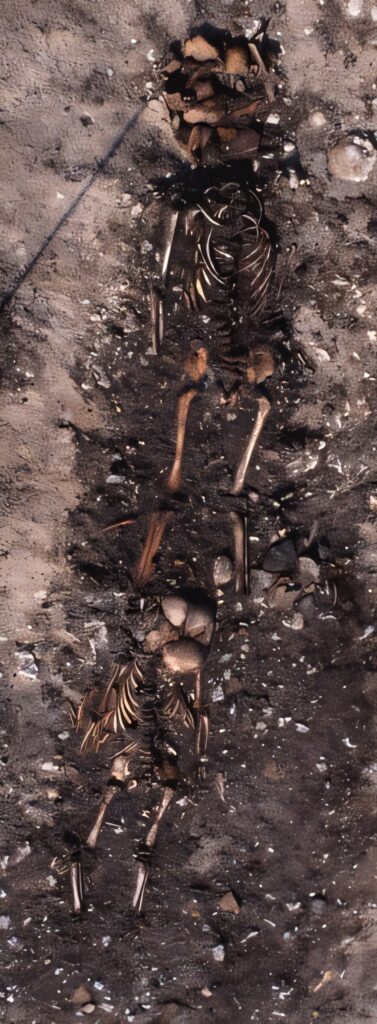
Because several genealogical possibilities produce the same genetic signal, the exact relationships cannot always be identified.
Nevertheless, the pattern itself is clear.
The burial ritual did not stop at immediate family.
Instead, it appears to have acknowledged a wider network of biological relatives extending well beyond the nuclear family.
Children occupied a special place within the cemetery
The study uncovered another striking pattern that had nothing to do with DNA alone.
Among the well-documented burials at Ajvide, nearly every multiple-person burial included at least one child.
Of the seven confirmed co-burials known from the cemetery, six contained subadults.
Statistical analysis indicated that this occurred almost nineteen times more often than expected by chance, making the association highly significant.
This suggests that children played a distinctive role in the cemetery’s burial traditions.
Why remains uncertain.
The researchers discuss several possibilities but caution that none can yet be confirmed.
It could reflect special cultural practices surrounding childhood, different social roles assigned to younger individuals, or the importance of maintaining family connections after death.
Earlier archaeological studies had already shown that burial treatment varied with age. Infants often received few or no grave goods, while older children were buried more similarly to adults.
The new genetic evidence adds another layer, showing that children were also frequently buried alongside close biological relatives.
Some relatives were reunited after death rather than buried together immediately
The research also examined radiocarbon dates and burial contexts to understand whether co-buried individuals died at the same time.
The answer was not always yes.
One father-daughter burial produced radiocarbon evidence consistent with deaths occurring during a similar period.
Another grave, however, told a different story.
Radiocarbon analysis indicated that the two related individuals were probably not buried immediately after dying.
Archaeological evidence already suggested that one of them had first undergone another burial process before being returned to the cemetery as bundled skeletal remains.
This creates an intriguing possibility.
Rather than simply burying people together because they died simultaneously, the community may have intentionally reunited relatives after death.
No physical markers identifying graves have survived above ground.
If relatives were deliberately returned to the correct burial place later, the researchers argue, the cemetery must have remained within the community’s collective memory.
The burial ritual cannot be explained by practical circumstances alone
The researchers considered whether simpler explanations could account for the observed patterns.
For example, children and caregivers sometimes die close together because infectious disease spreads within households, or because the death of a parent places young children at increased risk.
Such circumstances might naturally produce family burials without requiring deliberate ritual choices.
However, several observations argue against that explanation being sufficient.
None of the examined child burials paired children with their biological mothers.
The children’s ages were not concentrated solely among the youngest and most vulnerable.
Some related individuals appear to have died at different times.
In certain cases, adults were reburied after an earlier burial process rather than being interred immediately.
Taken together, these observations suggest that practical circumstances alone are unlikely to explain the burial arrangements.
Instead, the authors conclude that biological family relationships, together with age, were important factors influencing how people were buried.
The cemetery also revealed a connected island population
The investigation extended beyond Ajvide itself.
Researchers compared DNA from four Pitted Ware sites across Gotland.
Close relatives appeared not only within individual cemeteries but occasionally between different burial sites.
These findings indicate that Pitted Ware communities on the island were not genetically isolated from one another.
Instead, people from different settlements mixed regularly enough for family relationships to extend across archaeological sites.
Overall genetic similarity also remained relatively consistent between sites, supporting the idea of ongoing interaction among groups across Gotland.
Their ancestry tells a story of mixing without losing identity
The genetic analysis also reconstructed the broader ancestry of the Pitted Ware population.
The results indicate that these hunter-gatherers carried approximately 80% ancestry related to earlier Scandinavian Mesolithic hunter-gatherers and about 20% ancestry associated with Neolithic farming populations.
This confirms that some genetic mixing had occurred between hunter-gatherers and farming groups.
However, the study found no evidence of later gene flow from the Battle Axe Culture, despite archaeological signs that the two cultures interacted through exchanged objects and shared cultural influences.
The researchers therefore conclude that interactions between neighboring societies were selective rather than uniform.
Some groups exchanged both genes and culture, while others appear to have shared cultural influences without substantial intermarriage.
A small population did not mean widespread inbreeding
Because the island population was relatively small, the researchers also searched for signs of close inbreeding.
They analyzed long stretches of DNA known as runs of homozygosity, which can reveal whether parents were themselves closely related.
The results showed numerous short stretches of matching DNA.
This pattern reflects a population with a relatively small long-term size rather than repeated marriages between close relatives.
Importantly, the researchers found no evidence of extensive long runs of homozygosity, indicating that close inbreeding was generally uncommon within the Gotland Pitted Ware population.
The findings also raise new questions about social organization
The study provides evidence for biological family relationships, but it cannot reconstruct every aspect of social life.
DNA can identify relatives, yet it cannot directly reveal emotional bonds, social identities, adoption, ritual relationships, or other forms of kinship that leave no genetic signature.
The researchers therefore emphasize that biological kinship represents only one dimension of prehistoric social organization.
Some interpretations also remain tentative.
For example, although the burial containing an adult woman and two siblings may indicate care of related children by an extended family member, the available evidence cannot establish exactly how those individuals lived together.
Similarly, while genetic relationships between adult males may fit with a patrilocal system—where women moved after marriage—the sample size remains too limited for firm conclusions about residence patterns.
Five thousand years later, invisible family bonds have become visible again
For generations of archaeologists, the Ajvide cemetery presented an enduring puzzle.
The graves were carefully arranged, children repeatedly appeared beside adults, and some people were returned to the cemetery after death in ways that suggested deep social meaning.
Ancient DNA has now exposed a pattern hidden beneath the bones themselves.
Parents, siblings, aunts, cousins, and other close relatives were not randomly distributed across the cemetery. Instead, biological family connections repeatedly shaped who shared the same burial space, often extending beyond immediate family into broader networks of kin.
The researchers conclude that these findings reveal a society in which family relationships played a defining role in co-burial practices, while also showing that those family bonds reached beyond parents and children. At the same time, they note that further multidisciplinary investigation of Ajvide’s exceptional cemetery may uncover still more about how one of Europe’s last Stone Age hunter-gatherer societies organized both life and death.
Publication details
Genetic relatedness mattered in the co-burial ritual of Neolithic hunter-gatherers, Proceedings of the Royal Society B: Biological Sciences (2026). DOI: 10.1098/rspb.2025.0813. doi.org/10.1098/rspb.2025.0813