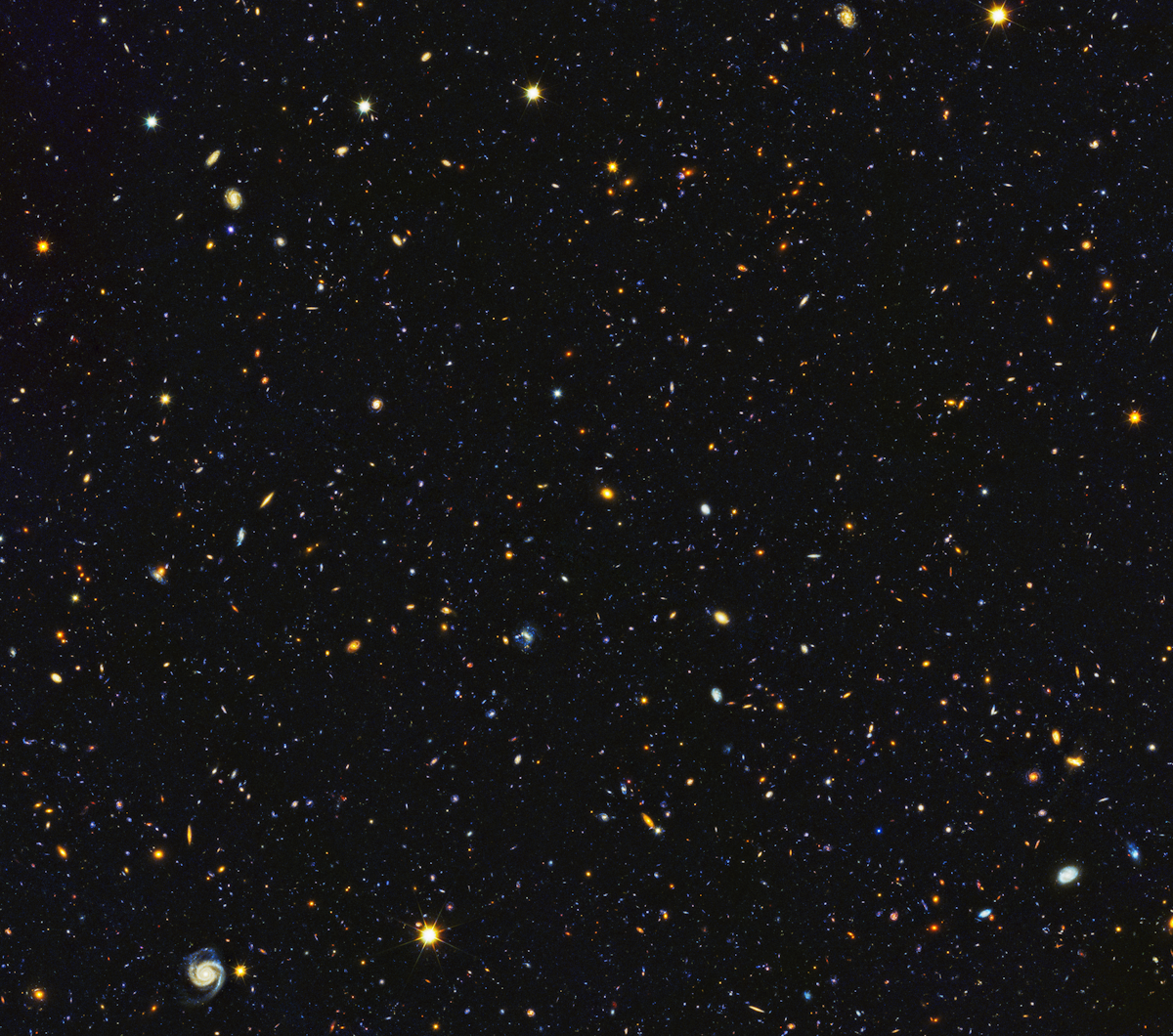
On a clear, moonless night, looking up at the sky can feel like staring into an endless sea of tiny lights. Thousands of stars sparkle overhead, inspiring wonder and curiosity. It is easy to imagine that the stars we can see are all that exist. In reality, they are only a tiny fraction of the stars in the universe.
One of the most fascinating questions in astronomy is: How many stars are there in space? The answer is both astonishing and humbling. Scientists cannot count every star individually, but by studying galaxies and the observable universe, they have developed remarkably accurate estimates. The numbers involved are so enormous that they stretch the limits of human imagination.
Understanding how astronomers estimate the number of stars also reveals something profound about our place in the cosmos. Every star is a distant sun, many with planets of their own, scattered across a universe far larger than anything we experience on Earth.
The Stars We Can See Are Just the Beginning
Even under the darkest skies on Earth, the human eye can see only about 2,500 to 3,000 stars at one time. Because Earth blocks half the sky, around 5,000 to 6,000 stars are visible from the entire planet over the course of a year.
Although this may seem like a large number, it is incredibly small compared to the total number of stars in our own galaxy.
Most stars are simply too far away or too faint to be seen without telescopes. Dust clouds within the Milky Way also block the light from countless distant stars, hiding them from our view.
Modern telescopes, both on Earth and in space, reveal millions upon millions of stars in areas of the sky that appear almost empty to our eyes.
What Is a Star?
Before exploring how many stars exist, it helps to understand what a star actually is.
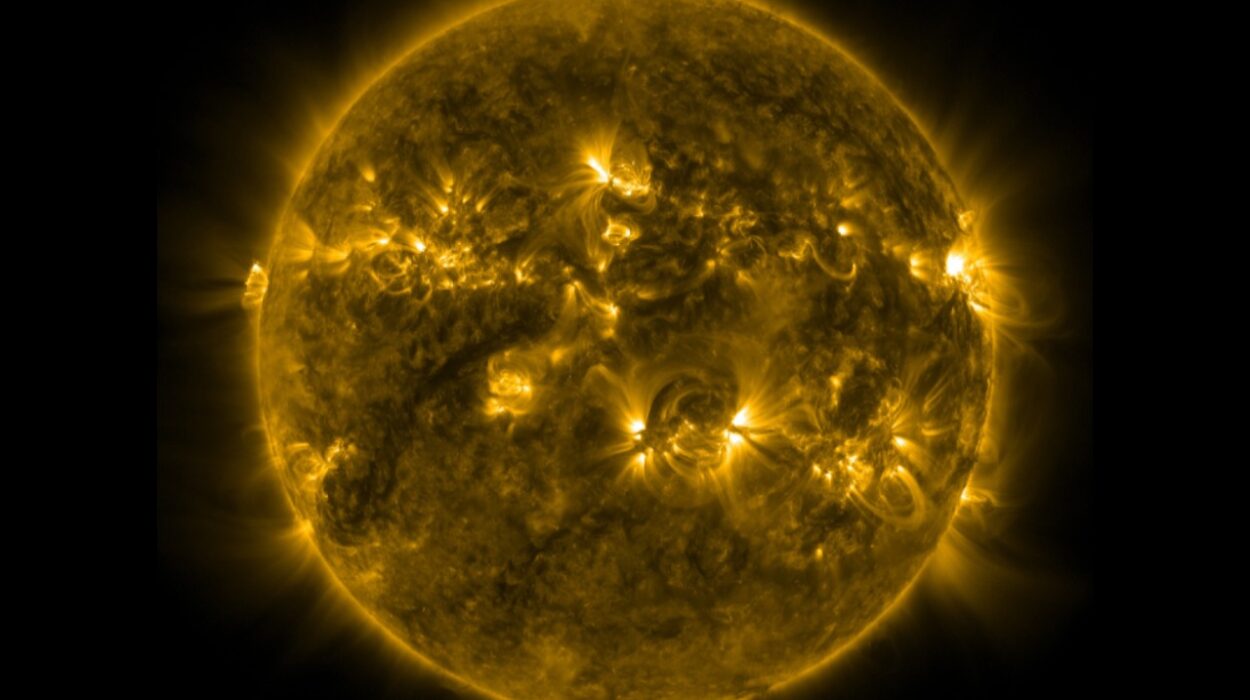
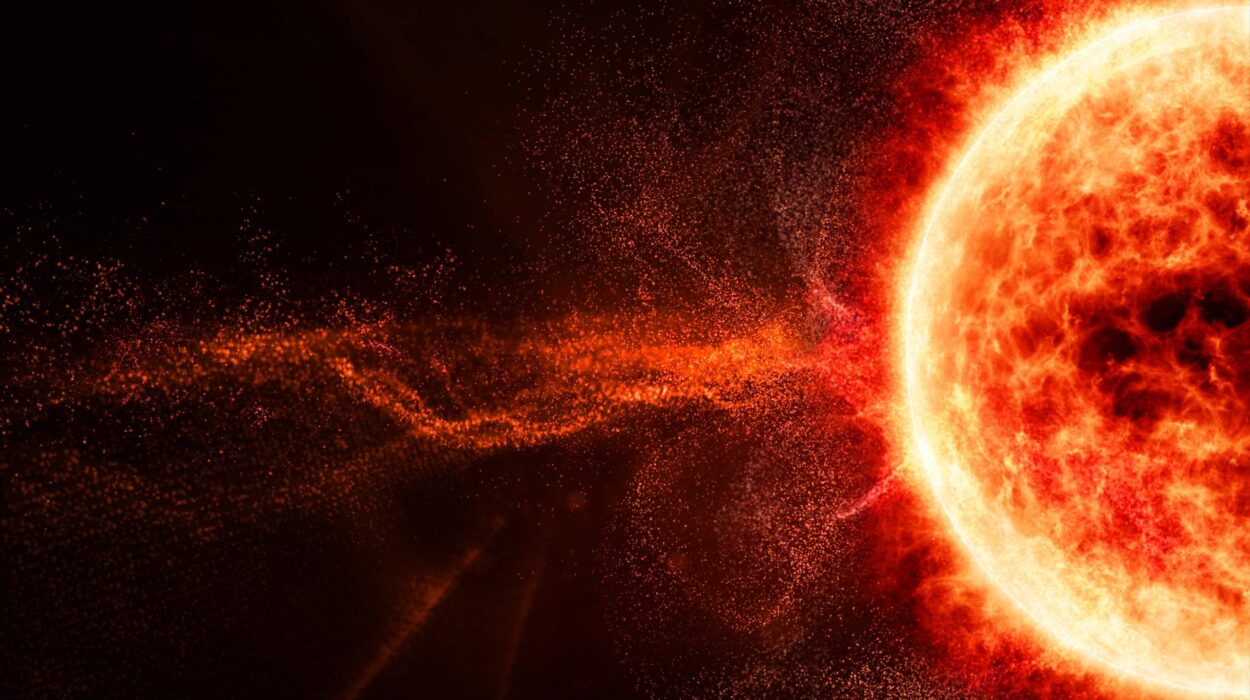
A star is a massive, glowing sphere of hot gas held together by gravity. At its core, enormous pressure and temperature allow hydrogen atoms to fuse into helium, releasing tremendous amounts of energy. This process, known as nuclear fusion, produces the light and heat that stars emit.
Our Sun is one of these stars. Although it appears much larger than the other stars in the sky, that is only because it is much closer to Earth. If the Sun were as far away as the nearest stars, it would look like a tiny point of light.
Every star you see at night is another sun, many with their own unique characteristics and, in many cases, their own planetary systems.
How Many Stars Are in the Milky Way?
The Milky Way is the galaxy that contains our Solar System. It is a vast spiral galaxy stretching about 100,000 light-years across.
Astronomers estimate that the Milky Way contains between 100 billion and 400 billion stars.
This range exists because counting every individual star is impossible. Many stars are hidden behind thick clouds of gas and dust, while others are extremely faint. Instead of counting one by one, scientists estimate the total by measuring the galaxy’s mass, observing different regions, and using computer models.
Even the lower estimate of 100 billion stars is almost impossible to imagine.
If you counted one star every second without ever stopping, it would take more than 3,000 years to count 100 billion stars.
Are All Stars Like the Sun?
Not at all.
Stars come in an enormous variety of sizes, colors, temperatures, and brightness levels.
Some stars are much smaller than the Sun. These are called red dwarfs, and they are actually the most common type of star in the Milky Way. They burn their fuel very slowly and can live for trillions of years.
Other stars are gigantic. Some red supergiants are hundreds or even more than a thousand times wider than the Sun.
There are also hot blue stars that shine millions of times brighter than our Sun but live only a few million years because they consume their fuel so quickly.
This incredible diversity means that every star has its own life story.
What Is a Galaxy?
To understand how many stars exist in space, we must first understand galaxies.
A galaxy is a massive collection of stars, gas, dust, and dark matter held together by gravity.
The Milky Way is just one galaxy among countless others.
Some galaxies are relatively small, containing only a few million stars.
Others are true giants, containing trillions of stars.
Galaxies come in different shapes, including spiral galaxies like the Milky Way, elliptical galaxies, and irregular galaxies.
Each galaxy is essentially a vast city of stars.
How Many Galaxies Are There?
For many years, astronomers believed that the observable universe contained around 100 billion galaxies.
However, deeper observations and improved computer analyses suggest that the true number may be significantly higher. Although estimates continue to evolve as telescopes improve, scientists agree that the observable universe contains hundreds of billions of galaxies, and some studies suggest the total may reach into the trillions when including very small and faint galaxies that are difficult to detect.
The exact number remains uncertain because many distant galaxies are extremely faint and lie at the limits of our current technology.
Regardless of the final count, the universe contains an extraordinary number of galaxies, each filled with stars.
How Many Stars Are in the Observable Universe?
Astronomers estimate that the observable universe contains roughly 200 sextillion to several sextillion stars.
A sextillion is written as:
1,000,000,000,000,000,000,000
That is a one followed by 21 zeros.
Even the lower end of this estimate represents more stars than all the grains of sand on Earth’s beaches and deserts combined.
Because the exact number of galaxies and stars in each galaxy varies, scientists express this as an estimate rather than an exact count.
The important point is that the observable universe contains an almost unimaginable number of stars.
Why Can’t Scientists Count Every Star?
At first glance, counting stars may sound simple.
In reality, it is one of astronomy’s greatest challenges.
Many stars are hidden behind clouds of cosmic dust.
Others are too faint for even the most powerful telescopes to detect individually.
Some galaxies are so distant that they appear only as tiny smudges of light.
Instead of counting stars directly, astronomers estimate the average number of stars in different kinds of galaxies. They then combine this information with observations of how many galaxies exist.
This method provides reliable estimates even though individual stars cannot all be counted.
What Does “Observable Universe” Mean?
The observable universe is the part of the universe whose light has had enough time to reach Earth since the universe began approximately 13.8 billion years ago.
Because light travels at a finite speed, we cannot see regions so distant that their light has not yet arrived.
This does not mean the observable universe is the entire universe.
The universe beyond what we can observe may be much larger—possibly infinitely large.
If that is true, the total number of stars could be vastly greater than current estimates.
Since we cannot observe those distant regions, astronomers limit their calculations to the observable universe.
How Do Astronomers Discover New Stars?
Modern astronomy uses many kinds of telescopes to study stars.
Optical telescopes collect visible light.
Infrared telescopes can see through clouds of dust that block visible light.
Radio telescopes detect radio waves emitted by celestial objects.
Space telescopes avoid the blurring effects of Earth’s atmosphere, providing incredibly detailed views of distant stars and galaxies.
Powerful observatories continue discovering previously unknown stars every year.
Large sky surveys have already cataloged billions of stars, and future missions are expected to identify billions more.
Do Most Stars Have Planets?
One of the most exciting discoveries in modern astronomy is that planets appear to be extremely common.
Observations from missions such as NASA’s Kepler Space Telescope have shown that many stars host planetary systems.
Astronomers now believe that most stars in the Milky Way probably have at least one planet.
Considering that our galaxy alone contains hundreds of billions of stars, this suggests there are likely hundreds of billions of planets in the Milky Way as well.
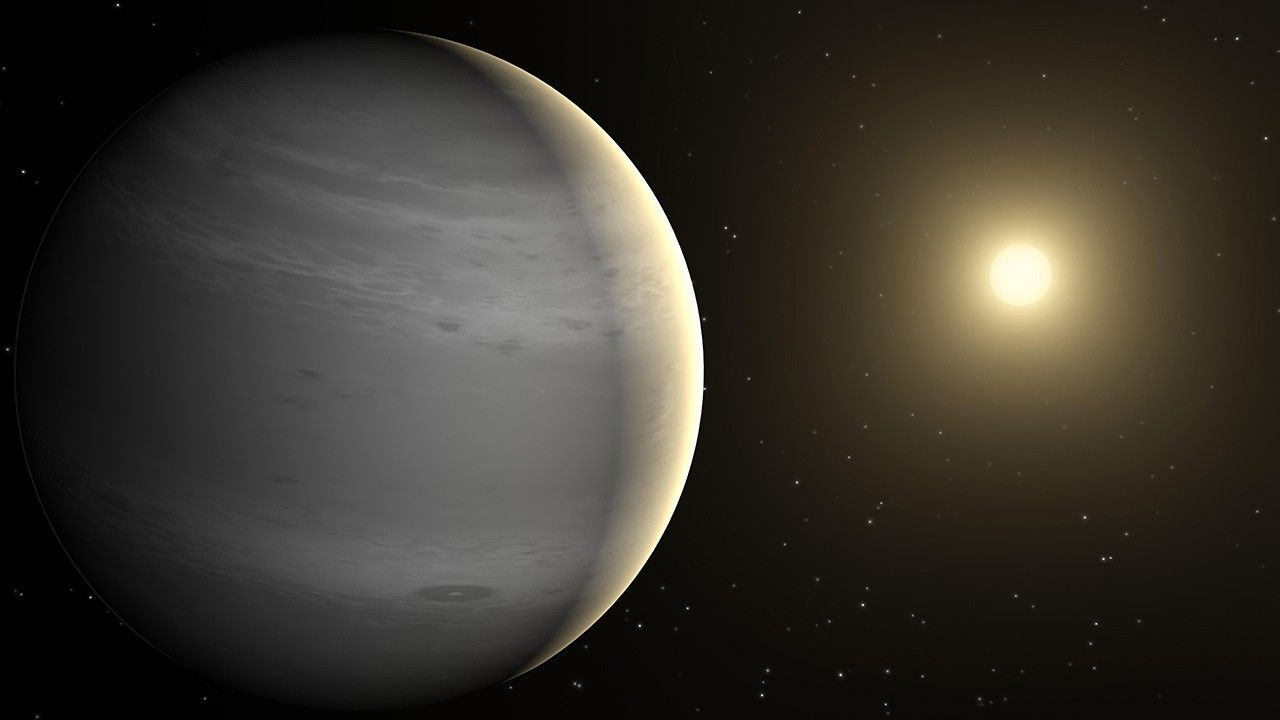
Some of these planets may resemble Earth in size or temperature, while others are giant gas planets or entirely different types of worlds.
How Long Do Stars Live?
Stars are not eternal.
They are born from enormous clouds of gas and dust called nebulae.
Gravity causes these clouds to collapse until nuclear fusion begins.
A star then spends most of its life converting hydrogen into helium.
Eventually, its fuel begins to run out.
Small stars slowly cool and become white dwarfs.
Massive stars end their lives in spectacular explosions called supernovae, creating neutron stars or black holes.
These dramatic endings scatter heavy elements throughout space, providing the building blocks for new stars, planets, and even life itself.
In a very real sense, the atoms in our bodies were forged inside ancient stars.
Are There More Stars Than Grains of Sand?
People often compare the number of stars with grains of sand because both numbers are incredibly large.
Scientists estimate that Earth contains roughly several sextillion grains of sand across all its beaches and deserts.
The estimated number of stars in the observable universe is also measured in sextillions and is generally thought to be at least comparable to—and likely greater than—the total number of grains of sand on Earth.
Although both figures are estimates, the comparison helps illustrate just how immense the universe truly is.
Can We Visit Other Stars?
The nearest star beyond the Sun is Proxima Centauri, located about 4.24 light-years away.
That distance equals approximately 40 trillion kilometers (25 trillion miles).
With today’s spacecraft technology, reaching even the nearest star would take tens of thousands of years.
Scientists are exploring future technologies that might one day allow much faster interstellar travel, but for now, the stars remain distant destinations.
Even so, telescopes allow us to study them in remarkable detail from Earth.
What Have Space Telescopes Taught Us?
Space telescopes have transformed our understanding of the universe.
The Hubble Space Telescope revealed that seemingly empty regions of space are filled with countless galaxies.
The James Webb Space Telescope has observed some of the earliest galaxies ever formed, allowing astronomers to look farther back in time than ever before.
These discoveries continue to refine estimates of how many galaxies and stars exist while deepening our understanding of how the universe evolved.
Each new observation reminds us that the cosmos is even richer and more complex than previously imagined.
Why So Many Stars Matter
The enormous number of stars is more than just an interesting statistic.
Every star represents a unique environment where planets may form.
Many stars likely host worlds with oceans, atmospheres, mountains, and weather.
Some may possess conditions suitable for life.
Although no evidence of life beyond Earth has yet been confirmed, the sheer number of stars greatly expands the possibilities.
The vast population of stars also shapes the universe itself. Stars produce the heavy elements that become planets, build galaxies, and eventually make life possible.
Without stars, there would be no carbon, oxygen, iron, or many of the other elements essential to our existence.
A Universe Filled With Light
When we gaze into the night sky, we are seeing only a tiny glimpse of an unimaginably vast cosmos. The few thousand stars visible to our eyes are just the nearest members of an immense galactic neighborhood. Beyond them lie hundreds of billions of additional stars in the Milky Way, and beyond our galaxy stretch hundreds of billions of other galaxies, each containing countless more suns.
Astronomers estimate that the observable universe contains roughly 200 sextillion to several sextillion stars—a number so large that it defies ordinary comprehension. Yet every one of those stars is part of the same universe that gave rise to Earth, our Sun, and ourselves.
Perhaps the most inspiring realization is that every point of starlight carries a story. Some stars are being born inside glowing nebulae. Others are shining steadily with planets in orbit around them. Some have already ended their lives in brilliant explosions, enriching space with the elements needed for future generations of stars and worlds.
The universe is filled with stars beyond counting, and each one reminds us that our cosmic story is part of something far greater than we can ever fully imagine.