Human waste preserved in Roman toilets in what is now Bulgaria has yielded the earliest reliable evidence of Cryptosporidium in the Mediterranean region, along with traces of other parasites that infected people living there nearly 2,000 years ago.
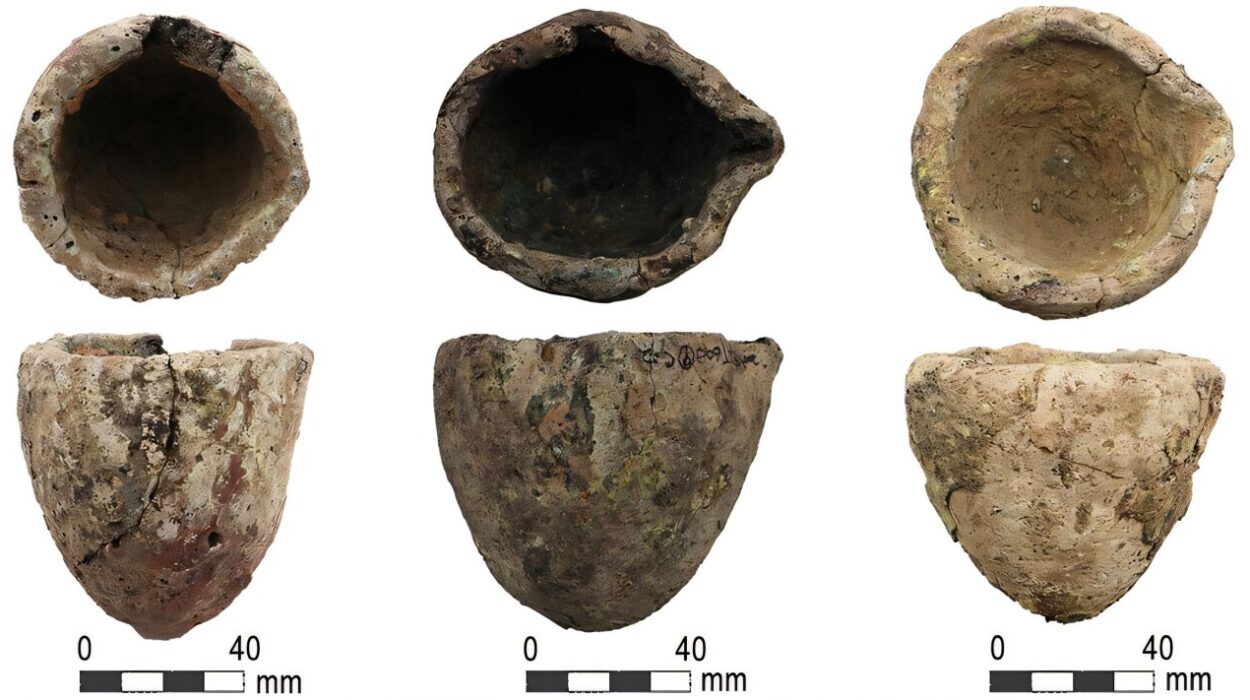
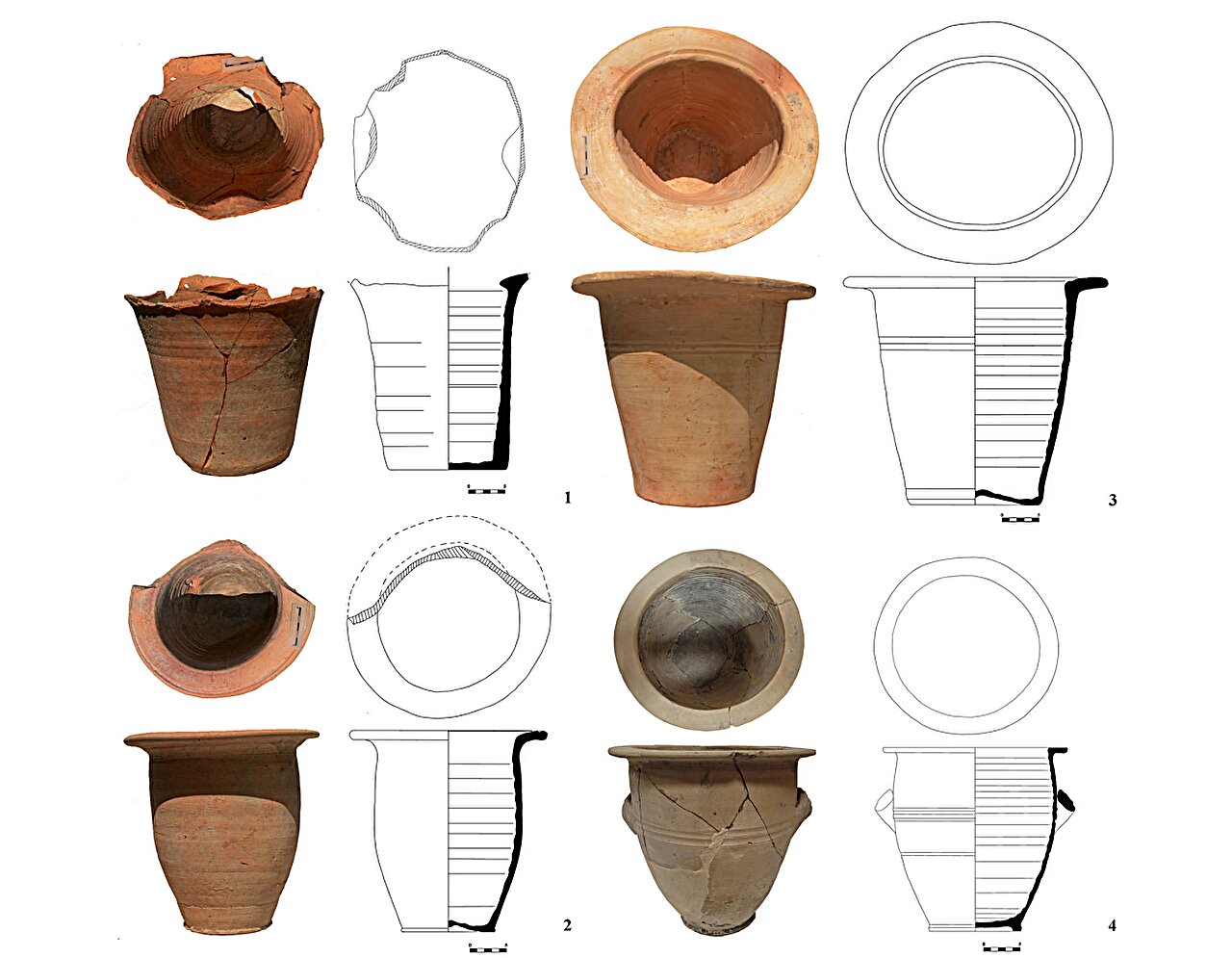
The evidence comes from toilets and chamber pots dating from the 2nd to 4th centuries CE in the Roman province of Moesia Inferior. Researchers collected material from archaeological sites at Novae and Marcianopolis, near present-day Svishtov in Bulgaria.
The waste had survived as hard, mineralized deposits on ceramic surfaces. Researchers scraped samples from the inner walls of the vessels, where liquid waste could splash and dry, and from the bottoms, where solid waste and minerals accumulated.
They then rehydrated the material and passed it through very fine sieves before examining it under a microscope at 400× magnification. This allowed them to look for parasite eggs and other remains.
Some parasites are difficult to distinguish by appearance alone. The team therefore also used ancient DNA analysis and an antibody-based test known as ELISA. The latter can detect particular parasite proteins through a chemical color change.
That approach was particularly useful for Cryptosporidium, whose remains are fragile and can break down over long periods.
The unexpected evidence for Cryptosporidium
Most of the samples contained evidence of Cryptosporidium, a protozoan parasite. The finding is significant because the parasite had been thought to have originated in Central America.
The Roman material provides the earliest reliable evidence so far of Cryptosporidium in the Mediterranean region.
The analysis also identified Entamoeba histolytica, the parasite responsible for amoebic dysentery, a severe intestinal illness. Tapeworm eggs were found as well. Their presence points to the likely consumption of raw or undercooked meat, probably beef or pork, that was contaminated with the parasite.
Two Roman communities had different parasite evidence
The samples from Novae and Marcianopolis did not tell the same story.
Many samples from Novae contained parasites. The researchers suggested that contaminated Danube water or polluted aqueducts could have contributed to their presence.
Samples taken from a workshop in Marcianopolis, by contrast, contained no detectable parasites. The researchers suggested that people there may have had access to cleaner water, possibly supplied by four natural springs, or may have had a better diet.
The study was part of growing research into ancient parasites, a field that expanded in the early 2000s as improved detection methods made it easier to identify traces left in archaeological material. The researchers began collecting the samples in 2022.
The study was published in npj Science Heritage.