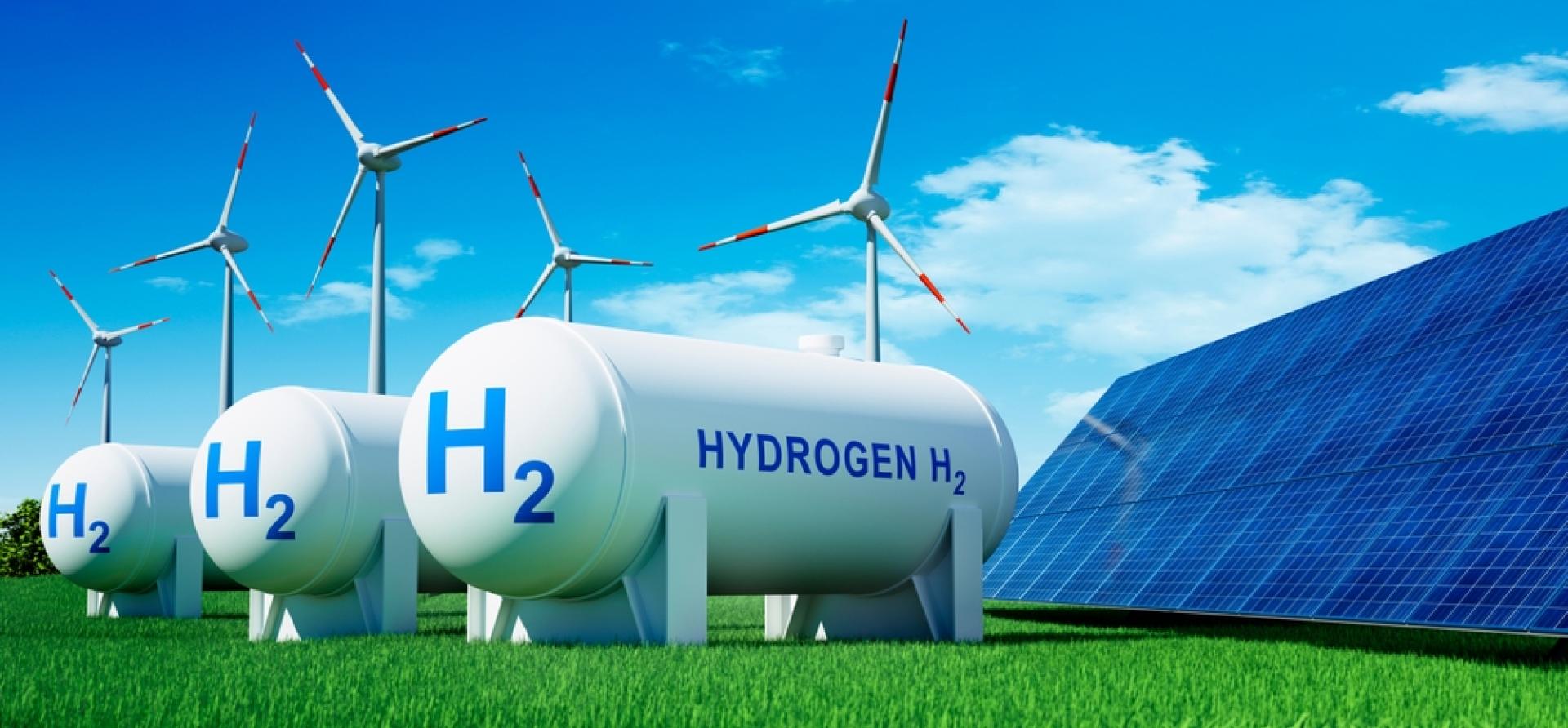
Imagine a fuel that produces no carbon dioxide when it is used. A fuel that could power factories, ships, trucks, and even entire cities while leaving behind nothing more than water. It may sound like science fiction, but this is the promise of green hydrogen—one of the world’s most exciting clean energy technologies.
As countries search for ways to slow climate change and reduce dependence on fossil fuels, green hydrogen has become a major focus of scientific research and global investment. Governments, engineers, and energy companies see it as a powerful tool that could help create a cleaner, more sustainable future.
But what exactly is green hydrogen? How is it made? Why is it called “green,” and why are scientists so excited about it? Understanding these questions begins with understanding one of the simplest elements in the universe.
Understanding Hydrogen
Hydrogen is the lightest and most abundant chemical element in the universe. Every hydrogen atom contains just one proton and one electron, making it the simplest atom known to science.
Although hydrogen fills much of the universe, it is surprisingly rare as a pure gas on Earth. Instead, it is usually found combined with other elements. The most familiar example is water, whose chemical formula is H₂O, meaning each water molecule contains two hydrogen atoms bonded to one oxygen atom.
Hydrogen is also found in natural gas, petroleum, biomass, and many organic compounds. Before it can be used as a fuel, it must first be separated from these substances. How that separation happens determines whether the hydrogen is considered clean or polluting.
Why Is It Called Green Hydrogen?
Not all hydrogen is produced in the same way.
The word “green” does not describe the color of the gas itself. Hydrogen is actually colorless, odorless, and tasteless. Instead, the color refers to the environmental impact of the production process.
Green hydrogen is produced by splitting water into hydrogen and oxygen using electricity generated entirely from renewable energy sources such as solar panels, wind turbines, or hydropower. Because renewable electricity does not release carbon dioxide during power generation, the entire process can produce hydrogen with little or no direct greenhouse gas emissions.
This is what makes green hydrogen fundamentally different from conventional hydrogen production.
How Green Hydrogen Is Made
The heart of green hydrogen production is a process called electrolysis.
Electrolysis uses an electrical current to separate water into its two elements: hydrogen and oxygen.
Inside a device called an electrolyzer, water passes through specially designed electrodes. When renewable electricity flows through the system, water molecules break apart.
Hydrogen gas forms at one electrode, while oxygen gas forms at the other.
The chemical reaction can be written as:
2H₂O → 2H₂ + O₂
This means two water molecules produce two hydrogen molecules and one oxygen molecule.
The hydrogen can then be collected, compressed, stored, and transported for later use.
The oxygen produced during electrolysis can also be captured and used in hospitals, manufacturing, wastewater treatment, and various industrial processes.
Why Renewable Electricity Matters
Electrolysis itself is not new. Scientists have understood the process for more than two centuries.
What makes green hydrogen special is the source of the electricity.
If electricity comes from coal-fired power plants or natural gas, producing hydrogen can indirectly generate large amounts of carbon dioxide.
However, when electricity comes from renewable sources like sunlight or wind, hydrogen production becomes much cleaner.
In this way, green hydrogen acts as a bridge between renewable electricity and sectors that are difficult to electrify directly.
The Different Colors of Hydrogen
Scientists and energy experts often use different colors to describe hydrogen production methods.
Green hydrogen is produced using renewable electricity and water.
Gray hydrogen is usually produced from natural gas through a process called steam methane reforming. This method releases significant amounts of carbon dioxide into the atmosphere.
Blue hydrogen also starts with natural gas, but some of the carbon dioxide emissions are captured and stored using carbon capture and storage technologies. Although blue hydrogen can reduce emissions, it is generally not considered as clean as green hydrogen because fossil fuels are still involved.
There are also other terms, such as pink hydrogen, which is produced using electricity from nuclear power plants, and turquoise hydrogen, which is created through methane pyrolysis under specific conditions. These classifications help distinguish different production methods rather than different forms of hydrogen gas.
Why Green Hydrogen Is Considered Clean
One of the greatest advantages of green hydrogen is what happens when it is used.
When hydrogen reacts with oxygen inside a fuel cell or burns under controlled conditions, the main product is water.
Unlike coal, oil, or natural gas, hydrogen itself contains no carbon. Because carbon is absent, using hydrogen does not directly produce carbon dioxide.
This makes green hydrogen an attractive option for reducing greenhouse gas emissions, especially in industries where eliminating fossil fuels has proven difficult.
However, scientists also note that the overall environmental benefits depend on how the hydrogen is produced, transported, stored, and used. Truly low-carbon hydrogen requires clean electricity throughout the production process.
Hydrogen as an Energy Carrier
Hydrogen is often described as an energy carrier rather than an energy source.
This distinction is important.
Coal contains stored chemical energy that formed naturally over millions of years.
Sunlight is a natural energy source produced by the Sun.
Hydrogen, however, must first be manufactured using energy from another source.
Think of hydrogen as similar to a rechargeable battery. Electricity is used to produce hydrogen, and later that hydrogen can release energy when needed.
Because of this, hydrogen provides a way to store renewable electricity for future use.
Storing Renewable Energy
Renewable energy has one important limitation.
Solar panels generate electricity only when the Sun shines.
Wind turbines produce electricity only when the wind blows.
Sometimes renewable energy systems generate more electricity than people need at that moment.
Instead of wasting this excess electricity, it can be used to produce green hydrogen through electrolysis.
The hydrogen can then be stored for days, months, or even longer before being converted back into electricity or used as fuel.
This ability to store energy makes hydrogen especially valuable for balancing future electricity grids powered by renewable energy.
How Green Hydrogen Produces Electricity
One of the most efficient ways to use hydrogen is through a fuel cell.
Unlike a traditional engine that burns fuel, a fuel cell generates electricity through an electrochemical reaction.
Inside the fuel cell, hydrogen combines with oxygen from the air.
The reaction produces electricity, heat, and water.
Because there is no combustion, fuel cells can be highly efficient and operate with very low emissions when supplied with green hydrogen.
Fuel cells are already used in buses, trucks, trains, forklifts, backup power systems, and even spacecraft.
Green Hydrogen in Transportation
Electric cars powered by batteries have become increasingly common, but batteries are not the best solution for every type of transportation.
Heavy trucks, long-distance buses, cargo ships, and some trains require enormous amounts of energy.
Very large batteries can become extremely heavy and take a long time to recharge.
Hydrogen fuel cells offer another option.
Hydrogen vehicles can often be refueled more quickly than battery-powered vehicles, and hydrogen stores a large amount of energy by weight.
Scientists continue studying where hydrogen offers advantages and where battery-electric technologies remain the better choice.
Rather than competing directly, both technologies may play important roles in reducing transportation emissions.
Green Hydrogen in Industry
Some industries are particularly difficult to decarbonize because they require extremely high temperatures or involve chemical reactions that currently depend on fossil fuels.
Steel production is one example.
Traditional steelmaking uses coal to remove oxygen from iron ore, releasing large amounts of carbon dioxide.
Researchers are developing methods that use hydrogen instead of coal, potentially reducing emissions significantly.
Hydrogen is also being explored for producing chemicals such as ammonia, refining petroleum, manufacturing fertilizers, and supporting other industrial processes.
These industries account for a substantial share of global greenhouse gas emissions, making cleaner alternatives especially valuable.
Green Hydrogen and Electricity Generation
Hydrogen can also help generate electricity.
During periods of high renewable energy production, excess electricity can create hydrogen.
Later, when electricity demand rises or renewable generation falls, stored hydrogen can fuel turbines or fuel cells to generate electricity again.
Although this process is less energy-efficient than using electricity directly, it provides valuable long-term energy storage that batteries may not easily provide over seasonal timescales.
Can Green Hydrogen Power Homes?
In some regions, researchers are investigating whether hydrogen can be used for heating buildings or cooking.
Some existing natural gas infrastructure may be adaptable for hydrogen under certain conditions, although this depends on technical, economic, and safety considerations.
Scientists continue studying the best ways to integrate hydrogen into future energy systems while ensuring safety and efficiency.
In many cases, direct electrification using heat pumps or electric appliances may remain more energy-efficient, while hydrogen may be better suited for applications where electricity alone is less practical.
The Advantages of Green Hydrogen
Green hydrogen offers several remarkable benefits.
It can significantly reduce carbon emissions when produced with renewable electricity.
It provides a way to store renewable energy for extended periods.
It can support industries that are difficult to electrify directly.
It produces water rather than carbon dioxide during use.
It can help reduce dependence on fossil fuels and improve energy security in regions rich in renewable resources.
Because hydrogen is so versatile, it can connect electricity generation, transportation, manufacturing, and energy storage into a more flexible clean energy system.
The Challenges Facing Green Hydrogen
Despite its promise, green hydrogen also faces important challenges.
Producing hydrogen through electrolysis requires large amounts of electricity.
If renewable electricity is limited, using that electricity directly may often be more efficient than first converting it into hydrogen.
Electrolyzers remain relatively expensive, although costs have been declining as technology improves and manufacturing expands.
Hydrogen storage also presents engineering challenges.
Because hydrogen molecules are extremely small, they can escape through tiny openings more easily than many other gases. Hydrogen also has a low energy density by volume under normal conditions, so it is often compressed or liquefied for storage and transport, both of which require additional energy.
Building pipelines, storage facilities, fueling stations, and industrial infrastructure requires substantial investment.
Scientists and engineers continue working to overcome these challenges through improved materials, better electrolyzers, more efficient storage systems, and lower production costs.
Is Green Hydrogen Safe?
Like all fuels, hydrogen must be handled carefully.
Hydrogen is flammable, but so are gasoline, natural gas, and many other fuels used safely every day.
Modern hydrogen systems include sophisticated sensors, ventilation systems, pressure controls, and engineering standards designed to minimize risks.
Hydrogen has unique safety characteristics. Because it is the lightest gas, leaked hydrogen rises rapidly into the atmosphere instead of pooling near the ground in many outdoor situations.
Proper design, maintenance, and safety procedures are essential for any hydrogen technology.
Green Hydrogen Around the World
Many countries have announced ambitious plans for green hydrogen development.
Regions with abundant sunlight and strong winds are particularly well positioned because they can generate large amounts of renewable electricity.
Large-scale projects are being developed to produce hydrogen for domestic use as well as international export.
Governments, universities, and private companies are investing billions of dollars in research, infrastructure, and manufacturing to accelerate the growth of the hydrogen economy.
Although widespread adoption will take time, global interest continues to expand rapidly.
The Role of Green Hydrogen in Fighting Climate Change
Climate scientists agree that reducing greenhouse gas emissions is essential for limiting global warming.
No single technology can solve climate change on its own.
Instead, experts expect a combination of renewable electricity, energy efficiency, battery storage, carbon capture, sustainable fuels, and green hydrogen to work together.
Green hydrogen is especially valuable because it addresses sectors where direct electrification may be difficult.
By replacing fossil fuels in heavy industry, shipping, aviation fuels, and long-term energy storage, green hydrogen could help reduce emissions that are otherwise challenging to eliminate.
The Future of Green Hydrogen
The future of green hydrogen depends on continued scientific innovation, falling renewable electricity costs, improved electrolyzer technology, and expanded infrastructure.
Researchers are developing more efficient electrolyzers that require less electricity and use fewer expensive materials. Engineers are designing safer storage systems, stronger pipelines, and more efficient fuel cells. Scientists are also exploring entirely new methods of producing hydrogen using sunlight, advanced catalysts, and biological processes.
As renewable energy becomes more affordable worldwide, green hydrogen may become increasingly competitive with hydrogen produced from fossil fuels.
Many experts believe that green hydrogen will become an important part of the global transition toward cleaner energy, although its greatest value is likely to be in sectors where direct electrification is difficult rather than replacing electricity everywhere.
Why Green Hydrogen Matters
Green hydrogen represents more than just another alternative fuel. It represents a new way of thinking about energy—one that connects renewable electricity, clean industry, sustainable transportation, and long-term energy storage into a single system. By using water and renewable electricity to produce hydrogen with minimal greenhouse gas emissions, scientists and engineers are creating a pathway toward a lower-carbon future.
The technology is not without challenges, and it is not a universal solution. Producing, transporting, and storing hydrogen efficiently still requires significant advances in science, engineering, and infrastructure. Yet its potential is enormous. It offers one of the few scientifically credible options for reducing emissions in industries and transportation sectors that are otherwise difficult to decarbonize.
As research continues and technology improves, green hydrogen is expected to play an increasingly important role alongside solar power, wind energy, batteries, and other clean technologies. While it may not replace every fossil fuel, it has the potential to become one of the key building blocks of a more sustainable energy system—helping societies reduce carbon emissions while meeting the growing demand for reliable, clean, and flexible energy.