The internet has transformed the way we live. It allows us to communicate instantly, shop from anywhere, manage our finances, learn new skills, and stay connected with people across the globe. Every day, billions of people rely on online services for work, education, entertainment, and personal communication.
Unfortunately, the same technology that makes life easier also creates opportunities for criminals. Online scammers exploit trust, curiosity, fear, urgency, and even kindness to steal money, personal information, or valuable digital accounts. Their methods continue to evolve as technology changes, making scams more convincing than ever before.
Understanding how online scams work is one of the best ways to protect yourself. Most scams do not rely on advanced hacking. Instead, they rely on manipulating human emotions and decision-making. This approach is known as social engineering, and it remains one of the most effective tools used by cybercriminals.
Learning to recognize common scams can help you stay safe in an increasingly connected world.
What Is an Online Scam?
An online scam is a fraudulent scheme carried out through the internet with the goal of deceiving people into giving away money, sensitive information, or access to valuable accounts.
Scammers may contact victims through email, text messages, social media, online advertisements, messaging apps, dating platforms, fake websites, or even phone calls that begin with information gathered online.
Some scams are carefully planned and target specific individuals or organizations. Others are sent to millions of people in the hope that a small percentage will respond.
Regardless of the method, the goal is usually the same: convince someone to trust the scammer long enough to make a costly mistake.
Why Online Scams Are So Effective
Many people believe they would never fall for an online scam. Yet millions of intelligent, experienced, and cautious people become victims every year.
This happens because scammers understand human psychology.
They often create a sense of urgency, making victims feel they must act immediately. They may pretend that an account has been hacked, a package cannot be delivered, or a payment is overdue. Fear and panic reduce careful thinking.
Other scams appeal to excitement by promising prizes, investment opportunities, or high-paying jobs.
Some exploit kindness by pretending to represent charities or people in desperate need.
Others build trust slowly through weeks or even months of friendly conversation before asking for money.
The effectiveness of scams comes from manipulating emotions rather than overcoming technology.
Phishing Scams
Phishing is one of the oldest and most widespread online scams.
In a phishing attack, scammers pretend to be a trusted organization, such as a bank, online store, government agency, or technology company.
They send emails or messages claiming there is an urgent problem with your account. The message usually contains a link directing you to what appears to be an official website.
The fake website is designed to look almost identical to the real one. If you enter your username, password, credit card number, or other sensitive information, the scammer collects it immediately.
Modern phishing websites are often professionally designed, making them difficult to recognize at first glance.
Smishing Scams
Smishing is phishing carried out through text messages instead of email.
A message may claim that your bank account has been locked, a delivery package is waiting, or you must confirm personal information immediately.
The message often includes a link to a fake website or asks you to call a fraudulent phone number.
Because people often trust text messages more than emails, smishing has become increasingly common.
Vishing Scams
Vishing refers to voice phishing.
Instead of sending messages, scammers call victims directly.
They may pretend to be bank employees, technical support representatives, tax officials, police officers, or customer service agents.
Their goal is to persuade the victim to reveal passwords, banking information, security codes, or other confidential data.
Some scammers use technology that makes the caller ID appear to belong to a legitimate organization, making the call seem authentic.
Fake Shopping Websites
Online shopping has become part of everyday life, and scammers take advantage of this popularity.
Fake online stores often advertise luxury products, electronics, clothing, or collectibles at unbelievably low prices.
The websites may look professional and include copied product images and fake customer reviews.
After payment is made, the product may never arrive.
Sometimes victims receive cheap counterfeit items instead of what they ordered.
In other cases, the scammers disappear completely, taking both the money and any payment information entered during the purchase.
Online Marketplace Scams
Many scams occur on online marketplaces where individuals buy and sell items directly.
A scammer may ask the buyer to pay outside the official platform, claiming it will speed up the transaction.
Some sellers advertise products they never intend to ship.
Other scammers send fake payment confirmations, convincing sellers to ship expensive items before any money has actually been received.
Using secure payment systems provided by trusted marketplaces greatly reduces these risks.
Investment Scams
Investment scams promise unusually high profits with little or no risk.
They often involve cryptocurrencies, foreign exchange trading, precious metals, real estate, or supposedly revolutionary business opportunities.
Scammers may show fake charts, fabricated testimonials, or false account balances to convince victims that their investments are growing rapidly.
When victims attempt to withdraw their money, they are often told to pay additional taxes, fees, or verification charges.
Eventually, communication stops entirely.
A basic principle of investing remains true: if an opportunity sounds too good to be true, it probably is.
Cryptocurrency Scams
Digital currencies have created exciting financial innovations, but they have also attracted scammers.
Fraudsters may promote fake cryptocurrency exchanges, counterfeit digital wallets, or fraudulent investment platforms.
Some impersonate well-known companies or public figures, claiming they will double any cryptocurrency sent to a certain address.
Because cryptocurrency transactions are generally irreversible, recovering stolen funds is often extremely difficult.
Understanding how legitimate cryptocurrency systems work is an important defense against fraud.
Romance Scams
Romance scams are among the most emotionally devastating forms of online fraud.
Scammers create fake profiles on dating websites or social media platforms.
They spend weeks or months building trust through regular conversations.
Eventually, they invent emergencies involving medical expenses, travel problems, family crises, or business difficulties.
Victims who believe they are helping someone they love may send large amounts of money.
In reality, the relationship never existed.
These scams exploit genuine human emotions, making them particularly painful.
Tech Support Scams
Tech support scams convince people that their computer or smartphone has a serious problem.
Victims may receive alarming pop-up messages claiming their device has been infected with dangerous viruses.
The message instructs them to call a support number immediately.
The scammer then pretends to diagnose nonexistent problems and requests payment for unnecessary repairs.
In some cases, they ask for remote access to the victim’s computer, allowing them to install malicious software or steal sensitive files.
Legitimate technology companies generally do not display alarming pop-up messages demanding immediate phone calls.
Fake Job Scams
Finding employment online has become common, making job seekers attractive targets.
Scammers advertise high-paying positions requiring little experience.
Applicants may be asked to pay training fees, purchase equipment from a specific supplier, or provide sensitive personal information before being hired.
Some fake employers send counterfeit checks and instruct victims to buy equipment, later discovering that the checks were fraudulent.
Legitimate employers rarely require applicants to pay money before starting work.
Charity Scams
Natural disasters, wars, and humanitarian crises often inspire generosity.
Unfortunately, scammers exploit these moments by creating fake charities or impersonating legitimate organizations.
They pressure people to donate immediately before verifying the organization’s authenticity.
Supporting well-established charities through their official websites is generally much safer than responding to unsolicited requests.
Lottery and Prize Scams
Many people receive emails or messages claiming they have won large sums of money, expensive vacations, or valuable prizes.
The only requirement, the scammer says, is paying taxes, processing fees, or shipping costs.
No legitimate lottery asks winners to pay fees before receiving their prize.
If you never entered a competition, winning it is impossible.
Social Media Scams
Social media platforms provide scammers with enormous opportunities.
Fake giveaways promise luxury products in exchange for personal information.
Fraudulent advertisements promote nonexistent products.
Impersonation accounts copy real users to deceive friends and family.
Scammers may also hijack legitimate accounts and send messages requesting emergency financial assistance.
Verifying unusual requests through another communication method can prevent these scams.
Identity Theft
Identity theft occurs when criminals steal personal information to impersonate someone else.
This information may include names, addresses, birthdays, identification numbers, passwords, or financial account details.
With enough information, criminals may open bank accounts, apply for loans, make purchases, or commit other crimes using another person’s identity.
Identity theft often begins with smaller scams, such as phishing emails or data breaches.
Protecting personal information is therefore one of the most important aspects of online security.
QR Code Scams
QR codes have become increasingly popular because they provide quick access to websites, payments, and digital information.
Scammers sometimes place fake QR codes over legitimate ones in public places.
Scanning these codes may direct users to fraudulent websites that steal login credentials or payment information.
Before entering sensitive information, always verify that the website address is correct.
Fake Customer Support
Many scammers pretend to represent customer support departments for banks, internet providers, streaming services, or online retailers.
They contact victims claiming there is an account problem that requires immediate verification.
They may ask for passwords, verification codes, or payment information.
Legitimate companies generally do not request passwords or one-time security codes over the phone or through unsolicited messages.
Subscription Renewal Scams
Some scammers send convincing emails stating that a subscription is about to renew automatically.
The email includes a fake invoice with an unusually high amount.
Alarmed recipients call the provided number to dispute the charge.
The scammer then attempts to gain remote access to the victim’s computer or persuade them to transfer money.
Carefully checking actual account records rather than relying on unexpected emails helps avoid this trap.
Artificial Intelligence and Modern Scams
Artificial intelligence has made some scams more convincing.
Scammers can generate realistic emails with few spelling mistakes, create convincing fake websites, and produce highly believable images.
Some criminals even use AI-generated voices that resemble real people.
Although these technologies are impressive, they also increase the importance of verifying information independently rather than trusting appearances alone.
The technology itself is not harmful. Like many tools, its impact depends on how it is used.
Warning Signs of an Online Scam
Most scams share common characteristics.
They often create unnecessary urgency, insisting that immediate action is required.
They promise rewards that seem unusually generous.
They request confidential information unexpectedly.
They pressure victims to keep the conversation secret.
They encourage payments through unusual methods or ask users to bypass official platforms.
Recognizing these patterns is often more useful than memorizing individual scam techniques because new scams continue to appear every year.
How to Protect Yourself Online
Good online security begins with healthy skepticism.
Take time to verify unexpected messages before responding.
Visit company websites directly instead of clicking links in emails or text messages.
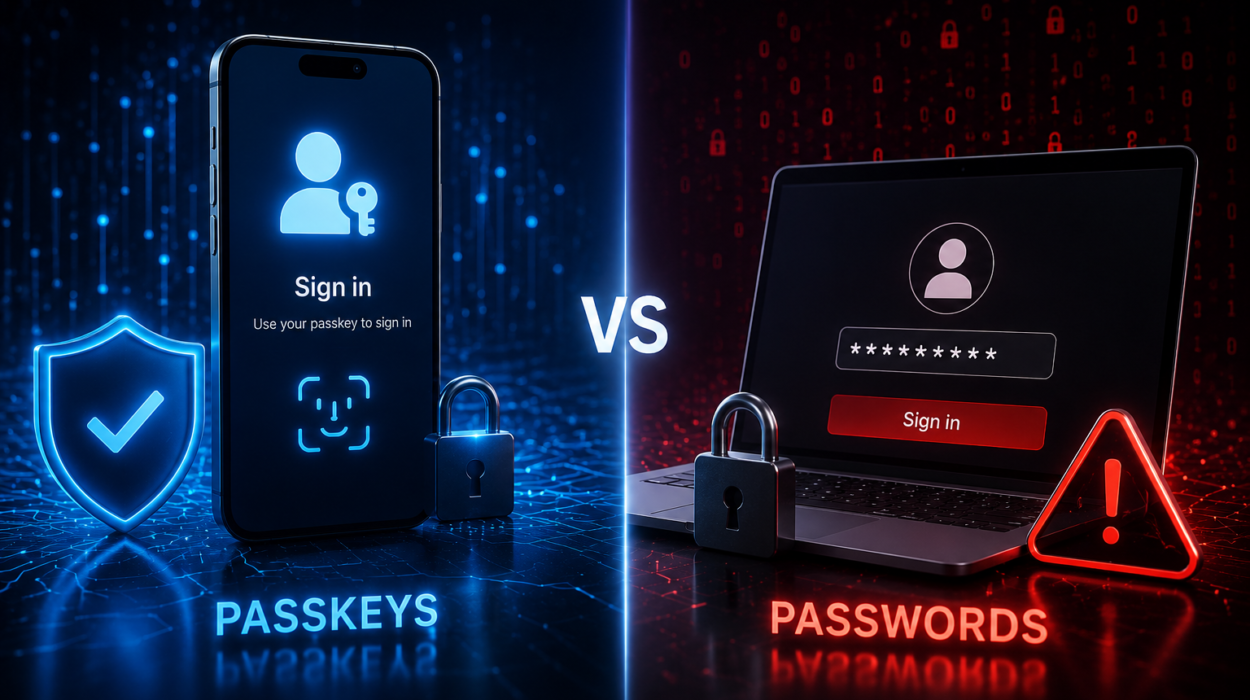
Use strong, unique passwords for different accounts.
Enable two-factor authentication whenever possible, adding an extra layer of security.
Keep software updated, as updates often fix security vulnerabilities.
Be cautious when sharing personal information online.
Regularly review financial statements for suspicious activity.
Most importantly, never allow fear, excitement, or pressure to rush important decisions.
What to Do If You Think You’ve Been Scammed
If you suspect you have fallen victim to an online scam, acting quickly can reduce the damage.
Change affected passwords immediately, especially if the same password was used elsewhere.
Contact your bank or payment provider if financial information may have been compromised.
Monitor your accounts closely for unusual activity.
Report the scam to the relevant platform, financial institution, or local authorities responsible for cybercrime.
If your identity may have been stolen, additional protective measures may be necessary depending on your country’s reporting procedures.
Responding quickly often improves the chances of limiting financial losses and preventing further misuse of your information.
The Future of Online Scams
As technology evolves, online scams will continue to change.
Artificial intelligence, deepfake technology, and increasingly sophisticated automation may make fraudulent messages appear more convincing than ever before.
At the same time, cybersecurity tools, fraud detection systems, and public awareness campaigns are becoming more advanced.
This ongoing competition between scammers and defenders means that education remains one of the strongest forms of protection.
People who understand how scams work are far less likely to become victims.
Understanding Is Your Best Defense
The internet is one of humanity’s greatest inventions. It has expanded access to knowledge, connected families across continents, transformed education, accelerated scientific research, and created countless opportunities for innovation. Yet, like any powerful technology, it can also be misused.
Online scams succeed not because people are unintelligent, but because scammers carefully exploit normal human emotions such as trust, hope, curiosity, sympathy, and fear. Anyone can become a target.
The good news is that awareness changes everything. When you recognize the warning signs, verify unexpected requests, think critically before sharing personal information, and avoid making rushed decisions, you greatly reduce your chances of becoming a victim. In today’s digital world, knowledge is more than just power—it is one of the strongest forms of protection.