More than a century before the earliest previously known Maya Long Count date in the lowlands, a stone monument at the ancient site of El Palmar in Campeche, Mexico, records a date interpreted as Aug. 31, A.D. 180. The inscription may also link that date to a ruler’s accession and a public ceremony, providing evidence that early Maya rulers connected political authority with sacred calendars.
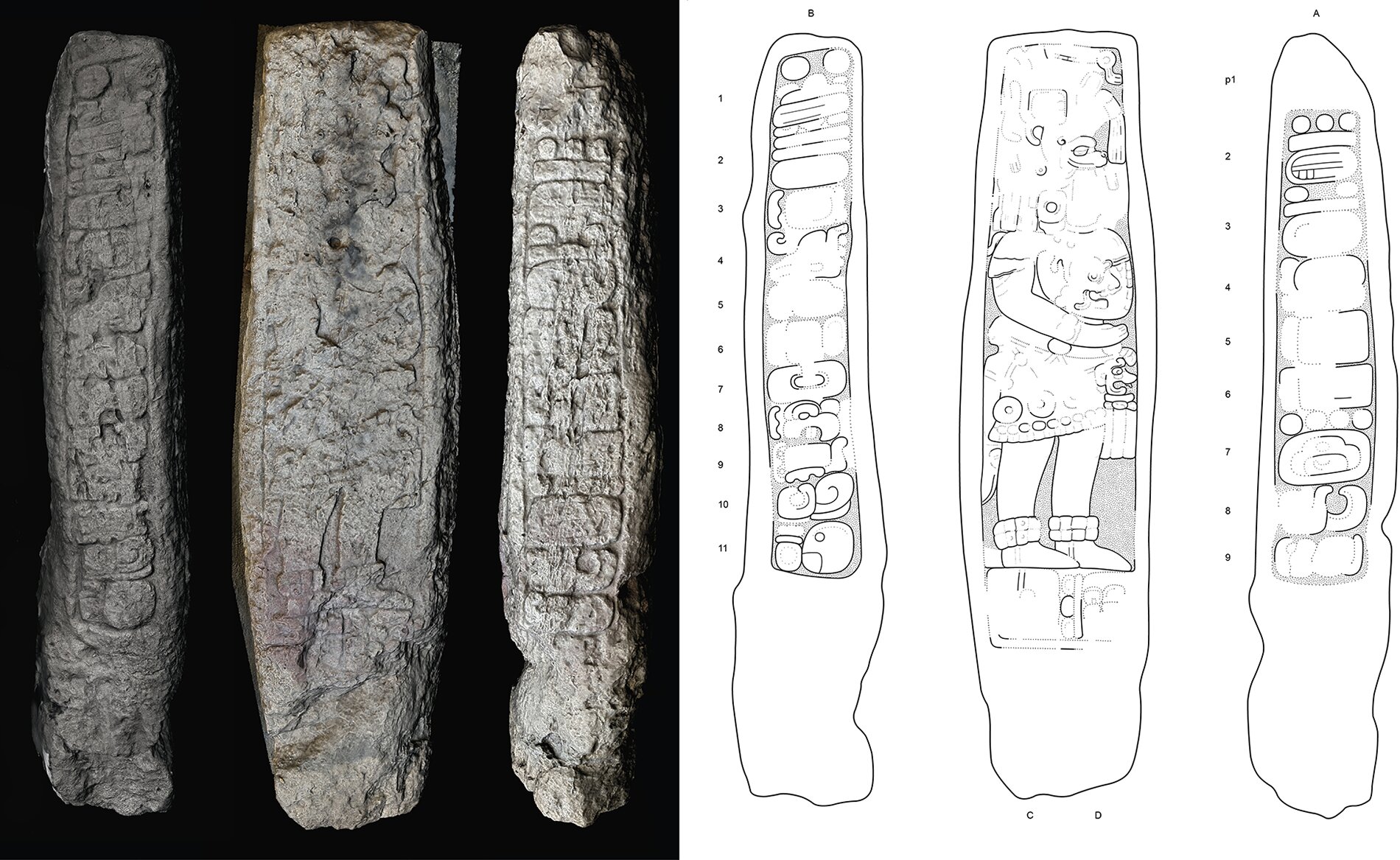
The date was identified on Stela 46, one of three carved stone monuments examined by a research team led by Kenichiro Tsukamoto of the University of California. The other monuments were Stelae 20 and 45.
The large upright stones were used by the ancient Maya to record information in public inscriptions. Their surfaces, however, have been badly weathered over the centuries, making some of the carvings difficult to distinguish.
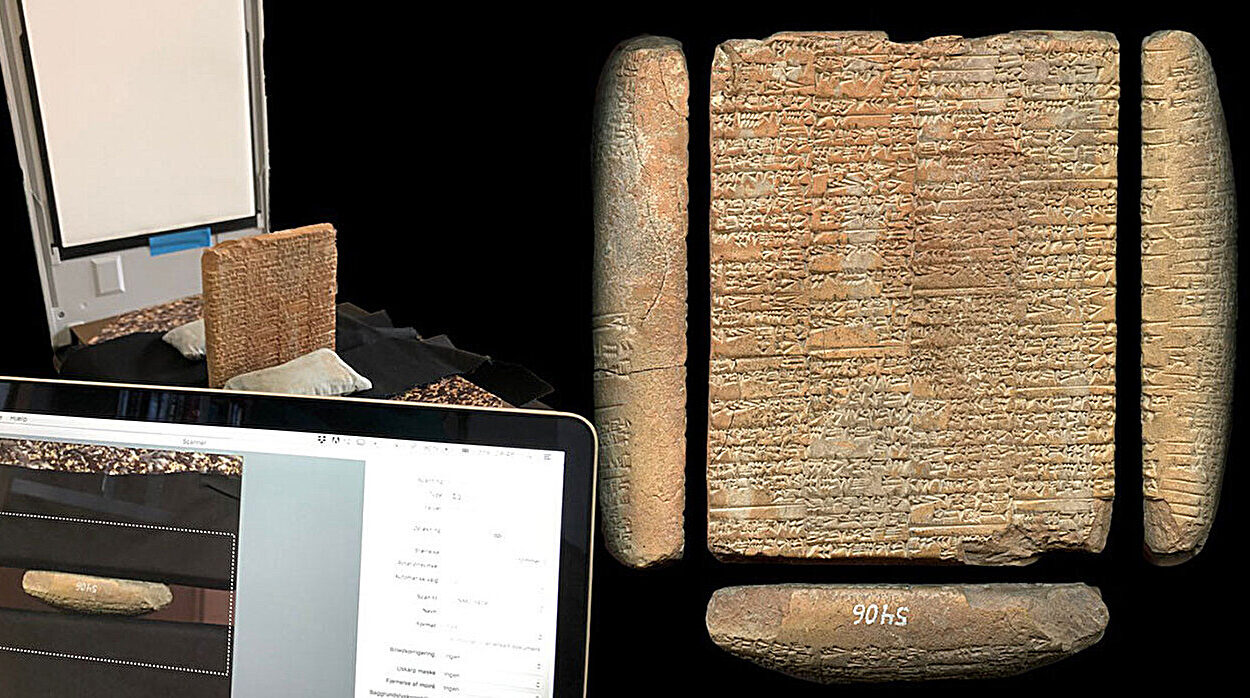
To recover the faint inscriptions, the researchers combined photogrammetry with a high-resolution 3D scanner, the Artec Spider II. The scanner can capture details as small as a tenth of a millimeter. The team also used software to digitally illuminate the 3D models from different angles, making worn hieroglyphs easier to see.
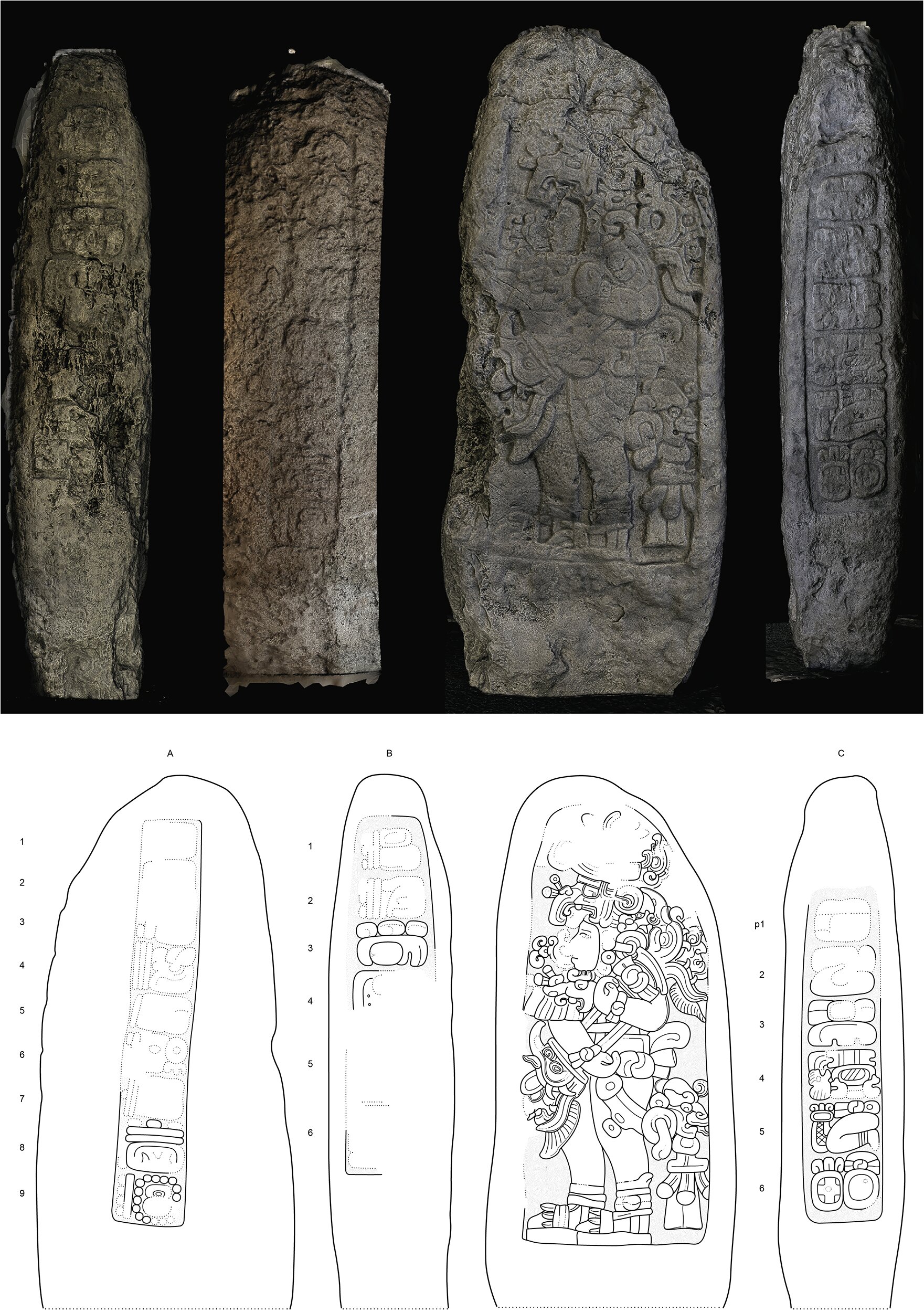
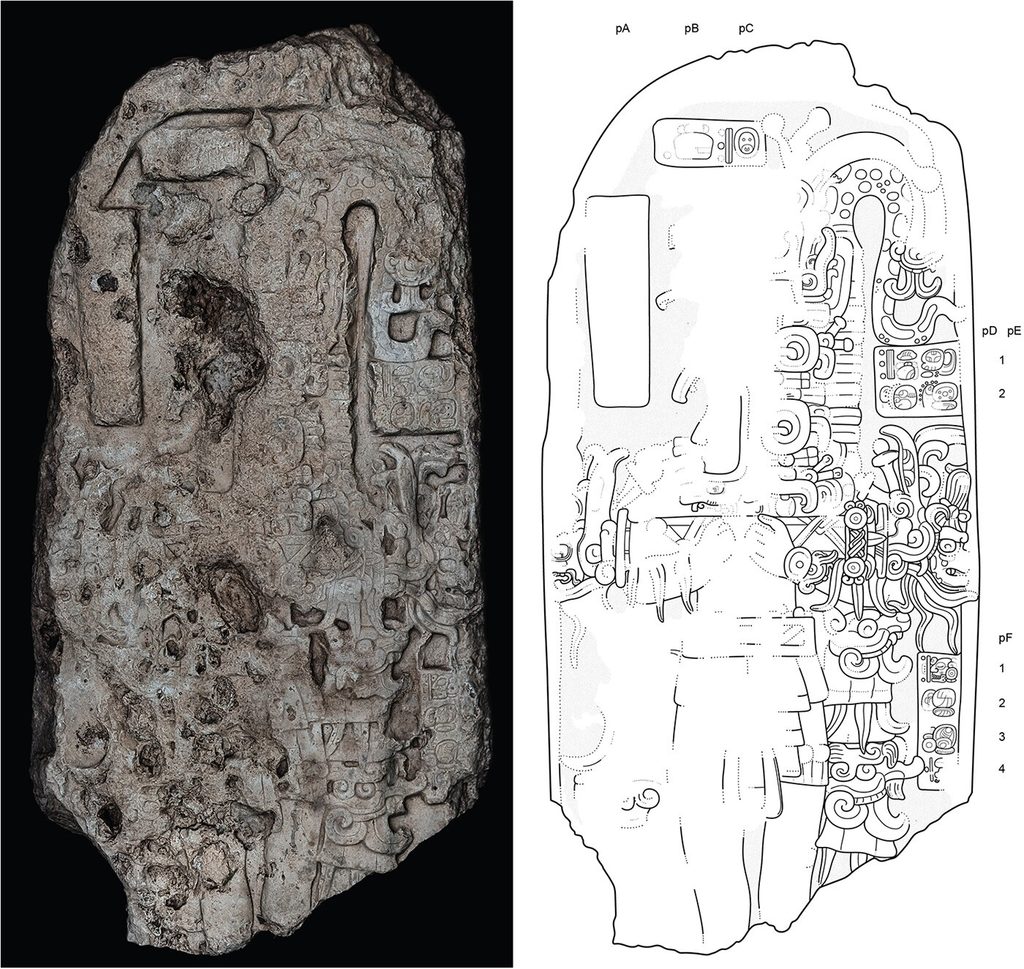
Those models revealed inscriptions that had not previously been recognized.
The date is linked to royal events
The inscription on Stela 46 contains the Long Count date 8.7.1.0.0, interpreted as Aug. 31, A.D. 180.
The Long Count was a continuous dating system used by the Maya to place events in chronological order. Maya rulers recorded milestones such as births, marriages and victories in stone. The newly identified date is significant because it is connected to historical events rather than appearing simply as an isolated calendar notation.
Those events may include a ruler’s accession to the throne. The inscription may also refer to a public ceremony involving the Jaguar god of the Underworld.
The researchers interpret these connections as evidence that calendrical dates were part of the way royal succession was presented and associated with ritual activity. In particular, the inscriptions provide information about the possible roles of both the 260-day divinatory calendar and the Long Count in establishing royal authority.
An earlier date than previously known
Before this discovery, the earliest known Long Count date in the Maya lowlands was A.D. 292. The date on Stela 46 therefore predates it by more than a century.
The researchers conclude that the inscriptions point to the use of calendrical and ritual references in royal political messaging in the region at a much earlier time than previously assumed. The connection between a ruler’s rise to power and a sacred timeline may have been used to reinforce royal control.
The study was published in Ancient Mesoamerica.