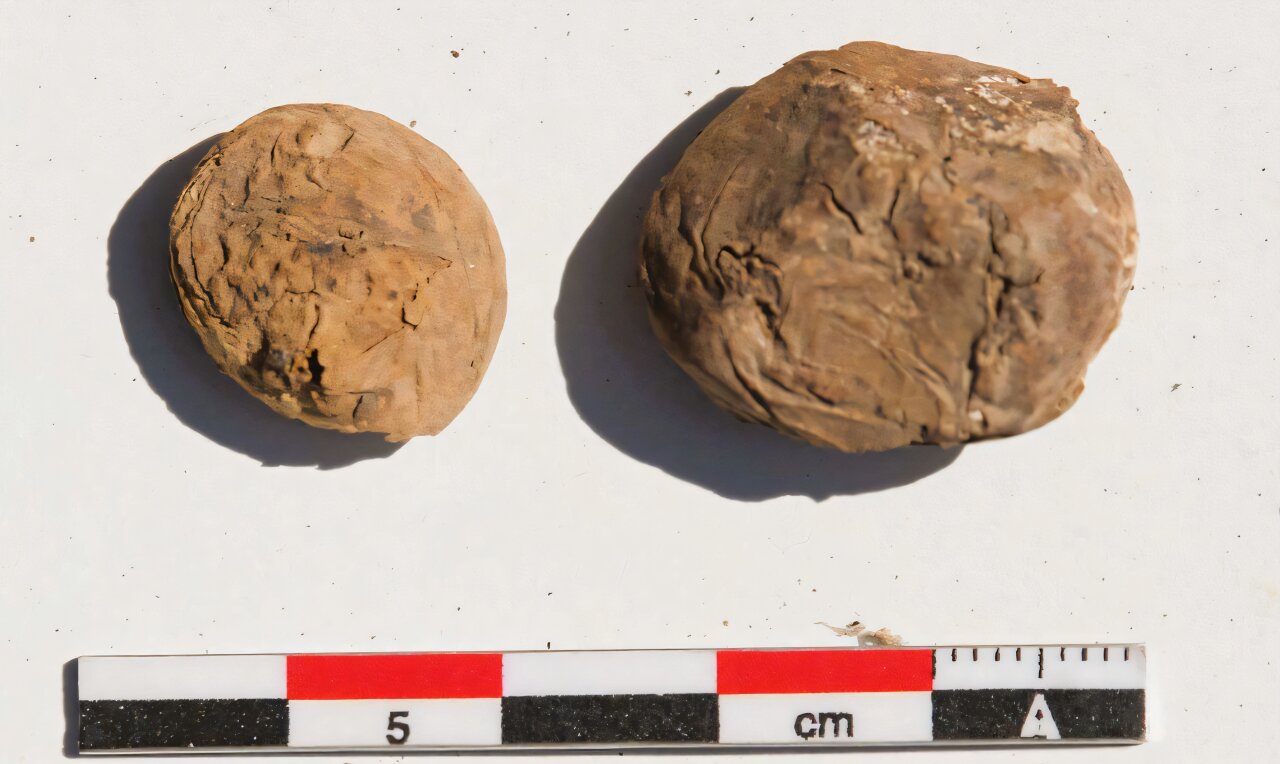
Two roughly 500-year-old freeze-dried potatoes found on Peru’s arid southern coast provide rare physical evidence that the Inca transported chuño, a long-lasting potato food made high in the Andes, to coastal settlements.
The potatoes were found during 2024 excavations at Tambo Viejo, an Inca center in the Acarí Valley. They had been placed inside a ceramic jar set into the floor, apparently for storage.
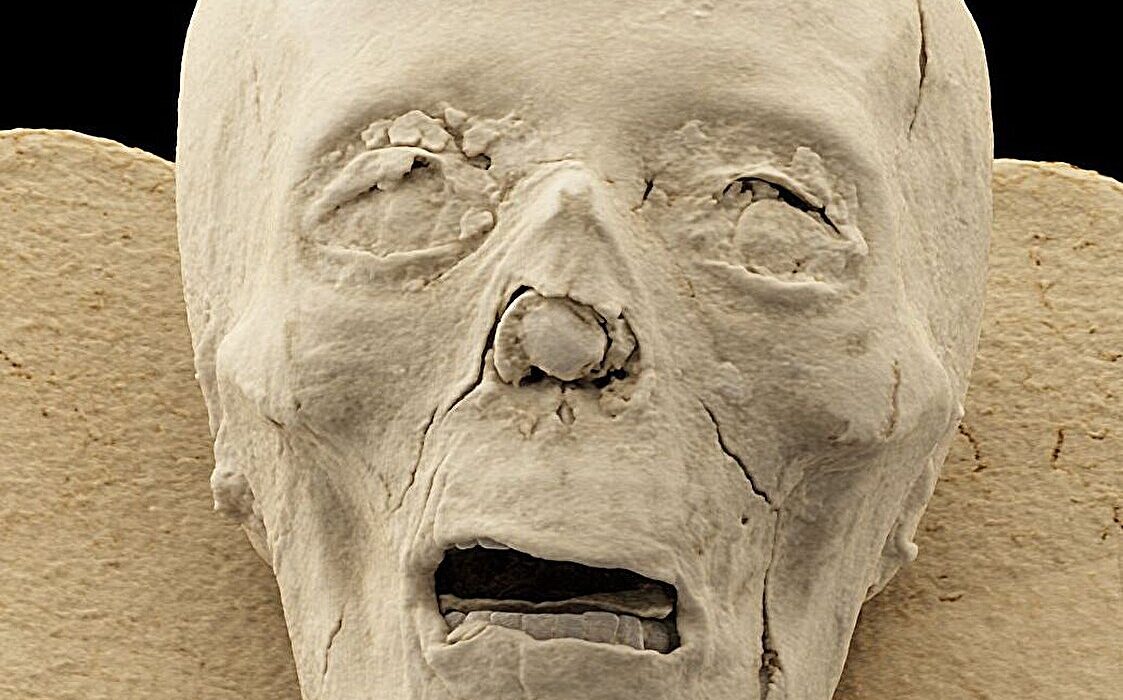
Inside were two shriveled, brownish-white potatoes. Pieces of their skins still clung to their surfaces. The jar also contained a broken piece of Inca pottery and a damaged spindle whorl.
Archaeologist Lidio Valdez of the University of Calgary said the combination of objects helped establish that the potatoes belonged to Inca times, placing them in the 15th or 16th centuries.
“It was obvious that this was not just any find, but a special one,” Valdez said.
He remembered telling his field team when they uncovered them, “Here we have an article.”
The discovery is unusual because chuño almost never survives in archaeological sites. A comparable find was made more than a century ago at Pachacamac, Peru.
The dry coastal environment at Tambo Viejo, along with the protection provided by the storage jar, likely helped preserve the potatoes until their discovery.
Chuño was made for long-term storage
Potatoes originated in the Andes and had been cultivated there for thousands of years. But fresh potatoes spoil quickly in warm conditions, and some varieties are bitter and toxic unless they are processed.
Chuño was one way Andean communities dealt with that problem.
To make black chuño, potatoes were exposed to the severe nighttime freezes of high mountain winters and then thawed in strong daytime sunlight. The freezing and thawing process was repeated before the potatoes were trampled and dried.
The white chuño found at Tambo Viejo was made differently. It came from naturally bitter, toxic potatoes that were soaked for several weeks after freezing and then dried.
The finished food was lightweight and could be stored for years.
That production process also explains why finding chuño on the coast is significant. The food could only be made at high elevations in the cold Andes. Its presence at Tambo Viejo therefore provides physical evidence that it had been moved from the mountains.
The find fits accounts of Inca food storage
Historical accounts describe potatoes as an important everyday food for the Inca. Spanish chroniclers reported that llama caravans carried foods such as chuño to storage houses distributed across the empire.
Those stores supplied the Inca workforce, including people at places such as Tambo Viejo.
Chuño’s low weight, durability and ability to be produced in large quantities made it well suited to that system. It remained an important staple even after the Inca Empire fell.
Yet despite its apparent importance, the food has been difficult to identify archaeologically because preserved examples are so uncommon. As a result, chuño has received less archaeological attention than some other Indigenous staples, including dried meats.
The potatoes’ mountain origin is still unknown
The discovery establishes that these freeze-dried potatoes reached Tambo Viejo during Inca times, but it does not identify where in the Andes they were grown.
Valdez hopes chemical analysis can eventually be used to trace the potatoes back to their place of origin.
For now, the two potatoes remain an unusually direct piece of evidence for the movement of an important preserved food from the high Andes to the Inca coast.
The study was published in the Journal of Field Archaeology.