Every time you browse a website, stream a movie, send a message, join a video call, or connect a smart device to the internet, an invisible system works behind the scenes to make that connection possible. One of the most important parts of that system is something called an Internet Protocol address, commonly known as an IP address. Without it, devices would have no way to find or communicate with one another.
For decades, the internet relied on Internet Protocol Version 4, or IPv4, to identify billions of connected devices. But as the world became increasingly digital—with smartphones, laptops, smart TVs, gaming consoles, security cameras, connected cars, and billions of Internet of Things (IoT) devices—the number of available IPv4 addresses simply could not keep up.
To solve this challenge, engineers developed Internet Protocol Version 6, or IPv6. It is not just a newer version of the internet’s addressing system. It is the foundation for the future growth of the internet, designed to support an almost unimaginable number of connected devices while improving efficiency, security, and performance.
Understanding Internet Protocol
To understand IPv6, it helps to first understand what an Internet Protocol is.
The Internet Protocol, or IP, is a set of rules that allows computers and other devices to communicate across networks. Every device connected to the internet receives a unique IP address, much like every home has a mailing address.
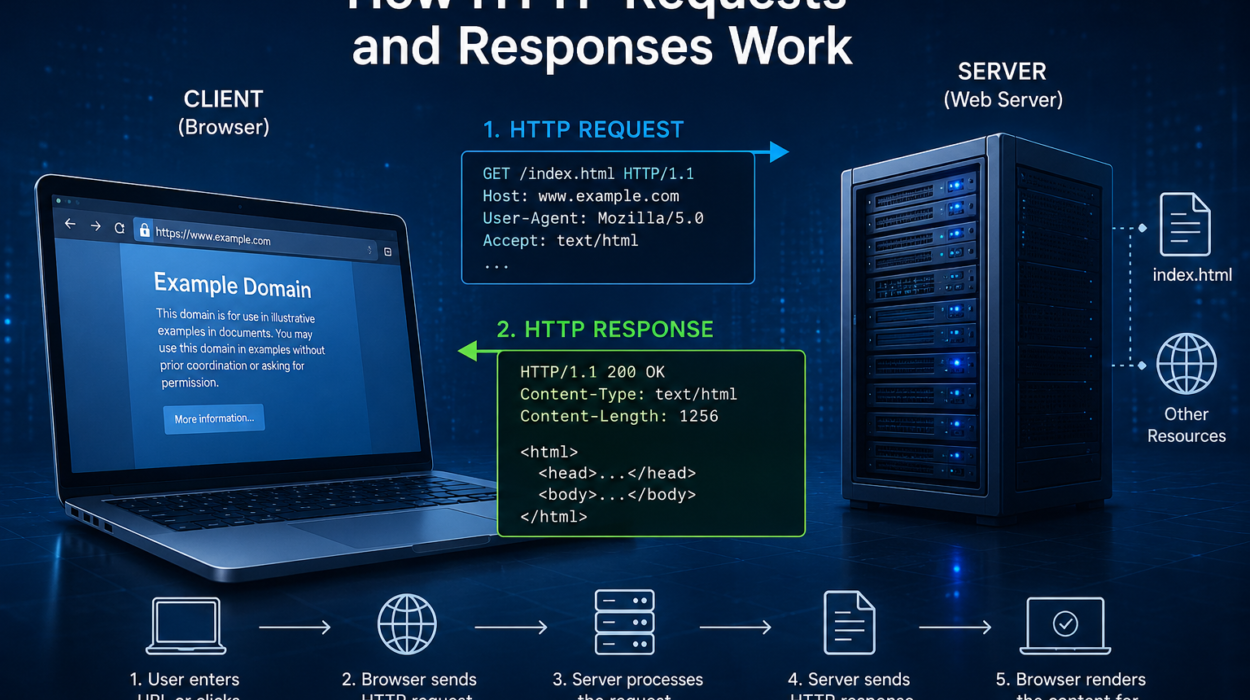
When you type a website address into your browser, your device uses IP addresses to find the correct server hosting that website. The server then sends the requested information back to your device using the same system.
Without IP addresses, internet communication would not be possible.
What Is IPv6?
IPv6 stands for Internet Protocol Version 6. It is the latest version of the Internet Protocol developed by the Internet Engineering Task Force (IETF) to replace IPv4.
IPv6 was created because the internet had grown far beyond what the original IPv4 system was designed to handle. The explosive increase in internet-connected devices meant that the available pool of IPv4 addresses would eventually run out.
IPv6 solves this problem by introducing a dramatically larger address space while also improving several aspects of internet communication.
Today, many internet service providers, cloud platforms, websites, and operating systems support IPv6, and its adoption continues to grow worldwide.
Why Was IPv6 Needed?
When IPv4 was introduced in the early 1980s, the internet was a relatively small research network.
At the time, approximately 4.3 billion unique IPv4 addresses seemed more than enough.
However, no one anticipated today’s connected world.
There are now billions of smartphones, personal computers, tablets, smart watches, streaming devices, industrial sensors, connected vehicles, and smart home appliances.
Many people own multiple internet-connected devices, and businesses may manage thousands or even millions of them.
As the internet expanded, the supply of IPv4 addresses became exhausted.
Although technologies such as Network Address Translation (NAT) helped delay the problem by allowing multiple devices to share a single public IPv4 address, NAT was never intended as a permanent solution.
IPv6 was designed to eliminate this limitation.
The Difference Between IPv4 and IPv6
One of the biggest differences between IPv4 and IPv6 is the size of their address space.
IPv4 uses 32-bit addresses.
An IPv4 address looks something like this:
192.168.1.1
This format allows approximately 4.3 billion unique addresses.
IPv6 uses 128-bit addresses.
An IPv6 address looks like this:
2001:0db8:85a3:0000:0000:8a2e:0370:7334
Although this format appears much longer, it allows an astonishing number of unique addresses—about 340 undecillion, or 340 followed by 36 zeros.
That number is so enormous that it is practically impossible to run out of IPv6 addresses under foreseeable circumstances.
Why Are IPv6 Addresses So Long?
The internet of the future needs to support not only computers and phones but also billions of smart devices.
Factories, hospitals, farms, transportation systems, weather stations, satellites, autonomous vehicles, wearable devices, and scientific instruments increasingly rely on internet connectivity.
Each of these devices can receive its own globally unique IPv6 address.
The longer address format makes this possible.
Although the addresses appear complicated, modern computers handle them automatically. Most users rarely need to type or remember an IPv6 address.
How IPv6 Works
The basic purpose of IPv6 remains the same as IPv4.
It allows data to travel from one device to another across networks.
When you open a website, your device sends requests using Internet Protocol.
Routers examine the destination IPv6 address and forward the data through the internet until it reaches the correct server.
The server responds, sending information back to your device.
This process happens in fractions of a second.
While the basic communication process remains similar, IPv6 introduces several improvements that make networking more efficient and scalable.
A Nearly Unlimited Number of Addresses
Perhaps the greatest advantage of IPv6 is its enormous address capacity.
Scientists often describe the number of available IPv6 addresses as effectively unlimited for practical purposes.
Every person on Earth could own billions of connected devices without exhausting the available address space.
This abundance removes one of the largest technical limitations facing the continued growth of the internet.
Better Support for the Internet of Things
The Internet of Things, commonly called IoT, refers to everyday objects connected to the internet.
Smart thermostats adjust home temperatures automatically.
Fitness trackers monitor physical activity.
Connected refrigerators, security cameras, medical devices, traffic sensors, and industrial machines all rely on network communication.
As billions of these devices come online, they each need reliable network connectivity.
IPv6 provides enough unique addresses to support this rapidly expanding ecosystem.
Improved Routing Efficiency
IPv6 was designed with a simpler and more efficient packet header than IPv4.
A packet is a small unit of data sent across a network.
Because IPv6 packets contain a more streamlined header, routers can often process them more efficiently.
This simplification helps networks scale as internet traffic continues to increase worldwide.
Although many factors affect internet speed, efficient routing contributes to better overall network performance.
End-to-End Connectivity
One challenge with widespread IPv4 deployment is the extensive use of Network Address Translation.
With NAT, multiple devices often share one public IP address.
While this conserves addresses, it can complicate certain types of communication between devices.
IPv6 restores the possibility of true end-to-end connectivity by allowing each device to have its own globally unique address.
This can simplify some applications, online services, and network management.
Security Features in IPv6
Security was considered during the design of IPv6.
The protocol was developed with support for IPsec, a suite of technologies that can authenticate and encrypt internet communications.
IPsec helps verify the identity of communicating devices while protecting transmitted data from unauthorized access.
Although IPsec is not automatically enabled in every IPv6 network, its inclusion reflects the protocol’s emphasis on modern network security.
It is important to understand that IPv6 alone does not make a network completely secure. Firewalls, software updates, strong authentication, and good cybersecurity practices remain essential.
Faster Internet? Not Always
Many people wonder whether IPv6 automatically makes internet connections faster.
The answer is more nuanced.
IPv6 itself does not directly increase internet speed.
However, some networks are better optimized for IPv6, resulting in slightly faster connections under certain circumstances.
Performance depends on many factors, including your internet service provider, network equipment, website configuration, server location, congestion, and routing efficiency.
For most users, the biggest benefit of IPv6 is not raw speed but long-term scalability and improved network architecture.
Does IPv6 Replace IPv4 Completely?
Not yet.
Today’s internet uses both IPv4 and IPv6.
This approach is known as dual-stack networking.
Many websites, internet providers, operating systems, and cloud services support both protocols simultaneously.
When your device connects to a website, it usually attempts to use IPv6 if both your network and the website support it.
If IPv6 is unavailable, the connection falls back to IPv4 automatically.
This gradual transition allows the internet to continue functioning while IPv6 adoption increases.
How Devices Get an IPv6 Address
When a device joins an IPv6-enabled network, it can obtain an address in several ways.
Some networks automatically assign addresses using a method called Stateless Address Autoconfiguration (SLAAC). This allows devices to configure themselves without requiring a dedicated server.
Other networks use DHCPv6, which is similar to the Dynamic Host Configuration Protocol commonly used with IPv4.
These automatic configuration methods make IPv6 deployment easier for both home users and organizations.
Everyday Devices Already Support IPv6
Most modern technology already includes IPv6 support.
Current versions of Windows, macOS, Linux, Android, and iOS all support IPv6.
Modern web browsers, including Google Chrome, Mozilla Firefox, Microsoft Edge, and Apple Safari, also work with IPv6.
Most home Wi-Fi routers manufactured in recent years include IPv6 capabilities, although some may require enabling the feature.
Large cloud providers, streaming services, social media platforms, and major websites increasingly operate over IPv6.
Many users access IPv6 every day without even realizing it.
How IPv6 Benefits Businesses
Businesses rely heavily on stable, scalable networking.
As companies expand, they often add thousands of computers, smartphones, printers, servers, sensors, and connected equipment.
IPv6 provides sufficient address space to support continued growth without relying extensively on address-sharing techniques.
It also simplifies network design, improves routing efficiency, and prepares organizations for future technologies involving cloud computing, artificial intelligence, industrial automation, and large-scale IoT deployments.
IPv6 and Cloud Computing
Modern cloud computing depends on enormous global data centers serving millions of customers simultaneously.
Cloud providers operate vast networks containing countless virtual machines, storage systems, databases, and networking components.
IPv6 makes managing these large infrastructures easier by providing abundant address space and more flexible network design.
As cloud adoption continues to grow, IPv6 becomes increasingly valuable.
IPv6 in Smart Cities
Cities around the world are becoming more connected.
Traffic signals monitor vehicle flow.
Environmental sensors measure air quality.
Public transportation systems communicate in real time.
Streetlights adjust brightness automatically.
Emergency services coordinate using connected infrastructure.
All of these systems require reliable networking.
IPv6 provides the addressing capacity necessary to support millions of connected urban devices.
Challenges of IPv6 Adoption
Although IPv6 offers many advantages, global adoption has taken time.
The internet contains countless older devices, software applications, networking systems, and business infrastructures built around IPv4.
Replacing or upgrading this equipment requires time, planning, and investment.
Network administrators also need training to deploy IPv6 effectively.
Fortunately, the gradual dual-stack approach allows IPv4 and IPv6 to coexist during the transition.
This compatibility has enabled widespread adoption without disrupting the existing internet.
The Future of IPv6
As internet usage continues expanding, IPv6 is becoming increasingly important.
The rise of artificial intelligence, autonomous vehicles, smart manufacturing, connected healthcare, space-based internet systems, and billions of IoT devices will require network infrastructure capable of enormous scale.
IPv6 provides that foundation.
Although IPv4 will likely remain in use for years, IPv6 represents the long-term future of internet addressing.
Its vast address space, improved efficiency, and modern design ensure that the internet can continue growing for decades to come.
Why IPv6 Matters
The internet has transformed from a small academic network into one of humanity’s most important global infrastructures. Every day, billions of people rely on it for communication, education, healthcare, business, entertainment, and scientific research.
IPv6 ensures that this growth can continue without being limited by the finite number of IPv4 addresses. It enables every connected device to have a unique identity, supports the expanding Internet of Things, simplifies network architecture, and prepares the internet for future innovations.
Most users will never notice IPv6 working in the background, just as they rarely think about the roads that deliver goods to their homes. Yet it quietly provides the pathways that allow information to travel across the digital world. As more networks, services, and devices embrace IPv6, it will continue to play a central role in building a faster, more scalable, and more connected internet for generations to come.