Imagine if you could create a living digital copy of a bridge before it cracked, a jet engine before it failed, a factory before it slowed down, or even a human heart before it developed a serious disease. Imagine watching this virtual copy change and respond exactly as its real-world counterpart changes, receiving updates every second and helping experts predict problems before they happen.
This is not science fiction. It is the remarkable world of digital twins.
Digital twin technology is transforming industries around the globe. Engineers use it to build safer airplanes. Doctors use it to explore new ways of treating patients. Manufacturers use it to improve production lines. Cities use it to manage traffic and reduce pollution. Scientists use it to understand complex systems that would otherwise be difficult—or impossible—to study.
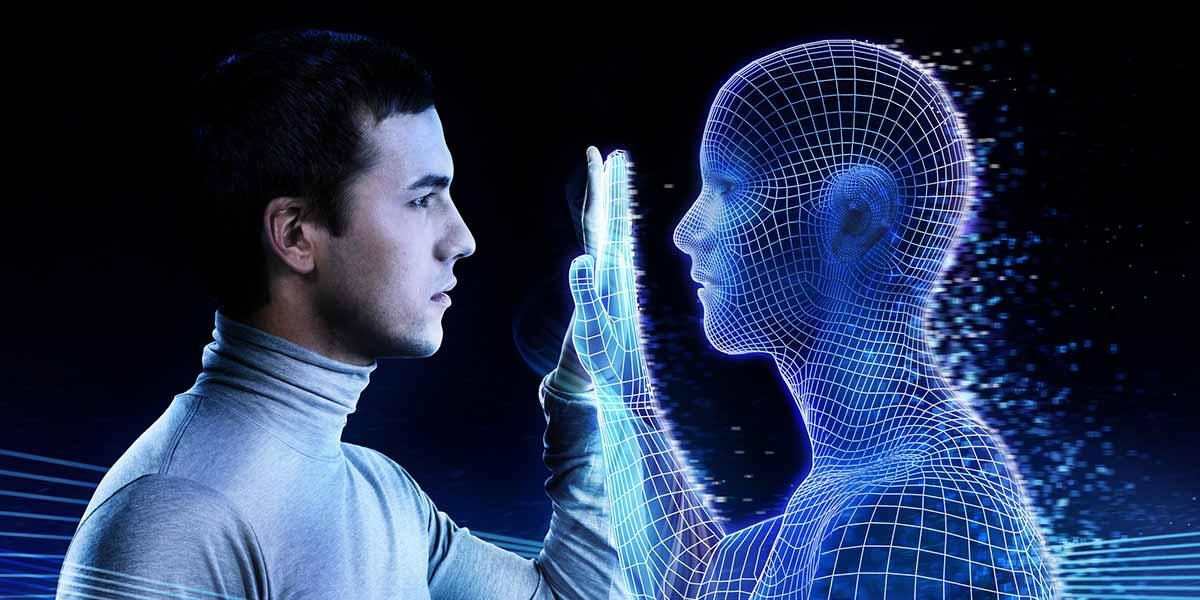
At its heart, a digital twin is far more than a three-dimensional computer model. It is a constantly updated virtual representation of a real object, machine, system, or even an entire city. It reflects what is happening in the physical world in real time or near real time, allowing people to monitor, analyze, simulate, and improve performance without interfering with the real object.
As sensors, artificial intelligence, cloud computing, and the Internet of Things continue to evolve, digital twins are becoming one of the most powerful technologies of the modern era.
What Is a Digital Twin?
A digital twin is a virtual model that accurately represents a physical object, process, system, or environment. Unlike an ordinary computer model that remains unchanged after it is created, a digital twin stays connected to its physical counterpart through continuous streams of data.
Whenever the real object changes, the digital twin changes as well.
If the temperature of a wind turbine rises, the virtual copy immediately reflects that increase.
If an aircraft engine begins vibrating unusually, the digital twin records the change.
If traffic becomes congested in part of a city, the city’s digital twin updates the traffic conditions almost instantly.
This constant exchange of information allows the digital version to behave much like the real-world object.
Instead of being a simple picture, it becomes a living digital representation.
The Basic Idea Behind Digital Twins
The concept is surprisingly simple.
Every physical object produces information.
A machine generates temperature readings.
A vehicle records speed and fuel consumption.
A building experiences changes in humidity, air quality, and energy use.
Modern sensors collect these measurements and send them to powerful computer systems.
Software then uses the incoming data to update the digital twin.
The result is a virtual model that reflects the current condition of the real object with remarkable accuracy.
Because the digital twin is always receiving fresh information, engineers and scientists can see exactly what is happening without standing beside the actual object.
The Difference Between a Digital Model and a Digital Twin
Many people confuse digital twins with ordinary computer models.
A digital model is usually created once and remains unchanged unless someone manually edits it.
For example, a three-dimensional model of a car shows what the car looks like, but it does not know whether the engine is running or whether the tires are wearing out.
A digital twin is different.
It continuously receives real-world information.
As the car accelerates, brakes, consumes fuel, or experiences mechanical stress, its digital twin updates automatically.
This ongoing connection between the physical object and its virtual representation is what makes a digital twin unique.
The Four Main Parts of a Digital Twin
Every digital twin relies on several key components working together.
The first component is the physical object. This can be almost anything, including a machine, factory, bridge, airplane, hospital, power plant, vehicle, spacecraft, or even an entire city.
The second component is the sensor system. Sensors measure important properties such as temperature, pressure, vibration, movement, electrical current, humidity, airflow, or position.
The third component is the communication network. Information collected by sensors travels through wired networks, wireless systems, or the Internet to computer servers or cloud platforms.
The fourth component is the digital model, where specialized software processes incoming information, updates the virtual representation, and performs analysis or simulations.
Together, these components create a constantly evolving digital version of reality.
How Sensors Collect Information
Sensors are the eyes and ears of a digital twin.
Without sensors, the virtual model would have no idea what is happening in the real world.
Modern sensors can detect an astonishing range of physical conditions.
Temperature sensors monitor heat.
Pressure sensors detect changes in force.
Accelerometers measure movement and vibration.
GPS receivers determine location.
Cameras capture images.
Microphones record sound.
Flow sensors measure liquids and gases.
Chemical sensors identify specific substances.
Every measurement becomes a piece of information that helps the digital twin understand the physical object’s condition.
As sensor technology continues to improve, digital twins become even more accurate.
Sending Data to the Digital World
Once sensors collect information, the data must reach the digital twin.
This happens through communication networks.
Some systems use wired connections for maximum reliability.
Others rely on Wi-Fi, cellular networks, satellite communications, or industrial communication protocols.
Many digital twins use cloud computing, allowing enormous amounts of information to be processed by powerful remote servers.
Data can arrive every second, every millisecond, or even continuously, depending on the application.
This steady flow of information keeps the virtual model synchronized with reality.
Building the Virtual Copy
Creating the digital twin begins long before real-world data starts arriving.
Engineers first build a detailed digital model using computer-aided design software, engineering drawings, physical measurements, and scientific knowledge about how the object behaves.
The model includes its shape, materials, moving parts, operating limits, and physical properties.
For example, a digital twin of a jet engine contains detailed information about every major component, including turbines, compressors, combustion chambers, and cooling systems.
Once the digital model exists, it begins receiving live information from the real engine.
The virtual engine then behaves much like the actual one.
Real-Time Updates
One of the most remarkable features of digital twins is their ability to update continuously.
Suppose a factory machine becomes slightly hotter than normal.
Temperature sensors immediately detect the increase.
The information travels to the digital twin.
The virtual machine changes its temperature almost instantly.
Engineers watching the digital twin can see the change even if they are thousands of kilometers away.
If additional changes occur, such as increased vibration or reduced efficiency, the digital twin updates again.
This continuous synchronization allows experts to monitor complex systems without constant physical inspections.
Simulating Future Events
Digital twins do more than describe the present.
They also help predict the future.
Once engineers know the current condition of a machine, they can run computer simulations to explore what might happen next.
They can ask questions such as:
What happens if the engine operates for another thousand hours?
How will the bridge respond to stronger winds?
Will the battery overheat during heavy use?
Could a small crack eventually become dangerous?
Instead of experimenting on the real object, engineers test these scenarios safely inside the digital twin.
This ability saves both time and money while reducing risk.
Artificial Intelligence Makes Digital Twins Smarter
Modern digital twins often use artificial intelligence (AI) to analyze enormous amounts of incoming data.
AI algorithms recognize patterns that humans might overlook.
For example, tiny increases in vibration combined with slight temperature changes may indicate that a bearing is beginning to wear out.
Although each change seems unimportant by itself, AI can identify the combination as an early warning sign.
The digital twin then alerts engineers before a costly failure occurs.
Machine learning allows these systems to become more accurate as they receive additional data over time.
Predictive Maintenance
One of the most valuable applications of digital twins is predictive maintenance.
Traditionally, machines were repaired after they broke or serviced according to fixed schedules.
Both approaches have disadvantages.
Unexpected failures cause downtime.
Scheduled maintenance may replace perfectly healthy parts unnecessarily.
Digital twins provide a better solution.
By continuously monitoring equipment, they estimate when individual components are likely to fail.
Maintenance can then occur only when needed.
This reduces repair costs, prevents unexpected shutdowns, and extends the lifespan of expensive equipment.
Digital Twins in Manufacturing
Factories were among the earliest adopters of digital twin technology.
Modern manufacturing plants contain thousands of machines working together.
Keeping every machine operating efficiently is a major challenge.
Digital twins allow engineers to monitor entire production lines in real time.
They can identify bottlenecks, reduce energy consumption, improve product quality, and detect equipment problems before production stops.
Some factories even simulate proposed improvements inside their digital twins before making changes in the real facility.
This greatly reduces costly mistakes.
Digital Twins in Aviation
Aircraft engines operate under extreme temperatures and enormous mechanical stress.
Safety requires continuous monitoring.
Digital twins track engine performance throughout every flight.
Sensors record temperatures, pressures, fuel consumption, vibration, and numerous other measurements.
Engineers analyze this information using digital twins to predict maintenance needs and improve engine designs.
By understanding exactly how engines behave under different conditions, manufacturers can increase safety, improve fuel efficiency, and reduce operating costs.
Digital Twins in Healthcare
Healthcare is becoming one of the most exciting areas for digital twins.
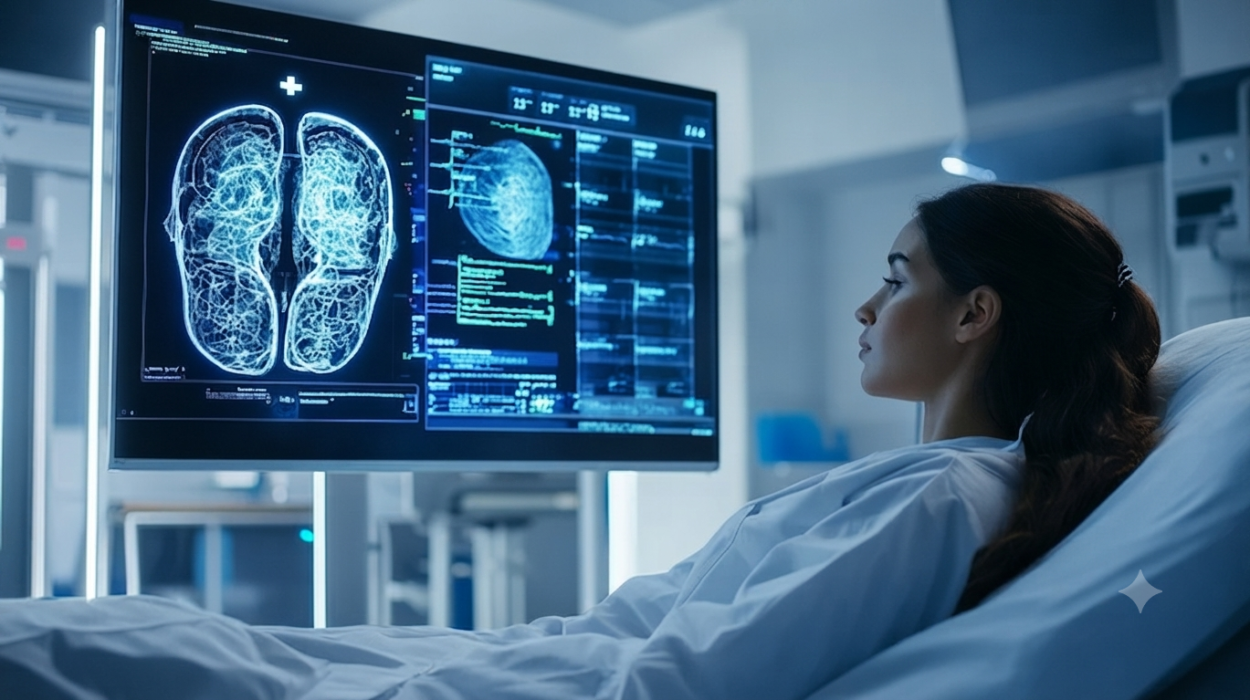
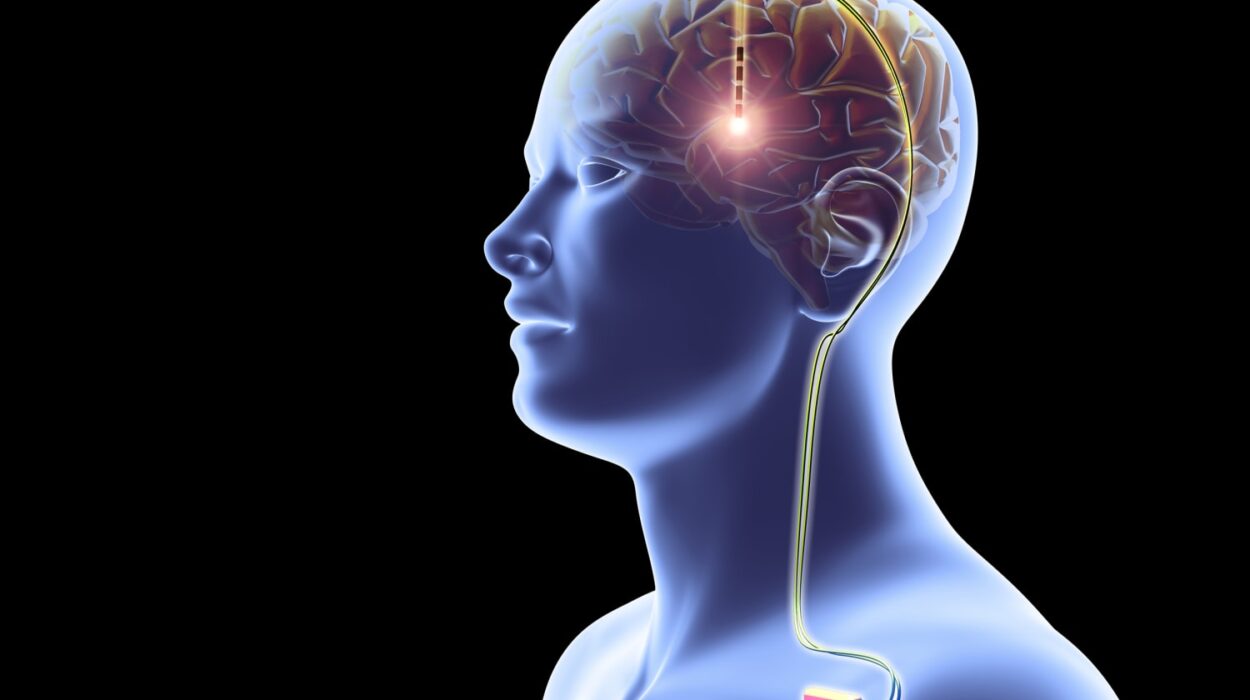
Researchers are developing digital models of organs such as the heart, lungs, and brain.
These virtual organs can help doctors understand how diseases progress or predict how patients may respond to different treatments.
In some cases, digital twins allow physicians to test treatment strategies on the virtual model before applying them to the patient.
Although many medical digital twins remain under active development, they represent a promising future for personalized medicine.
Digital Twins for Smart Cities
Entire cities can now have digital twins.
These virtual cities combine information from traffic cameras, weather stations, transportation systems, energy grids, water supplies, and environmental sensors.
City planners use these models to improve traffic flow, reduce pollution, manage emergencies, and plan future development.
If flooding threatens certain neighborhoods, simulations inside the digital twin help officials prepare effective responses before the disaster occurs.
This improves public safety while making cities more efficient.
Digital Twins in Space Exploration
Space missions are extremely expensive, and repairs are often impossible.
Digital twins help scientists monitor spacecraft operating millions of kilometers away.
Virtual spacecraft receive information from onboard sensors throughout the mission.
Engineers analyze the digital twin to detect equipment problems, predict component wear, and evaluate system performance.
Digital twins also help scientists design future spacecraft by testing new ideas in realistic virtual environments.
Digital Twins and Renewable Energy
Renewable energy systems often operate under changing environmental conditions.
Wind turbines experience varying wind speeds.
Solar panels face changing sunlight and weather.
Hydroelectric systems respond to water flow.
Digital twins continuously monitor these systems, helping operators maximize energy production while reducing maintenance costs.
Small improvements in efficiency can significantly increase renewable energy output over many years.
Digital Twins in Construction
Buildings become increasingly complex as architects design smarter, more energy-efficient structures.
Digital twins monitor heating systems, air conditioning, lighting, elevators, structural movement, and energy use.
Building managers can identify equipment problems quickly, reduce energy consumption, and improve occupant comfort.
Even after construction finishes, the digital twin continues supporting building operations throughout its entire lifespan.
Environmental Monitoring
Scientists increasingly use digital twins to study natural environments.
Virtual rivers help predict flooding.
Digital forests assist conservation efforts.
Ocean digital twins monitor changing currents, temperatures, and ecosystems.
Climate researchers combine satellite observations with digital models to better understand Earth’s changing environment.
Although these models cannot eliminate environmental challenges, they improve scientific understanding and decision-making.
The Role of the Internet of Things
The rapid growth of the Internet of Things (IoT) has greatly accelerated digital twin technology.
IoT refers to physical devices connected to the internet that collect and exchange information.
Millions of smart sensors now operate inside factories, homes, hospitals, vehicles, farms, and cities.
These connected devices provide the continuous stream of data that digital twins require.
As IoT networks expand, digital twins become more detailed and capable.
Cloud Computing and Big Data
Digital twins generate enormous amounts of information.
Processing this data requires significant computing power.
Cloud computing provides scalable resources capable of storing and analyzing vast datasets.
Advanced software processes millions of sensor readings, compares historical patterns, performs simulations, and generates predictions.
Without modern cloud computing and big data technologies, today’s most advanced digital twins would not be practical.
Challenges Facing Digital Twins
Despite their tremendous potential, digital twins also face important challenges.
Creating highly accurate models requires detailed scientific knowledge and high-quality data.
Poor sensor accuracy can reduce reliability.
Cybersecurity is another major concern because digital twins often rely on internet-connected systems that must be protected against unauthorized access.
Large-scale digital twins also require substantial computing resources and ongoing maintenance.
In addition, organizations must carefully manage privacy whenever digital twins involve personal or sensitive information.
Overcoming these challenges remains an active area of research and development.
The Future of Digital Twins
Digital twin technology is advancing rapidly.
Future digital twins will likely become more intelligent, more detailed, and more closely integrated with artificial intelligence.
Instead of simply reporting problems, they may automatically recommend solutions or adjust operating conditions without human intervention.
Medical digital twins may help create personalized treatments for individual patients.
Cities may use digital twins to improve transportation, reduce emissions, and prepare for natural disasters.
Factories may become increasingly autonomous through continuous optimization.
Scientists may even develop digital twins of entire ecosystems or planetary environments to improve environmental management and scientific research.
Although many of these applications are still evolving, the underlying technology continues to mature at an impressive pace.
Why Digital Twins Matter
Digital twins represent a major shift in how humans understand and manage the physical world. Rather than relying only on observation after events occur, they allow us to monitor systems continuously, simulate future possibilities, and make better decisions before problems arise. By combining sensors, data, computer modeling, artificial intelligence, and cloud computing, digital twins create a dynamic bridge between the physical and digital worlds.
Their impact is already visible in manufacturing, healthcare, aviation, construction, renewable energy, transportation, and scientific research. As computing power grows and connected devices become even more widespread, digital twins are likely to become an essential tool across countless industries.
Ultimately, digital twins are changing the way we interact with the world around us. They help engineers build safer machines, doctors explore more personalized treatments, cities operate more efficiently, and scientists understand increasingly complex systems. Far from being just another digital innovation, they represent a new way of seeing reality—one where the physical and virtual worlds work together to improve knowledge, solve problems, and shape a smarter future.