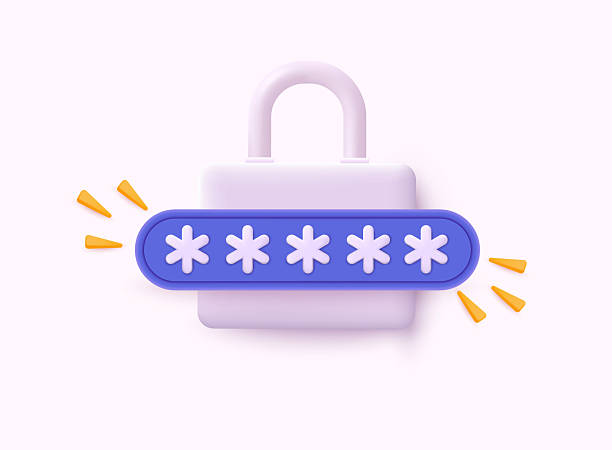
In today’s digital world, passwords protect nearly every part of our lives. They guard our email accounts, bank accounts, social media profiles, online shopping platforms, cloud storage, work systems, and even our smart home devices. Every password acts like a key to a digital door. But what happens when you use the same key for every door?
At first, reusing a password seems convenient. You only need to remember one password, making it easier to log in to different websites and apps. Many people believe that if the password is strong enough, using it everywhere is perfectly safe.
Unfortunately, that belief is one of the biggest cybersecurity mistakes anyone can make.
A single stolen password can become the starting point for a chain reaction that exposes nearly every online account you own. What begins as a minor security breach on one website can quickly turn into identity theft, financial loss, privacy violations, and months of frustration.
Understanding why password reuse is dangerous is one of the most important steps toward protecting your digital life.
What Is Password Reuse?
Password reuse means using the same password for multiple online accounts.
For example, imagine you use exactly the same password for your email account, online banking, social media, streaming services, shopping websites, gaming accounts, and workplace login.
Even if that password is long, complex, and difficult to guess, using it repeatedly creates a serious security weakness.
Think of your passwords as keys. If every door in your house, office, and car uses the exact same key, losing that one key means everything becomes vulnerable. Password reuse creates the same problem in the digital world.
Why So Many People Reuse Passwords
Password reuse is extremely common because remembering dozens or even hundreds of unique passwords feels overwhelming.
The average internet user today has accounts on numerous websites and services. These include email providers, social media platforms, online stores, banking apps, healthcare portals, streaming services, educational websites, and many others.
Creating a different password for every account sounds like a difficult task.
Many people choose convenience over security.
Others believe that hackers are unlikely to target them personally.
Some assume that only wealthy individuals or famous people need strong cybersecurity.
In reality, cybercriminals often target ordinary users because millions of accounts can be attacked automatically using software rather than by hand.
One Breach Can Lead to Many More
One of the biggest dangers of password reuse is that websites sometimes experience data breaches.
A data breach occurs when attackers gain unauthorized access to information stored by a company. Depending on the incident, stolen information may include usernames, email addresses, password hashes, phone numbers, or other personal data.
Even well-known organizations with experienced security teams can experience breaches. No company can guarantee perfect protection forever.
If you reuse the same password everywhere, a breach at one website may allow attackers to access many of your other accounts.
The website where the breach occurred might not even contain important personal information. However, the password you reused elsewhere could unlock much more valuable accounts.
Understanding Credential Stuffing
One of the most common attacks involving reused passwords is called credential stuffing.
Credential stuffing is largely automated.
Cybercriminals obtain usernames and passwords that have been exposed in previous data breaches. They then use automated software to try those same login credentials across hundreds or even thousands of other websites.
The attack succeeds because many people reuse passwords.
Imagine someone uses the same email address and password for an online forum, a shopping website, a streaming service, and their email account.
If the online forum experiences a breach, attackers may immediately test those same credentials on many popular services.
Even if only a small percentage of attempts succeed, attackers can gain access to thousands of valuable accounts.
This technique has become one of the most effective methods used by cybercriminals because password reuse remains so widespread.
Your Email Account Is the Most Important Target
Among all your online accounts, your email account is often the most valuable.
Nearly every website uses email for password recovery.
If someone gains access to your email, they may be able to reset passwords for many other accounts.
They could receive password reset links, verification codes, and security notifications.
In many cases, compromising an email account becomes the first step toward taking control of banking accounts, shopping profiles, cloud storage, and social media.
That is why protecting your email with a unique, strong password is especially important.
Financial Risks
Password reuse can lead directly to financial loss.
If attackers gain access to your online banking account or digital payment services, they may attempt unauthorized transactions.
Even if financial institutions detect suspicious activity quickly, recovering stolen funds can be stressful and time-consuming.
Shopping accounts may also contain saved payment cards, billing addresses, and purchase histories.
An attacker who accesses these accounts may place fraudulent orders or gather additional personal information for future attacks.
Identity Theft
Your online accounts often contain much more information than you realize.
They may store your full name, address, phone number, birth date, photographs, contacts, travel plans, employment information, and personal conversations.
When multiple accounts become compromised, attackers can collect enough information to impersonate you.
Identity theft may involve opening fraudulent accounts, making purchases in your name, or attempting other forms of financial fraud.
Protecting your passwords helps protect your identity.
Privacy Can Disappear Quickly
Not every cyberattack is motivated by money.
Sometimes attackers seek private information.
Personal emails, family photographs, confidential documents, private messages, health records, and work files may all be stored online.
If multiple accounts use the same password, a single breach can expose deeply personal information that was never intended to become public.
Once private information is copied or shared online, recovering complete control over it can be extremely difficult.
Social Media Accounts Are Valuable Too
Many people think social media accounts are less important than banking accounts.
In reality, compromised social media accounts can cause significant harm.
Attackers may send fraudulent messages to friends and family, spread scams, publish false information, or impersonate the account owner.
Some criminals also use stolen social media accounts to conduct phishing attacks, convincing trusted contacts to reveal sensitive information or send money.
A unique password greatly reduces this risk.
Small Websites Can Create Big Problems
People often assume that only large websites matter.
However, attackers frequently target smaller websites because they may have fewer security resources.
Imagine you create an account on a small discussion forum years ago using the same password as your email.
You eventually forget the forum exists.
If that forum later suffers a breach, attackers could still obtain your password and test it against your active accounts.
The weakest website in your password collection can become the entry point for your most valuable accounts.
Strong Passwords Are Not Enough
Many people believe that creating one very strong password solves the problem.
A password such as a long random combination of letters, numbers, and symbols is certainly much harder to guess.
However, even the strongest password loses much of its protective value if it is reused.
The issue is not how difficult the password is to guess.
The issue is that attackers may already know it because it appeared in a previous breach.
A stolen password does not need to be guessed.
How Attackers Automate Their Work
Modern cybercrime relies heavily on automation.
Attackers use software capable of testing thousands or even millions of login attempts in a relatively short time.
These automated systems compare leaked usernames and passwords against many popular websites.
Because computers perform this work automatically, criminals do not need to target individuals one by one.
Anyone whose password appears in a breached database may become a potential victim.
The Role of Password Managers
One reason password reuse remains common is that remembering many unique passwords is difficult.
Password managers solve this problem.
A password manager securely stores your passwords in an encrypted database protected by one strong master password or another secure authentication method.
Instead of memorizing dozens or hundreds of passwords, you only need to remember one secure master password.
Many password managers can also generate long, random passwords that are unique for every account.
This greatly reduces the temptation to reuse passwords.
Passphrases Can Be Easier to Remember
Strong passwords do not always need to be short strings of random characters.
Long passphrases made from several unrelated words can provide both strength and memorability.
A longer password generally increases the number of possible combinations that attackers must overcome during guessing attacks.
However, even memorable passphrases should never be reused across multiple accounts.
Each account deserves its own unique password.
Multi-Factor Authentication Adds Another Layer
Even unique passwords are not perfect.
Adding multi-factor authentication (MFA) significantly improves security.
MFA requires an additional verification step beyond the password.
This second factor might involve a temporary code generated by an authentication app, a hardware security key, or another approved verification method.
If an attacker somehow learns your password, they may still be unable to access your account without the additional authentication factor.
Although MFA greatly improves security, it should complement unique passwords rather than replace them.
Changing Passwords After a Breach
If you discover that one of your accounts has been involved in a data breach, changing that password immediately is important.
If the same password has been reused elsewhere, every account using that password should also receive a new, unique password.
Changing only the breached account leaves the remaining accounts vulnerable.
Acting quickly can prevent attackers from expanding a single breach into multiple compromises.
Teaching Good Password Habits
Good cybersecurity habits benefit everyone.
Parents can teach children the importance of unique passwords from an early age.
Schools and workplaces can encourage secure password practices.
Organizations that educate users about password reuse often reduce the likelihood of successful cyberattacks.
Cybersecurity is not only about technology.
It is also about everyday human decisions.
Common Myths About Password Reuse
Many misconceptions continue to encourage unsafe password habits.
Some people believe they have nothing worth stealing.
In reality, every online account has potential value. Even a seemingly unimportant account may contain personal information or serve as a stepping stone to more sensitive accounts.
Others believe they will notice suspicious activity immediately.
Unfortunately, attackers sometimes maintain access to compromised accounts for extended periods before being detected.
Another common myth is that cybersecurity only matters for businesses.
Individual users are frequent targets because automated attacks operate on a massive scale.
The Long-Term Benefits of Unique Passwords
Using a different password for every account may seem inconvenient at first.
Over time, however, it becomes one of the most effective ways to protect your digital identity.
Unique passwords reduce the impact of data breaches.
They limit the success of credential stuffing attacks.
They make identity theft more difficult.
They protect financial accounts, personal conversations, photographs, documents, and online memories.
Most importantly, they ensure that one mistake does not become many mistakes.
Building a Safer Digital Future
The internet has become an essential part of modern life. We communicate, learn, work, shop, manage finances, receive healthcare, and store precious memories online. As our digital lives continue to grow, protecting them becomes increasingly important.
Cybersecurity is not achieved through a single tool or a single decision. It is built through consistent habits that reduce unnecessary risk.
Choosing a unique password for every account is one of the simplest and most powerful security habits anyone can develop. Combined with long, strong passwords, a trusted password manager, and multi-factor authentication, this practice creates a much stronger defense against modern cyber threats.
Every password represents a doorway into your digital world. When each doorway has its own unique key, a single lost key can no longer unlock everything. That simple change can make the difference between a minor inconvenience and a major security disaster, helping you protect not only your accounts but also your privacy, your finances, and your peace of mind.