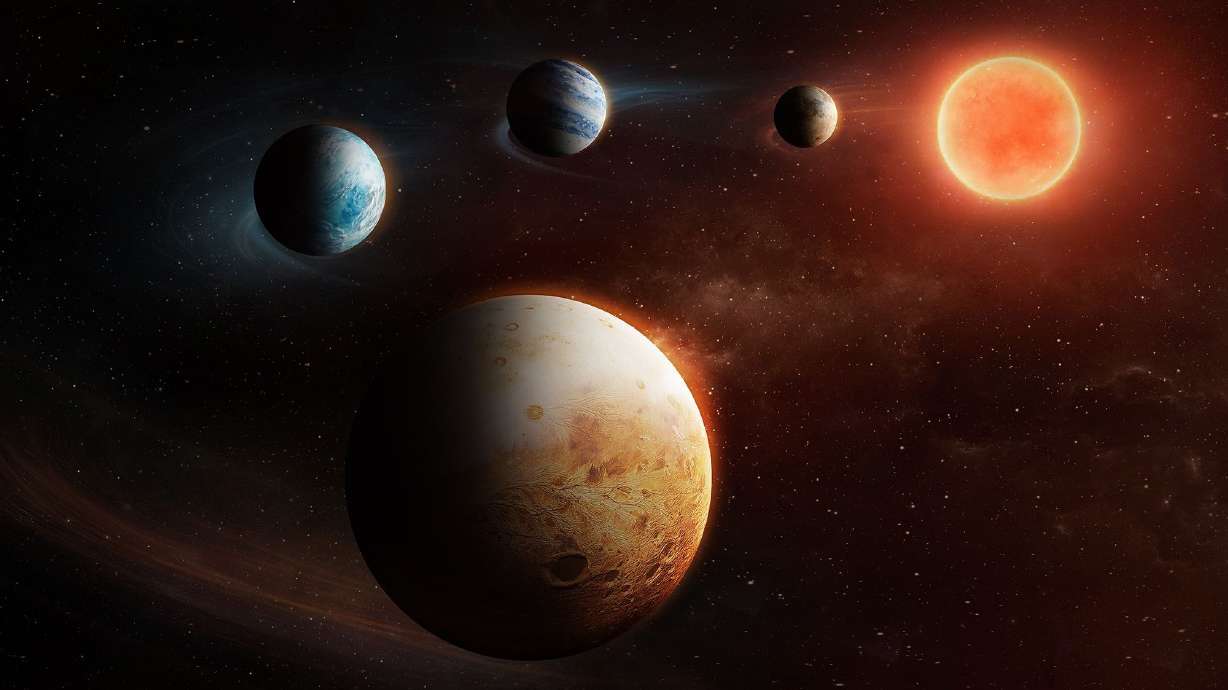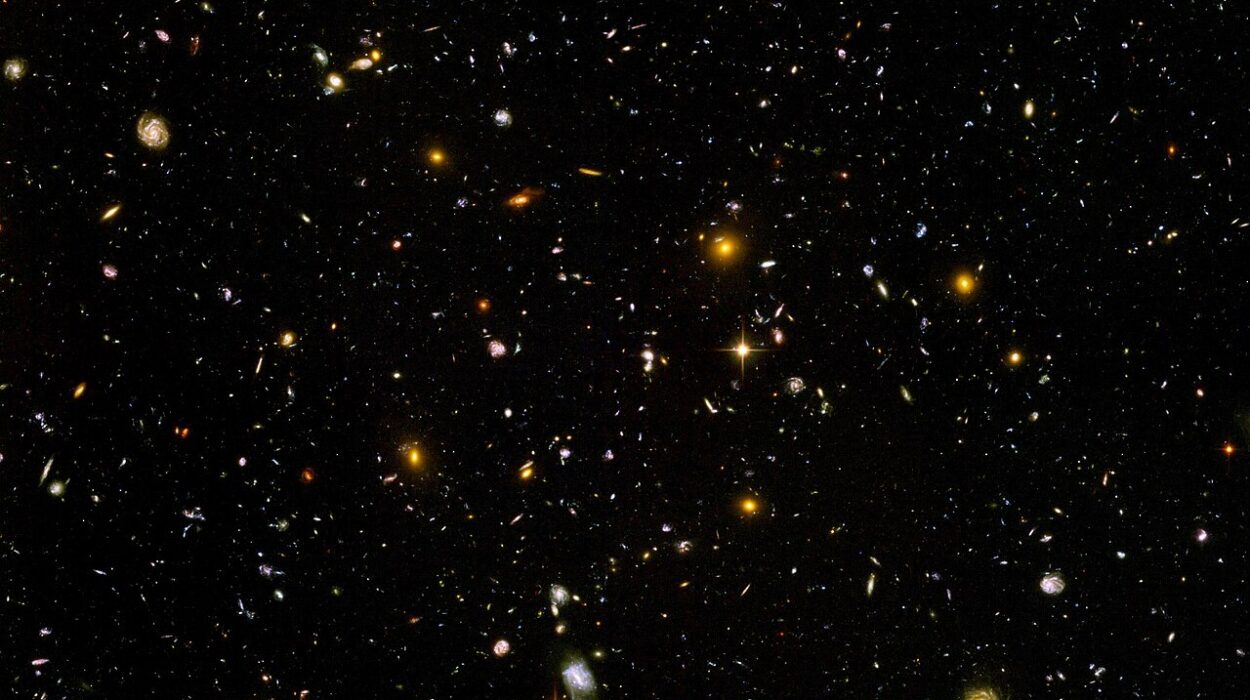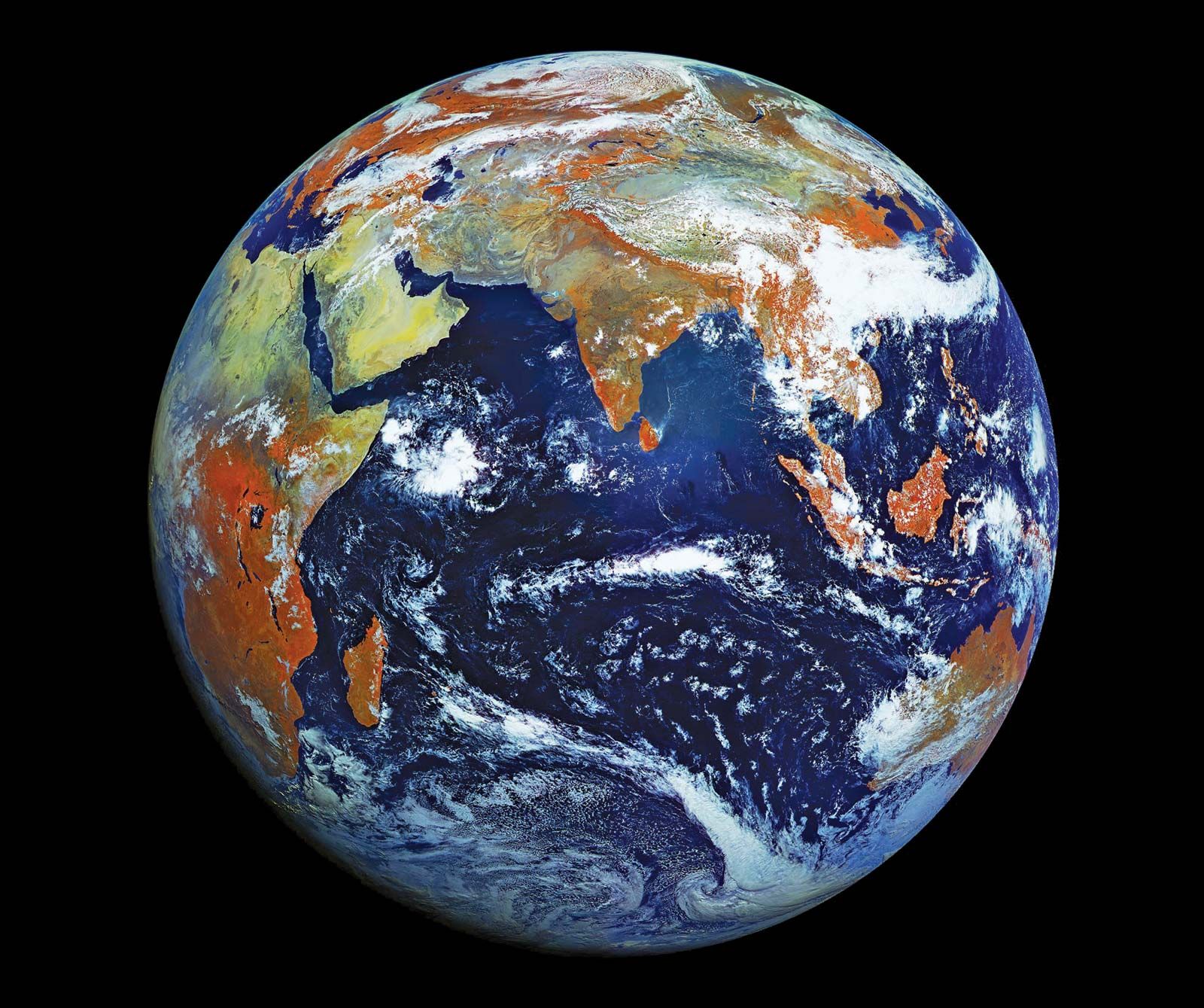
Every day, we wake up beneath a blue sky, breathe fresh air, drink clean water, and walk on solid ground without giving much thought to how extraordinary our planet truly is. Earth feels so familiar that it is easy to assume worlds like it must be common across the universe. Yet after decades of exploring our Solar System and discovering thousands of planets orbiting distant stars, scientists have found no confirmed evidence of life anywhere else.
Our planet is far more than a rock orbiting the Sun. It is a remarkably balanced world where countless natural systems work together to create conditions that allow life to exist and thrive. Every tree in a forest, every fish in the ocean, every bird in the sky, and every person on Earth depends on a delicate combination of factors that have developed over billions of years.
If Earth were slightly closer to the Sun, much of its water could evaporate. If it were much farther away, the oceans might freeze. Without its atmosphere, life would be exposed to deadly radiation and extreme temperatures. Without liquid water, life as we know it could not survive. Even Earth’s molten interior, magnetic field, and active geology play critical roles in making our world a place where life can flourish.
So, what exactly makes Earth habitable? The answer is not one single feature but an extraordinary combination of conditions working together in remarkable harmony.
What Does “Habitable” Mean?
When scientists describe a planet as habitable, they do not necessarily mean that it is inhabited. Instead, they mean that the planet has environmental conditions capable of supporting life, particularly life similar to that found on Earth.
Habitability depends on many interconnected factors. A habitable world must have suitable temperatures, a stable energy source, essential chemical elements, protection from harmful radiation, and, most importantly, liquid water. It also needs long-term environmental stability so that life has enough time to originate, evolve, and diversify.
Earth satisfies all of these requirements better than any other known planet.
The Right Distance From the Sun
One of Earth’s greatest advantages is its location within the Solar System.
Earth orbits the Sun at an average distance of about 150 million kilometers (93 million miles). At this distance, the amount of solar energy reaching the planet allows water to remain liquid across much of its surface.
Astronomers call this region around a star the habitable zone, sometimes referred to as the “Goldilocks zone.” The term comes from the children’s story in which everything must be “just right.”
If a planet is too close to its star, temperatures may become high enough to boil away oceans, creating an environment similar to Venus.
If a planet is too far away, water may freeze permanently, producing conditions more like Mars.
Earth lies in a range where temperatures can support stable liquid water over billions of years.
However, being inside the habitable zone alone does not guarantee habitability. Venus and Mars demonstrate that many other factors are equally important.
Liquid Water: The Foundation of Life
Every known living organism requires water.
Water is often called the universal solvent because it dissolves a vast variety of substances, allowing essential chemical reactions to occur inside living cells.
Cells use water to transport nutrients, remove waste, regulate temperature, and support nearly every biological process.
About 71 percent of Earth’s surface is covered by oceans, seas, lakes, rivers, and ice.
Even beneath deserts and deep underground, water remains abundant.
Earth’s oceans also help stabilize the global climate by absorbing, storing, and redistributing enormous amounts of heat around the planet.
Scientists searching for life elsewhere almost always begin by searching for evidence of liquid water because it is considered one of the strongest indicators of potential habitability.
A Protective Atmosphere
Earth’s atmosphere is one of the planet’s greatest gifts.
It is composed primarily of nitrogen and oxygen, along with smaller amounts of argon, carbon dioxide, water vapor, and other gases.
This invisible blanket surrounding Earth performs several life-supporting functions simultaneously.
It provides the oxygen that animals need for respiration.
It supplies carbon dioxide used by plants during photosynthesis.
It maintains atmospheric pressure that allows liquid water to exist on the surface.
The atmosphere also traps some of the Sun’s heat through the natural greenhouse effect.
Without this warming effect, Earth’s average surface temperature would be approximately –18 degrees Celsius (0 degrees Fahrenheit), far too cold for most life. Instead, the average temperature is about 15 degrees Celsius (59 degrees Fahrenheit), creating a much more hospitable environment.
A balanced greenhouse effect is essential. Too little warming would freeze the planet, while too much could produce extreme conditions similar to those on Venus.
Earth’s Magnetic Shield
Although invisible, Earth’s magnetic field plays a vital role in protecting life.
Deep inside Earth, molten iron moves within the outer core, generating a powerful magnetic field through a process known as the geodynamo.
This magnetic field extends far into space, forming the magnetosphere.
The magnetosphere deflects much of the charged particles carried by the solar wind.
Without this protective shield, energetic particles from the Sun could gradually strip away the atmosphere and expose the surface to much higher levels of harmful radiation.
Mars offers an important comparison. Much of its global magnetic field disappeared billions of years ago, allowing the solar wind to erode much of its atmosphere over time.
Earth’s magnetic field has helped preserve both its atmosphere and its habitability.
The Ozone Layer
High in Earth’s atmosphere lies a relatively thin region rich in ozone molecules.
This ozone layer absorbs most of the Sun’s harmful ultraviolet radiation before it reaches Earth’s surface.
Ultraviolet radiation can damage DNA and other biological molecules, increasing the risk of mutations and harming living organisms.
Without the ozone layer, life on land would face far greater challenges.
The ozone layer works together with Earth’s atmosphere and magnetic field to create multiple layers of protection.
Stable Climate Over Billions of Years
Life requires more than suitable conditions today.
It also needs those conditions to remain relatively stable for immense periods of time.
Earth has maintained a generally habitable climate for more than 3.5 billion years, despite periods of ice ages, volcanic activity, asteroid impacts, and changing solar brightness.
This long-term stability has allowed simple microscopic organisms to gradually evolve into the astonishing diversity of life seen today.
Many planets may occasionally become habitable, but sustaining those conditions over billions of years appears to be much more difficult.
Plate Tectonics and a Living Planet
Unlike many rocky worlds, Earth is geologically active.
Its outer shell is divided into large tectonic plates that slowly move across the surface.
These moving plates create mountains, earthquakes, volcanoes, and ocean basins.
Although these events can be destructive locally, plate tectonics plays a fundamental role in maintaining Earth’s long-term habitability.
Volcanic eruptions release gases that replenish the atmosphere.
The movement of tectonic plates helps recycle carbon between Earth’s interior, oceans, and atmosphere through the long-term carbon cycle.
This process acts as a natural climate regulator over millions of years.
Without plate tectonics, Earth’s climate could become far less stable.
The Carbon Cycle
Carbon is one of the essential building blocks of life.
Earth continuously moves carbon through the atmosphere, oceans, rocks, soil, and living organisms.
Plants remove carbon dioxide from the atmosphere during photosynthesis.
Animals return carbon through respiration.
Dead organisms become part of soils and sediments.
Some carbon becomes locked within rocks before eventually returning through volcanic activity.
This continuous recycling helps regulate atmospheric carbon dioxide over geological timescales, contributing to Earth’s climate stability.
The Right Size and Gravity
Earth’s size is another important factor in its habitability.
If Earth were much smaller, its weaker gravity might struggle to retain a thick atmosphere over billions of years.
A thinner atmosphere would provide less protection from radiation and weaker temperature regulation.
If Earth were significantly larger, conditions could be very different, potentially leading to an atmosphere with much higher pressure and different geological behavior.
Earth’s mass is large enough to maintain its atmosphere and sustain internal heat, yet not so large that surface conditions become inhospitable.
Its gravity also helps retain liquid oceans while allowing humans and other organisms to move efficiently.
A Long-Lived, Stable Star
The Sun is another reason Earth is habitable.
It is a middle-aged G-type main-sequence star that has remained relatively stable for billions of years.
The Sun provides a steady flow of energy that powers photosynthesis, drives weather systems, warms Earth’s surface, and supports nearly every ecosystem.
Some stars experience violent eruptions or dramatic brightness changes that could make nearby planets less suitable for life.
The Sun has certainly undergone periods of activity, including solar flares and coronal mass ejections, but its overall energy output has remained remarkably stable over geological timescales.
This stability has given life the time needed to evolve.
The Importance of the Moon
Earth’s Moon is far more than a beautiful object in the night sky.
Its gravitational pull creates ocean tides that influence coastal ecosystems and help mix nutrients within the oceans.
The Moon also helps stabilize Earth’s axial tilt.
Earth’s axis is tilted by about 23.5 degrees, creating the seasons.
Without the Moon’s stabilizing influence, Earth’s tilt could vary much more dramatically over long periods, leading to much larger climate changes.
Although scientists continue studying exactly how important this stabilization has been for life’s evolution, the Moon is widely considered an important contributor to Earth’s long-term environmental stability.
The Right Chemical Ingredients
Life depends on chemistry.
Earth contains abundant supplies of the elements most important for life, including carbon, hydrogen, oxygen, nitrogen, phosphorus, and sulfur.
These elements combine to form proteins, DNA, RNA, carbohydrates, lipids, and countless other molecules essential for living organisms.
Earth also contains numerous trace elements, such as iron, magnesium, calcium, potassium, and sodium, that support biological functions.
Because these elements are widely available, Earth’s chemistry provides an ideal foundation for life.
Photosynthesis Changed Everything
When life first appeared, Earth’s atmosphere looked very different from today.
Early microscopic organisms gradually evolved the ability to perform photosynthesis, using sunlight to convert carbon dioxide and water into organic molecules while releasing oxygen.
Over hundreds of millions of years, oxygen accumulated in the atmosphere during an event known as the Great Oxidation Event.
This transformation fundamentally changed Earth’s environment.
Oxygen made complex multicellular life possible and eventually led to the evolution of animals, plants, and humans.
Without photosynthesis, Earth would be a dramatically different world.
Biodiversity Strengthens Earth’s Habitability
Life itself has become one of Earth’s greatest strengths.
Plants regulate atmospheric gases.
Forests influence rainfall.
Microorganisms recycle nutrients.
Marine plankton produce a substantial fraction of Earth’s oxygen.
Countless species interact within ecosystems that help maintain environmental balance.
Habitability is therefore not simply something Earth provides for life.
Life also helps maintain Earth’s habitability.
The planet and its living organisms have coevolved for billions of years.
Earth’s Water Cycle
Water on Earth never stays in one place forever.
It evaporates from oceans, lakes, and rivers.
Water vapor forms clouds.
Rain and snow return fresh water to the surface.
Groundwater slowly moves through rocks before reaching rivers or oceans again.
This continuous water cycle distributes fresh water across the planet while helping regulate climate.
Without this cycle, many ecosystems could not survive.
Earth’s Diverse Environments
Earth supports an astonishing variety of habitats.
Life exists in tropical rainforests, deserts, coral reefs, mountain peaks, polar ice, underground caves, deep oceans, hot springs, acidic lakes, and even within rocks.
Some microorganisms thrive in boiling water.
Others survive in freezing Antarctic ice.
Certain bacteria live kilometers beneath Earth’s surface.
These extreme environments demonstrate the remarkable adaptability of life and suggest that habitable conditions may exist in places once thought impossible.
Comparing Earth With Its Neighbors
Looking at nearby planets highlights how unusual Earth is.
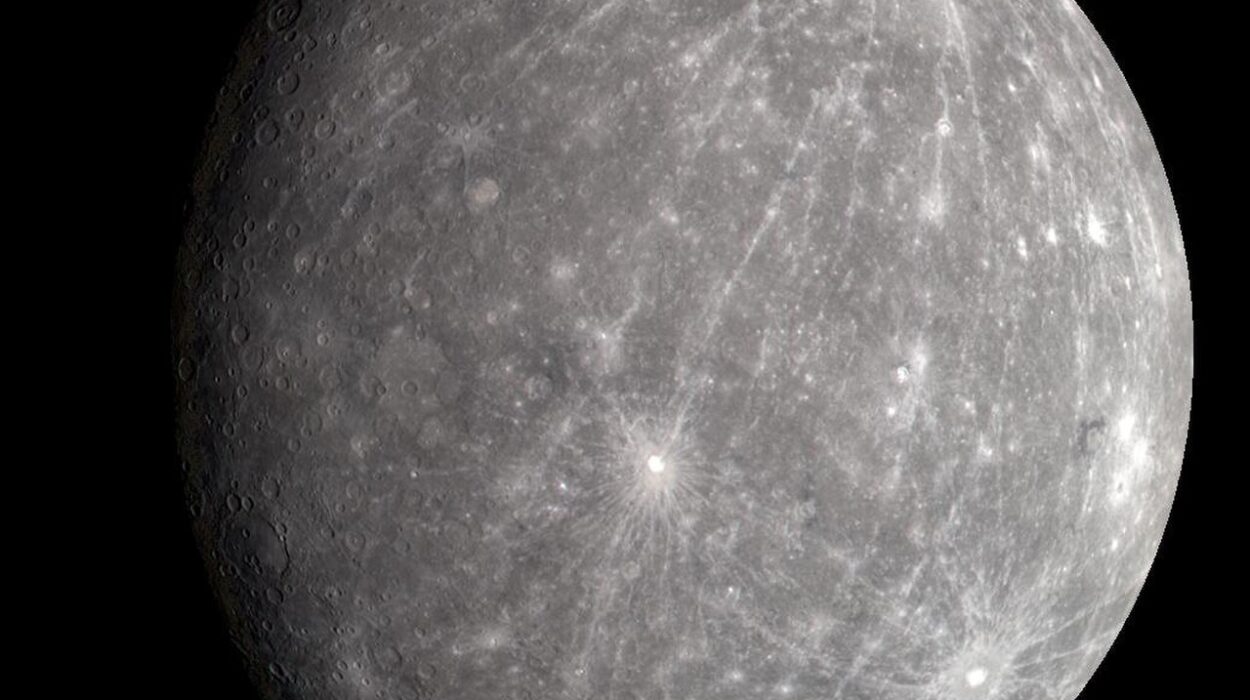
Mercury has almost no substantial atmosphere and experiences enormous temperature differences between day and night.
Venus is nearly the same size as Earth but has an extremely dense atmosphere dominated by carbon dioxide. Its runaway greenhouse effect produces surface temperatures hot enough to melt lead.
Mars shows evidence that liquid water once flowed across its surface billions of years ago. Today, however, it is cold, dry, and has a much thinner atmosphere.
Despite being neighbors, these planets evolved into dramatically different worlds.
Earth occupies a rare middle ground where numerous favorable conditions have remained in balance.
Are There Other Habitable Worlds?
Since the 1990s, astronomers have confirmed the existence of thousands of planets orbiting other stars.
Many are located within the habitable zones of their stars.
Some may possess rocky surfaces and potentially even liquid water.
However, determining whether they truly support life is extremely difficult.
Scientists must consider atmospheric composition, planetary mass, geological activity, magnetic fields, stellar radiation, orbital stability, and many other factors.
Future space telescopes may eventually detect chemical signatures in distant planetary atmospheres that could hint at biological activity.
For now, Earth remains the only world known to host life.
Why Protecting Earth’s Habitability Matters
Earth has remained habitable for billions of years, but that does not mean its environment cannot change.
Human activities can influence atmospheric composition, ecosystems, biodiversity, freshwater resources, and the global climate.
Understanding the natural systems that make Earth habitable helps scientists develop better strategies for protecting them.
The more we learn about our planet, the more we appreciate how interconnected its systems truly are.
The atmosphere, oceans, forests, soils, ice sheets, and living organisms all contribute to maintaining the conditions that support life.
Protecting these systems helps preserve Earth’s habitability for future generations.
Conclusion
Earth is not habitable because of one extraordinary feature. It is habitable because countless natural processes work together in remarkable balance. The right distance from the Sun, abundant liquid water, a protective atmosphere, a powerful magnetic field, active geology, a stable climate, essential chemical elements, and billions of years of evolution have combined to create the only known living world in the universe.
Every breath we take, every drop of rain that falls, every forest that grows, and every ocean wave that reaches the shore is part of an intricate planetary system that has sustained life for billions of years. As scientists continue exploring distant planets and searching for signs of life beyond Earth, one truth becomes increasingly clear: our home is extraordinarily rare and precious.
Earth is more than just the planet we live on. It is, so far as we know, the universe’s only oasis of life—a world where the laws of physics, chemistry, geology, and biology have come together to create something truly remarkable.