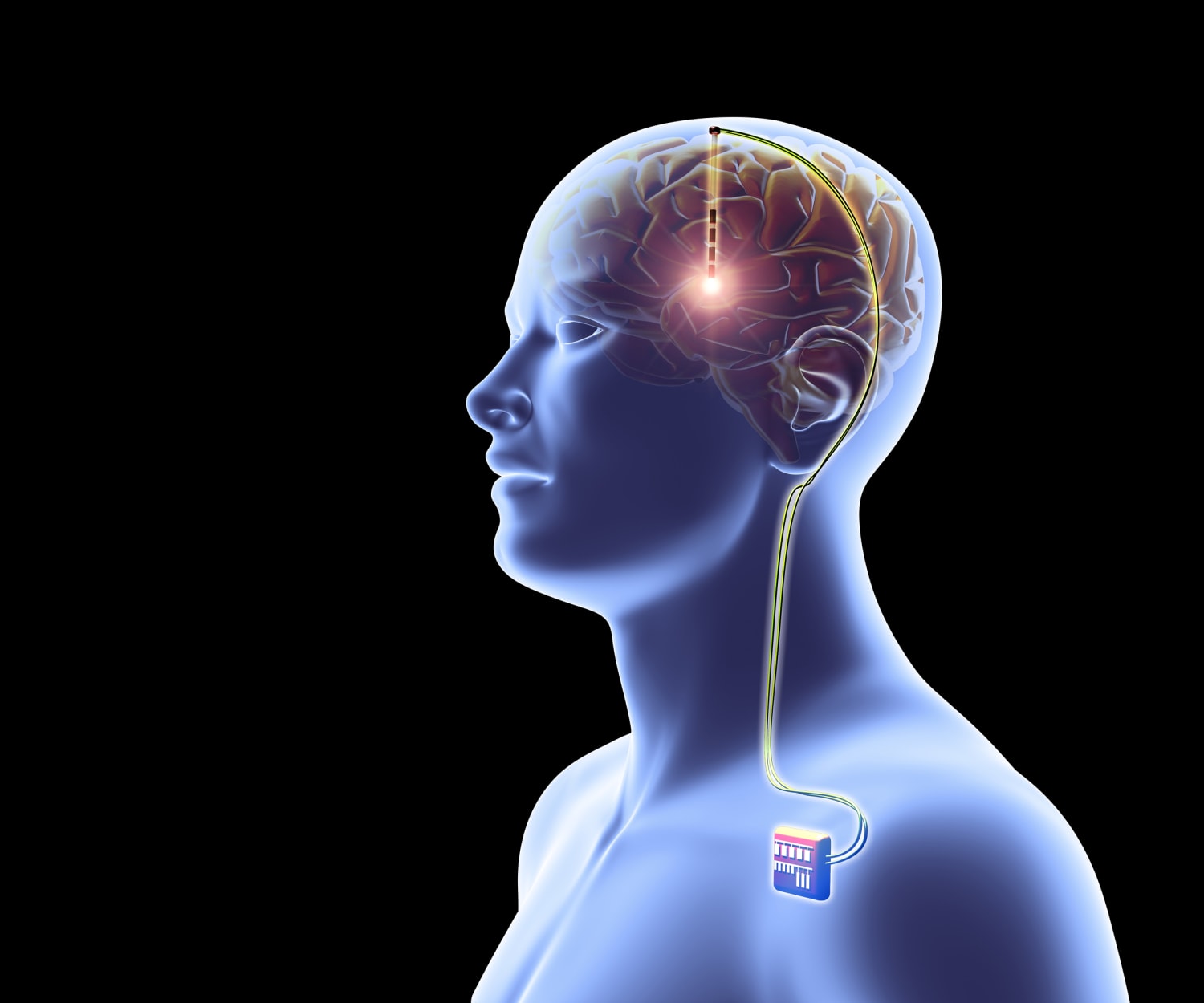
The human brain is often described as the most complex object in the known universe. It contains roughly 86 billion nerve cells, called neurons, connected by trillions of communication pathways. Every thought, memory, emotion, movement, and sensation arises from electrical signals traveling through this remarkable network. For centuries, scientists dreamed of directly communicating with the brain. Today, that dream is becoming reality through brain implants.
Brain implants, also known as brain-computer interfaces (BCIs) or neural implants, represent one of the fastest-growing fields in neuroscience and biomedical engineering. These devices have already helped people regain hearing through cochlear implants, reduce the symptoms of Parkinson’s disease with deep brain stimulation, and even allow some people with paralysis to control computers or robotic arms using only their thoughts.
These achievements sound extraordinary, but they also raise an important question: Are brain implants safe?
The answer is both encouraging and complex. Modern brain implants have transformed countless lives, yet they also involve surgery, long-term medical monitoring, and technological challenges. Like any medical treatment, they offer significant benefits while carrying real risks.
Understanding these benefits and risks helps explain why scientists remain optimistic while continuing to improve the safety of this groundbreaking technology.
What Are Brain Implants?
Brain implants are medical devices that are placed either inside the brain or on its surface to record, stimulate, or influence brain activity. They work by interacting with the electrical signals produced by neurons.
Some implants record brain activity, allowing computers to interpret a person’s intended movements or communication. Others send carefully controlled electrical pulses into specific brain regions to treat neurological disorders.
Although the phrase “brain implant” may sound futuristic, these devices have been used in medicine for decades. The most established examples include deep brain stimulation (DBS) systems for movement disorders and cochlear implants, which stimulate the auditory nerve to restore hearing for many people with severe hearing loss.
Newer brain-computer interfaces aim to do even more, including restoring movement after paralysis, helping people speak after losing the ability to talk, and assisting researchers in understanding how the brain works.
Why Do People Need Brain Implants?
Brain implants are not designed to make healthy people smarter or give them superhuman abilities. Their primary purpose today is medical treatment.
Many neurological conditions disrupt the brain’s normal electrical activity. In some cases, carefully stimulating certain brain regions can reduce symptoms or improve function.
People with Parkinson’s disease may experience severe tremors and movement difficulties because specific brain circuits no longer function normally. Deep brain stimulation can help regulate these circuits, reducing symptoms that medications alone may not fully control.
People with epilepsy sometimes have seizures that cannot be managed with medication. Certain implanted devices can detect abnormal electrical activity and deliver stimulation that may reduce seizure frequency.
Some individuals with paralysis can no longer move their arms or hands because communication between the brain and muscles has been interrupted by spinal cord injury or disease. Brain-computer interfaces can record signals from the brain and use them to control robotic limbs, computers, or communication devices.
Researchers are also exploring brain implants for conditions such as depression, obsessive-compulsive disorder, chronic pain, and severe paralysis.
How Do Brain Implants Work?
Neurons communicate using tiny electrical impulses. Whenever you move a finger, remember a face, or read a sentence, millions of neurons generate electrical signals.
Brain implants either record these signals, stimulate neurons, or both.
Recording devices use microscopic electrodes to detect electrical activity from nearby neurons. Sophisticated computer algorithms analyze these signals and translate them into commands that can control external devices.
Stimulation devices work in the opposite direction. Instead of listening to neurons, they send carefully controlled electrical pulses into specific brain regions. These pulses can influence neural activity and help correct abnormal patterns associated with certain diseases.
Modern implants often contain tiny electronic circuits connected to wires or wireless communication systems that allow doctors to program and monitor the device.
Brain Surgery: The First Safety Concern
One of the biggest safety questions involves the surgery itself.
Most brain implants require neurosurgery, meaning surgeons must create a small opening in the skull to place electrodes into or onto the brain. Although modern neurosurgery has become remarkably precise, every operation carries some degree of risk.
Possible complications include bleeding, infection, swelling, stroke, or reactions to anesthesia.
Fortunately, these complications are relatively uncommon when procedures are performed by experienced surgical teams at specialized medical centers. Careful patient selection, advanced imaging, sterile surgical techniques, and continuous monitoring have greatly improved surgical safety over the past several decades.
Even so, brain surgery remains a major medical procedure that requires thoughtful consideration.
Can Brain Implants Damage the Brain?
This is one of the most common concerns.
Whenever a device is inserted into brain tissue, it causes some degree of physical disruption. Scientists work hard to minimize this damage by designing electrodes that are extremely small and flexible.
After implantation, the body’s immune system recognizes the device as a foreign object. Specialized immune cells may gather around the implant, creating scar tissue over time.
This natural response is called the foreign body reaction.
Scar tissue can reduce the quality of recorded brain signals and sometimes limit how long an implant remains effective. Researchers are actively developing softer materials, flexible electrodes, and improved coatings that reduce inflammation and help implants function for longer periods.
Current evidence suggests that carefully implanted medical devices generally cause only localized tissue changes rather than widespread brain damage, but long-term research continues.
The Risk of Infection
Any implanted medical device carries a risk of infection.
Bacteria can enter during surgery or, less commonly, after implantation if part of the device passes through the skin.
Infections involving brain implants are taken very seriously because they may require antibiotics or removal of the device.
To reduce this risk, surgeons use strict sterile procedures, preventive antibiotics, and careful postoperative monitoring.
Many newer implant designs aim to eliminate external wires altogether, reducing opportunities for infection.
Can Brain Implants Fail?
Like any electronic device, brain implants can experience technical problems.
Electrodes may degrade over time.
Electrical connections can weaken.
Battery-powered systems eventually require replacement.
Software may need updating.
Fortunately, most medical brain implants are designed with extensive safety testing before receiving regulatory approval. Manufacturers conduct years of laboratory and clinical evaluations to ensure reliability.
Doctors also regularly monitor implanted devices to ensure they continue functioning properly.
Although technical failures do occur, modern engineering has made these systems increasingly dependable.
Long-Term Safety
One of the most important scientific questions concerns long-term safety.
Some people have lived with deep brain stimulation devices for decades, providing valuable evidence that these implants can remain both safe and effective over many years when properly maintained.
However, newer brain-computer interfaces designed for communication and movement restoration have existed for much shorter periods.
Researchers continue following participants in long-term clinical studies to understand how implants perform over five, ten, or even twenty years.
These ongoing studies help improve future devices while providing important information about durability and safety.
Are Brain Implants Painful?
The brain itself does not contain pain receptors.
During surgery, patients receive anesthesia to prevent pain.
After the operation, some discomfort may occur around the scalp incision or where implanted hardware is placed beneath the skin, but this usually improves during recovery.
Once healing is complete, most patients do not continuously feel the electrodes inside their brains.
Some stimulation therapies require doctors to adjust electrical settings over time until the best balance between symptom relief and side effects is achieved.
Side Effects of Brain Stimulation
Brain stimulation affects neural circuits, so temporary side effects can occur depending on which brain region is being stimulated.
Some people may experience changes in speech, balance, mood, vision, or muscle control while doctors adjust stimulation settings.
In most cases, these effects improve after the stimulation is reprogrammed.
The exact risks depend on the medical condition being treated, the location of the electrodes, and the individual patient’s health.
Careful follow-up allows physicians to optimize treatment while minimizing unwanted effects.
Deep Brain Stimulation: A Proven Example
One of the strongest examples supporting the safety of brain implants is deep brain stimulation.
Since the 1990s, thousands of people worldwide have received DBS systems for conditions such as Parkinson’s disease, essential tremor, and dystonia.
Extensive research has shown that DBS can significantly reduce symptoms and improve quality of life for many carefully selected patients.
Although it does not cure these diseases, it often allows patients to regain movement, independence, and daily functioning.
Because DBS has been studied for decades, it provides valuable evidence that implanted brain devices can be safely used under appropriate medical supervision.
Brain Implants for Paralysis
Perhaps some of the most inspiring advances involve helping people with severe paralysis.
Researchers have demonstrated that implanted electrodes can record brain signals associated with intended movement.
Computer algorithms decode these signals and translate them into commands that control robotic arms, computer cursors, or communication systems.
Some experimental systems even reconnect the brain to muscles through electrical stimulation, allowing partially restored movement.
These achievements remain the subject of active clinical research, but they demonstrate the remarkable potential of brain-computer interfaces.
Brain Privacy and Ethical Questions
Safety involves more than physical health.
Brain implants raise important ethical and privacy questions.
If a device records brain activity, who owns that information?
How should it be stored?
Who can access it?
Could future technologies reveal private thoughts?
Current brain-computer interfaces do not read minds in the way science fiction often portrays. Instead, they detect specific patterns associated with carefully trained tasks, such as imagining hand movements or selecting letters.
Nevertheless, researchers, ethicists, and policymakers recognize the importance of protecting neural data as these technologies become more advanced.
Privacy, informed consent, cybersecurity, and patient autonomy have become central topics in neurotechnology research.
Can Brain Implants Be Hacked?
Modern implanted devices increasingly include wireless communication, allowing doctors to adjust settings without additional surgery.
Any wireless technology theoretically introduces cybersecurity concerns.
Manufacturers address these risks by using encryption, authentication protocols, and multiple layers of security.
To date, there is no widespread evidence that medical brain implants have been maliciously hacked in routine clinical use. However, cybersecurity remains an active area of research because protecting implanted medical devices is essential.
Psychological Adjustment
Receiving a brain implant can be emotionally significant.
Some people experience excitement and hope.
Others may feel anxiety about surgery or uncertainty about living with an implanted device.
Psychological support before and after implantation helps many patients adapt to the technology and maintain realistic expectations.
Brain implants often improve quality of life, but they do not eliminate every challenge associated with neurological disease.
Are Brain Implants Safe for Healthy People?
Currently, brain implants are generally intended for people with serious medical conditions where the potential benefits outweigh the risks.
Implanting devices into healthy brains purely for enhancement purposes raises significant ethical, medical, and scientific concerns.
Because brain surgery carries real risks, doctors carefully evaluate whether implantation is medically justified.
Researchers continue studying future applications, but widespread implantation in healthy individuals is not currently considered routine medical practice.
How Scientists Are Making Brain Implants Safer
Safety improvements continue at an impressive pace.
Researchers are developing electrodes that are thinner than human hair and flexible enough to move with brain tissue.
New materials reduce inflammation and scar formation.
Wireless systems eliminate external connectors.
Artificial intelligence helps decode brain signals more accurately while requiring fewer implanted electrodes.
Some researchers are even exploring minimally invasive implantation methods that reduce surgical trauma.
Each technological advance aims to improve both safety and long-term performance.
Regulation and Clinical Trials
Before new brain implants become widely available, they undergo extensive laboratory testing and carefully supervised clinical trials.
Researchers evaluate not only whether a device works but also whether it remains safe over months and years.
Independent ethics committees oversee human studies to protect participants.
Regulatory agencies review evidence before approving devices for medical use.
Even after approval, many devices continue to be monitored so that rare complications can be identified and addressed.
This rigorous process helps ensure that patient safety remains the highest priority.
The Future of Brain Implants
The future of brain implants is filled with exciting possibilities.
Scientists hope to restore speech for people who can no longer talk after stroke or neurological disease.
Researchers aim to improve treatments for epilepsy, depression, chronic pain, and paralysis.
Future devices may become smaller, more durable, more precise, and less invasive.
Some implants may one day communicate seamlessly with artificial intelligence to improve rehabilitation and assistive technologies.
At the same time, every new advance must be carefully evaluated for safety, ethics, privacy, and long-term health effects.
Progress in neuroscience depends not only on innovation but also on responsible medical practice.
So, Are Brain Implants Safe?
The best scientific answer is that brain implants can be safe when used appropriately for carefully selected patients under expert medical care, but they are not without risks.
Modern brain implants have already improved the lives of many people living with serious neurological disorders. Decades of experience with treatments such as deep brain stimulation demonstrate that implanted brain devices can provide meaningful and lasting benefits. At the same time, surgery, infection, bleeding, device failure, and long-term biological responses remain important considerations.
No medical procedure is completely risk-free, and brain implants are no exception. Doctors carefully weigh the potential benefits against the possible complications for each individual patient before recommending implantation.
As technology advances, brain implants are becoming smaller, safer, smarter, and more reliable. Researchers continue to improve materials, surgical techniques, computer algorithms, and wireless systems while expanding our understanding of the brain itself.
Brain implants are no longer just an idea from science fiction. They are real medical tools that are already transforming lives. While important challenges remain, current scientific evidence suggests that, when developed responsibly and used under proper medical supervision, brain implants represent one of the most promising frontiers in modern medicine—offering hope to people whose neurological conditions were once considered impossible to treat.