Shopping has always been more than simply buying things. It is about solving problems, expressing personal style, finding the right gift, saving time, and making choices that fit our needs and budget. For generations, shopping meant visiting local stores, speaking with shopkeepers, comparing products by hand, and carrying purchases home. Then the internet transformed the experience, allowing people to browse thousands of products from their computers and smartphones.
Today, another transformation is underway—one driven by artificial intelligence (AI).
AI is quietly becoming part of nearly every stage of the shopping journey. It recommends products before customers even know what they need, helps businesses predict demand, answers questions through virtual assistants, improves delivery routes, detects fraud, and even helps design new products. Whether someone is buying groceries, clothing, electronics, books, or furniture, AI is increasingly working behind the scenes.
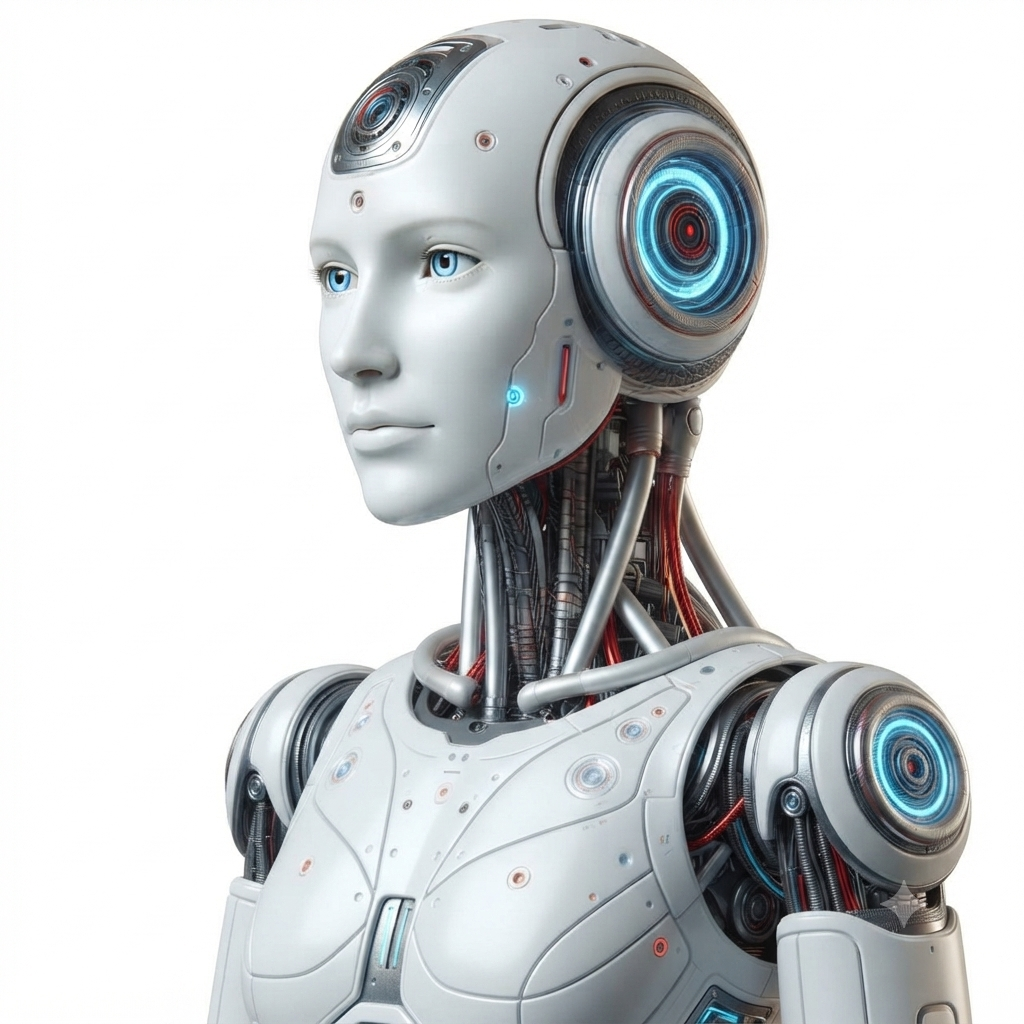
Many people imagine AI as futuristic robots walking through stores, but the reality is both more practical and more fascinating. Most AI systems are invisible. They analyze enormous amounts of data, recognize patterns, and make predictions that help shoppers and businesses make better decisions.
The way people shop is changing rapidly, and AI is becoming one of the most important technologies driving that change.
Understanding Artificial Intelligence in Shopping
Artificial intelligence refers to computer systems designed to perform tasks that normally require human intelligence. These tasks include recognizing images, understanding language, learning from experience, making predictions, and solving problems.
In shopping, AI works by analyzing information. Every time customers search for products, read reviews, compare prices, add items to a shopping cart, or complete a purchase, they create data. AI systems can examine millions—or even billions—of these interactions to identify patterns that would be impossible for humans to detect manually.
Instead of simply following fixed instructions, many AI systems improve over time by learning from new information. This ability allows shopping platforms to become smarter as more people use them.
The result is a shopping experience that feels faster, more personalized, and often more convenient.
Personalized Recommendations That Feel Surprisingly Accurate
One of the most noticeable ways AI has changed shopping is through personalized recommendations.
Imagine searching for a pair of running shoes online. Shortly afterward, the shopping website begins suggesting sports clothing, fitness watches, running socks, and water bottles. Another customer searching for hiking equipment may receive completely different recommendations, even if both people visit the same website.
This happens because AI analyzes shopping behavior, previous purchases, browsing history, product popularity, and sometimes information such as preferred sizes or favorite brands. By recognizing patterns among millions of customers, AI estimates which products are most likely to interest each individual.
These recommendations are not random. They are predictions generated from data.
When they work well, they save customers time by helping them discover products they might otherwise overlook. Businesses also benefit because relevant recommendations often increase customer satisfaction and sales.
However, recommendations are predictions rather than perfect knowledge. AI can sometimes suggest products that are irrelevant or based on incomplete information, reminding us that these systems are powerful but not flawless.
Smarter Search Makes Finding Products Easier
Searching for products online has become much more intelligent thanks to AI.
Years ago, online shopping often required typing exact product names. Even a small spelling mistake could prevent useful results from appearing.
Modern AI-powered search systems are far more flexible.
Someone searching for “comfortable shoes for standing all day” does not necessarily need to know the exact product name. AI can understand the general meaning of the request and identify products that match the customer’s needs.
Some shopping platforms even allow image searches. A customer can upload a photograph of a jacket, chair, or pair of shoes, and AI analyzes the image to find visually similar products.
Natural language processing, a branch of AI focused on understanding human language, also enables shoppers to ask questions in everyday conversation rather than using precise keywords.
Searching increasingly feels like talking to a knowledgeable assistant instead of using a traditional search engine.
AI Chatbots Are Becoming Better Shopping Assistants
Many online stores now use AI-powered chatbots and virtual assistants to answer customer questions.
Instead of waiting for a human representative, shoppers can ask questions such as:
“What size should I choose?”
“Is this product available?”
“When will my order arrive?”
“Can I return this item?”
Modern AI assistants can often provide quick answers based on product information, shipping details, return policies, and previous customer interactions.
Some systems even help compare products, explain technical features, and recommend alternatives if an item is out of stock.
Although human customer service remains important for complex situations, AI allows businesses to respond instantly to millions of routine questions every day.
Shopping Becomes More Personalized Than Ever Before
No two shoppers are exactly alike.
Some people prefer affordable products.
Others focus on premium quality.
Some value sustainability.
Others prioritize speed, convenience, or brand loyalty.
AI helps businesses understand these differences.
Rather than showing identical products to every visitor, AI can personalize homepages, advertisements, emails, and promotional offers based on individual interests.
For example, someone who frequently purchases gardening equipment may see new gardening products first, while another customer interested in photography might immediately see cameras and lenses.
Personalization helps reduce information overload by highlighting products that are more likely to match individual preferences.
When used responsibly, it creates a more relevant shopping experience.
AI Helps Stores Manage Inventory
One of the biggest challenges for retailers is keeping the right products in stock.
If shelves become empty, customers may leave disappointed.
If stores order too much, unsold products can create financial losses and unnecessary waste.
AI helps solve this problem by predicting future demand.
By analyzing historical sales, seasonal trends, holidays, weather patterns, regional preferences, and other factors, AI estimates how many products stores may need in the coming weeks or months.
Although predictions are never perfect, they often help businesses improve inventory management.
This benefits both retailers and customers by reducing shortages and minimizing excess stock.
Faster and More Efficient Deliveries
Ordering a product online is only the beginning of the shopping process.
The item still needs to travel from a warehouse to the customer’s doorstep.
AI plays an increasingly important role in making deliveries faster and more efficient.
Logistics companies use AI to optimize delivery routes by considering traffic conditions, weather, road closures, fuel consumption, and delivery schedules.
Warehouses also use AI to organize products more efficiently.
Some distribution centers employ automated systems that help workers locate items quickly, reducing the time required to prepare orders.
As e-commerce continues growing worldwide, AI is helping supply chains handle increasing demand while improving efficiency.
Fighting Fraud and Keeping Payments Secure
Online shopping depends on trust.
Customers need confidence that their payment information is secure.
AI helps identify suspicious activity by recognizing unusual patterns.
For example, if a purchase differs dramatically from a customer’s normal shopping behavior, the system may flag it for additional verification.
AI can analyze thousands of signals simultaneously, including purchase location, transaction timing, spending patterns, and device information.
These systems do not eliminate fraud entirely, but they help financial institutions and retailers detect potentially fraudulent transactions much faster than traditional methods alone.
This contributes to safer online shopping for millions of customers.
AI Is Transforming Physical Stores
Artificial intelligence is not limited to online shopping.
Many physical stores are also becoming smarter.
Some retailers use computer vision—AI that analyzes images and video—to monitor inventory levels on shelves.
When products begin running low, employees can receive alerts to restock them.
Some stores use AI to analyze customer traffic patterns, helping improve store layouts and product placement.
Others employ smart checkout technologies that reduce waiting times by automatically recognizing purchased items.
These innovations aim to make in-store shopping more convenient while helping businesses operate more efficiently.
Virtual Try-On Technology
Buying clothing, glasses, makeup, or furniture online has always involved uncertainty.
Will the shirt fit properly?
Will the glasses suit your face?
Will the sofa match your living room?
AI is helping answer these questions through virtual try-on technology.
Using computer vision and augmented reality, some shopping applications allow customers to see how products may appear on their bodies or inside their homes before making a purchase.
Although these simulations are not perfect, they often provide a better idea of appearance, size, and compatibility than traditional product photographs alone.
This can increase customer confidence and reduce product returns.
AI Helps Businesses Understand Customer Feedback
Every day, shoppers write millions of product reviews.
Reading every review manually would be nearly impossible for large retailers.
AI can analyze customer feedback automatically.
Instead of simply counting positive and negative ratings, modern language-processing systems identify recurring themes.
For example, AI may discover that customers consistently praise a laptop’s battery life but frequently complain about its keyboard.
Businesses use these insights to improve products, update descriptions, and identify manufacturing issues more quickly.
Customers also benefit because AI-generated summaries can make it easier to understand the overall strengths and weaknesses of products.
Dynamic Pricing and Market Trends
Prices often change over time.
Airline tickets, hotel rooms, and online products may become more or less expensive depending on demand.
AI helps businesses analyze market conditions, competitor prices, inventory levels, and customer demand to make pricing decisions.
This practice, known as dynamic pricing, allows prices to respond more quickly to changing conditions.
Although dynamic pricing can improve business efficiency, it also raises important discussions about transparency and fairness.
Researchers, businesses, and policymakers continue exploring how AI-driven pricing systems should be designed to balance commercial goals with consumer trust.
AI Helps Reduce Waste
Waste reduction has become an important goal for many businesses.
Predicting customer demand more accurately helps retailers avoid ordering excessive inventory that may never be sold.
Food retailers can use AI to estimate demand for fresh products, reducing unnecessary food waste.
Manufacturers can optimize production schedules based on expected customer needs.
Transportation companies can improve delivery efficiency, reducing fuel consumption.
Although AI alone cannot solve environmental challenges, better planning and resource management can contribute to more sustainable shopping systems.
Designing Better Products
AI does not only help sell products—it also helps create them.
Companies analyze customer reviews, product performance, manufacturing data, and market trends using AI.
These insights help designers understand which features customers value most.
Manufacturers can identify common complaints, improve future designs, and respond more quickly to changing consumer preferences.
In this way, AI becomes a tool for innovation as well as sales.
The Human Side of AI Shopping
Despite rapid technological progress, shopping remains deeply human.
People still make emotional decisions.
They buy birthday gifts to make loved ones smile.
They purchase books to learn new ideas.
They choose clothes that express personality.
They decorate homes to create comfortable spaces.
AI can assist these decisions by organizing information, recommending products, and simplifying comparisons.
However, it does not replace human values, creativity, or personal judgment.
The final choice still belongs to the shopper.
Privacy and Responsible AI
As AI becomes more deeply integrated into shopping, privacy has become increasingly important.
Many AI systems rely on customer data to personalize recommendations and improve services.
Responsible businesses must handle this information carefully.
Many regions have introduced privacy regulations that require companies to explain how personal data is collected, stored, and used.
Researchers also work to reduce bias in AI systems, improve transparency, and ensure that automated decisions remain fair and accountable.
Building trustworthy AI requires not only advanced technology but also ethical responsibility.
Challenges That Still Remain
Although AI has made shopping more convenient, challenges remain.
Recommendations may occasionally miss the mark.
Image recognition systems may not always identify products accurately.
Language models can misunderstand complex customer questions.
Some AI systems may reflect biases present in the data used to train them.
Businesses must continuously test, improve, and monitor their AI systems to ensure reliable performance.
Human oversight remains essential, especially when important decisions affect customers.
The Future of AI in Shopping
The future of shopping is likely to become even more intelligent.
AI systems may become better at understanding individual preferences while giving customers greater control over how their information is used.
Virtual shopping assistants could help compare products across multiple stores, explain technical specifications in simple language, and provide personalized advice based on specific needs.
Robotics, computer vision, advanced language models, and predictive analytics may work together to create shopping experiences that are faster, more efficient, and more accessible.
At the same time, maintaining privacy, fairness, and transparency will remain essential as these technologies continue evolving.
A New Era of Shopping
Artificial intelligence is changing shopping in ways that were almost unimaginable just a few decades ago. From personalized recommendations and intelligent search to inventory management, fraud detection, virtual try-ons, and faster deliveries, AI is transforming both online and physical stores.
Yet the most important role of AI is not replacing human shoppers. Instead, it is helping people make better-informed decisions, reducing the time spent searching, improving convenience, and supporting businesses in serving customers more effectively.
Shopping has always evolved alongside technology—from traditional marketplaces to department stores, from mail-order catalogs to online stores. AI represents the next chapter in this ongoing story. As the technology continues to advance responsibly, it has the potential to make shopping not only smarter and more efficient but also more personalized, accessible, and responsive to the diverse needs of people around the world.