Brain implants are no longer just the stuff of science fiction. What once belonged to futuristic movies is gradually becoming part of modern medicine and scientific research. Tiny electronic devices placed inside or on the surface of the brain are already helping some people regain lost abilities, control severe neurological disorders, and communicate in ways that were once impossible. For individuals living with conditions such as Parkinson’s disease, epilepsy, paralysis, or certain types of hearing loss, brain implants represent hope where few treatments previously existed.
Yet as this technology advances, it raises questions that extend far beyond medicine. If scientists can connect computers directly to the human brain, what does that mean for privacy, personal identity, fairness, and freedom? Could technology one day influence thoughts or decisions? Who should control the information collected from our brains? How do we ensure these powerful tools improve lives without creating new forms of inequality or abuse?
These are not simply technical questions. They are ethical questions—questions about what is right, fair, and responsible. As brain implants become more capable, society must think carefully about how they should be developed and used.
What Are Brain Implants?
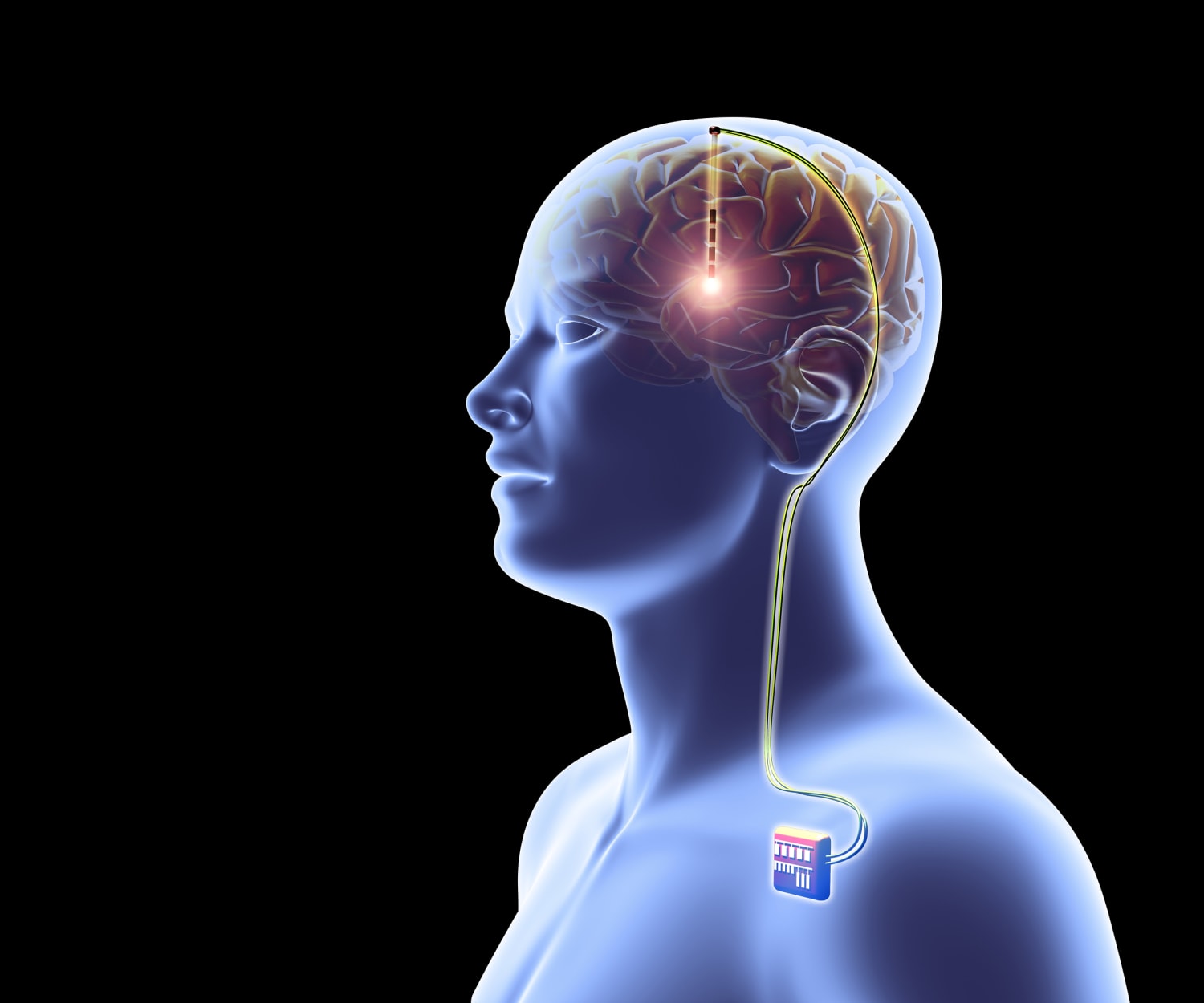
Brain implants are medical or experimental devices that interact directly with the brain. Many of them belong to a broader category called brain-computer interfaces (BCIs). These systems detect electrical signals produced by brain cells and either record those signals, stimulate the brain, or both.
Some implants are placed deep inside the brain through surgery. Others rest on the brain’s surface beneath the skull. Researchers are also developing less invasive approaches that reduce surgical risks, although implanted devices generally provide more detailed signals than external sensors.
The purpose of a brain implant depends on its design. Some deliver electrical stimulation to specific brain regions to reduce symptoms of disease. Others record brain activity so a computer can interpret a person’s intended movements. In some experimental systems, individuals who cannot move their arms have learned to control robotic limbs or type words using only their thoughts.
These achievements demonstrate the remarkable potential of brain technology while also highlighting why ethical discussions are becoming increasingly important.
How Brain Implants Are Already Helping People
Brain implants are not merely experimental inventions. Several types have been used in medicine for years.
One well-established example is deep brain stimulation, which helps some people with Parkinson’s disease. Thin electrodes are implanted into carefully selected brain regions, where they deliver controlled electrical pulses. Although the treatment does not cure Parkinson’s disease, it can reduce symptoms such as tremors, stiffness, and involuntary movements in many patients.
Another successful example is the cochlear implant. Although it interacts with the auditory nerve rather than directly with brain tissue, it allows many people with profound hearing loss to perceive sound.
Researchers are also developing brain implants to help individuals with paralysis communicate through computers, restore certain forms of movement after spinal cord injuries, improve treatment for epilepsy, and potentially address severe depression that does not respond to other therapies.
These medical advances illustrate why many scientists believe brain implants could transform healthcare in the coming decades.
The Difference Between Therapy and Enhancement
One of the first ethical questions concerns the purpose of brain implants.
Most people readily support implants used to treat serious diseases or disabilities. Helping someone regain communication after paralysis or reducing disabling tremors is generally viewed as a compassionate medical goal.
The ethical discussion becomes more complex when implants move beyond treatment.
Imagine a future in which healthy individuals use brain implants to improve memory, increase concentration, learn languages more quickly, or process information faster than normal. Such applications would not restore lost abilities—they would enhance natural human capabilities.
Some people argue that enhancement is simply another form of technological progress, similar to education or computers. Others worry that enhancing healthy brains could create unfair advantages, social pressure, or new forms of inequality.
The line between therapy and enhancement may not always be clear, making future decisions especially challenging.
Questions About Personal Identity
One of the deepest ethical concerns involves personal identity.
Our thoughts, memories, emotions, and personalities shape who we are. If technology directly interacts with the brain, could it also influence aspects of identity?
Current medical brain implants are designed to treat disease rather than change personality. However, some patients receiving deep brain stimulation have reported changes in mood, motivation, or emotional responses. These effects vary widely and often result from treating the underlying neurological condition rather than intentionally altering personality.
Nevertheless, these experiences encourage philosophers, physicians, and neuroscientists to ask important questions.
If an implant significantly changes someone’s emotions or behavior, are they still the same person?
How should families and doctors understand those changes?
Could future technologies intentionally modify aspects of personality?
These questions have no simple answers, but they deserve careful consideration as technology evolves.
Brain Privacy and the Protection of Thoughts
Privacy has become one of the defining ethical issues of the digital age.
Brain implants introduce an entirely new dimension known as mental privacy or brain privacy.
Unlike smartphones or computers, brain implants may collect information directly related to brain activity. Today’s devices typically record only limited signals needed for medical purposes. They cannot read complex thoughts, memories, or personal conversations in the way often portrayed in fiction.
However, as artificial intelligence and neuroscience improve, future systems may extract increasingly detailed information from brain signals.
This possibility raises serious ethical questions.
Who owns brain data?
Can employers request access?
Could insurance companies demand it?
What protections should governments establish?
Because brain signals may reveal highly personal information, many experts argue that they deserve even stronger legal protections than other medical data.
Consent Must Be Genuine
Medical ethics places great importance on informed consent.
Before receiving a brain implant, patients should understand the expected benefits, possible risks, alternatives, and uncertainties involved.
Obtaining informed consent can sometimes become difficult.
Individuals with severe neurological disorders may face complex medical decisions under stressful circumstances. Some may have limited ability to communicate or fully understand every technical detail.
Researchers and healthcare professionals therefore have an ethical responsibility to explain procedures honestly, answer questions clearly, and avoid creating unrealistic expectations.
Consent should always be voluntary.
No one should feel pressured into accepting brain implants because of family expectations, financial concerns, or social influence.
Safety Comes Before Innovation
Every medical technology carries risks.
Brain implantation requires surgery, which may involve infection, bleeding, or complications related to anesthesia. Implanted devices can malfunction, wear out over time, or require replacement.
Long-term effects remain an important area of research because some newer technologies have only been studied for relatively short periods.
Scientists must carefully balance innovation with patient safety.
Exciting discoveries should never justify lowering scientific or ethical standards.
Clinical trials require careful oversight to ensure that participants understand both potential benefits and possible risks.
Responsible research advances gradually, guided by evidence rather than excitement alone.
Who Should Have Access?
Brain implants are expensive technologies.
Developing them requires years of research, advanced engineering, specialized surgical teams, and long-term medical care.
This creates an important ethical concern about fairness.
If only wealthy individuals or countries can afford advanced brain implants, health inequalities may grow even larger.
Access to beneficial medical treatments should ideally depend on medical need rather than financial resources.
Many ethicists argue that governments, healthcare systems, and technology companies should work together to improve affordability while maintaining safety and quality.
Equal access remains one of the central ethical challenges facing many advanced medical technologies.
Could Brain Implants Be Hacked?
Modern brain implants often contain electronic components that communicate with external devices.
Whenever technology connects electronically, cybersecurity becomes important.
Current medical implants include security measures designed to reduce unauthorized access. Nevertheless, researchers continue studying ways to strengthen protection against potential cyber threats.
Although there is currently no evidence of widespread malicious hacking of medical brain implants, experts emphasize that future systems should be designed with strong security from the beginning.
Protecting brain devices involves more than protecting hardware.
It also means protecting patients, their privacy, and their trust.
Artificial Intelligence and Brain Implants
Many modern brain-computer interfaces rely on artificial intelligence.
AI algorithms help identify patterns within complex brain signals, allowing computers to interpret intended movements or communication more accurately.
Artificial intelligence can improve device performance, but it also introduces ethical challenges.
AI systems are only as reliable as the data used to train them.
If algorithms perform differently for certain groups of people because of limited training data, unequal outcomes could result.
Transparency therefore becomes essential.
Researchers should understand how AI systems make decisions, evaluate their accuracy carefully, and continuously monitor performance across diverse populations.
Ethics in brain implants increasingly overlaps with ethics in artificial intelligence.
Military Uses and Ethical Concerns
Powerful technologies often attract military interest.
Some experts have considered whether future brain-computer interfaces might improve communication, decision-making, or human-machine interaction in military settings.
These possibilities raise difficult ethical questions.
Should technologies originally developed for medical care be adapted for military purposes?
Could soldiers feel pressured to receive cognitive enhancements?
What limits should international agreements establish?
Although many of these applications remain speculative, discussing them now allows society to establish ethical boundaries before technologies become widespread.
Children and Brain Implants
Brain implants involving children require especially careful ethical consideration.
Children cannot always provide fully informed consent on their own. Parents and physicians must therefore make decisions that prioritize the child’s long-term well-being.
Some pediatric brain implants offer significant medical benefits.
However, because children’s brains continue developing, researchers must carefully study long-term safety and developmental effects.
Ethical decisions involving children require balancing immediate medical needs with future autonomy and quality of life.
Cultural and Religious Perspectives
People from different cultures and religious traditions may view brain implants differently.
Some communities welcome technologies that reduce suffering and restore health.
Others may have concerns about altering the brain, changing natural human abilities, or integrating machines with the body.
Ethical discussions should respect this diversity.
Scientific progress does not require everyone to hold identical beliefs.
Open dialogue allows societies to consider different values while supporting informed decision-making.
Respect for cultural and religious diversity remains an important part of responsible medical practice.
The Importance of Public Trust
Advanced medical technologies depend on public trust.
People are more likely to support scientific research when they believe scientists, physicians, and governments act transparently and responsibly.
Building trust requires honesty.
Researchers should communicate both successes and limitations.
Unexpected complications should be reported openly.
Clinical trials should follow strict ethical standards.
Independent oversight helps ensure that scientific progress remains focused on improving human well-being.
Trust grows when science values integrity as much as innovation.
Could Brain Implants Change Society?
If brain implants become common in the future, they could influence many aspects of daily life.
Education might change if learning technologies improve.
Workplaces could adopt new tools for communication or productivity.
Healthcare could become more personalized.
At the same time, society would need to address new questions about fairness, discrimination, digital rights, and equal opportunity.
History shows that transformative technologies often produce both remarkable benefits and unexpected challenges.
Preparing thoughtful ethical guidelines before widespread adoption allows societies to maximize benefits while reducing harm.
International Cooperation Will Be Essential
Brain implant technology is advancing around the world.
Because research, companies, and patients span many countries, international cooperation will become increasingly important.
Scientists, physicians, ethicists, legal experts, governments, and patient organizations all have valuable perspectives.
Shared ethical principles can help establish consistent standards for safety, privacy, informed consent, cybersecurity, and responsible research.
International collaboration also encourages scientific openness while protecting human rights.
The Future of Ethical Brain Technology
The future of brain implants is filled with possibility.
Researchers continue working toward treatments that may restore communication for people with severe paralysis, improve therapies for neurological disorders, and deepen our understanding of the human brain.
At the same time, ethical discussions must continue evolving alongside scientific discoveries.
Technology develops rapidly, but ethical reflection should never be treated as an afterthought.
Responsible innovation asks not only whether something can be built but also whether it should be built, how it should be used, and who should benefit from it.
The most successful future will be one in which scientific progress and ethical responsibility move forward together.
Conclusion
Brain implants represent one of the most remarkable frontiers in modern science and medicine. They hold the potential to restore lost abilities, improve treatments for devastating neurological conditions, and offer new hope to millions of people worldwide. Their development reflects decades of progress in neuroscience, engineering, medicine, and computer science.
Yet their power also demands careful reflection. Questions about privacy, personal identity, informed consent, fairness, cybersecurity, human enhancement, and social equality cannot be answered by science alone. They require thoughtful conversations involving researchers, healthcare professionals, policymakers, philosophers, patients, and the public.
The goal is not to slow scientific progress but to guide it wisely. Ethical principles help ensure that brain implants remain tools for healing, dignity, and human flourishing rather than sources of inequality or misuse. As technology continues to connect more closely with the human brain, the choices society makes today will shape not only the future of medicine but also the future of what it means to be human.