Imagine receiving a phone call that appears to come from your bank. The caller speaks calmly and professionally. They know your name, mention suspicious activity on your account, and urge you to act immediately to “protect your money.” Feeling worried, you follow their instructions and share sensitive information. Hours later, you discover that the call was fake, and your account has been compromised.
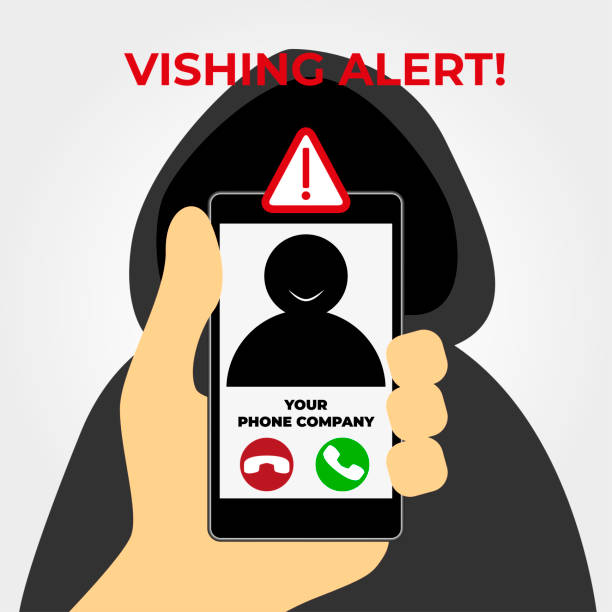
This type of fraud is known as vishing. It is one of the fastest-growing forms of cybercrime, combining technology with psychological manipulation to deceive people over the phone. Unlike many online scams that rely on emails or text messages, vishing uses the human voice to build trust, create urgency, and persuade victims to reveal confidential information or transfer money.
As communication technology continues to evolve, criminals are finding increasingly sophisticated ways to exploit it. Understanding how vishing works is one of the best defenses against becoming its next victim.
What Is Vishing?
Vishing, short for voice phishing, is a type of fraud in which scammers use telephone calls or voice messages to trick people into revealing sensitive information or performing actions that benefit the criminals.
The goal of a vishing attack is often to obtain personal information such as passwords, banking details, credit card numbers, security codes, or government identification numbers. In some cases, scammers persuade victims to transfer money directly or install malicious software on their devices.
Vishing is a form of social engineering, meaning it relies more on manipulating human emotions than on breaking through computer security systems. Instead of hacking technology, scammers attempt to “hack” human trust.
Why Vishing Is So Effective
People naturally tend to trust voices more than written messages. Hearing another person speak can create a sense of authenticity that emails or text messages often lack.
Scammers understand this psychological tendency. They often sound polite, confident, and knowledgeable. Some receive training in customer service techniques or carefully rehearse scripts designed to make their stories convincing.
Vishing attacks frequently create strong emotions such as fear, excitement, urgency, or curiosity. When people feel pressured, they are more likely to make quick decisions without carefully evaluating the situation.
Scientific research in psychology has shown that emotional stress can reduce careful decision-making and increase reliance on instinctive responses. Cybercriminals deliberately exploit these human tendencies.
How Vishing Works
A typical vishing attack begins with a phone call, although it may also involve voicemail messages or internet-based calling services.
The scammer usually pretends to represent a trusted organization such as a bank, government agency, internet provider, police department, healthcare provider, delivery company, or technical support service.
The caller often claims that something requires immediate attention. They might report suspicious financial activity, a security problem, unpaid taxes, an overdue bill, or a prize that must be claimed quickly.
Once they have captured the victim’s attention, the scammer asks for confidential information or requests that the victim transfer money or install software.
The conversation is carefully designed to appear legitimate while preventing the victim from taking time to verify the claims independently.
The Meaning of Voice Phishing
The term phishing originally referred to fraudulent emails designed to steal personal information.
As communication methods evolved, cybercriminals adapted their techniques.
Voice phishing became known as vishing, combining the word “voice” with “phishing.”
Although the communication channel is different, the underlying objective remains the same: deceiving people into voluntarily giving away valuable information or money.
Common Vishing Scenarios
Vishing scams appear in many different forms because criminals constantly adapt their methods.
One common scenario involves fake bank calls. The caller claims that unusual transactions have been detected and asks the victim to verify account information or security codes.
Another frequent scam involves fake government agencies. Criminals pretend to represent tax authorities, immigration offices, or law enforcement agencies. They threaten fines, arrest, or legal action unless immediate payment is made.
Technical support scams are also widespread. The caller claims that the victim’s computer has been infected with malware and offers to fix the problem remotely. Instead, they may install malicious software or steal personal data.
Some scammers impersonate healthcare providers, insurance companies, utility providers, or package delivery services. Others pretend to be relatives or friends facing emergencies and urgently needing financial assistance.
Although the stories differ, the psychological tactics remain remarkably similar.
Caller ID Spoofing
One reason vishing is so convincing is a technique known as caller ID spoofing.
Normally, a phone displays the caller’s number or organization. However, scammers can manipulate this information so that the call appears to originate from a trusted source.
For example, the phone may display the name of a legitimate bank, government office, or local business even though the call actually comes from criminals using internet-based telephone systems.
This means that seeing a familiar name on your phone does not guarantee that the caller is genuine.
How Scammers Gain Personal Information
Many vishing attacks become more convincing because criminals already know some details about their targets.
This information may come from previous data breaches, publicly available social media profiles, stolen databases, fraudulent websites, or other cyberattacks.
Knowing a person’s name, address, employer, or recent purchases allows scammers to sound more credible.
The more personal details they possess, the easier it becomes to build trust during the conversation.
Artificial Intelligence and Modern Vishing
Advances in artificial intelligence have introduced new challenges.
AI can now generate realistic human voices that closely resemble real people. This technology, sometimes called voice cloning, can imitate family members, coworkers, or company executives with surprising accuracy when trained on short audio samples.
While voice cloning has many legitimate applications, criminals may misuse it to make fraudulent calls appear more authentic.
Researchers continue developing methods to detect AI-generated voices, but public awareness remains an essential defense.
Psychological Tricks Used by Vishing Scammers
Vishing relies heavily on human psychology.
Scammers often create a sense of urgency by claiming that immediate action is necessary to prevent financial loss or legal consequences.
They frequently pretend to have authority by claiming to represent respected institutions.
Some attempt to build trust through friendly conversation before introducing the fraudulent request.
Others create fear by threatening account suspension, criminal charges, or identity theft.
Still others exploit kindness by pretending to need emergency assistance.
These emotional strategies are carefully designed to encourage quick decisions while discouraging careful verification.
Warning Signs of a Vishing Scam
Although vishing attacks vary widely, many share common warning signs.
Unexpected calls requesting confidential information should always raise suspicion.
Legitimate organizations rarely ask customers to reveal passwords, one-time verification codes, or complete financial details over the phone.
Pressure to act immediately is another common indicator. Scammers often insist that delays will result in serious consequences.
Requests for unusual payment methods, such as gift cards, cryptocurrency, or wire transfers, are also strong warning signs.
Calls containing threats, intimidation, or promises that seem unusually generous should be approached with caution.
Who Can Become a Victim?
Anyone can become a target of vishing.
Cybercriminals do not focus solely on people with advanced technology skills or large financial resources.
Students, professionals, retirees, business owners, healthcare workers, and government employees all receive fraudulent calls.
Even cybersecurity experts can occasionally be deceived when scammers use highly convincing techniques.
The success of vishing depends less on intelligence and more on catching someone during a stressful, distracted, or emotionally vulnerable moment.
The Financial Impact of Vishing
Vishing causes significant financial losses around the world each year.
Victims may lose savings, suffer identity theft, or spend months recovering compromised accounts.
Businesses can also become victims if employees unknowingly reveal confidential corporate information or approve fraudulent financial transactions.
Beyond direct financial losses, victims often experience emotional stress, anxiety, embarrassment, and reduced trust in future communications.
The consequences can continue long after the initial phone call ends.
How to Protect Yourself from Vishing
The most effective defense against vishing is caution.
If you receive an unexpected call requesting sensitive information, avoid sharing personal or financial details immediately.
Instead, end the conversation politely and contact the organization using a verified phone number from its official website, bank card, billing statement, or previous correspondence.
Take time to think before acting. Legitimate organizations generally allow customers to verify information independently.
Be cautious of callers who discourage you from hanging up or speaking with family members, coworkers, or financial institutions.
Protecting personal information online also reduces the amount of data criminals can use to make fraudulent calls appear convincing.
What to Do If You Receive a Suspicious Call
If something about a phone call feels unusual, trust your instincts.
Do not provide passwords, verification codes, account numbers, or payment information.
Avoid clicking links sent by the caller through text messages unless you independently verify their authenticity.
If the caller claims to represent your bank, hang up and call the official customer service number yourself.
If you believe you have already shared sensitive information, contact the affected financial institution immediately, change relevant passwords, monitor your accounts for suspicious activity, and report the incident to the appropriate authorities.
Quick action can often reduce potential damage.
Vishing, Phishing, and Smishing
Vishing belongs to a broader family of cyberattacks known as phishing.
Traditional phishing typically uses fraudulent emails.
Smishing uses deceptive text messages sent through SMS or messaging applications.
Vishing relies on voice calls or voicemail messages.
Although the communication methods differ, all three techniques aim to manipulate victims into revealing confidential information or taking actions that benefit criminals.
Understanding these similarities helps people recognize scams across multiple communication channels.
Why Education Is the Best Defense
Technology continues to improve cybersecurity systems, but no security software can eliminate every scam.
Human awareness remains one of the strongest defenses against vishing.
Learning how scammers operate, recognizing emotional manipulation, and verifying unexpected requests significantly reduce the likelihood of becoming a victim.
Organizations increasingly train employees to recognize social engineering attacks because informed individuals are much harder to deceive.
Knowledge transforms uncertainty into confidence.
The Future of Vishing
As communication technologies continue to evolve, vishing attacks are likely to become more sophisticated.
Artificial intelligence, automated calling systems, and increasingly realistic voice synthesis may enable scammers to produce highly convincing fraudulent calls at larger scales.
At the same time, cybersecurity researchers are developing improved methods for detecting spoofed calls, identifying synthetic voices, and strengthening digital authentication systems.
The ongoing competition between cybercriminals and security professionals means that public awareness will remain essential.
Conclusion
Vishing is far more than an annoying phone call. It is a carefully designed form of social engineering that exploits trust, emotion, and human psychology to steal information and money. By pretending to represent trusted organizations or familiar individuals, scammers attempt to persuade victims to make decisions they would never make under normal circumstances.
Fortunately, understanding how vishing works provides powerful protection. Taking time to verify unexpected requests, refusing to share sensitive information over the phone, and recognizing the warning signs of manipulation can prevent many attacks before they succeed. As technology continues to advance, informed and cautious individuals will remain the strongest defense against voice-based cybercrime.