Your phone vibrates, and a new text message appears. It says your package cannot be delivered unless you click a link. Another message claims your bank account has been locked and asks you to verify your identity immediately. A third promises a tax refund or warns about an unpaid toll. At first glance, these messages may seem legitimate, especially if they use the name of a well-known company or government agency.
But behind many of these messages lies a dangerous cybercrime known as smishing.
Smishing is one of the fastest-growing forms of online fraud. Criminals exploit the trust people place in text messages to steal passwords, financial information, personal details, and even complete control of digital accounts. As smartphones have become an essential part of daily life, cybercriminals have become increasingly skilled at using SMS messages to trick people into acting before they have time to think.
Understanding what smishing is, how it works, and how to recognize it is one of the most important steps you can take to protect yourself in today’s digital world.
What Is Smishing?
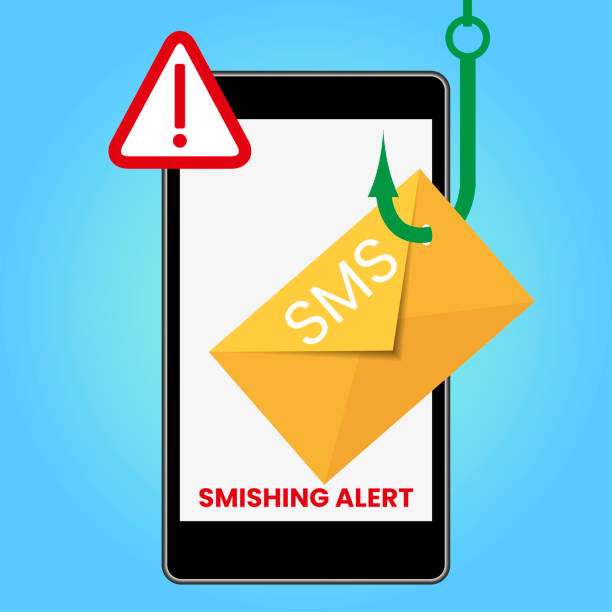
Smishing is a type of phishing attack carried out through SMS (Short Message Service) or other text messaging platforms. The name combines the words SMS and phishing.
In a smishing attack, a cybercriminal sends a fake text message designed to convince the recipient to take a specific action. The message often urges the person to click a malicious link, call a fraudulent phone number, download harmful software, or provide sensitive personal information.
The ultimate goal is almost always the same: to steal something valuable. That could include passwords, banking credentials, credit card numbers, identity documents, one-time verification codes, or even direct access to a victim’s smartphone.
Unlike traditional hacking, smishing relies more on psychological manipulation than on breaking into computer systems. The attacker succeeds by convincing the victim to trust the message.
Why Smishing Has Become So Common
People tend to trust text messages more than emails.
Email inboxes are often filled with spam, making many users naturally suspicious. Text messages, however, usually come from friends, family members, businesses, or service providers. Because of this, many people assume that an SMS message is genuine.
Cybercriminals know this.
They also know that people often read text messages immediately after receiving them. A message claiming that an account is about to be closed or that a package cannot be delivered creates a sense of urgency. Many people react quickly without carefully examining the message.
The widespread use of smartphones has also made smishing highly effective. Nearly everyone carries a mobile device throughout the day, giving scammers constant opportunities to reach potential victims.
How Smishing Works
A typical smishing attack begins with a carefully crafted text message.
The attacker often pretends to represent a trusted organization such as a bank, delivery company, government agency, online retailer, mobile carrier, or streaming service.
The message usually contains an urgent request. It may claim there is suspicious activity on an account, an unpaid bill, a missed delivery, or a limited-time reward waiting to be claimed.
The victim is encouraged to click a link or call a phone number.
If the victim clicks the link, they may be taken to a fake website that closely resembles the real one. The fake site asks for usernames, passwords, payment information, or other confidential details.
In other cases, the link may download malicious software onto the device. This malware can monitor activity, steal stored passwords, capture text messages, or provide criminals with remote access to the phone.
Some attacks direct victims to call a fake customer support number, where scammers attempt to obtain confidential information through conversation.
Every step is carefully designed to appear legitimate.
The Psychology Behind Smishing
Smishing works because it targets human emotions rather than technological weaknesses.
Cybercriminals understand that people make decisions differently when they feel pressure, fear, excitement, or curiosity.
A message saying that your bank account has been frozen may create anxiety.
A notification about an expensive purchase you never made may trigger panic.
A promise of a prize or refund can create excitement.
A package delivery notification can spark curiosity, especially if you are expecting an online order.
These emotional reactions encourage quick decisions before logical thinking has time to catch up.
This form of manipulation is known as social engineering, and it is one of the most powerful tools used by cybercriminals.
Common Types of Smishing Messages
Smishing messages appear in many different forms, but they often follow similar patterns.
One common example involves package delivery scams. The message claims a shipment cannot be delivered because of an incorrect address or unpaid shipping fee.
Banking scams are also widespread. Victims receive messages warning about suspicious account activity and are instructed to verify their identity immediately.
Government impersonation scams pretend to come from tax authorities, social security agencies, or law enforcement organizations.
Some scammers impersonate mobile phone providers, claiming that an account must be updated or that a bill remains unpaid.
Prize scams inform recipients that they have won money, a smartphone, or a vacation but must first provide personal information or pay a processing fee.
Employment scams may promise easy remote jobs with unusually high salaries.
Subscription scams claim that a streaming service or online account will soon expire unless payment details are updated.
Although the stories differ, the objective remains the same: convincing victims to surrender valuable information.
How Criminals Make Fake Messages Look Real
Modern smishing attacks are often surprisingly convincing.
Attackers frequently use official company logos on fake websites. They imitate the language, formatting, and branding of legitimate businesses.
Some scammers even use caller ID spoofing or SMS spoofing, making the message appear to come from a genuine business phone number or message thread.
The fake website may closely resemble the real company’s login page, including identical colors, fonts, and layouts.
Some attacks include personal information obtained from previous data breaches, making the message seem even more believable.
These techniques increase the likelihood that recipients will trust the message.
What Happens If Someone Falls for a Smishing Attack?
The consequences can vary depending on the attack.
If a victim enters login credentials on a fake website, criminals may immediately access online accounts.
If banking information is stolen, unauthorized transactions may occur.
Identity documents can be used to commit identity theft, open fraudulent accounts, or apply for loans.
If malware is installed, the attacker may gain ongoing access to messages, contacts, photos, passwords, and financial apps stored on the device.
In some cases, attackers intercept one-time security codes sent by banks, allowing them to bypass additional security measures.
Recovering from a successful smishing attack may require changing passwords, contacting financial institutions, monitoring credit reports, restoring devices, and reporting fraud to the appropriate authorities.
Signs That a Text Message May Be a Smishing Attempt
Although scammers constantly improve their methods, many smishing messages contain warning signs.
Unexpected messages demanding immediate action should always be viewed with caution.
Messages asking for passwords, verification codes, or payment information are particularly suspicious, since legitimate organizations rarely request such information through SMS.
Poor grammar, unusual wording, or spelling mistakes may indicate fraud, although many modern scams are written professionally.
Shortened or unfamiliar web links should also raise concern.
Offers that seem unusually generous or warnings that create unnecessary panic often signal an attempted scam.
When something feels rushed or too good to be true, it is worth taking a moment to verify the information independently.
Smishing and Fake Websites
One of the most dangerous aspects of smishing is the use of counterfeit websites.
These websites are carefully designed to imitate legitimate organizations.
A fake banking website may look nearly identical to the real one.
The web address, however, often contains subtle differences. A single extra letter, missing character, unusual domain extension, or slight spelling variation can reveal that the site is fraudulent.
Because smartphone screens display limited information, many users overlook these small differences.
Learning to check website addresses carefully is an important cybersecurity habit.
Smishing and Malware
Not every smishing attack asks victims to enter passwords.
Some attacks attempt to install malicious software.
The malware may disguise itself as a security update, package tracking application, banking app, or document viewer.
Once installed, it can secretly collect personal information, record keystrokes, monitor communications, or even give attackers control of the device.
Keeping operating systems and applications updated reduces the risk of malware exploiting known security vulnerabilities.
How to Protect Yourself from Smishing
The most effective defense against smishing is healthy skepticism.
If you receive an unexpected text message requesting urgent action, avoid responding immediately.
Instead of clicking the provided link, open your web browser and visit the organization’s official website manually or use its official mobile application.
If the message claims to come from your bank, call the customer service number printed on your bank card or listed on its official website.
Never share passwords, verification codes, or financial information through text messages unless you initiated the conversation using a trusted communication channel.
Keeping your smartphone updated is also important because software updates often contain security improvements.
Using strong, unique passwords for every account and enabling multi-factor authentication (MFA) adds another layer of protection. Even if attackers steal one password, additional verification can help prevent unauthorized access.
Installing security software from trusted developers can also help detect malicious websites and harmful applications.
What to Do If You Receive a Suspicious Text Message
Receiving a suspicious message does not necessarily mean you are in danger.
The safest response is to avoid clicking links, downloading attachments, or replying to the sender.
If the message claims to involve one of your accounts, verify the information independently through the organization’s official website or customer service.
Many smartphones allow users to block unwanted numbers and report spam messages to mobile carriers.
Deleting suspicious messages after reporting them helps reduce the chance of accidentally interacting with them later.
Remaining calm is important. Smishing attacks depend on emotional reactions, so taking a few extra moments to verify information can prevent costly mistakes.
What to Do If You Already Clicked the Link
Clicking a suspicious link does not always mean your information has been stolen, but it should be treated seriously.
If you entered passwords or financial information, change those passwords immediately using the official website rather than the suspicious link.
If banking or payment information may have been exposed, contact your financial institution as soon as possible.
Monitor your accounts for unusual activity over the following days and weeks.
If you downloaded an unknown application, uninstall it if possible and run a reputable mobile security scan. In some situations, restoring the device to factory settings after backing up important files may be necessary if malware is confirmed.
Acting quickly can significantly reduce the potential damage.
How Businesses Fight Smishing
Organizations around the world are investing heavily in cybersecurity to reduce smishing attacks.
Many companies educate customers about common scams and remind them that they will never request passwords or verification codes through text messages.
Banks increasingly use advanced fraud detection systems that analyze transaction patterns for suspicious behavior.
Mobile carriers filter large volumes of spam messages before they reach users.
Technology companies continue developing artificial intelligence systems capable of identifying fraudulent messages more accurately.
Despite these efforts, no security system is perfect, making user awareness one of the strongest defenses.
Smishing Around the World
Smishing is a global cybersecurity problem.
Criminal groups operate across international borders, sending millions of fraudulent messages every day.
Some campaigns target specific countries by impersonating local banks, government agencies, postal services, or telecommunications companies.
Others launch worldwide attacks using popular international brands.
Because smartphones have become nearly universal, virtually anyone with a mobile phone can become a target.
The Future of Smishing
As technology evolves, so do cybercriminals.
Artificial intelligence is making it easier for attackers to generate convincing messages with fewer grammatical errors and more personalized content. Information gathered from previous data breaches or public social media profiles can make fraudulent messages appear even more authentic.
At the same time, cybersecurity defenses are also advancing. Mobile operating systems, spam filters, machine learning systems, and stronger authentication methods continue to improve protection against text message fraud.
The ongoing challenge is a race between increasingly sophisticated attackers and increasingly capable security technologies.
Why Awareness Is Your Strongest Defense
Smishing succeeds not because smartphones are inherently insecure, but because it exploits human trust. A carefully written message can persuade someone to act before they have time to question it.
Fortunately, awareness changes everything. Once you understand how smishing works, suspicious messages become much easier to recognize. Instead of reacting with panic or excitement, you can pause, verify the information, and make informed decisions.
Cybersecurity is not only about technology—it is also about habits. Every cautious click, every verified website, and every moment spent checking a message before responding helps protect your identity, finances, and personal information.
In an increasingly connected world, learning to recognize smishing is more than a useful digital skill. It is an essential part of staying safe online.