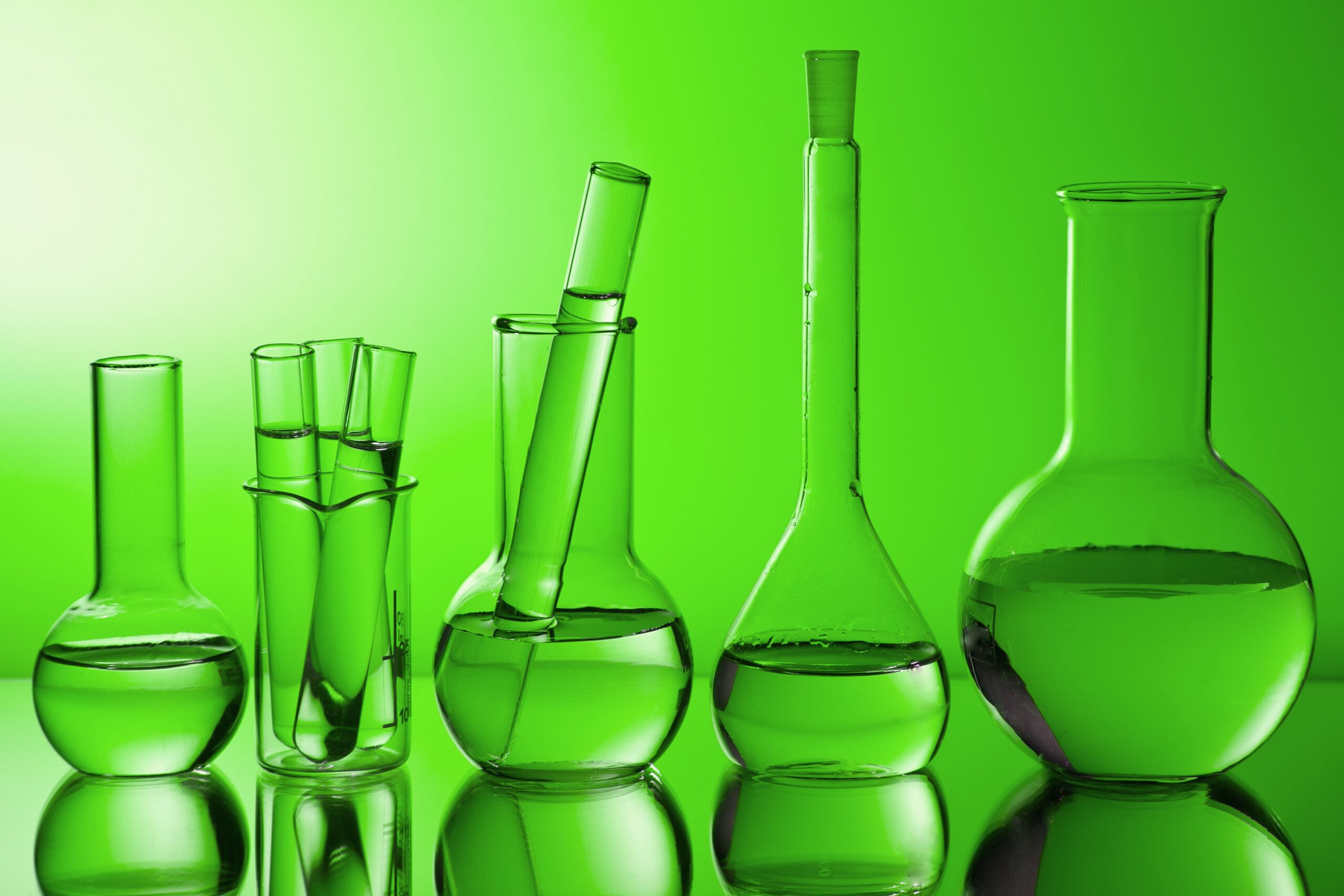
Chemistry is the science of transformation. It explains how simple elements combine to create everything around us—from the air we breathe and the water we drink to the food we eat, the medicines that heal us, and even the stars that light up the night sky. Every color, smell, taste, and material that we encounter exists because of chemical substances and the interactions between them.
Imagine holding a piece of iron in one hand and a lump of charcoal in the other. On their own, they are very different materials. Yet chemistry helps us understand what they are made of, why they behave differently, and how they can react with other substances to form something entirely new. This remarkable ability to explain and predict change is what makes chemistry one of the most important sciences.
Chemistry is often called the “central science” because it connects physics with biology, geology, environmental science, medicine, engineering, and many other fields. It bridges our understanding of the smallest particles of matter with the complex systems that shape life and the universe.
Understanding the Meaning of Chemistry
Chemistry is the scientific study of matter, its properties, its composition, its structure, and the changes it undergoes. It seeks to answer questions such as what substances are made of, how atoms combine to form molecules, why chemical reactions occur, and how matter changes under different conditions.
Matter is anything that has mass and occupies space. Every solid object, every liquid, and every gas is made of matter. Chemistry explores how this matter behaves and how it can be transformed through chemical processes.
Unlike physics, which focuses on the fundamental laws governing matter and energy, chemistry concentrates on how different substances interact and change. It examines the invisible world of atoms and molecules to explain the visible world around us.
Why Chemistry Is Called the Central Science
Chemistry occupies a unique position among the sciences because it connects many different disciplines.
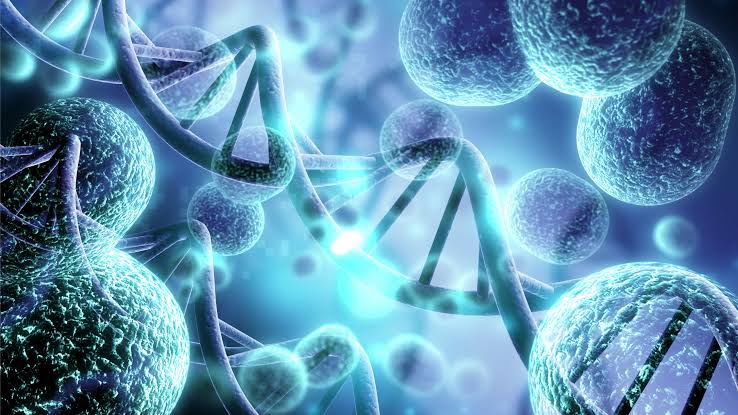
Biology depends on chemistry to explain how cells function, how DNA carries genetic information, and how enzymes control life processes.
Medicine relies on chemistry to develop new drugs, vaccines, diagnostic tests, and treatments for diseases.
Environmental science uses chemistry to understand pollution, climate change, water quality, and atmospheric processes.
Geology studies the chemical composition of rocks, minerals, and Earth’s interior.
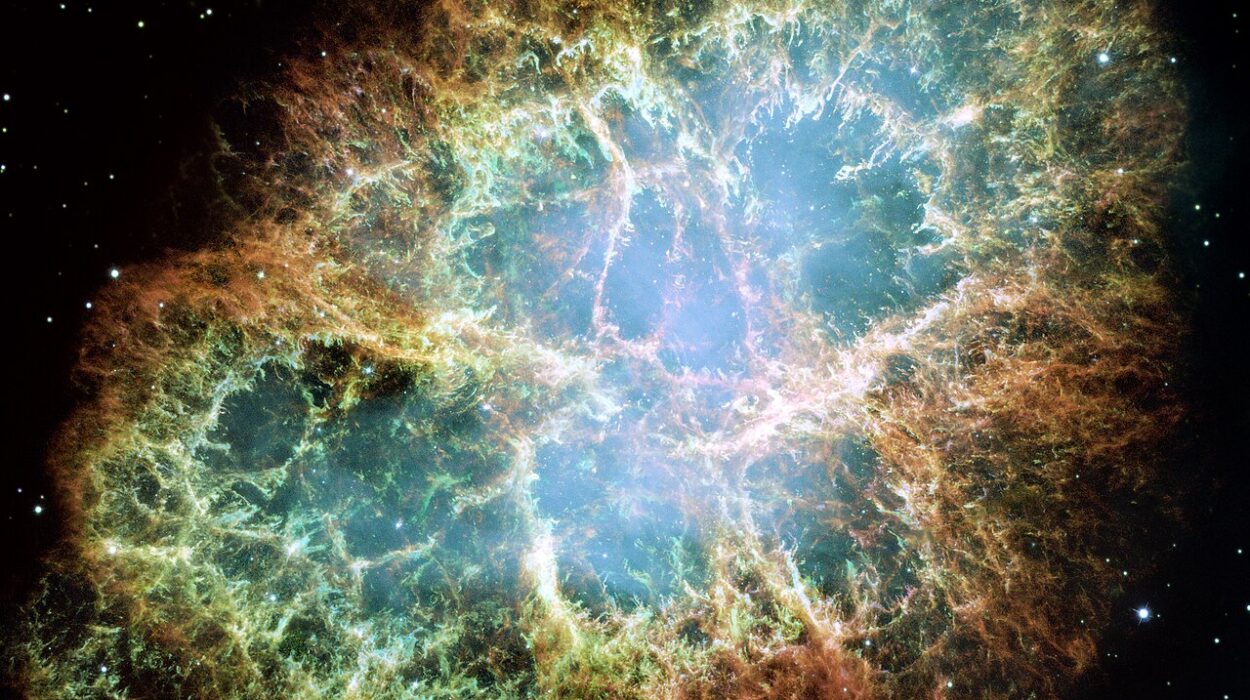
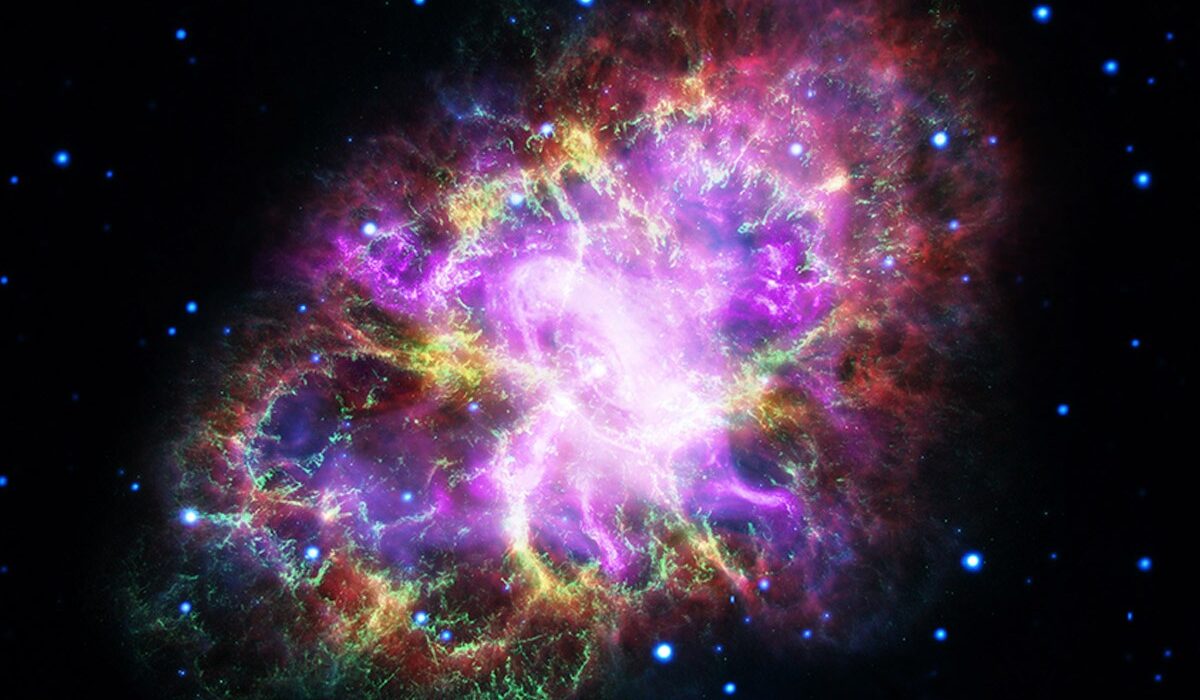
Astronomy investigates the chemistry of stars, planets, comets, and distant galaxies to understand how the universe evolved.
Materials science combines chemistry with physics to create stronger metals, advanced plastics, batteries, semiconductors, and nanomaterials.
Because chemistry connects so many fields, discoveries in chemistry often lead to breakthroughs across science and technology.
Everything Around You Is Chemistry
Many people think chemistry exists only in laboratories filled with colorful liquids and bubbling test tubes. In reality, chemistry is happening everywhere, every second of every day.
The oxygen entering your lungs participates in chemical reactions that release energy from food.
The aroma of freshly brewed coffee comes from hundreds of volatile chemical compounds.
The leaves of plants convert sunlight, water, and carbon dioxide into sugars through photosynthesis.
Soap removes dirt because its molecules interact with both water and oils.
Cooking transforms raw ingredients into flavorful meals through countless chemical reactions.
Even emotions involve chemistry. Chemicals known as neurotransmitters carry signals between nerve cells in the brain, influencing thoughts, feelings, memory, and behavior.
Our lives are immersed in chemistry whether we notice it or not.
The Building Blocks of Matter
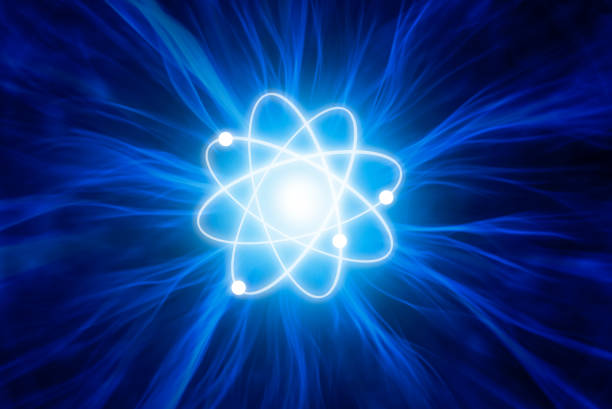
At the heart of chemistry lies the atom.
Atoms are the smallest units of ordinary matter that retain the identity of a chemical element. Every substance in the universe is made of atoms.
Each atom consists of a central nucleus containing positively charged protons and neutral neutrons, surrounded by negatively charged electrons.
The number of protons determines the identity of an element. For example, every carbon atom contains six protons, while every oxygen atom contains eight.
Although atoms are incredibly small, they combine in countless ways to create the enormous diversity of materials found in nature.
Elements: Nature’s Fundamental Ingredients
An element is a pure substance consisting of only one type of atom.
Scientists have identified more than one hundred chemical elements. Some occur naturally, while others have been created in laboratories.
Hydrogen is the most abundant element in the universe.
Oxygen is essential for most forms of life on Earth.
Carbon forms the backbone of all known living organisms.
Iron helps transport oxygen in human blood and also forms the core of our planet.
Gold is valued for its beauty and resistance to corrosion.
Silicon plays a vital role in modern electronics and computer chips.
Every element possesses unique physical and chemical properties, allowing it to participate in different kinds of reactions.
The Periodic Table: Chemistry’s Universal Map
The periodic table is one of the greatest achievements in science. It organizes all known chemical elements according to their atomic number and reveals patterns in their properties.
Elements with similar chemical behavior are grouped together, making it possible to predict how unfamiliar elements are likely to react.
For example, the noble gases are generally very unreactive because their outer electron shells are complete.
The alkali metals, by contrast, are highly reactive because they easily lose one electron.
The periodic table serves as a roadmap for chemists, helping them understand relationships among elements and predict new chemical discoveries.
Molecules and Compounds
Atoms rarely exist alone. Instead, they usually join together to form molecules or compounds.
A molecule consists of two or more atoms held together by chemical bonds.
Water is a molecule made from two hydrogen atoms bonded to one oxygen atom.
Oxygen gas consists of two oxygen atoms bonded together.
A compound is a substance containing atoms of different elements chemically combined in fixed proportions.
Table salt, for example, is composed of sodium and chlorine.
Carbon dioxide contains one carbon atom and two oxygen atoms.
The enormous variety of molecules and compounds gives rise to the diversity of materials found in nature.
Chemical Bonds: The Forces That Hold Matter Together
Chemical bonds are the attractive forces that connect atoms.
Atoms form bonds because doing so often creates a more stable arrangement of electrons.
Several kinds of chemical bonds exist.
Covalent bonds involve atoms sharing electrons.
Ionic bonds form when electrons are transferred from one atom to another, creating oppositely charged ions that attract each other.
Metallic bonds allow electrons to move freely through metals, explaining why metals conduct electricity and heat so effectively.
These bonds determine the strength, shape, melting point, electrical conductivity, and many other properties of substances.
Chemical Reactions: Nature’s Transformations
One of chemistry’s most fascinating aspects is its ability to explain change.
A chemical reaction occurs when substances are transformed into new substances with different properties.
During a reaction, atoms are not created or destroyed. Instead, they rearrange themselves into new combinations.
Rust forms when iron reacts with oxygen and water.
Wood burns when it reacts rapidly with oxygen, releasing heat and light.
Plants produce glucose through photosynthesis.
Human cells break down food molecules to generate energy.
Baking bread, fermenting yogurt, digesting meals, and charging batteries all involve chemical reactions.
Chemistry reveals the invisible processes responsible for these everyday transformations.
The Law of Conservation of Mass
One of the fundamental principles of chemistry is the law of conservation of mass.
This law states that during an ordinary chemical reaction, matter is neither created nor destroyed.
Although atoms rearrange into different molecules, the total mass remains constant.
This principle allows chemists to calculate how much of each substance will be produced or consumed during reactions and forms the basis of chemical equations.
States of Matter
Matter commonly exists in three familiar states: solid, liquid, and gas.
In solids, particles remain closely packed in fixed positions, giving solids definite shapes and volumes.
Liquids have fixed volumes but take the shape of their containers because their particles move more freely.
Gases have neither fixed shapes nor fixed volumes. Their particles spread widely apart and move rapidly.
Under special conditions, matter can also exist as plasma, an ionized state found in stars, lightning, and fluorescent lamps.
Changes between these states—such as melting, freezing, boiling, and condensation—are physical changes because they do not alter the chemical identity of the substance.
Physical Changes and Chemical Changes
Chemistry distinguishes between physical changes and chemical changes.
A physical change alters appearance or state without changing chemical composition.
Ice melting into water is a physical change because both consist of the same water molecules.
A chemical change creates entirely new substances.
When paper burns, it produces ash, gases, and heat. The original paper cannot be recovered because new substances have formed.
Understanding this distinction helps scientists analyze countless natural and industrial processes.
Organic Chemistry: The Chemistry of Carbon
Organic chemistry focuses primarily on carbon-containing compounds.
Carbon possesses a remarkable ability to bond with itself and many other elements, allowing it to form millions of different molecules.
Proteins, carbohydrates, fats, vitamins, DNA, medicines, plastics, fuels, and synthetic fibers all belong to organic chemistry.
The complexity of carbon chemistry makes life itself possible.
Modern organic chemistry has led to countless innovations, including pharmaceuticals, biodegradable plastics, advanced polymers, and life-saving medical treatments.
Inorganic Chemistry
Not all chemistry involves carbon.
Inorganic chemistry studies metals, minerals, salts, ceramics, catalysts, and many other substances that are not primarily based on carbon.
This field contributes to developing stronger construction materials, improved batteries, fertilizers, electronic components, and industrial catalysts.
Many important environmental and geological processes also fall within inorganic chemistry.
Biochemistry: The Chemistry of Life
Every living organism depends upon chemistry.
Biochemistry examines the molecules and reactions that occur inside living cells.
Enzymes speed up chemical reactions.
DNA stores genetic information.
Proteins perform structural and functional roles throughout the body.
Hormones regulate growth, metabolism, and reproduction.
Understanding these chemical processes has revolutionized medicine, genetics, agriculture, and biotechnology.
Biochemistry explains how life functions at the molecular level.
Analytical Chemistry
Analytical chemistry focuses on identifying and measuring chemical substances.
Scientists use highly sensitive instruments to determine what materials contain and in what quantities.
Analytical chemistry helps detect contaminants in drinking water, identify drugs in medical tests, investigate crimes through forensic science, monitor food safety, and study environmental pollution.
Without analytical chemistry, modern scientific research would be nearly impossible.
Physical Chemistry
Physical chemistry combines principles from chemistry and physics to understand why chemical systems behave as they do.
It investigates energy changes, reaction rates, molecular motion, quantum behavior, and thermodynamics.
This field provides the theoretical foundation behind many chemical processes and helps scientists design more efficient industrial reactions and advanced materials.
Chemistry in Medicine
Modern medicine owes much of its success to chemistry.
Chemists develop antibiotics that fight bacterial infections, antiviral drugs that combat viruses, and chemotherapy medicines used to treat cancer.
Vaccines rely on carefully designed chemical formulations that stimulate the immune system safely.
Medical imaging techniques use chemical compounds to improve the visibility of tissues and organs.
Diagnostic tests measure chemical substances in blood and urine to identify diseases.
Advances in medicinal chemistry continue to improve treatments for countless health conditions.
Chemistry and Food
Every meal is a collection of chemical substances.
Proteins provide amino acids.
Carbohydrates supply glucose for energy.
Fats store energy and support cell membranes.
Vitamins and minerals enable essential biochemical reactions.
Cooking changes food through chemical processes such as protein denaturation, starch gelatinization, caramelization, and the Maillard reaction, which creates the rich flavors and aromas of baked bread, roasted coffee, and grilled foods.
Understanding food chemistry has improved nutrition, food preservation, and agricultural productivity.
Chemistry and the Environment
Chemistry plays a vital role in protecting Earth’s environment.
Scientists analyze pollutants in air, water, and soil.
Green chemistry seeks safer methods for manufacturing chemicals while reducing waste and hazardous substances.
Environmental chemists study greenhouse gases, acid rain, ozone depletion, and ocean chemistry to better understand global environmental challenges.
Chemistry also contributes to developing cleaner fuels, recyclable materials, biodegradable plastics, and renewable energy technologies.
Chemistry and Modern Technology
Many technologies that define modern life exist because of chemistry.
Rechargeable batteries power smartphones, electric vehicles, and renewable energy systems.
Semiconductors rely on carefully engineered chemical materials.
Solar panels convert sunlight into electricity using specialized compounds.
Advanced polymers make lightweight aircraft, medical devices, and protective equipment possible.
Nanotechnology manipulates matter at the atomic scale to create new materials with extraordinary properties.
The future of technology will continue to depend heavily on advances in chemistry.
How Chemists Discover New Knowledge
Chemists rely on careful observation, experimentation, and scientific reasoning.
Experiments begin with questions and hypotheses.
Researchers design controlled experiments, collect precise measurements, analyze data, and compare results with established scientific theories.
When experiments are repeated successfully by independent scientists, confidence in the findings grows.
This systematic approach ensures that chemical knowledge is based on reliable evidence rather than assumptions.
Chemistry and the Future
Chemistry continues to evolve rapidly.
Scientists are developing environmentally friendly manufacturing processes, sustainable energy storage, carbon capture technologies, biodegradable materials, improved medicines, quantum materials, and innovative methods for producing clean hydrogen fuel.
Researchers are also exploring artificial photosynthesis, advanced recycling techniques, and molecular engineering to address some of humanity’s greatest challenges.
As our understanding of atoms and molecules deepens, chemistry will remain central to solving global problems involving health, energy, food security, and environmental sustainability.
Why Chemistry Matters
Chemistry is much more than a subject studied in classrooms or laboratories. It is the science that explains the composition and behavior of everything we see, touch, smell, taste, and experience. It reveals how invisible atoms build the visible world and how tiny molecular interactions influence the largest natural systems.
By understanding chemistry, we gain insight into life itself. We learn why medicines work, how materials are created, why ecosystems function, and how technological innovations become possible. Chemistry helps us make informed decisions about health, nutrition, energy, and the environment while driving scientific progress that improves everyday life.
Conclusion
Chemistry is the scientific study of matter and the transformations it undergoes. From the smallest atoms to the most complex biological systems, chemistry explains how substances are formed, how they interact, and how they change. It connects the microscopic world of molecules with the macroscopic world we experience every day.
Whether it is the oxygen entering your lungs, the energy released from the food you eat, the colors of a sunset, the medicine that treats disease, or the technology powering modern civilization, chemistry is quietly at work behind the scenes. As scientists continue exploring the molecular foundations of nature, chemistry will remain one of humanity’s most powerful tools for understanding the universe and building a healthier, more sustainable future.