Biology is the science of life. It explores the extraordinary diversity of living organisms, from microscopic bacteria invisible to the naked eye to towering redwood trees and the largest animals ever to live on Earth. It seeks to answer some of humanity’s oldest and most fascinating questions: What is life? How do living things grow and reproduce? Why are species so different from one another? How did life begin? And how are all living organisms connected?
Every breath you take, every heartbeat, every blooming flower, every migrating bird, and every thriving rainforest is part of the remarkable story that biology seeks to understand. It is a science that reveals the hidden processes of life, showing how living organisms survive, adapt, interact, and evolve over time.
Biology is much more than a school subject filled with scientific names. It is the foundation of medicine, agriculture, environmental conservation, biotechnology, and countless discoveries that improve human life. By studying biology, we gain a deeper appreciation of the living world and our own place within it.
Understanding the Meaning of Biology
The word biology comes from two ancient Greek words: bios, meaning “life,” and logos, meaning “study” or “knowledge.” Together, biology literally means “the study of life.”
Biologists investigate every aspect of living organisms. They study how cells function, how plants produce food, how animals communicate, how diseases spread, how ecosystems remain balanced, and how species evolve across millions of years.
Unlike many sciences that focus on non-living matter, biology is concerned with living systems and the incredible complexity that allows life to exist. From the smallest virus to the largest whale, biology seeks to understand the processes that unite all forms of life while also explaining the immense diversity found on Earth.
What Makes Something Alive?
One of biology’s most fundamental questions is: What defines life?
Although living organisms differ enormously in size, appearance, and lifestyle, they share several characteristics.
Living things are made of cells, the basic structural and functional units of life. They obtain and use energy to carry out essential processes. They grow and develop according to genetic instructions. They respond to changes in their environment, reproduce to create new generations, and maintain internal conditions that allow survival. Over long periods, populations of living organisms evolve through genetic changes shaped by natural selection and other evolutionary processes.
These shared characteristics distinguish living organisms from non-living objects such as rocks, water, or clouds.
Cells: The Building Blocks of Life
Every living organism is composed of one or more cells.
Cells are often described as the basic units of life because they perform all the essential activities needed for survival. Inside each cell, countless chemical reactions occur every second. Cells produce energy, manufacture proteins, remove waste, respond to environmental signals, and replicate when necessary.
Some organisms, such as bacteria, consist of only a single cell. Despite their microscopic size, these organisms can carry out all the functions required for life.
Other organisms, including humans, trees, birds, and fish, are made of trillions of cells. These cells specialize for different tasks. Muscle cells enable movement, nerve cells transmit electrical signals, blood cells transport oxygen, and skin cells protect the body from the outside world.
The discovery of cells transformed biology by revealing that all known living organisms share a common structural foundation.
DNA: The Blueprint of Life
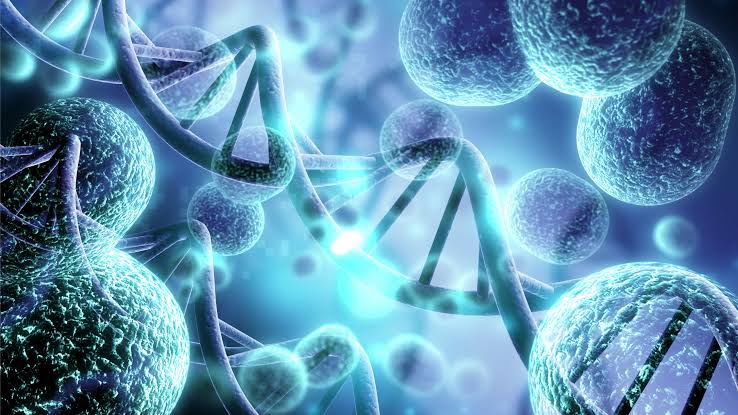
At the heart of every living cell lies one of biology’s most remarkable molecules: DNA, or deoxyribonucleic acid.
DNA contains the genetic instructions that guide the growth, development, functioning, and reproduction of living organisms. It acts like an instruction manual, telling cells how to build proteins and regulate countless biological processes.
The information stored in DNA is organized into genes. Each gene carries instructions for specific traits or biological functions. Differences in genes contribute to the diversity seen among individuals and species.
When organisms reproduce, DNA is passed from parents to offspring. This inheritance explains why children often resemble their parents while still possessing unique characteristics.
The discovery of DNA’s double-helix structure revolutionized biology and opened entirely new fields such as molecular biology, genetic engineering, and genomics.
Evolution: The Unifying Principle of Biology
One of the most important ideas in modern biology is evolution.
Evolution explains how living organisms change over generations through inherited genetic variation and natural selection. Rather than remaining fixed, species gradually adapt to changing environments over long periods of time.
Charles Darwin’s theory of evolution by natural selection provided a scientific explanation for the incredible diversity of life. Individuals with traits that improve survival and reproduction are generally more likely to pass those traits to future generations.
Over millions of years, this process has produced the astonishing variety of organisms found on Earth today.
Evolution also explains why all living organisms share many similarities. Humans, birds, reptiles, insects, fungi, and plants all descended from ancient common ancestors, making every living species part of one enormous family tree of life.
The Diversity of Life
Life on Earth exists in an extraordinary range of forms.
Tiny bacteria thrive in deep ocean vents where temperatures exceed the boiling point of water at Earth’s surface pressure.
Plants convert sunlight into chemical energy through photosynthesis, providing food and oxygen that support nearly all ecosystems.
Fungi recycle dead organic matter, returning nutrients to the environment.
Animals occupy virtually every habitat, from tropical rainforests and deserts to polar ice and the deepest parts of the oceans.
Scientists estimate that millions of species inhabit Earth, although many have yet to be discovered or formally described.
This remarkable diversity reflects billions of years of evolutionary history and adaptation.
Plants: The Foundation of Most Ecosystems
Plants play an essential role in sustaining life on Earth.
Using sunlight, water, and carbon dioxide, plants perform photosynthesis, producing sugars that fuel their growth while releasing oxygen into the atmosphere.
Nearly every ecosystem depends directly or indirectly on this process. Herbivores eat plants, predators consume herbivores, and decomposers recycle nutrients back into the soil, allowing new plants to grow.
Plants also regulate climate, stabilize soils, store carbon, produce medicines, provide food, and create habitats for countless other organisms.
Without plants, complex life as we know it would not exist.
Animals and Their Remarkable Adaptations
Animals display an astonishing range of behaviors and adaptations that allow them to survive in diverse environments.
Some migrate thousands of kilometers each year. Others camouflage themselves to avoid predators. Some communicate through songs, chemical signals, or complex social behaviors.
Biology explores how these adaptations evolved and how they contribute to survival and reproduction.
Studying animal behavior also provides valuable insights into ecology, evolution, neuroscience, and even human behavior.
The Human Body Through the Lens of Biology
Biology helps us understand ourselves.
The human body contains trillions of cells organized into tissues, organs, and organ systems that work together with extraordinary precision.
The circulatory system transports oxygen and nutrients.
The respiratory system exchanges gases with the environment.
The digestive system extracts energy from food.
The nervous system coordinates thoughts, movements, and sensations.
The immune system protects against disease-causing microorganisms.
These systems continuously interact to maintain homeostasis—the stable internal conditions necessary for life.
Biology allows scientists and physicians to understand these processes, diagnose illnesses, and develop treatments that improve human health.
Ecology: Life’s Connections
No organism lives in complete isolation.
Every species interacts with countless others and with its physical environment.
Ecology is the branch of biology that studies these relationships.
Predators regulate prey populations.
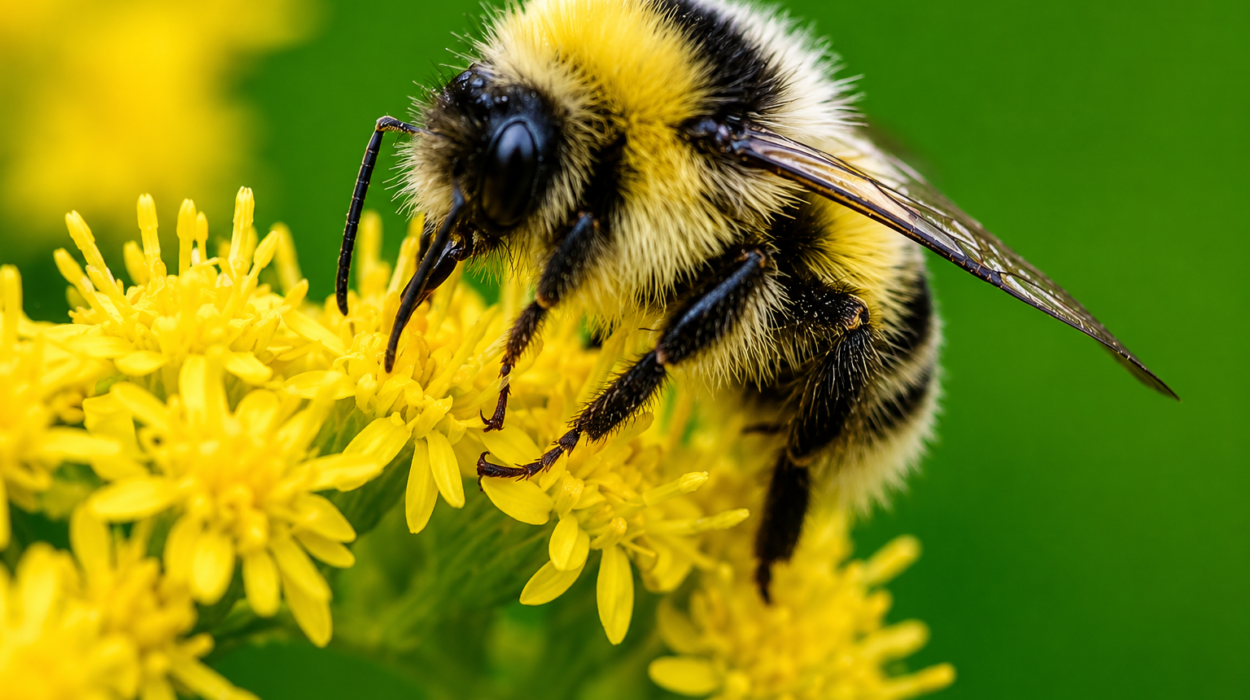
Pollinators help flowering plants reproduce.
Microorganisms recycle nutrients.
Forests influence rainfall.
Oceans regulate Earth’s climate.
These interconnected relationships create ecosystems in which every organism contributes to the balance of nature.
When ecosystems are disrupted by habitat destruction, pollution, invasive species, or climate change, the effects can spread through entire food webs.
Understanding ecology is essential for protecting biodiversity and maintaining healthy environments.
Microbiology: The Invisible World
Although invisible without microscopes, microorganisms profoundly influence life on Earth.
Bacteria, archaea, microscopic fungi, and many protists play essential roles in ecosystems.
Some microorganisms produce oxygen.
Others fix nitrogen, making it available to plants.
Many decompose dead organisms and recycle nutrients.
The human body also hosts trillions of microorganisms that form the human microbiome. Many of these microbes assist digestion, produce vitamins, and help defend against harmful pathogens.
While some microorganisms cause disease, many are indispensable for healthy ecosystems and human life.
Genetics and Heredity
Genetics examines how traits are inherited from one generation to the next.
Genes determine many characteristics, including eye color, blood type, and susceptibility to certain diseases. However, environmental factors also influence how genes are expressed.
Modern genetics has transformed medicine by enabling researchers to identify disease-causing mutations, develop targeted therapies, and better understand inherited conditions.
Advances in genome sequencing have also revealed surprising connections among species, confirming that all life shares a common evolutionary history.
Biology and Medicine
Many of medicine’s greatest achievements are rooted in biological research.
Understanding bacteria led to antibiotics.
Knowledge of viruses enabled vaccine development.
Research on genetics has improved diagnosis of inherited disorders.
Cell biology has advanced cancer treatments.
Immunology has produced therapies that harness the body’s own immune system to fight disease.
Biology continues to drive progress in regenerative medicine, tissue engineering, personalized medicine, and biotechnology.
Each new discovery contributes to longer, healthier lives for millions of people around the world.
Biology and Agriculture
Biology plays a central role in feeding the world’s growing population.
Plant biology helps scientists develop crops that produce higher yields, resist pests, tolerate drought, and adapt to changing climates.
Animal biology improves livestock health and breeding.
Microbiology contributes to soil fertility and sustainable farming practices.
Advances in biological science allow agriculture to become more productive while reducing environmental impacts.
Biology and Environmental Conservation
As human activities increasingly affect natural ecosystems, biology has become essential for conservation efforts.
Biologists study endangered species, monitor ecosystems, restore habitats, and investigate the impacts of pollution and climate change.
Conservation biology combines ecology, genetics, evolution, and environmental science to protect biodiversity and preserve Earth’s natural heritage.
By understanding how ecosystems function, scientists can develop more effective strategies for conserving wildlife and maintaining healthy environments for future generations.
The Branches of Biology
Biology encompasses many specialized fields, each exploring different aspects of life.
Botany focuses on plants.
Zoology studies animals.
Microbiology investigates microscopic organisms.
Genetics explores heredity.
Ecology examines relationships between organisms and their environments.
Cell biology studies cells.
Molecular biology investigates biological molecules.
Physiology examines how organisms function.
Evolutionary biology explores the history and diversification of life.
Marine biology studies ocean organisms.
Biotechnology applies biological knowledge to develop useful technologies.
Although these branches specialize in different topics, they remain interconnected through the shared principles of life.
How Biologists Study Life
Biology is an evidence-based science.
Researchers begin by observing natural phenomena and asking questions.
They develop hypotheses, conduct carefully designed experiments, collect data, and analyze results using statistical methods.
Experiments are repeated and verified by independent scientists before conclusions become widely accepted.
Modern biology also relies on advanced technologies such as DNA sequencing, electron microscopy, medical imaging, satellite observations, and computer modeling.
These tools allow scientists to investigate biological processes at levels ranging from individual molecules to entire ecosystems.
Biology in Everyday Life
Whether people realize it or not, biology influences daily life in countless ways.
The food we eat depends on plant and animal biology.
Vaccines and medicines result from biological research.
Clean drinking water requires understanding microorganisms.
Nutrition, exercise, sleep, and disease prevention all involve biological principles.
Even gardening, pet care, cooking, and environmental conservation rely on knowledge of living systems.
Biology is not confined to laboratories—it surrounds us every moment of every day.
The Future of Biology
Biology continues to advance at an extraordinary pace.
Scientists are exploring gene editing technologies that may help treat inherited diseases.
Researchers are studying stem cells to repair damaged tissues.
Artificial intelligence is accelerating biological discoveries by analyzing enormous datasets.
Synthetic biology is enabling the design of biological systems with new capabilities.
Meanwhile, studies of biodiversity, climate change, emerging infectious diseases, and ecosystem health remain critical for addressing global challenges.
Future discoveries will deepen our understanding of life while offering new opportunities to improve human health and protect the natural world.
Why Biology Matters
Biology is much more than the study of plants, animals, or cells. It is the science that helps us understand life itself. It explains where we come from, how our bodies function, why diseases occur, how ecosystems remain balanced, and how all living organisms are connected through evolution.
The knowledge gained through biology has transformed medicine, agriculture, environmental conservation, biotechnology, and countless other fields that shape modern society. As humanity confronts challenges such as pandemics, food security, biodiversity loss, and climate change, biology will remain one of our most powerful tools for finding sustainable solutions.
Conclusion
Biology is the scientific study of life in all its extraordinary forms. It explores the structure, function, growth, reproduction, evolution, and interactions of living organisms, from microscopic cells to vast ecosystems that span the planet. Through careful observation, experimentation, and evidence-based research, biology reveals the remarkable processes that make life possible.
Every organism, including humans, is part of an intricate web of life that has evolved over billions of years. By studying biology, we gain not only scientific knowledge but also a deeper appreciation for the complexity, beauty, and interconnectedness of the living world. It reminds us that every heartbeat, every leaf, every bird in flight, and every tiny cell carries a story shaped by the same fundamental principles that unite all life on Earth.