Imagine waking up to soft sunlight filtering through your windows just as your bedroom curtains gently open on their own. The room is already at your preferred temperature. Your coffee is brewing in the kitchen, the air purifier has adjusted itself after checking indoor air quality, and your calendar has quietly rearranged your morning routine because traffic is heavier than usual. None of this feels like science fiction anymore. It is becoming part of a new era of living—the era of smart homes.
A smart home is much more than a house filled with internet-connected gadgets. It is an environment where technology works together to make everyday life more comfortable, efficient, secure, and sustainable. Over the past decade, smart homes have evolved from simple voice-controlled lights and smart speakers into intelligent ecosystems capable of learning habits, anticipating needs, and communicating with multiple devices at once.
The future of smart homes promises something even more remarkable. Advances in artificial intelligence, robotics, wireless communication, renewable energy, and sensor technology are transforming homes into living spaces that can think, adapt, and respond in ways that once existed only in imagination.
What Is a Smart Home?
A smart home is a residence equipped with connected devices that communicate through a network, allowing them to be monitored, controlled, or automated. These devices often connect through Wi-Fi, Bluetooth, Zigbee, Thread, Matter, or other communication technologies.
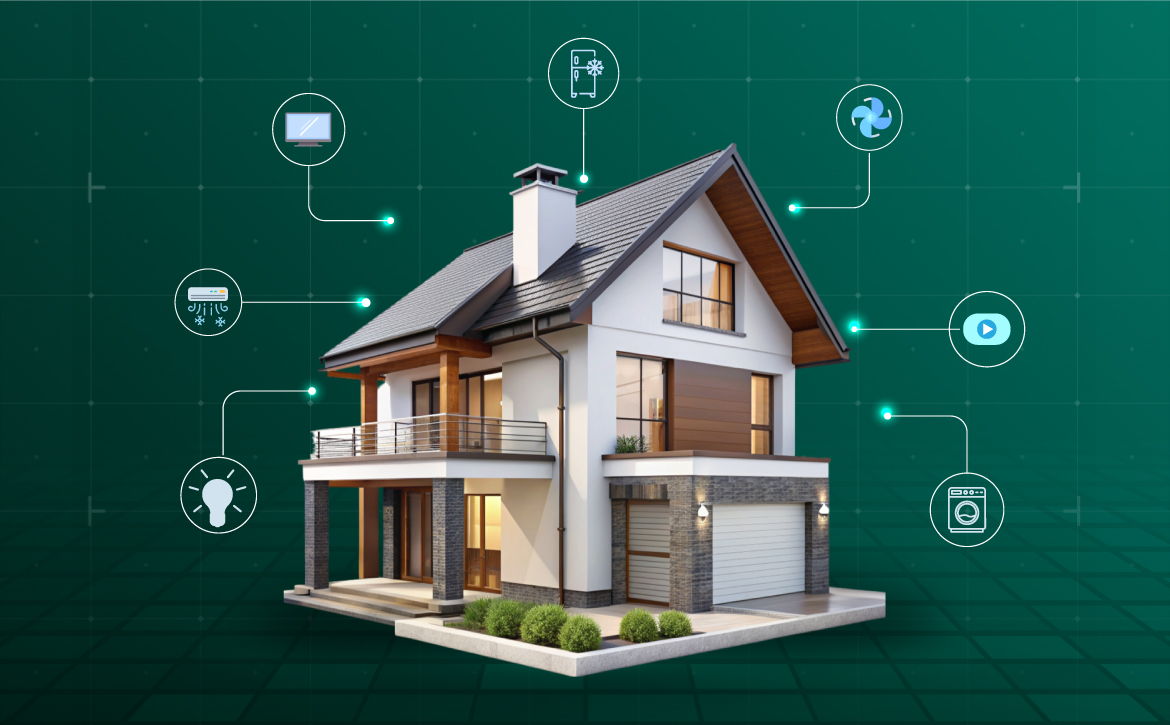
Instead of operating independently, smart devices work together. Lights, thermostats, security cameras, televisions, refrigerators, washing machines, door locks, speakers, and even window blinds can share information and perform coordinated actions.
For example, when you leave your house, your smart home may automatically lock every door, switch off unnecessary lights, reduce heating or air conditioning, activate security cameras, and arm the alarm system—all without requiring multiple manual actions.
The goal is not simply automation. The goal is creating a home that understands its occupants and responds intelligently.
From Automation to Intelligence
The first generation of smart homes focused mainly on remote control. People could use a smartphone to turn lights on or adjust the thermostat.
Today’s technology is moving beyond simple commands.
Artificial intelligence allows smart homes to recognize patterns and make informed decisions.
Instead of waiting for instructions, future homes will learn daily routines. They may recognize when family members usually wake up, when they leave for work, when children return from school, or when everyone goes to sleep.
Over time, these systems become increasingly personalized.
A home might learn that one person prefers cooler temperatures while another likes warmer rooms. It may automatically adjust lighting depending on the time of day or lower music volume when someone begins reading.
Rather than forcing people to adapt to technology, technology is beginning to adapt to people.
Artificial Intelligence Will Become the Home’s Brain
Artificial intelligence is expected to become the central intelligence behind future smart homes.
Modern AI systems can process enormous amounts of information from sensors, cameras, microphones, weather forecasts, energy prices, calendars, and user preferences.
Instead of reacting to commands, AI can predict needs.
For example, if heavy rain is approaching, a smart home may automatically close windows before the first drops fall.
If indoor air quality declines because of cooking, ventilation systems may activate automatically.
If someone forgets to close the garage door, the system can detect it and either notify the homeowner or close it safely.
As AI becomes more sophisticated, homes will become increasingly proactive rather than reactive.
Voice Assistants Will Become More Natural
Voice assistants have already introduced millions of people to smart home technology.
In the future, conversations with digital assistants will become much more natural.
Instead of responding only to simple commands, future systems will understand context, remember previous conversations, recognize different family members, and interpret complex requests.
A person might simply say, “I’m feeling tired.”
Rather than asking for clarification, the assistant could dim the lights, lower background noise, adjust room temperature, and recommend a relaxing playlist.
Natural language processing continues improving rapidly, making conversations with smart homes feel more like talking with another person than operating a machine.
Homes That Learn Daily Habits
One of the most exciting developments is adaptive learning.
Future smart homes will observe patterns—not to invade privacy, but to improve comfort and efficiency.
Over weeks and months, homes may learn sleeping schedules, preferred lighting levels, cooking times, entertainment habits, exercise routines, and energy usage.
This learning allows automation to become increasingly personalized.
Instead of requiring complicated programming, homes will quietly improve their behavior over time.
The longer people live in the house, the better it understands their lifestyle.
Smart Kitchens Will Transform Cooking
The kitchen is becoming one of the smartest rooms in the home.
Future refrigerators may monitor food freshness using advanced sensors and computer vision.
They could identify ingredients, suggest recipes, and help reduce food waste by reminding owners before products expire.
Ovens may recognize different foods using internal cameras and automatically select appropriate cooking temperatures.
Coffee machines may prepare drinks based on individual preferences without requiring manual settings.
Connected appliances could coordinate meal preparation so multiple dishes finish cooking simultaneously.
Although cooking remains a human experience, technology will increasingly assist rather than replace it.
Health Monitoring at Home
One of the most important future roles of smart homes will involve health.
Advances in wearable devices, environmental sensors, and artificial intelligence will allow homes to support wellness in subtle ways.
Smart beds may monitor sleep quality, breathing patterns, heart rate, and body movement.
Bathrooms may include sensors capable of detecting changes that could indicate health concerns, while respecting privacy and requiring appropriate user consent.
Indoor air quality sensors can measure carbon dioxide, humidity, temperature, airborne particles, and volatile organic compounds.
If air quality becomes unhealthy, ventilation systems may respond automatically.
For older adults, smart homes may detect unusual activity patterns or falls and notify caregivers if assistance may be needed.
These technologies are designed to complement healthcare professionals rather than replace medical diagnosis.
Better Security Through Intelligent Systems
Home security is evolving far beyond traditional alarms.
Future security systems will combine cameras, motion detectors, biometric authentication, AI-based image recognition, and environmental sensors.
Instead of simply detecting movement, AI may distinguish between family members, visitors, delivery personnel, pets, and unfamiliar individuals.
Smart doorbells can already provide live video and two-way communication.
Future systems may verify identities more accurately while reducing false alarms caused by animals or weather.
Some homes may use facial recognition or fingerprint authentication for entry, although such technologies require careful attention to privacy and data protection.
Cybersecurity will become equally important.
As more devices connect to the internet, protecting digital information will be essential for maintaining safe smart homes.
Energy Efficiency Will Become Smarter
Climate change and rising energy demand are encouraging more efficient homes.
Future smart homes will continuously optimize energy use.
Instead of simply turning devices on and off, AI systems may balance electricity consumption throughout the day.
Heating and cooling systems could respond to weather forecasts before temperatures change.
Smart windows may automatically adjust transparency to reduce heat during summer while allowing sunlight during winter.
Lighting systems may brighten only occupied rooms.
Electricity may be used when renewable energy production is highest or when electricity prices are lowest.
These improvements can reduce both environmental impact and household energy costs.
Renewable Energy Will Power More Homes
Many future smart homes will generate their own electricity.
Solar panels are becoming more efficient and affordable.
Combined with home battery storage systems, they allow households to store excess electricity for nighttime use or during power outages.
Artificial intelligence can determine the most efficient way to manage electricity production, storage, and consumption.
Electric vehicles may also become part of the home’s energy system.
Instead of simply charging from the house, some future vehicles may temporarily provide electricity back to the home during emergencies or periods of high demand.
This creates a more flexible and resilient energy network.
Smart Water Management
Water conservation is becoming increasingly important around the world.
Future smart homes may include intelligent water management systems capable of monitoring usage throughout the property.
Leak detection sensors can identify problems long before visible damage occurs.
Smart irrigation systems may analyze weather forecasts, soil moisture, and plant needs before watering gardens.
Some homes may recycle certain types of household water for irrigation or other non-drinking purposes.
These technologies help conserve valuable freshwater resources while reducing utility costs.
Robots Will Become Household Helpers
Household robots are advancing rapidly.
Today, robotic vacuum cleaners and lawn mowers are common examples.
Future robots may assist with much more complex tasks.
Robotic systems could help carry groceries, organize household items, fold laundry, clean windows, monitor home conditions, or assist older adults with daily activities.
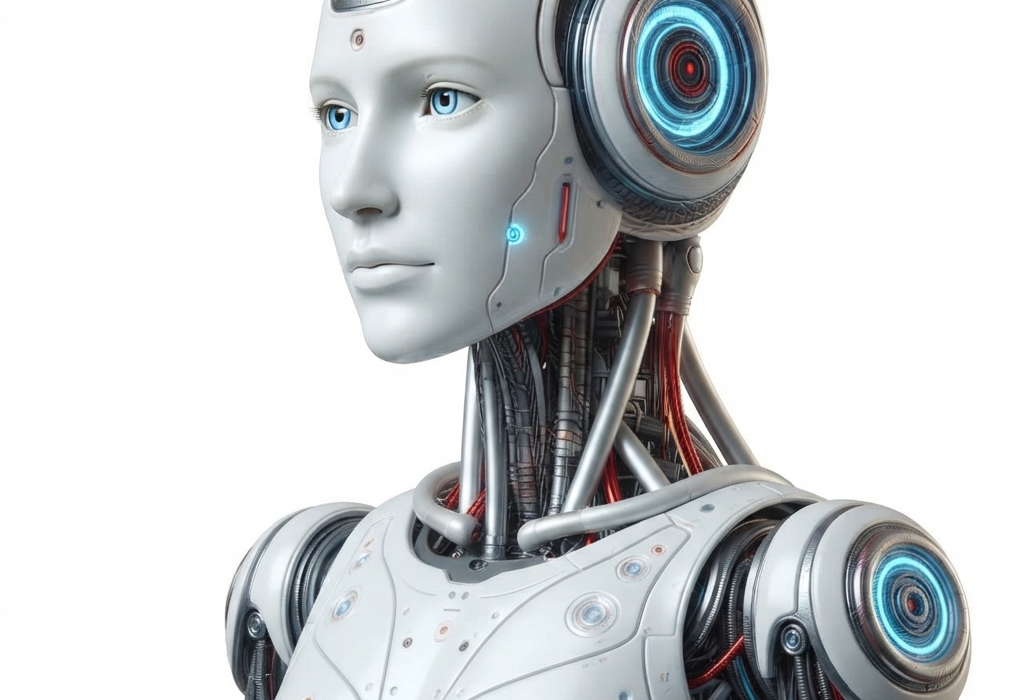
Humanoid robots are also being actively developed, although widespread household adoption remains a longer-term possibility.
Rather than replacing people, most home robots are expected to reduce repetitive physical work.
Smart Homes Will Improve Accessibility
One of the greatest benefits of future smart homes is increased accessibility.
Technology can make independent living easier for people with disabilities and older adults.
Voice control eliminates the need to reach switches.
Automatic doors may open when needed.
Smart lighting improves visibility.
Wheelchair-accessible systems can automate difficult tasks.
Sensors may remind people to take medications or alert caregivers if unusual situations occur.
These innovations help create homes that adapt to residents rather than requiring residents to adapt to their homes.
The Internet of Things Will Connect Everything
The future smart home depends on the Internet of Things, often called the IoT.
The Internet of Things refers to physical devices connected through networks that exchange information.
In future homes, thousands of tiny sensors may operate quietly in the background.
They measure temperature, humidity, occupancy, air quality, water flow, electricity usage, light intensity, and countless other environmental conditions.
Because these devices communicate continuously, the home gains a detailed understanding of its surroundings.
This information allows smarter decision-making while reducing unnecessary energy consumption.
Faster Networks Will Enable Smarter Homes
Reliable communication is essential for intelligent homes.
High-speed broadband, Wi-Fi improvements, fiber-optic networks, and advanced mobile technologies are making connected devices more responsive.
Low communication delays allow smart systems to coordinate actions almost instantly.
As networks improve, homes can support larger numbers of connected devices while maintaining reliable performance.
Future communication technologies will make automation faster, more dependable, and capable of supporting increasingly sophisticated applications.
Privacy Will Become a Central Challenge
As homes become more intelligent, they also collect more information.
This raises important questions about privacy.
Smart homes may store data about daily routines, energy usage, voice commands, environmental conditions, and connected devices.
Responsible manufacturers increasingly emphasize encryption, secure authentication, and giving users greater control over their personal information.
Future smart home development must balance convenience with privacy.
Trust will be just as important as technological innovation.
People should understand what information is collected, how it is used, and how it is protected.
Smart Homes Will Work Together Better
Early smart home devices often struggled to communicate because different companies used different standards.
Today, greater emphasis is being placed on interoperability, allowing products from different manufacturers to work together more seamlessly.
This means homeowners will have greater flexibility when choosing devices.
Instead of being locked into a single brand, people will increasingly be able to build smart home systems using products that communicate through shared standards.
Better compatibility simplifies installation, reduces frustration, and encourages wider adoption.
Sustainable Homes for a Changing Planet
The future of smart homes is closely connected with environmental sustainability.
Buildings account for a significant share of global energy consumption and greenhouse gas emissions.
Smart technologies can help reduce this impact.
Efficient heating, cooling, lighting, insulation monitoring, renewable energy integration, and intelligent energy management all contribute to lower carbon emissions.
Future homes may automatically adjust their operation according to weather conditions, electricity demand, and renewable energy availability.
This helps create communities that are both more environmentally responsible and more resilient.
Smart Neighborhoods and Connected Communities
The future extends beyond individual homes.
Entire neighborhoods may become interconnected.
Homes could share renewable electricity, coordinate electric vehicle charging, communicate with local power grids, and respond collectively during emergencies.
Smart communities may optimize traffic flow, waste management, water distribution, and public safety using connected technologies.
Individual smart homes become part of larger intelligent infrastructure.
Challenges That Must Be Solved
Despite rapid progress, smart homes still face important challenges.
Device compatibility continues improving but is not yet perfect.
Cybersecurity threats require constant attention.
Reliable internet access remains essential for many connected systems.
Some technologies remain expensive for many households.
Artificial intelligence must also be designed carefully to avoid errors and maintain transparency.
Engineers, computer scientists, cybersecurity experts, architects, and policymakers continue working to address these challenges while making smart homes safer, more affordable, and easier to use.
The Human Side of Smart Homes
Technology is most valuable when it improves people’s lives.
The future of smart homes is not about filling houses with countless gadgets. It is about creating living spaces that quietly support everyday life.
A truly intelligent home should reduce stress rather than create complexity.
It should save energy without sacrificing comfort.
It should improve safety without compromising privacy.
It should assist people while allowing them to remain in control.
The most successful smart homes of the future may be the ones whose technology is almost invisible—working seamlessly in the background, anticipating needs without demanding constant attention.
Looking Ahead
The future of smart homes is being shaped by rapid advances in artificial intelligence, robotics, sensor technology, renewable energy, wireless communication, and the Internet of Things. These innovations are transforming homes from passive structures into intelligent environments capable of learning, adapting, and responding to the needs of their occupants.
As these technologies mature, homes will become more energy-efficient, healthier, safer, and more personalized. They will help conserve natural resources, support independent living, improve security, and simplify countless everyday tasks.
Although challenges involving privacy, cybersecurity, affordability, and interoperability remain, ongoing scientific research and technological innovation continue to move smart homes toward a future where convenience and sustainability work hand in hand.
The homes of tomorrow will not simply shelter us from the outside world. They will become active partners in daily life—quietly learning, thoughtfully assisting, and helping create living environments that are more comfortable, efficient, resilient, and connected than ever before.