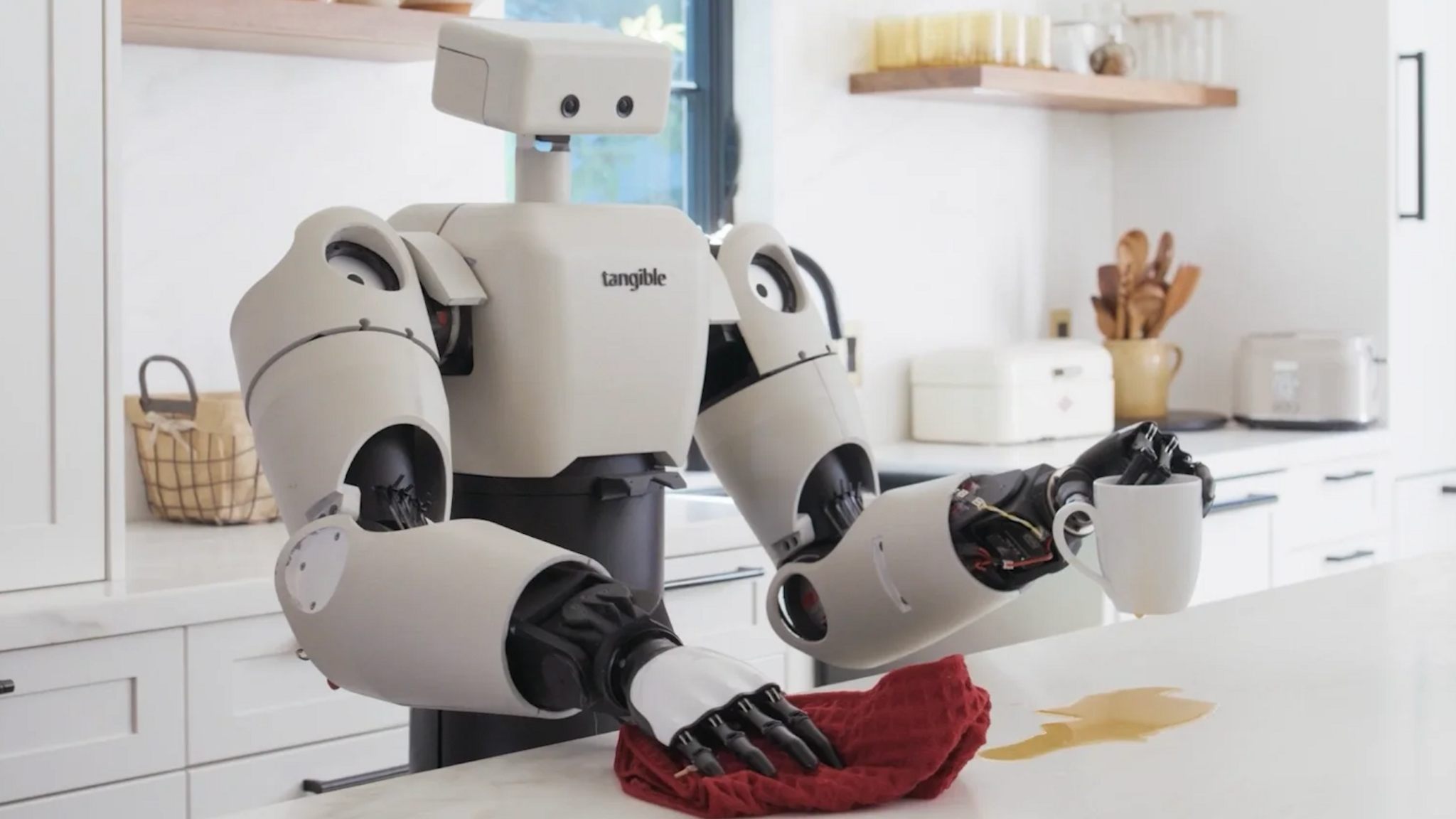
Imagine waking up in the morning and finding that your floors have already been cleaned while you were asleep. The lawn outside has been neatly trimmed, your windows are spotless, and a robot quietly reminds an elderly family member to take their medication. What once seemed like a scene from a science fiction movie is gradually becoming part of everyday life.
Household robots are no longer futuristic fantasies. Thanks to rapid advances in artificial intelligence (AI), sensors, computer vision, and robotics, these machines are becoming smarter, safer, and more capable every year. While they still cannot completely replace humans, they are transforming how people clean, cook, monitor their homes, care for loved ones, and manage daily routines.
As technology continues to improve, household robots are becoming trusted assistants that save time, reduce physical effort, and make homes more comfortable. They are changing not only how we complete chores but also how we think about living with intelligent machines.
What Are Household Robots?
Household robots are machines designed to perform tasks inside or around the home with little or no human assistance. Unlike ordinary household appliances, robots can sense their surroundings, process information, make decisions, and perform actions based on what they detect.
Many household robots use cameras, laser scanners, infrared sensors, microphones, touch sensors, and artificial intelligence to understand their environment. They can recognize furniture, avoid obstacles, navigate through rooms, and sometimes even learn the layout of a home over time.
Some robots operate completely autonomously, while others can be controlled using smartphones, voice assistants, or remote controls.
Their purpose is simple: help people with everyday tasks and make life easier.
The Evolution of Household Robots
For decades, people imagined robots as human-shaped machines capable of doing everything a person could do. Early science fiction often showed robots cooking meals, cleaning homes, and acting as loyal assistants.
The reality developed more slowly.
The first household robots were relatively simple. They followed basic programming and could only perform limited tasks. Advances in electronics, batteries, sensors, and computing power gradually changed this.
The introduction of affordable robotic vacuum cleaners marked an important milestone. These machines demonstrated that robots could successfully navigate homes and complete useful work with minimal supervision.
Since then, improvements in artificial intelligence and machine learning have greatly expanded what household robots can accomplish.
Today, many robots can create digital maps of homes, recognize obstacles, remember cleaning schedules, and even respond to voice commands.
Smarter Cleaning with Robotic Vacuums
One of the most common household robots is the robotic vacuum cleaner.
These compact machines automatically move through rooms, collecting dust, dirt, pet hair, and small debris from floors. Modern models use advanced navigation systems rather than simply moving randomly.
Some create detailed maps of each room using cameras or laser-based sensors. Others can identify carpets, avoid stairs, recognize furniture, and return to their charging stations when their batteries become low.
Many robotic vacuums can also be scheduled to clean while people are at work or asleep.
Some advanced models even empty their own dust containers into larger storage bins, reducing the need for frequent maintenance.
While they may not completely replace traditional vacuum cleaners in every situation, they significantly reduce routine cleaning work.
Robotic Mops Bring Cleaner Floors
Cleaning floors often involves sweeping and mopping separately.
Many modern household robots now combine these jobs.
Robotic mops use water reservoirs, cleaning pads, and intelligent navigation systems to wipe hard floors after vacuuming.
Some robots automatically detect different floor types and adjust the amount of water they use.
Advanced models can recognize carpets and avoid wetting them while continuing to clean nearby hard surfaces.
Although human cleaning is still needed for stubborn stains or deep cleaning, robotic mops greatly reduce everyday maintenance.
Robots That Mow the Lawn
Maintaining a lawn can require significant time and physical effort.
Robotic lawn mowers are designed to automate this task.
These machines quietly move around gardens, cutting grass according to programmed schedules. Many operate using rechargeable batteries and automatically return to charging stations when needed.
Using sensors, they detect obstacles such as trees, garden furniture, or pets, changing direction to avoid collisions.
Because they mow frequently, they usually trim only small amounts of grass at a time, helping maintain a consistently neat lawn.
Some models can even work in light rain or navigate gentle slopes.
Window-Cleaning Robots
Cleaning windows, especially in multi-story buildings, can be challenging and sometimes dangerous.
Window-cleaning robots help reduce this effort.
These robots attach securely to glass surfaces using suction or specialized vacuum systems. As they move across the window, rotating cleaning pads remove dust and dirt.
Built-in sensors help them detect window edges and avoid falling.
Although they may occasionally require manual finishing in heavily soiled areas, they simplify one of the more difficult household chores.
Pool-Cleaning Robots
Swimming pools require regular maintenance to keep water clean and safe.
Robotic pool cleaners automatically move across the floor and walls of a pool, collecting leaves, dirt, insects, and other debris.
Some models also scrub surfaces while filtering water.
Because they work independently, they reduce both cleaning time and the physical effort needed to maintain a pool.
AI Is Making Household Robots Smarter
Artificial intelligence is one of the biggest reasons household robots have improved so dramatically.
Rather than simply following fixed instructions, many robots now analyze information from their sensors and make decisions in real time.
A robot vacuum may learn where furniture usually stands.
A lawn mower may adjust its route after detecting obstacles.
A home assistant robot may recognize different voices within a family.
Machine learning allows certain robots to improve their performance over time by recognizing patterns in their environment.
Although current household robots remain specialized for particular tasks, artificial intelligence is steadily making them more flexible and adaptable.
Computer Vision Helps Robots Understand Their Surroundings
Many modern household robots use computer vision.
Computer vision enables machines to interpret images from cameras much like humans use their eyes.
By analyzing visual information, robots can recognize walls, furniture, doors, pets, toys, and other objects.
This helps them avoid collisions and navigate efficiently.
Some advanced robots can even identify particularly dirty areas and spend more time cleaning them.
Others recognize rooms and remember where different household items are usually located.
Voice Control Makes Robots Easier to Use
Many household robots can connect with voice assistants.
Instead of pressing buttons, users can simply say commands like “Start cleaning the kitchen” or “Return to the charging station.”
Voice control makes robots more accessible for older adults and people with mobility challenges.
It also allows users to manage multiple smart devices throughout the home using natural language.
Household Robots Save Time
Perhaps the greatest advantage of household robots is time.
Many daily chores are repetitive.
Vacuuming, mopping, mowing lawns, and cleaning windows often consume hours each week.
When robots handle these routine tasks, people gain extra time for family, hobbies, exercise, reading, or relaxation.
Rather than replacing meaningful human activities, household robots often reduce repetitive work.
This shift allows people to focus on experiences they value most.
Helping Older Adults Live Independently
As populations age in many countries, household robots may become increasingly important.
Older adults sometimes experience difficulty performing physically demanding household tasks.
Cleaning floors, carrying heavy objects, or remembering medications can become challenging.
Assistive household robots are being developed to provide reminders, monitor daily activities, detect emergencies, and communicate with caregivers if needed.
Some robots can recognize when someone has fallen and alert family members or emergency services.
Others encourage exercise, provide conversation, or remind users about appointments.
While these robots cannot replace human care and companionship, they can support independent living and improve quality of life.
Supporting People with Disabilities
Household robots also have significant potential to assist people living with disabilities.
Robotic assistants can help retrieve objects, operate smart home devices, open doors, or perform cleaning tasks that may otherwise require assistance.
Voice-controlled robots reduce the need for physical interaction with appliances.
As robotics technology becomes more sophisticated, future systems may provide even greater independence for millions of people.
Robots and Smart Homes
Household robots increasingly work together with smart home systems.
They can communicate with connected lights, thermostats, security cameras, and smart speakers.
For example, a robot vacuum may begin cleaning automatically after everyone leaves the house.
Lights may turn on when a home-monitoring robot detects movement.
Air purifiers may activate after cleaning if sensors detect increased dust.
This growing network of connected devices creates homes that respond intelligently to changing conditions.
Home Security Robots
Some household robots focus on security rather than cleaning.
These mobile devices patrol homes using cameras, microphones, motion sensors, and artificial intelligence.
If unusual activity is detected, they can send alerts to homeowners through smartphone apps.
Some robots allow remote users to move around the house using cameras and speakers, making it possible to check on pets or communicate with family members while away.
Although these systems improve home monitoring, they also raise important questions about privacy and data security.
Robots and Pet Care
Many pet owners spend considerable time feeding, monitoring, and entertaining their animals.
Some household robots now assist with these responsibilities.
Automatic robotic feeders provide meals at scheduled times.
Interactive robotic toys encourage exercise and mental stimulation for cats and dogs.
Some mobile robots allow owners to remotely speak with pets through cameras and microphones.
While these technologies cannot replace human affection and care, they help maintain routines when owners are away.
Kitchen Robots Are Becoming More Capable
Cooking remains one of the most complex household activities.
Current kitchen robots usually perform specific tasks rather than preparing complete meals independently.
Some machines chop vegetables, stir ingredients, knead dough, blend food, or precisely control cooking temperatures.
Future kitchen robots may eventually prepare more complex meals with greater autonomy.
Researchers continue developing robotic systems capable of safely handling delicate ingredients and adapting to changing recipes.
How Sensors Help Household Robots
Sensors act as the robot’s senses.
Distance sensors help avoid walls.
Cameras recognize objects.
Touch sensors detect collisions.
Gyroscopes measure movement and orientation.
Cliff sensors prevent robots from falling down stairs.
Some robots even include air-quality sensors, humidity sensors, or temperature sensors.
The combination of multiple sensors allows robots to understand their environment much more accurately than earlier generations.
Navigation Inside the Home
Moving through a home may seem easy for humans, but it presents many challenges for robots.
Furniture changes position.
Children leave toys on the floor.
Pets move unpredictably.
People open and close doors.
To handle these situations, household robots combine sensors, mapping technologies, and artificial intelligence.
Many create digital floor plans and continuously update them as the environment changes.
This enables more efficient movement and better cleaning performance.
The Importance of Battery Technology
Battery improvements have greatly expanded the usefulness of household robots.
Modern rechargeable lithium-ion batteries provide longer operating times while remaining relatively lightweight.
Many robots automatically monitor their battery levels.
When power becomes low, they independently return to charging stations before resuming unfinished work later.
Future advances in battery technology may further increase operating time while reducing charging frequency.
Household Robots Continue to Learn
Some robots improve through software updates.
Manufacturers regularly release improvements that enhance navigation, object recognition, and cleaning performance.
Machine learning algorithms can also help robots recognize recurring patterns within a home.
For example, a robot may learn which rooms become dirty more quickly or identify times when cleaning causes the least disruption.
These improvements make robots increasingly efficient over time.
Challenges Household Robots Still Face
Despite impressive progress, household robots still have limitations.
Most are designed for specific tasks rather than general household assistance.
A robot vacuum cannot prepare dinner.
A lawn mower cannot wash dishes.
Many robots struggle with cluttered environments or unexpected situations.
Stairs remain difficult for wheeled robots.
Very small objects, tangled cables, or unusual floor layouts may reduce performance.
Robots also require regular maintenance, including cleaning sensors, replacing brushes, emptying dust containers, and updating software.
Privacy and Security Considerations
Many household robots collect information about home layouts and daily routines.
Some use cameras, microphones, or internet connections to provide advanced features.
Because of this, privacy and cybersecurity have become important considerations.
Manufacturers increasingly use encryption and security measures to protect user information.
Consumers should also keep software updated and carefully review privacy settings.
Responsible data management is essential as robots become more connected.
Will Robots Replace Household Work Completely?
Current household robots are excellent assistants, but they are not complete replacements for human effort.
People still perform deep cleaning, cooking, organizing, repairing, decorating, and many other activities requiring creativity, judgment, and adaptability.
Rather than replacing people, today’s household robots usually handle repetitive, time-consuming tasks.
This partnership between humans and machines is likely to continue for many years.
The Future of Household Robots
Researchers around the world are working to create household robots that are more intelligent, flexible, and capable.
Future robots may fold laundry, load dishwashers, prepare meals, organize rooms, assist with childcare, or help older adults with everyday activities.
Advances in artificial intelligence, computer vision, robotic hands, natural language processing, and sensor technology are steadily bringing these possibilities closer.
Scientists are also developing humanoid robots that can move through homes designed for humans without requiring major modifications.
Although significant engineering challenges remain, progress continues rapidly.
A New Era of Everyday Living
Household robots are quietly changing daily life in ways that were once difficult to imagine. They clean floors while families spend time together, mow lawns without constant supervision, monitor homes for safety, and assist older adults in maintaining their independence. Their abilities continue to grow as advances in robotics and artificial intelligence make them more reliable, adaptable, and efficient.
These machines are not replacing the warmth, creativity, or judgment that people bring to a home. Instead, they are becoming practical partners that handle routine tasks, allowing families to spend more time on work, learning, relationships, and relaxation. As technology continues to evolve, household robots are likely to become as common as washing machines, refrigerators, and computers—quietly working in the background to make everyday life easier, safer, and more connected than ever before.