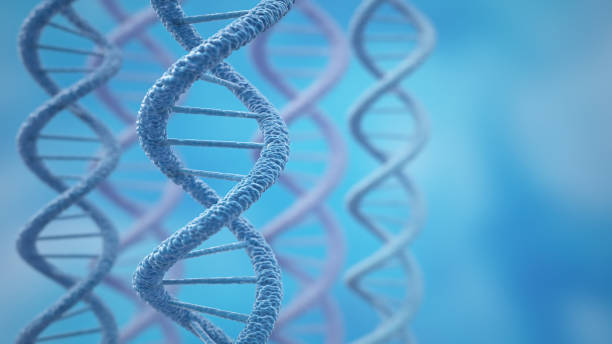
Every human being carries an extraordinary instruction manual inside nearly every cell of the body. This instruction manual, known as DNA (deoxyribonucleic acid), contains the genetic information that influences everything from eye color and blood type to how our bodies grow, repair themselves, and respond to diseases. For decades, DNA remained one of biology’s greatest mysteries. Today, thanks to remarkable advances in science and technology, it has become one of the most powerful tools in modern healthcare.
DNA technology is transforming medicine in ways that once seemed impossible. Doctors can now identify inherited diseases before symptoms appear, choose medications based on a person’s genetic makeup, detect certain cancers earlier, and develop treatments that target diseases with unprecedented precision. Instead of treating every patient the same way, healthcare is steadily moving toward a future where treatments are tailored to each individual’s unique genetic profile.
This revolution is changing not only how diseases are diagnosed and treated but also how they are prevented. As scientists continue to unlock the secrets hidden within our genes, DNA technology is opening new possibilities for improving health, extending lives, and making medicine more personal than ever before.
Understanding DNA: The Blueprint of Life
DNA is often called the blueprint of life because it contains the biological instructions needed to build and maintain every living organism. It is a long molecule made of four chemical building blocks called adenine (A), thymine (T), cytosine (C), and guanine (G). These building blocks are arranged in countless combinations, forming the genetic code that directs how cells function.
In humans, DNA is organized into 23 pairs of chromosomes, which are found inside the nucleus of nearly every cell. Together, these chromosomes contain approximately 3 billion DNA base pairs and around 20,000 protein-coding genes. While humans share more than 99% of their DNA with one another, the small differences that remain help explain why each person is unique.
Genes provide instructions for making proteins, which perform most of the work inside cells. Proteins build tissues, regulate chemical reactions, fight infections, transport nutrients, and control countless biological processes. When changes, known as genetic variants or mutations, occur in DNA, they can sometimes affect how proteins function, increasing or decreasing the risk of certain diseases.
The Rise of DNA Technology
The ability to study DNA has transformed biology and medicine. One of the biggest milestones came in 1953, when scientists James Watson, Francis Crick, Rosalind Franklin, and Maurice Wilkins contributed to understanding DNA’s double-helix structure. This discovery laid the foundation for modern genetics.
Over the following decades, researchers developed increasingly sophisticated tools for reading, analyzing, and manipulating DNA. The Human Genome Project, completed in 2003, successfully mapped nearly the entire human genome. This international scientific effort dramatically expanded our understanding of human genetics and accelerated the development of new medical technologies.
Today, DNA sequencing has become much faster, more accurate, and far less expensive than it was just two decades ago. What once required years of work and billions of dollars can now often be completed in days at a fraction of the cost. This rapid progress has brought DNA technology into hospitals, clinics, research laboratories, and even public health programs.
Diagnosing Diseases Earlier Than Ever Before
One of the greatest contributions of DNA technology is its ability to improve disease diagnosis. Many genetic disorders are caused by changes in a single gene, while others result from the combined effects of multiple genes and environmental factors.
Traditional diagnosis often depends on symptoms that appear after a disease has already developed. DNA testing allows doctors to identify certain inherited conditions before symptoms become noticeable, giving patients and healthcare providers valuable time to prepare, monitor, or begin treatment.
Conditions such as cystic fibrosis, sickle cell disease, Huntington’s disease, and many rare inherited disorders can often be confirmed through genetic testing. In some cases, DNA analysis helps explain illnesses that have remained undiagnosed despite years of medical investigations.
Earlier diagnosis can reduce uncertainty for families, improve treatment decisions, and help prevent unnecessary medical procedures.
Transforming Cancer Care
Cancer is fundamentally a disease of altered DNA. As cells divide, changes can accumulate in their genetic material. Some of these changes allow cells to grow uncontrollably, forming tumors.
Modern DNA technology has transformed how many cancers are diagnosed and treated. Instead of identifying cancer only by its location in the body, doctors increasingly examine the genetic changes within cancer cells themselves.
By analyzing a tumor’s DNA, physicians may identify specific genetic alterations that drive cancer growth. Some treatments are designed to target these particular changes, helping attack cancer cells while reducing damage to healthy tissue.
This approach, often called precision oncology, has improved treatment options for certain cancers, including some forms of lung cancer, breast cancer, melanoma, colorectal cancer, and leukemia.
DNA analysis also helps researchers understand why some cancers respond well to treatment while others develop resistance over time.
Personalized Medicine: Healthcare Designed for the Individual
For many years, medical treatments followed a “one-size-fits-all” approach. Patients with the same diagnosis often received identical medications and treatment plans.
DNA technology is changing that model.
Every person’s genetic makeup is slightly different. These differences can influence how diseases develop, how the immune system responds, and how medications work inside the body.
Personalized medicine, also known as precision medicine, uses genetic information alongside medical history, lifestyle, and environmental factors to guide healthcare decisions.
Rather than choosing treatments based only on averages, doctors can increasingly select therapies that are more likely to benefit a specific patient.
This individualized approach aims to improve treatment effectiveness while reducing unwanted side effects.
Pharmacogenomics: Choosing the Right Medicine
Not everyone responds to medicines in the same way. A drug that works well for one person may be less effective or cause more side effects in another.
One reason for these differences lies in genetics.
Pharmacogenomics studies how genetic variations influence the body’s response to medications. Certain genes affect how drugs are absorbed, broken down, transported, and eliminated.
DNA testing can sometimes help doctors determine whether a patient may require a standard dose, a lower dose, a higher dose, or an alternative medication.
This information can improve medication safety and reduce the trial-and-error process that sometimes accompanies treatment decisions.
Although pharmacogenomic testing is not necessary for every medication, it is becoming increasingly valuable in areas such as cancer treatment, cardiovascular medicine, psychiatry, and pain management.
Detecting Rare Genetic Disorders
Thousands of rare diseases are caused by genetic changes. Individually, these conditions affect relatively small numbers of people, but together they impact millions worldwide.
Many rare diseases are difficult to diagnose because their symptoms overlap with more common illnesses.
Advanced DNA sequencing technologies have dramatically improved the ability to identify these disorders.
Doctors can now examine hundreds or even thousands of genes simultaneously, making it easier to pinpoint the genetic cause of unexplained medical conditions.
Earlier diagnosis allows families to receive accurate information, appropriate medical care, and access to specialized support services.
Newborn Screening Saves Lives
In many countries, newborn babies undergo screening shortly after birth to detect certain serious but treatable conditions.
Some of these screening programs use genetic technologies alongside biochemical testing.
Identifying disorders before symptoms appear allows treatment to begin as early as possible, reducing the risk of severe complications.
Early intervention can make a profound difference in a child’s long-term health and development.
Helping Families Understand Inherited Risk
DNA technology provides valuable information not only for individuals but also for entire families.
Some inherited genetic changes increase the likelihood of developing specific diseases.
When such changes are identified, family members may choose to undergo genetic testing to determine whether they carry the same variant.
This process often takes place with the guidance of genetic counselors, healthcare professionals who help individuals understand test results, discuss medical options, and consider the emotional and practical implications of genetic information.
Knowing inherited risks does not guarantee that a disease will develop. Instead, it allows people and their healthcare providers to make informed decisions about screening, lifestyle, and preventive care.
Prenatal and Reproductive Genetics
DNA technology also plays an important role during pregnancy.
Prenatal genetic testing can help identify certain chromosomal or inherited conditions before birth. One widely used approach analyzes small fragments of fetal DNA circulating in the pregnant person’s bloodstream, providing information about the likelihood of specific chromosomal differences without directly sampling the fetus.
Couples planning a family may also choose carrier screening, which determines whether they carry genetic variants associated with certain inherited disorders. If both parents carry variants in the same gene for a recessive condition, there may be an increased chance of having an affected child.
These technologies provide information that can support medical decision-making and reproductive planning, often with the assistance of genetic counseling.
Gene Therapy: Treating Disease at Its Source
Some diseases result directly from changes in a single gene.
Rather than simply treating symptoms, gene therapy aims to address the underlying genetic cause.
In gene therapy, doctors introduce, replace, or modify genetic material inside specific cells to restore normal function or compensate for a faulty gene.
Several gene therapies have now been approved for certain inherited diseases and blood disorders, offering new hope for patients who previously had few treatment options.
Although gene therapy is still developing and is not suitable for every condition, it represents one of the most significant advances in modern medicine.
Gene Editing and the Promise of CRISPR
One of the most exciting developments in genetics is CRISPR, a gene-editing technology that allows scientists to make highly targeted changes to DNA.
CRISPR has become an important research tool and has led to approved treatments for some diseases. Researchers are also investigating its potential for many other conditions.
However, gene editing remains a carefully regulated area of medicine. Scientists continue studying its long-term safety, effectiveness, and ethical implications before expanding its clinical use.
The goal is not simply to change DNA but to do so safely, accurately, and responsibly.
Fighting Infectious Diseases
DNA technology has also strengthened the fight against infectious diseases.
Modern laboratories can identify bacteria, viruses, and other microorganisms by analyzing their genetic material.
Techniques such as polymerase chain reaction (PCR) allow scientists to detect tiny amounts of genetic material from infectious organisms, often long before traditional methods can confirm an infection.
During disease outbreaks, DNA sequencing helps researchers track how pathogens spread and how they evolve over time. This information supports public health responses, improves surveillance, and contributes to vaccine and treatment development.
Advancing Research on Common Diseases
Many common illnesses, including diabetes, heart disease, Alzheimer’s disease, asthma, and certain autoimmune disorders, involve a complex interaction between genetics and environmental influences.
DNA technology helps researchers identify genetic variants associated with these diseases.
Although carrying certain variants does not guarantee illness, studying them provides valuable insight into biological pathways and disease mechanisms.
This knowledge may eventually lead to improved prevention strategies, earlier diagnosis, and more effective treatments.
Artificial Intelligence and DNA Analysis
The enormous amount of genetic information generated by modern sequencing technologies presents a significant analytical challenge.
Artificial intelligence and advanced computer algorithms are increasingly helping researchers identify meaningful patterns within vast genomic datasets.
These tools can assist in interpreting genetic variants, predicting disease risks, and identifying potential treatment targets.
While AI supports scientific discovery, human experts remain essential for interpreting results and making clinical decisions.
Ethical Questions and Privacy
As DNA technology becomes more widespread, important ethical questions have emerged.
Genetic information is deeply personal. Protecting privacy and ensuring responsible use of DNA data are essential.
Healthcare systems, researchers, and governments continue developing policies that safeguard genetic information while supporting scientific progress.
Patients should understand why genetic testing is recommended, what information it may provide, and how their data will be stored and used.
Ethical considerations also extend to issues such as informed consent, equitable access to testing, and preventing genetic discrimination.
Responsible oversight is essential as these technologies continue to advance.
Challenges That Remain
Despite its remarkable achievements, DNA technology has limitations.
Many diseases involve numerous genes interacting with lifestyle, environmental exposures, and chance biological events. A genetic test alone cannot predict every aspect of health.
Not all genetic variants are fully understood. Some findings remain uncertain, making interpretation difficult.
Advanced genetic testing may also be expensive or unavailable in some parts of the world, creating disparities in access to genomic medicine.
Scientists continue working to improve testing accuracy, expand knowledge of human genetics, and make these technologies more accessible globally.
The Future of DNA Technology in Healthcare
The future of healthcare is likely to become increasingly connected with genetics.
As DNA sequencing becomes faster, more affordable, and more integrated into clinical practice, healthcare providers may be able to detect diseases earlier, choose treatments more precisely, and better understand how illnesses develop.
Researchers are exploring ways to combine genomic information with medical imaging, laboratory tests, wearable health devices, and artificial intelligence to create more comprehensive approaches to patient care.
Future advances may improve prevention, accelerate drug development, and enable treatments that are tailored to each person’s unique biology.
While many scientific questions remain, the pace of progress continues to be extraordinary.
A New Era of Medicine
DNA technology has changed healthcare from simply treating disease to understanding its biological roots. It has improved diagnosis, expanded treatment options, advanced cancer care, strengthened infectious disease detection, and brought personalized medicine closer to everyday clinical practice. By revealing the genetic instructions that shape human biology, it has given doctors and researchers powerful new tools to improve health and save lives.
Although DNA is only one part of the complex picture of human health, its influence on modern medicine continues to grow. Combined with careful medical evaluation, environmental understanding, and advances in technology, genetic science is helping create a future in which healthcare is more precise, more preventive, and more personalized than ever before.
As researchers continue exploring the human genome, DNA technology will remain at the heart of some of medicine’s most important discoveries. Each new breakthrough deepens our understanding of life itself and brings the promise of better healthcare for future generations.