Have you ever looked up at the night sky and wondered what lies beyond the stars? For thousands of years, people have gazed into the darkness above with curiosity, imagination, and awe. Ancient civilizations filled the heavens with myths and constellations, while modern science has revealed a reality far more astonishing than anyone once imagined.
Outer space is not simply an empty void beyond Earth’s atmosphere. It is a vast and dynamic universe filled with stars, planets, galaxies, black holes, nebulae, invisible matter, powerful radiation, and mysteries that continue to challenge our understanding of nature. It is the birthplace of stars, the home of distant worlds, and the stage on which the entire history of the universe has unfolded.
Although humans have explored only a tiny fraction of space, every new discovery reminds us that our planet is just a small part of an unimaginably large cosmos. Understanding outer space helps us better understand not only the universe around us but also our own place within it.
What Is Outer Space?
Outer space is the enormous region that begins beyond Earth’s atmosphere and extends throughout the universe. It contains everything that exists outside our planet’s protective layer of air, including the Moon, the Sun, the planets, asteroids, comets, stars, galaxies, and the vast distances between them.
Many people think of space as being completely empty, but this is not entirely true. Although space is extraordinarily empty compared with Earth’s atmosphere, it still contains tiny amounts of gas, microscopic dust particles, radiation, magnetic fields, and countless subatomic particles. These materials are spread so thinly that most of space is considered a near-perfect vacuum.
Unlike Earth, outer space has no breathable air, almost no atmospheric pressure, and extreme environmental conditions that make survival impossible without specialized technology.
Where Does Outer Space Begin?
There is no sharp physical boundary where Earth’s atmosphere suddenly ends and outer space begins. Instead, the atmosphere gradually becomes thinner with increasing altitude.
For practical and international purposes, many scientists and organizations use the Kármán line, located about 100 kilometers (62 miles) above sea level, as the boundary between Earth’s atmosphere and outer space. Above this altitude, the atmosphere becomes so thin that conventional aircraft can no longer generate enough lift to fly, and spacecraft must rely on orbital motion instead of aerodynamic flight.
However, Earth’s atmosphere extends much farther than the Kármán line. Extremely thin traces of atmospheric gases can still be detected hundreds or even thousands of kilometers above the surface, gradually blending into interplanetary space.
Is Space Completely Empty?
One of the biggest misconceptions about outer space is that it is completely empty.
In reality, space contains many different kinds of matter and energy.
Hydrogen atoms drift through interstellar space.
Clouds of gas and dust form colorful nebulae where new stars are born.
High-energy particles known as cosmic rays travel through the galaxy.
Magnetic fields stretch across enormous distances.
Invisible forms of radiation fill the universe.
Even the seemingly empty regions between galaxies contain sparse particles and energetic photons.
Despite these contents, outer space remains an almost perfect vacuum. In many regions, there may be only a few atoms within an entire cubic centimeter of space. This is trillions of times less dense than the air we breathe on Earth.
The Difference Between Earth’s Atmosphere and Outer Space
Earth’s atmosphere is a life-supporting blanket of gases surrounding the planet. It provides oxygen for breathing, protects us from harmful solar radiation, regulates temperature, and burns up many incoming meteoroids before they reach the surface.
Outer space offers none of these protections.
There is no oxygen to breathe.
There is almost no atmospheric pressure.
Temperatures vary dramatically depending on sunlight.
Harmful radiation travels freely.
Without protective equipment, the human body cannot survive in the conditions of space.
This is why astronauts wear pressurized spacesuits during spacewalks and live inside carefully controlled spacecraft or space stations.
Why Does Space Look Dark?
One of the most fascinating features of outer space is its darkness.
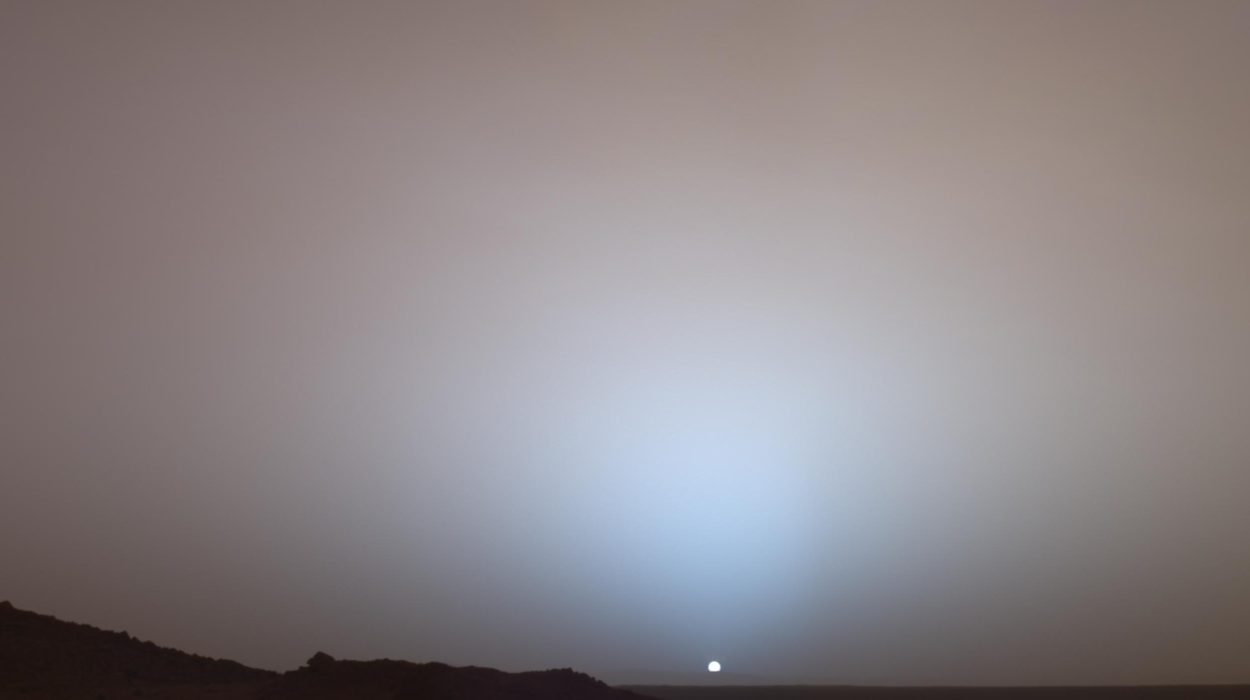
On Earth, the daytime sky appears blue because sunlight is scattered by molecules in our atmosphere. In space, there is essentially no atmosphere to scatter sunlight.
As a result, even though sunlight is extremely bright, the sky appears black when viewed from space.
Astronauts orbiting Earth can see the brilliantly illuminated Sun while the surrounding sky remains completely dark. Against this black background, stars become visible when they are not overwhelmed by the Sun’s intense light.
The Vastness of Outer Space
Perhaps the most astonishing characteristic of outer space is its immense size.
Earth may seem enormous to us, but compared with the universe, it is incredibly small.
The Moon orbits Earth at an average distance of about 384,400 kilometers.
The Sun is nearly 150 million kilometers away.
Light from the Sun takes about eight minutes to reach Earth.
The nearest star beyond the Sun, Proxima Centauri, is approximately 4.24 light-years away. A light-year is the distance light travels in one year—about 9.46 trillion kilometers (5.88 trillion miles).
Our galaxy, the Milky Way, spans roughly 100,000 light-years across.
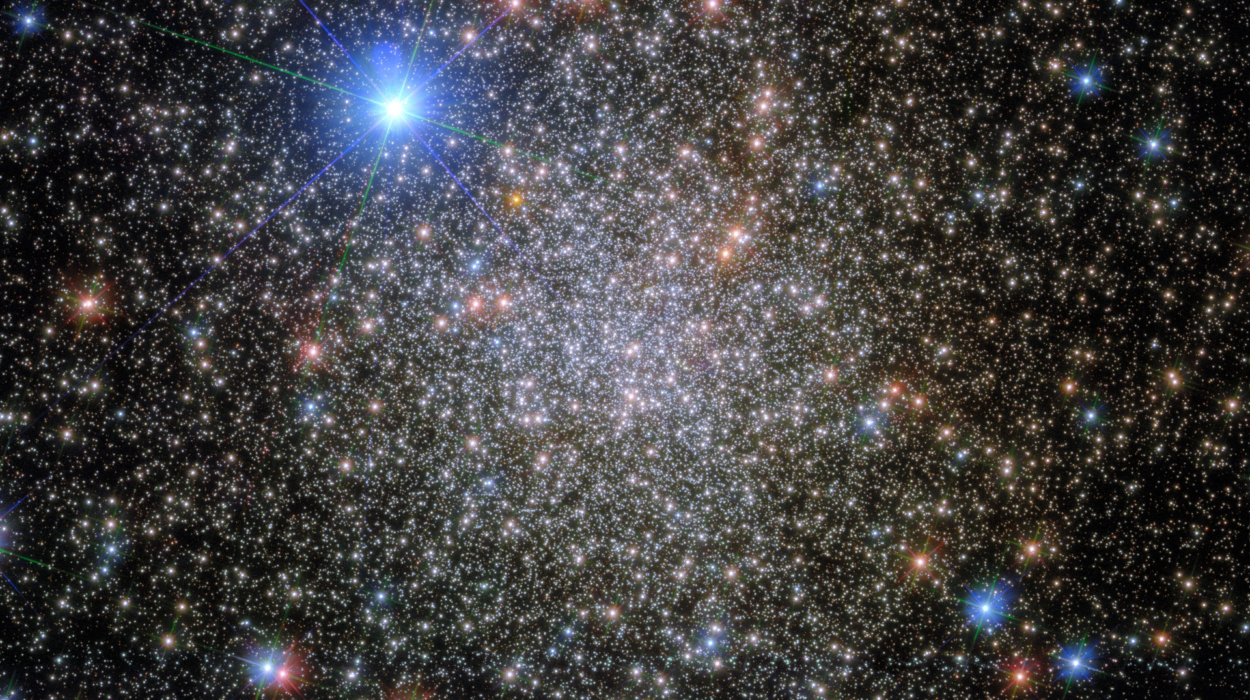
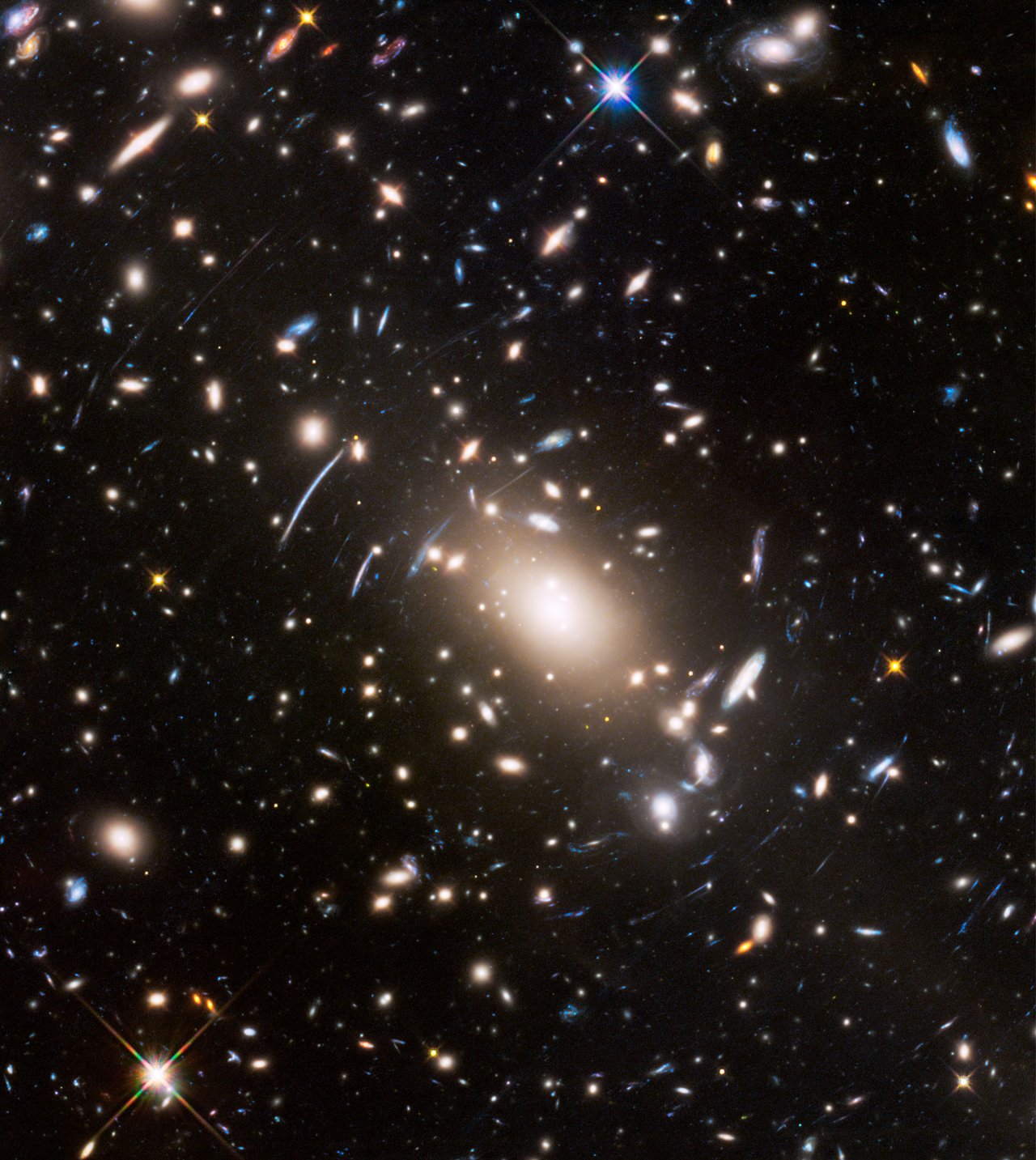
Beyond it lie hundreds of billions of other galaxies, each containing millions, billions, or even trillions of stars.
The observable universe extends for about 93 billion light-years in diameter, although the entire universe may be even larger.
These staggering distances reveal just how tiny our planet is within the cosmic landscape.
What Can Be Found in Outer Space?
Outer space contains an extraordinary variety of celestial objects.
Stars are giant spheres of hot plasma powered by nuclear fusion. Our Sun is one of them.
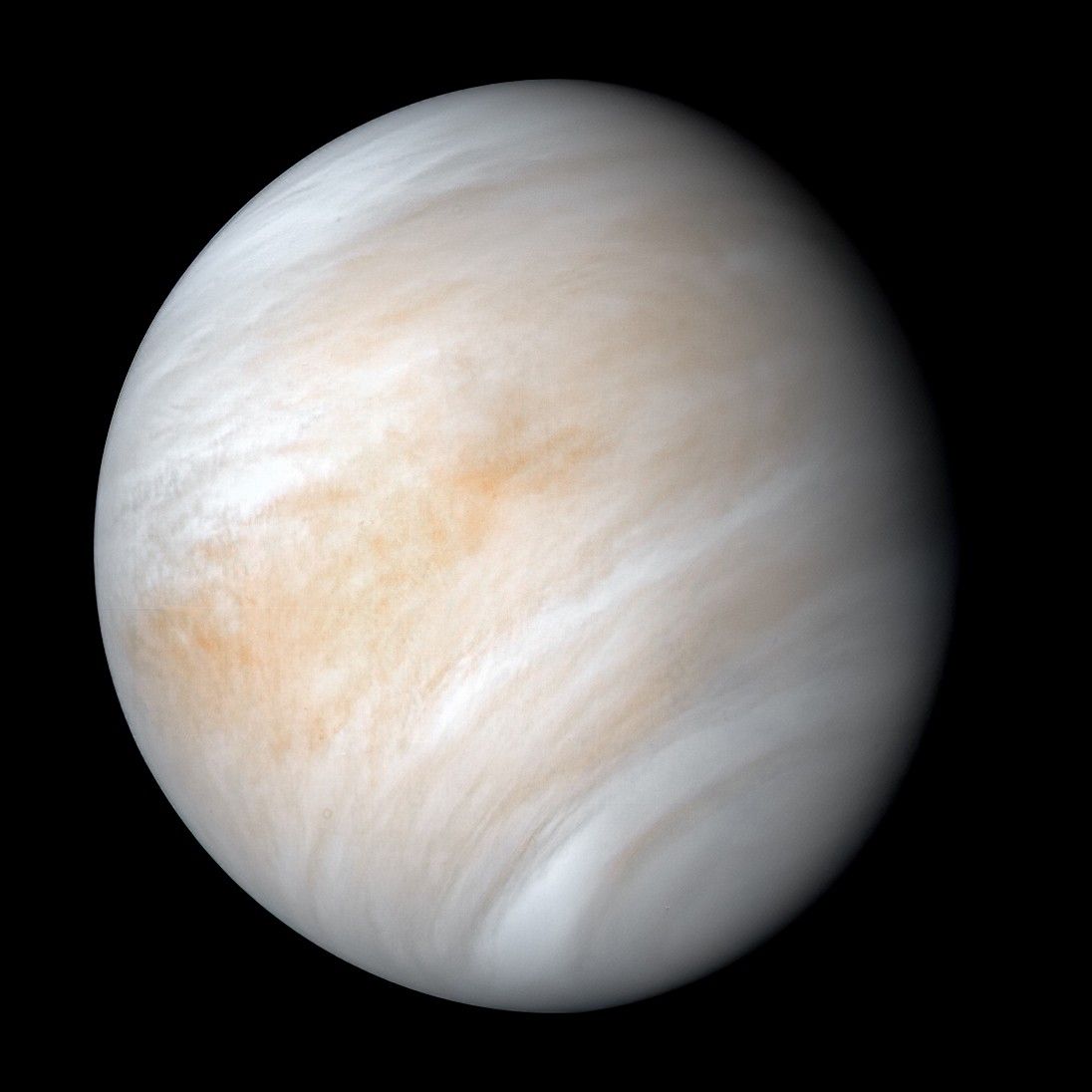
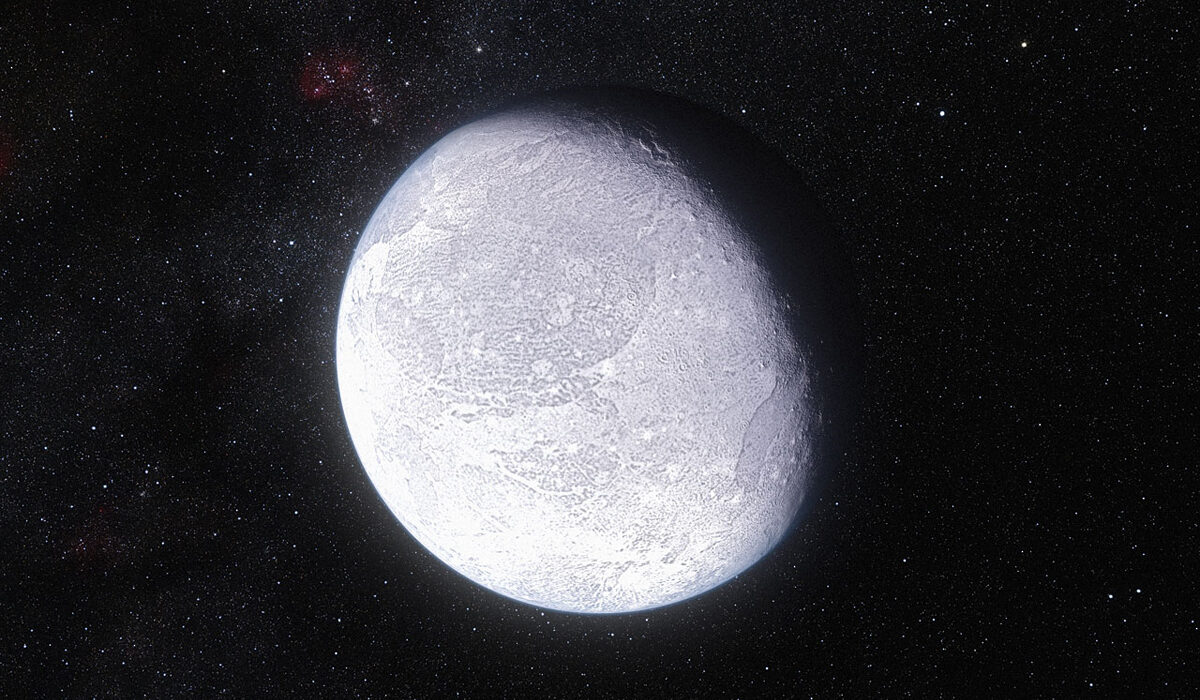
Planets orbit stars and vary enormously in size, composition, and temperature. Some are rocky like Earth, while others are gas giants or icy worlds.
Moons orbit planets, and many possess fascinating geological features, underground oceans, or active volcanoes.
Asteroids are rocky remnants from the early solar system.
Comets are icy bodies that develop glowing tails when they approach the Sun.
Nebulae are enormous clouds of gas and dust where stars are born or where dying stars leave behind beautiful remnants.
Galaxies are vast collections of stars, planets, gas, dust, dark matter, and black holes held together by gravity.
Black holes are regions where gravity becomes so strong that not even light can escape once it passes a boundary called the event horizon.
Each of these objects helps scientists understand how the universe formed and evolved.
The Solar System: Our Cosmic Neighborhood
Earth is part of the Solar System, which formed approximately 4.6 billion years ago from a giant cloud of gas and dust.
At its center is the Sun, containing more than 99% of the Solar System’s total mass.
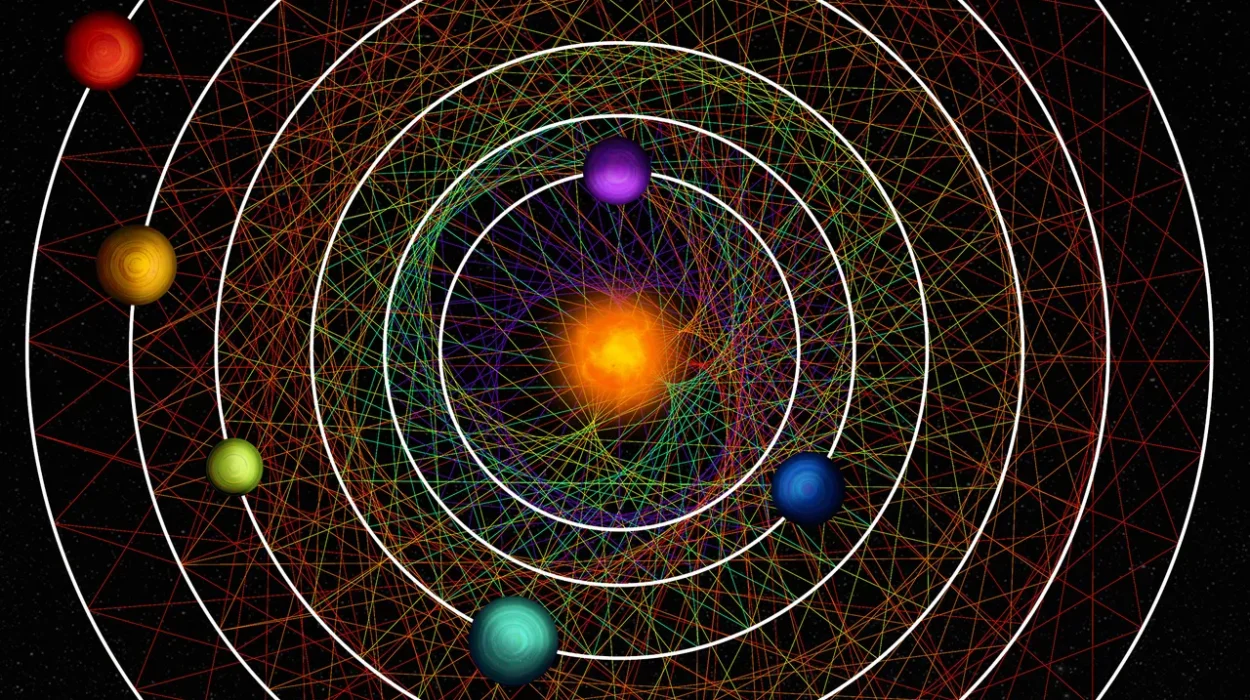
Eight planets orbit the Sun, along with dwarf planets, moons, asteroids, comets, and countless smaller objects.
Earth is currently the only known planet that supports life.
Studying neighboring planets such as Mars, Venus, and Jupiter provides valuable clues about planetary formation and the conditions necessary for life.
Beyond the Solar System
Once we move beyond the Solar System, we enter the realm of the Milky Way Galaxy.
The Milky Way contains hundreds of billions of stars, many of which have planetary systems of their own.
Astronomers have already discovered thousands of exoplanets—planets orbiting stars other than the Sun.
Some exoplanets lie within their stars’ habitable zones, where temperatures may allow liquid water to exist on the surface. Although no definitive evidence of extraterrestrial life has yet been found, these discoveries suggest that potentially habitable worlds may be common throughout the galaxy.
The Birth and Death of Stars
Outer space is constantly changing.
Stars are born inside cold clouds of gas and dust called molecular clouds. Gravity causes these clouds to collapse, eventually igniting nuclear fusion in their cores.
During most of their lives, stars convert hydrogen into helium, releasing enormous amounts of energy.
When stars exhaust their fuel, their futures depend largely on their mass.
Smaller stars eventually become white dwarfs.
More massive stars explode as spectacular supernovae, creating many of the heavier elements found throughout the universe.
The most massive stellar remnants may become neutron stars or black holes.
Remarkably, many of the atoms in our own bodies—including carbon, oxygen, calcium, and iron—were forged inside ancient stars that lived and died long before our Solar System existed.
In this sense, humans are literally made of stardust.
Gravity: The Architect of Space
Gravity shapes nearly everything in outer space.
It pulls planets into orbit around stars.
It holds moons around planets.
It binds galaxies together.
It causes giant clouds of gas to collapse into new stars.
It governs the motion of spacecraft throughout the Solar System.
Without gravity, the universe would look entirely different. Stars, planets, and galaxies would never have formed.
Gravity remains one of the most important forces determining the large-scale structure of the cosmos.
The Role of Light in Exploring Space
Since humans cannot travel to most places in the universe, nearly everything astronomers know about outer space comes from studying light.
Different wavelengths reveal different aspects of celestial objects.
Visible light shows stars and galaxies.
Infrared light reveals cool dust clouds where stars form.
Radio waves detect enormous gas clouds.
Ultraviolet light exposes extremely hot regions.
X-rays and gamma rays uncover violent events involving black holes, neutron stars, and exploding stars.
Modern telescopes combine observations across the electromagnetic spectrum to build detailed pictures of the universe.
Space Is Filled With Radiation
Outer space contains many forms of radiation.
The Sun continuously emits visible light, ultraviolet radiation, X-rays, and streams of charged particles known as the solar wind.
Beyond the Solar System, high-energy cosmic rays travel across the galaxy at nearly the speed of light.
Radiation presents one of the greatest challenges for long-duration human spaceflight because Earth’s atmosphere and magnetic field normally shield us from much of this energetic bombardment.
Spacecraft and future missions to Mars must include protective measures to reduce astronauts’ radiation exposure.
How Humans Explore Outer Space
Human curiosity has driven remarkable achievements in space exploration.
Artificial satellites orbit Earth, providing communication, navigation, weather forecasting, and scientific observations.
Space telescopes observe distant galaxies and the earliest stages of the universe.
Robotic spacecraft have visited every major planet in our Solar System.
Rovers continue exploring the surface of Mars.
Humans first reached the Moon in 1969, demonstrating that space exploration is possible through scientific knowledge, engineering, and international cooperation.
Today, astronauts conduct experiments aboard space stations while scientists prepare for future missions to the Moon and Mars.
Each mission expands our understanding of the universe.
Why Outer Space Matters
Studying outer space is not simply about satisfying curiosity.
Space science improves weather forecasting, climate monitoring, disaster response, telecommunications, navigation, agriculture, and national infrastructure through satellite technology.
Research conducted in space has contributed to advances in medicine, materials science, robotics, and computing.
Exploring other planets also helps scientists understand Earth’s climate, geology, and long-term future.
By studying the universe, we gain valuable insights into our own world.
The Mysteries That Remain
Although scientists have learned an extraordinary amount about outer space, many of its greatest mysteries remain unsolved.
Dark matter appears to make up much of the universe’s mass, yet it has never been directly detected.
Dark energy seems to drive the accelerating expansion of the universe, but its true nature is unknown.
The interiors of black holes remain beyond direct observation.
Scientists continue searching for evidence of life beyond Earth.
Questions about the universe’s ultimate origin and fate remain active areas of research.
Every new discovery often raises even more fascinating questions, ensuring that space exploration will continue for generations to come.
Why Outer Space Inspires Humanity
Outer space reminds us that curiosity is one of humanity’s greatest strengths. Every telescope pointed toward the heavens, every spacecraft launched into orbit, and every new image returned from distant worlds reflects our desire to understand the unknown.
When astronauts view Earth from space, they often describe seeing a beautiful blue planet without visible borders, floating in the vast darkness of the cosmos. This perspective highlights both the uniqueness and fragility of our home.
The universe is unimaginably large, yet it is governed by the same physical laws everywhere. The atoms in our bodies were forged in ancient stars, the light from distant galaxies has traveled for billions of years to reach our eyes, and every scientific discovery brings us one step closer to understanding the extraordinary universe we call home.
Conclusion
Outer space is the immense region beyond Earth’s atmosphere that contains stars, planets, galaxies, black holes, nebulae, and countless other celestial objects spread across unimaginable distances. Although it appears dark and nearly empty, it is a dynamic environment shaped by gravity, radiation, and the ongoing birth and death of stars.
Modern astronomy and space exploration have transformed our understanding of the cosmos, revealing a universe that is far larger, older, and more complex than previous generations could have imagined. Yet despite centuries of scientific progress, much of outer space remains unexplored, making it one of the greatest frontiers of human knowledge. As technology advances and new discoveries continue to emerge, outer space will remain a source of wonder, inspiration, and scientific discovery for generations to come.