For decades, passwords have been the gatekeepers of our digital lives. Every email account, social media profile, online bank, shopping website, and workplace application has traditionally relied on a username and password to verify our identity. At first, this seemed like a practical solution. But as our lives became increasingly connected to the internet, passwords gradually turned into one of the weakest links in cybersecurity.
Most people have dozens, if not hundreds, of online accounts. Remembering a unique, strong password for every service is nearly impossible. As a result, many people reuse passwords, choose simple combinations, or store them in insecure places. Cybercriminals have taken advantage of these habits, making stolen passwords one of the most common causes of data breaches and account takeovers.
In response to these growing challenges, cybersecurity experts have developed a new approach that removes the need for traditional passwords altogether. This approach is known as passwordless authentication.
Passwordless authentication is changing the way people access digital services. Instead of asking users to remember complex passwords, it verifies identity through something they already possess, something they are, or a secure cryptographic credential stored on a trusted device. It offers greater convenience while significantly improving security.
Understanding Passwordless Authentication
Passwordless authentication is a method of verifying a user’s identity without requiring them to enter a traditional password.
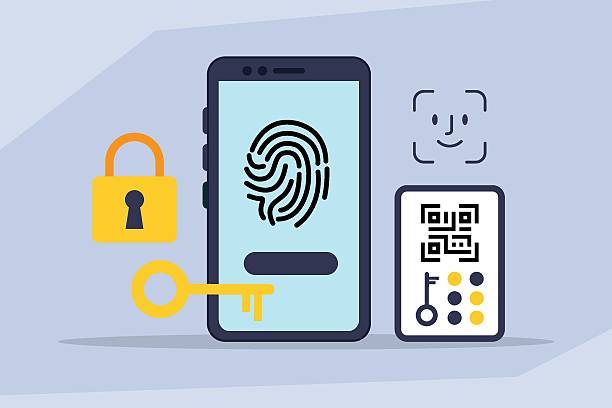
Instead of typing a secret word or phrase, users authenticate themselves using other secure methods. These methods may include biometric recognition such as a fingerprint or facial scan, a hardware security key, a smartphone approval notification, or a cryptographic passkey stored securely on a device.
The goal is simple: eliminate passwords while making authentication both easier for users and much harder for attackers to compromise.
Importantly, passwordless authentication does not mean that security is reduced. In most cases, it actually strengthens security because it removes many of the vulnerabilities associated with passwords.
Why Passwords Have Become a Security Problem
Passwords were once considered an effective way to protect digital accounts. However, today’s online environment presents challenges that passwords were never designed to handle.
People often create passwords that are easy to remember. Unfortunately, those same passwords are frequently easy for attackers to guess. Common words, birthdays, names, and simple number sequences remain widely used despite years of security advice.
Even when users create strong passwords, managing hundreds of unique credentials becomes difficult. Password reuse is extremely common. If one website suffers a data breach, attackers may try those stolen passwords on many other services, hoping users have reused the same credentials.
Cybercriminals also employ phishing attacks, tricking users into entering passwords on fake websites that closely resemble legitimate ones. Once a password is stolen, attackers may gain immediate access to sensitive accounts.
Other attacks involve malware that records keystrokes, brute-force attacks that systematically guess passwords, or credential stuffing attacks that test millions of leaked username-password combinations against online services.
Passwordless authentication was developed to eliminate many of these risks.
How Passwordless Authentication Works
Although different passwordless systems operate in different ways, the basic principle is the same: instead of proving your identity by remembering a secret, you prove it using a secure device or a biological characteristic.
When you attempt to sign in, the service requests authentication. Rather than asking for a password, your trusted device performs a secure verification process.
For example, your smartphone may ask you to unlock it with your fingerprint. Once your fingerprint is verified locally on the device, the phone uses secure cryptographic information to confirm your identity to the online service.
At no point is your fingerprint sent across the internet. Likewise, your actual biometric information is generally not stored by the website itself. Instead, secure mathematical processes verify that you are the authorized user.
This approach greatly reduces opportunities for attackers to steal login credentials.
The Role of Cryptography
One of the most important foundations of passwordless authentication is public-key cryptography.
Instead of storing passwords on servers, passwordless systems typically use a pair of cryptographic keys.
The first is a public key, which is stored by the website or online service.
The second is a private key, which remains securely stored on the user’s trusted device.
When you sign in, the website sends a cryptographic challenge. Your device uses the private key to create a mathematical response that proves your identity. The website verifies this response using the public key.
Because the private key never leaves your device, attackers cannot steal it simply by intercepting internet traffic.
This design provides significantly stronger protection than traditional password-based systems.
Biometrics in Passwordless Authentication
Many passwordless systems use biometrics because they are both convenient and secure.
Biometric authentication relies on unique physical characteristics that distinguish one individual from another.
Common examples include fingerprints, facial recognition, iris scans, and, in some systems, voice recognition.
When you place your finger on a sensor or look at your phone’s camera, your device compares the captured information with encrypted biometric data stored securely on the device itself.
If the match is successful, authentication proceeds.
It is important to understand that reputable passwordless systems generally do not transmit your fingerprint or facial image to the website. Instead, biometric verification happens locally on your own device.
This design helps protect user privacy while maintaining strong security.
Passkeys: The Future of Passwordless Sign-In
One of the most significant developments in passwordless authentication is the introduction of passkeys.
A passkey is a secure digital credential that replaces passwords entirely.
Passkeys are based on public-key cryptography and are often synchronized securely across a user’s trusted devices. When signing in, users simply unlock their phone, tablet, or computer using biometrics or a device PIN.
Behind the scenes, the passkey performs cryptographic authentication without requiring users to remember anything.
Unlike passwords, passkeys cannot easily be guessed, reused, or stolen through traditional phishing attacks because they work only with the legitimate website or application they were created for.
Many technology companies now support passkeys as a simpler and safer alternative to passwords.
Hardware Security Keys
Another form of passwordless authentication uses physical security keys.
These small devices connect through USB, NFC, or Bluetooth.
When logging into an account, users simply insert or tap the security key and confirm the authentication request.
The key performs cryptographic operations internally without exposing sensitive credentials.
Hardware security keys are widely regarded as one of the strongest defenses against phishing because they authenticate only with legitimate websites.
Even if attackers create convincing fake login pages, the security key will not authenticate with an impostor website.
Authentication Through Smartphones
Many passwordless systems rely on smartphones because they are devices people carry every day.
Instead of entering a password, users receive a secure notification asking them to approve the login.
After verifying their identity using a fingerprint, face scan, or device PIN, the phone securely confirms the login request.
This process is both fast and highly convenient.
Because authentication depends on possession of the trusted device as well as successful local verification, unauthorized access becomes much more difficult.
Passwordless Authentication Versus Traditional Passwords
Traditional passwords depend entirely on something the user knows.
Passwordless authentication usually depends on something the user possesses, something the user is, or a secure cryptographic credential protected by the device.
Passwords can be forgotten, guessed, reused, stolen, or intercepted through phishing.
Passwordless authentication largely removes these risks by eliminating shared secrets between users and websites.
Instead of trusting memory, passwordless systems trust secure cryptographic verification.
Passwordless Authentication Versus Multi-Factor Authentication
Passwordless authentication and multi-factor authentication are related concepts, but they are not identical.
Multi-factor authentication requires two or more independent forms of verification. For example, a user may enter a password and then approve a notification on a smartphone.
Passwordless authentication removes the password entirely.
Some passwordless systems still qualify as multi-factor authentication because they combine possession of a trusted device with biometric verification.
In other situations, passwordless authentication may involve only a single highly secure cryptographic factor.
The exact implementation depends on the security requirements of the organization.
Security Benefits of Passwordless Authentication
Passwordless authentication offers several important security advantages.
Because there are no passwords to steal, phishing attacks become much less effective.
Credential stuffing attacks are largely eliminated because there are no reusable passwords.
Brute-force attacks become impractical since there are no passwords to guess.
Users no longer need to remember complex passwords or change them frequently.
Organizations reduce the risk of password-related data breaches because authentication relies on cryptographic keys rather than stored password databases.
These improvements make passwordless authentication one of the most significant advances in modern cybersecurity.
User Experience Improvements
One reason passwordless authentication is becoming increasingly popular is its simplicity.
Many people struggle to remember passwords.
Forgotten passwords lead to account lockouts, customer frustration, and countless password reset requests.
Passwordless systems make logging in much faster.
Instead of typing lengthy passwords, users often authenticate with a quick fingerprint scan or facial recognition.
The experience feels almost effortless while maintaining high security.
This combination of convenience and protection explains why many organizations are rapidly adopting passwordless technologies.
Challenges of Passwordless Authentication
Although passwordless authentication offers many advantages, it is not without challenges.
Some users may be concerned about privacy when biometrics are involved. However, modern systems generally keep biometric information securely stored on the user’s own device rather than uploading it to online services.
Another challenge involves device dependence.
If a trusted device is lost, stolen, or damaged, users need secure recovery methods to regain access to their accounts.
Organizations must carefully design recovery procedures that maintain security while remaining practical for legitimate users.
Compatibility can also present challenges as older systems may require updates before supporting modern passwordless technologies.
Passwordless Authentication in Everyday Life
Many people already use passwordless authentication without realizing it.
Unlocking a smartphone with a fingerprint.
Using facial recognition to access a banking app.
Approving a login notification from a trusted mobile device.
Signing into a website using a passkey.
Using a hardware security key for a work account.
These everyday experiences demonstrate how naturally passwordless authentication can fit into daily life.
Passwordless Authentication in Businesses
Organizations increasingly recognize the value of passwordless authentication.
Employees no longer need to remember numerous corporate passwords.
Help desks receive fewer password reset requests.
Sensitive company information gains stronger protection against phishing attacks.
Businesses also benefit from reduced security risks, improved productivity, and lower administrative costs associated with password management.
Many organizations now view passwordless authentication as a key part of their long-term cybersecurity strategy.
Passwordless Authentication and Zero Trust Security
Modern cybersecurity increasingly follows a philosophy known as Zero Trust.
Rather than automatically trusting users inside a network, Zero Trust requires continuous verification.
Passwordless authentication fits naturally within this approach because every authentication event relies on strong cryptographic proof instead of easily stolen passwords.
Combined with device security, identity management, and continuous monitoring, passwordless authentication strengthens an organization’s overall security posture.
Is Passwordless Authentication Completely Risk-Free?
No security technology is completely immune to attack.
If a trusted device is stolen and not properly protected, attackers may attempt to gain access.
Some biometric systems can occasionally produce false matches or fail to recognize legitimate users under unusual conditions.
Social engineering attacks may still attempt to trick users into approving fraudulent login requests.
However, these risks are generally much smaller than those associated with traditional password-based authentication.
When implemented correctly, passwordless authentication substantially improves security compared with passwords alone.
The Future of Passwordless Authentication
The future of digital identity is moving steadily toward passwordless authentication.
As more websites, operating systems, financial institutions, and online services adopt passkeys and other passwordless technologies, users are likely to rely less on traditional passwords.
Advances in cryptography, secure hardware, biometric sensors, and authentication standards continue to strengthen these systems while making them easier to use.
The long-term vision is an internet where users no longer need to remember dozens of complicated passwords, yet enjoy stronger protection against cybercrime than ever before.
Conclusion
Passwordless authentication represents a major evolution in digital security. By replacing traditional passwords with secure cryptographic credentials, trusted devices, biometrics, and passkeys, it addresses many of the weaknesses that have troubled online authentication for decades.
Rather than depending on secrets that can be forgotten, guessed, reused, or stolen, passwordless systems verify identity through stronger and more reliable methods. They simplify the user experience while making phishing, credential theft, and many common cyberattacks significantly more difficult.
As technology continues to evolve, passwordless authentication is becoming more than just an alternative to passwords—it is emerging as the foundation of the next generation of secure digital identity. In a world where our personal, financial, and professional lives increasingly exist online, this shift promises a future that is not only more convenient but also substantially more secure.