Imagine if living cells could be programmed much like computers. Imagine bacteria that produce life-saving medicines, yeast that creates sustainable fuels, or plants engineered to withstand drought while using fewer resources. This may sound like science fiction, but it is already becoming reality through a rapidly growing field known as synthetic biology.
Synthetic biology is one of the most exciting areas of modern science because it combines biology with engineering, chemistry, computer science, mathematics, and genetics. Rather than simply studying how living organisms work, synthetic biology aims to design, build, or redesign biological systems so they can perform useful tasks.
From developing new medicines and sustainable materials to cleaning polluted environments and improving food production, synthetic biology has the potential to reshape many aspects of human life. At the same time, it raises important ethical, environmental, and safety questions that scientists, governments, and society continue to explore.
Understanding synthetic biology begins with understanding one simple idea: living organisms follow biological instructions, and in many cases, those instructions can be studied, modified, and carefully redesigned.
Understanding Synthetic Biology
Synthetic biology is a branch of science that combines the principles of biology and engineering to design and construct new biological systems or modify existing ones for specific purposes.
Traditional biology focuses on observing and understanding life as it naturally exists. Synthetic biology goes one step further. It asks whether biological systems can be intentionally designed to perform new functions.
Scientists working in synthetic biology often compare cells to tiny factories. Every cell contains machinery that reads genetic instructions, produces proteins, generates energy, and responds to its environment. By changing or adding genetic instructions, researchers can sometimes guide cells to produce valuable substances or carry out specific tasks.
The goal is not to create entirely new forms of life from nothing. Instead, synthetic biology usually involves modifying existing organisms or combining biological components in new and carefully designed ways.
The Origins of Synthetic Biology
Although the term “synthetic biology” became widely used during the early twenty-first century, its scientific foundations were built over many decades.
The discovery of the structure of DNA in 1953 transformed biology by revealing how genetic information is stored. Later advances allowed scientists to identify genes, copy DNA, and move genes between organisms.
The development of genetic engineering during the 1970s made it possible to modify the DNA of living organisms. This was a major scientific milestone.
As biology advanced, researchers began thinking like engineers. Instead of modifying one gene at a time, they explored whether biological systems could be designed using standardized biological parts that could work together predictably.
This engineering approach eventually became known as synthetic biology.
Today, advances in DNA sequencing, DNA synthesis, powerful computers, artificial intelligence, and laboratory automation continue to accelerate progress in the field.
What Makes Synthetic Biology Different from Genetic Engineering?
People often confuse synthetic biology with genetic engineering because both involve changing DNA. However, they are not exactly the same.
Genetic engineering usually focuses on modifying one or a few genes to give an organism a desired characteristic. For example, inserting a gene into a crop to help it resist certain insects is an example of genetic engineering.
Synthetic biology often takes a broader engineering approach. Instead of changing only one gene, scientists may design entire biological pathways or networks involving many genes working together. In some cases, researchers may even build long stretches of DNA from chemically synthesized building blocks and insert them into cells.
In other words, genetic engineering is an important tool used within synthetic biology, but synthetic biology often involves designing more complex biological systems.
DNA: The Blueprint of Life
To understand synthetic biology, it helps to understand DNA.
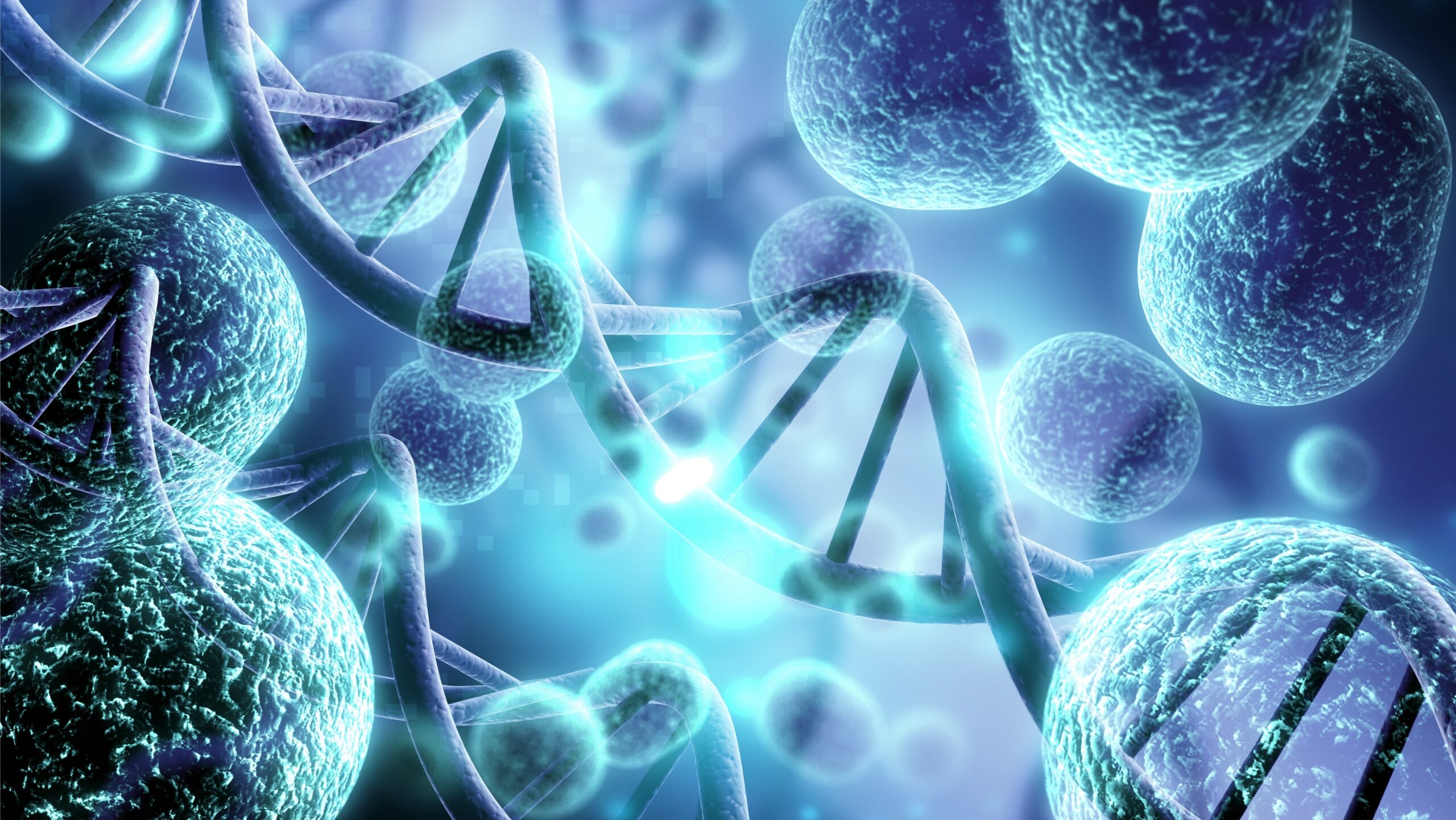
DNA, or deoxyribonucleic acid, carries the genetic instructions needed for growth, development, and reproduction in nearly all living organisms.
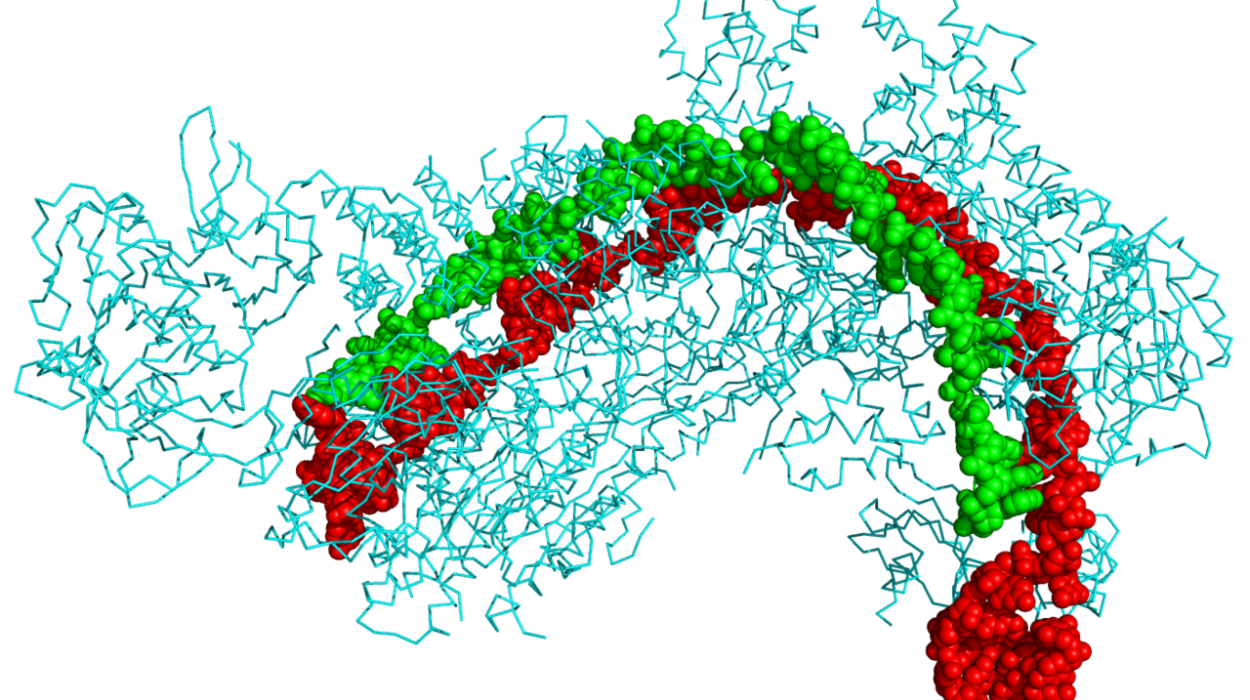
DNA is made of four chemical building blocks known as nucleotides. Their sequence stores biological information much like letters form words and sentences.
Specific sections of DNA are called genes. Genes contain instructions for making proteins, which perform most of the essential work inside cells.
Synthetic biologists study these instructions carefully. By modifying existing genes or creating new DNA sequences, they can influence how cells behave.
Cells as Tiny Biological Factories
Every living cell performs thousands of chemical reactions every second.
Cells produce proteins.
They generate energy.
They repair damage.
They communicate with other cells.
They respond to changes in their environment.
Synthetic biology views these natural processes as systems that can sometimes be redesigned.
For example, if a bacterium naturally produces one chemical, scientists may adjust its genetic instructions so it produces a different useful compound instead.
The cell continues using its natural machinery, but its instructions have been modified to achieve a new goal.
Building with Biological Parts
Engineers build machines from standardized components such as gears, circuits, and motors.
Similarly, synthetic biology often works with biological components that perform specific functions.
These components may include promoters that control when genes are turned on, genes that produce proteins, regulatory sequences that adjust gene activity, and molecular switches that respond to environmental signals.
By combining these parts in different ways, researchers design biological systems capable of performing useful tasks.
Although biology is far more complex than mechanical engineering, this systematic approach has become one of the defining features of synthetic biology.
Designing New Biological Functions
One of the remarkable goals of synthetic biology is enabling organisms to perform functions they do not naturally carry out.
Scientists may design microorganisms that manufacture medicines more efficiently.
Others may engineer bacteria that detect harmful chemicals in water.
Some researchers develop yeast capable of producing fragrances, food ingredients, or industrial chemicals.
In each case, the organism follows carefully designed genetic instructions created by scientists.
The organism remains alive, but its biological capabilities have been expanded or redirected.
Synthetic DNA
Modern technology allows scientists to chemically synthesize DNA rather than copying it from existing organisms.
Instead of extracting DNA from nature, researchers can order specific DNA sequences that are chemically assembled in specialized laboratories.
This ability greatly expands scientific possibilities.
Scientists can create entirely new combinations of genetic instructions, test different designs, and study how biological systems function.
However, synthesized DNA must still follow the principles of biology. Living cells cannot perform impossible tasks simply because scientists design new DNA.
Biological systems remain governed by the laws of chemistry, genetics, and evolution.
The Role of Computer Science
Synthetic biology increasingly relies on computers.
Scientists use computer software to design DNA sequences, predict protein structures, analyze genetic data, and simulate biological systems before performing laboratory experiments.
Artificial intelligence has become an important tool for predicting how biological molecules interact.
Instead of relying solely on trial and error, researchers can use computational models to guide experiments more efficiently.
This combination of biology and computing continues to accelerate scientific discovery.
Synthetic Biology in Medicine
Medicine is one of the most promising applications of synthetic biology.
Researchers are developing new ways to produce vaccines, therapeutic proteins, and other medicines using engineered microorganisms.
Some bacteria and yeast already manufacture important medical products through carefully designed biological processes.
Scientists are also exploring engineered immune cells that can better recognize certain cancer cells, though these therapies involve complex medical research and are not suitable for every patient or disease.
Synthetic biology may also improve the speed at which vaccines can be developed in response to emerging infectious diseases.
Although many advances remain under investigation, the field continues to expand rapidly.
Producing Medicines with Microorganisms
For centuries, humans have relied on microorganisms without fully understanding them.
Today, synthetic biology allows scientists to guide microorganisms more precisely.
Engineered bacteria, yeast, and other microorganisms can produce proteins, enzymes, vitamins, and pharmaceutical ingredients in carefully controlled environments.
These biological manufacturing systems can sometimes reduce costs, improve efficiency, and make medicines more widely available.
Because microorganisms reproduce rapidly, they can serve as effective biological production platforms.
Synthetic Biology and Agriculture
Agriculture faces enormous challenges.
Climate change, population growth, water shortages, plant diseases, and declining soil quality all threaten food production.
Synthetic biology offers possible solutions.
Researchers are studying crops that tolerate drought, resist certain diseases, or use nutrients more efficiently.
Scientists are also investigating ways to reduce the need for chemical fertilizers and pesticides through improved biological systems.
These technologies remain carefully regulated in many countries, and researchers continue evaluating their safety and effectiveness.
Sustainable Food Production
Synthetic biology may help create more sustainable food systems.
Scientists are developing microorganisms that produce food ingredients such as proteins, vitamins, and natural flavor compounds.
Some companies are exploring ways to produce animal proteins using microorganisms rather than raising livestock.
Others investigate plant-based alternatives whose nutritional qualities can be enhanced through biotechnology.
These approaches aim to reduce environmental impacts while meeting growing global food demands.
Renewable Energy and Biofuels
Modern society depends heavily on fossil fuels.
Synthetic biology offers opportunities to develop renewable alternatives.
Engineered microorganisms can convert plant materials into biofuels or produce chemicals that may replace some petroleum-based products.
Researchers continue improving these biological systems to increase efficiency and reduce production costs.
Although biofuels alone cannot solve global energy challenges, they may contribute to a broader transition toward sustainable energy sources.
Cleaning the Environment
Nature already contains microorganisms capable of breaking down certain pollutants.
Synthetic biology seeks to improve these natural abilities.
Scientists are studying bacteria that can help remove toxic substances from contaminated soil and water.
Other engineered microorganisms may assist in breaking down specific industrial chemicals under controlled conditions.
Researchers are also exploring biological approaches to capturing carbon dioxide and reducing greenhouse gas emissions, although many of these technologies remain under active development.
Environmental applications require careful evaluation to ensure safety and avoid unintended ecological effects.
Synthetic Biology and Climate Change
Climate change presents one of humanity’s greatest scientific and environmental challenges.
Synthetic biology may contribute to solutions by supporting cleaner manufacturing, sustainable agriculture, renewable fuels, and improved carbon management.
Scientists are investigating ways to engineer microorganisms and plants that absorb carbon more efficiently or produce valuable products using fewer natural resources.
While synthetic biology alone cannot solve climate change, it may become one important part of a larger scientific and technological response.
Engineering Living Sensors
One fascinating area of synthetic biology involves biological sensors.
Scientists can engineer cells that respond to particular chemicals, toxins, or environmental conditions.
When these cells detect a specific substance, they may produce a visible signal, emit light, or activate another measurable response.
Such living sensors could one day assist with environmental monitoring, food safety, or medical diagnostics.
Many of these technologies remain under development, but they demonstrate the creative possibilities of biological engineering.
Minimal Cells
Some researchers investigate one of biology’s most fundamental questions.
What is the smallest collection of genes required for life?
To answer this, scientists have developed cells containing only the genes necessary for basic survival under laboratory conditions.
These simplified organisms help researchers understand the essential functions required for life.
They also provide useful platforms for testing new biological designs.
Minimal cells do not represent new species in nature. Instead, they are carefully constructed research tools used under controlled laboratory conditions.
Synthetic Biology and Artificial Intelligence
Artificial intelligence has become increasingly valuable in synthetic biology.
AI systems analyze enormous biological datasets far more quickly than humans alone.
Machine learning can help predict how proteins fold, identify useful genetic patterns, and optimize experimental designs.
By combining AI with laboratory automation, scientists can test biological ideas more rapidly than ever before.
This partnership between biology and artificial intelligence is expected to become even more important in the coming decades.
Safety in Synthetic Biology
Because synthetic biology involves modifying living organisms, safety is a central concern.
Researchers follow strict laboratory procedures designed to protect both scientists and the environment.
Many experiments occur within specialized containment facilities.
Engineered organisms are often designed so they cannot easily survive outside controlled laboratory conditions.
Before new technologies are released for practical use, they typically undergo extensive testing and regulatory review.
Scientific organizations, governments, and research institutions continue developing guidelines that promote responsible research.
Ethical Questions
Synthetic biology raises important ethical questions alongside its scientific opportunities.
How should society regulate engineered organisms?
Who should have access to these technologies?
How can benefits be shared fairly across different countries?
How can researchers reduce risks while encouraging innovation?
Scientists, ethicists, policymakers, and the public continue discussing these issues.
Responsible research requires openness, careful oversight, and ongoing public engagement.
Challenges Facing Synthetic Biology
Although synthetic biology has advanced rapidly, it remains a challenging field.
Living systems are extraordinarily complex.
Genes interact with one another in ways that scientists do not always fully understand.
Small genetic changes can sometimes produce unexpected results.
Cells evolve over time, which may alter engineered biological systems.
Researchers must therefore carefully test, monitor, and improve their designs.
Scientific progress often requires patience, repeated experimentation, and continual refinement.
The Future of Synthetic Biology
The future of synthetic biology is filled with possibility.
Researchers hope to develop more effective medicines, cleaner industrial processes, environmentally friendly materials, sustainable food production, and innovative medical treatments.
Advances in DNA synthesis, genome editing, artificial intelligence, robotics, and computational biology are making biological engineering increasingly precise.
Future discoveries may allow scientists to solve problems that seem difficult today while opening entirely new areas of research.
At the same time, every advance must be guided by careful scientific evidence, thoughtful regulation, and responsible decision-making.
Why Synthetic Biology Matters
Synthetic biology represents a remarkable step forward in humanity’s understanding of life. Instead of only observing nature, scientists are learning how to carefully design biological systems that can address some of the world’s most pressing challenges. From medicine and agriculture to clean energy and environmental protection, its potential applications span nearly every aspect of modern society.
Yet synthetic biology is not about replacing nature. It is about learning from nature’s extraordinary complexity and applying that knowledge responsibly. Every engineered cell, every designed DNA sequence, and every new biological system is built upon billions of years of evolution and decades of scientific discovery.
As research continues, synthetic biology will likely become an increasingly important part of science, technology, and industry. Its greatest achievements will depend not only on innovation but also on rigorous testing, ethical responsibility, international cooperation, and a deep respect for the living world. By combining creativity with scientific precision, synthetic biology offers a powerful example of how human curiosity can expand our understanding of life while helping address the challenges of the future.