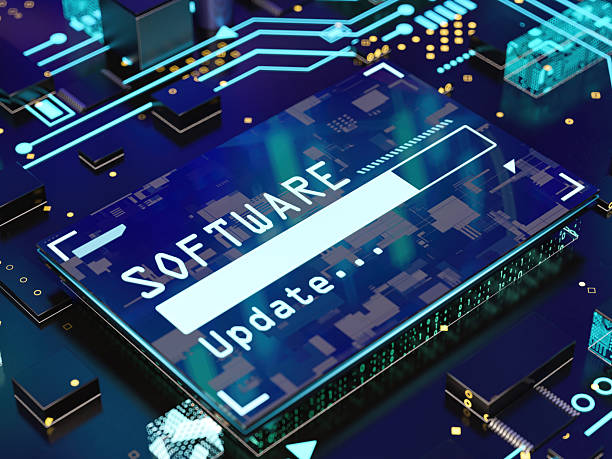
Every time your phone, laptop, tablet, smart TV, or favorite app asks you to install an update, it can feel like an interruption. Perhaps you’re busy, your battery is low, or you simply don’t want to wait for a restart. Many people click “Remind Me Later” without giving it a second thought.
But behind that simple notification is something far more important than new features or a refreshed design. Software updates are one of the strongest defenses against cybercriminals. They close security gaps, fix dangerous bugs, improve device stability, and help protect your personal information from being stolen.
In today’s digital world, where millions of cyberattacks occur every day, keeping software up to date is one of the easiest and most effective ways to stay safe online. Whether you use your device for work, school, banking, shopping, or chatting with friends, software updates play a critical role in protecting your digital life.
What Is a Software Update?
A software update is a new version of a program, operating system, or application released by its developers. Updates are designed to improve the software after it has already been installed on a device.
Some updates introduce new features or improve performance. Others fix bugs that cause crashes or unexpected behavior. However, one of the most important purposes of software updates is to repair security weaknesses that attackers could exploit.
Software updates are released for operating systems like Windows, macOS, Android, iOS, and Linux, as well as for web browsers, antivirus programs, games, business software, smart home devices, and even internet-connected cars.
No software is perfect. Even the most carefully designed programs can contain flaws that only become apparent after millions of people begin using them. Updates allow developers to correct these problems without requiring users to purchase entirely new software.
Understanding Security Vulnerabilities
Every piece of software is built from millions of lines of computer code. Because software is incredibly complex, small mistakes can sometimes remain hidden during development.
These mistakes are known as vulnerabilities. A vulnerability is a weakness in software that could allow someone to perform actions the software was never intended to permit.
Some vulnerabilities are harmless, while others are serious enough to let attackers steal passwords, install malware, spy on users, or take complete control of a device.
Importantly, vulnerabilities are not always caused by poor programming. As software becomes more advanced and interacts with new technologies, previously unknown weaknesses can emerge. Cybersecurity researchers, software developers, and even independent experts continually search for these flaws so they can be fixed before criminals exploit them.
How Cybercriminals Exploit Old Software
Cybercriminals are constantly searching for vulnerable devices connected to the internet. Instead of attacking every computer individually, they often use automated tools that scan millions of devices looking for software with known security flaws.
If your device has not been updated, it may still contain vulnerabilities that attackers already know how to exploit.
Once attackers gain access, they may install ransomware, steal personal files, monitor online activity, capture passwords, or use your device as part of a larger cyberattack.
Many successful cyberattacks occur not because hackers discover new weaknesses, but because victims continue using outdated software long after security fixes have been released.
In many cases, criminals simply wait for software companies to publish an update. By analyzing the update, they can sometimes determine what vulnerability was fixed. They then target users who have not yet installed the patch.
The Role of Security Patches
A security patch is a software update specifically created to fix a security vulnerability.
Think of software as a house. If a window is discovered to be broken, repairing it quickly prevents burglars from entering. A security patch works in much the same way. It seals the opening before attackers can take advantage of it.
Some security patches fix only one vulnerability, while others repair dozens or even hundreds of weaknesses at the same time.
Installing these patches promptly significantly reduces the chances of becoming a victim of cybercrime.
Why Even Popular Software Needs Updates
Some people assume that widely used software is completely secure because millions of people use it every day.
In reality, the opposite is often true.
Popular operating systems, browsers, messaging apps, and productivity software are attractive targets for attackers precisely because they are so widely installed.
A newly discovered vulnerability in a popular program can potentially affect hundreds of millions of users worldwide.
Software companies invest enormous resources into finding and fixing these issues as quickly as possible. Frequent updates are often a sign that developers are actively maintaining and improving the software rather than ignoring security problems.
Software Updates Protect Personal Information
Modern devices store an incredible amount of personal information.
Emails, photos, banking information, passwords, work documents, health records, contacts, and private conversations may all be stored on a single smartphone or computer.
If attackers gain access through an unpatched vulnerability, much of this information could be exposed.
Software updates help protect sensitive data by closing security gaps before criminals can exploit them.
While no security measure can eliminate every risk, regularly updating software greatly reduces the likelihood of unauthorized access.
Updates Help Defend Against Malware
Malware is software designed to harm devices or steal information.
Viruses, worms, spyware, ransomware, trojans, and certain forms of adware all fall into this category.
Many malware infections begin by exploiting known software vulnerabilities.
When developers release security updates, they often eliminate the weaknesses that malware relies upon.
As a result, installing updates makes it much more difficult for malicious software to infect your device.
Antivirus software provides an additional layer of protection, but it cannot replace security updates. Both work together to improve overall cybersecurity.
Protecting Your Internet Browser
Your web browser is one of the most frequently targeted applications on any device.
Every website you visit interacts with your browser, making it an important line of defense.
Modern browsers regularly receive security updates that fix vulnerabilities discovered by researchers around the world.
These updates also improve protections against malicious websites, dangerous downloads, phishing attacks, and fraudulent online advertisements.
Using an outdated browser increases the risk of encountering attacks that newer versions have already addressed.
Operating System Updates Are Especially Important
The operating system controls nearly everything your device does.
It manages memory, files, applications, hardware, networking, and security permissions.
Because the operating system sits at the center of the device, vulnerabilities within it can have particularly serious consequences.
Operating system updates often include improvements to memory protection, encryption, authentication, network security, and system stability.
Ignoring these updates can leave the entire device exposed, even if individual apps remain current.
Mobile Devices Need Updates Too
Many people think smartphones are naturally safer than computers.
While smartphones include strong security features, they are still vulnerable to software flaws.
Mobile devices contain valuable personal information, making them attractive targets for cybercriminals.
Updates for Android and iPhone devices often fix vulnerabilities that could allow unauthorized access, improve privacy protections, strengthen app permissions, and enhance device security.
Since smartphones are used for banking, shopping, messaging, navigation, and digital payments, keeping them updated is just as important as updating a computer.
Smart Devices Also Require Security Updates
The modern home contains far more internet-connected devices than many people realize.
Smart speakers, security cameras, smart TVs, thermostats, doorbells, baby monitors, fitness trackers, gaming consoles, and even refrigerators often run software that receives updates.
Like computers, these devices can contain security vulnerabilities.
If left unpatched, they may become targets for attackers or even be recruited into large networks of compromised devices known as botnets.
Regular firmware and software updates help protect these devices from evolving threats.
Why Updates Sometimes Require Restarts
Many security updates modify core system components that remain active while the device is running.
Restarting allows the operating system to replace these components safely.
Although restarting may seem inconvenient, it ensures that important security improvements are fully installed.
Until the restart is completed, some protections may not become active.
Automatic Updates Improve Security
Most modern devices offer automatic updates.
When enabled, software downloads and installs important security fixes without requiring constant attention from the user.
Automatic updates help reduce the period during which a device remains vulnerable after a security patch becomes available.
For many people, leaving automatic updates enabled is one of the simplest ways to maintain good cybersecurity.
However, it is still wise to restart devices when requested so updates can finish installing properly.
Software Updates Improve More Than Security
Although security is one of the primary reasons for software updates, developers often improve many other aspects as well.
Updates can increase speed, reduce battery consumption, improve compatibility with new hardware, fix application crashes, enhance accessibility, and introduce useful new features.
These improvements contribute to a better overall user experience while simultaneously making devices more secure.
Why Delaying Updates Can Be Risky
It is understandable to postpone an update while working on an important project or traveling.
However, delaying updates for weeks or months increases the amount of time your device remains exposed to known vulnerabilities.
Once security researchers publicly disclose a flaw, attackers often begin creating tools to exploit it.
The longer a device remains unpatched, the greater the chance that it could become a target.
Installing updates promptly reduces this window of exposure.
The Connection Between Responsible Disclosure and Updates
Many cybersecurity researchers spend their careers searching for software vulnerabilities.
When they discover a flaw, responsible researchers usually report it privately to the software developer rather than revealing it immediately to the public.
This process, known as responsible disclosure, gives developers time to create and distribute a security update before attackers learn about the vulnerability.
Once users install the update, researchers may later publish technical details so the broader cybersecurity community can learn from the discovery.
This collaborative process helps improve software security across the industry.
Common Myths About Software Updates
Some people believe updates only add unnecessary features or slow down devices.
In reality, many updates exist specifically to protect users from newly discovered threats.
Another common misconception is that antivirus software alone provides sufficient protection.
Antivirus programs are valuable, but they cannot repair flaws inside the operating system or applications themselves. Security updates address these weaknesses directly.
Some users also believe that older devices are not worth updating. In fact, any device that still receives official security updates should generally be kept current, regardless of its age.
How Software Developers Respond to New Threats
Cybersecurity is an ongoing process rather than a one-time achievement.
As technology evolves, attackers develop new techniques for discovering vulnerabilities.
Software developers continuously monitor reports from researchers, customers, and automated security testing systems. When weaknesses are identified, engineers investigate the problem, develop a fix, thoroughly test it, and release an update.
This cycle repeats constantly because new software, new hardware, and new online services create new security challenges over time.
Regular updates are the practical result of this continuous effort to improve digital safety.
Good Security Requires More Than Updates
Although software updates are essential, they are only one part of a strong cybersecurity strategy.
Using unique passwords, enabling multi-factor authentication, recognizing phishing attempts, backing up important files, downloading software only from trusted sources, and practicing safe browsing habits all contribute to better security.
Together, these measures create multiple layers of protection that make successful attacks far more difficult.
The Future of Software Security
Software security continues to improve through advances in artificial intelligence, automated vulnerability detection, secure software development practices, hardware-based protection, and stronger encryption.
Future updates may become even faster, smaller, and more intelligent, allowing devices to respond automatically to newly discovered threats with minimal disruption.
At the same time, cybercriminals continue developing increasingly sophisticated attack methods.
This ongoing competition means software updates will remain one of the most important tools for protecting digital systems for years to come.
Keeping Your Digital Life Safe
Every software update represents countless hours of work by engineers, cybersecurity experts, testers, and researchers dedicated to making technology safer and more reliable.
While update notifications may sometimes seem inconvenient, they often contain critical protections against threats that users never see. A few minutes spent installing an update can help prevent stolen data, malware infections, financial loss, or identity theft.
In a world where nearly every aspect of life depends on connected technology, keeping software up to date is not simply routine maintenance—it is one of the simplest, smartest, and most effective ways to protect your devices, your privacy, and your digital future.