On a clear night, there is something magical about looking up at the sky. Thousands of tiny points of light sparkle overhead, seeming to dance and flicker against the darkness. For thousands of years, people have admired this beautiful sight. Ancient civilizations created stories and myths to explain why the stars appeared to shimmer, while poets and artists celebrated their mysterious glow.
But the real explanation is even more fascinating than the legends.
Surprisingly, stars themselves are not actually twinkling. The sparkling effect we see from Earth is caused by our own planet’s atmosphere. The same air that allows us to breathe also changes the path of starlight before it reaches our eyes, creating one of the most beautiful illusions in nature.
Understanding why stars twinkle not only reveals an everyday scientific wonder but also opens a window into how light travels across the vast universe.
What Does “Twinkling” Really Mean?
When we say that a star twinkles, we mean that its brightness appears to change rapidly. Sometimes it seems brighter, then dimmer. At the same time, it may appear to shift slightly in position or even flash with different colors.
This constant flickering is called stellar scintillation.
The important thing to remember is that the star itself is usually shining steadily. The changes happen during the final fraction of a second of the star’s incredibly long journey to Earth.
Imagine receiving a perfectly straight beam of light that suddenly passes through a piece of moving, uneven glass. The beam would appear to wobble and change direction. Earth’s atmosphere acts in a similar way.
The Incredible Journey of Starlight
Before understanding twinkling, it helps to appreciate just how far starlight travels.
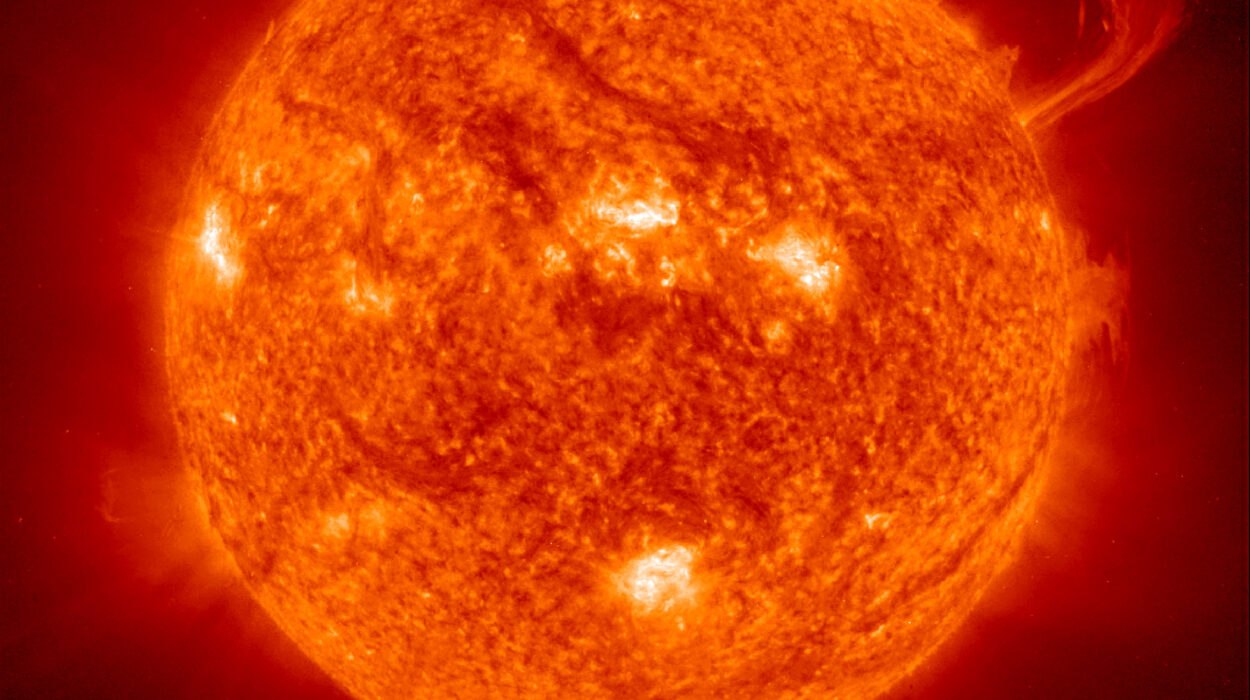
The Sun, our nearest star, is about 150 million kilometers (93 million miles) away. Its light takes about eight minutes to reach Earth.
The next closest star, Proxima Centauri, is more than four light-years away. That means its light travels for over four years before reaching us.
Many stars visible in the night sky are hundreds or even thousands of light-years away. Their light has crossed enormous distances through the nearly empty vacuum of space.
For almost its entire journey, the light travels in a straight line without disturbance.
Only during the final few dozen kilometers—when it enters Earth’s atmosphere—does the light begin to wobble.
That tiny part of the journey creates the beautiful twinkling we enjoy every night.
Earth’s Atmosphere Is Never Still
Although the sky may look calm, Earth’s atmosphere is constantly moving.
Warm air rises.
Cool air sinks.
Winds blow at different speeds and directions.
Tiny pockets of air have different temperatures, densities, and pressures.
These constantly shifting layers make the atmosphere anything but uniform.
Light travels at slightly different speeds through air of different densities.
As starlight passes through these moving layers, it bends slightly over and over again. This bending of light is called refraction.
Since the atmosphere is always changing, the amount of bending changes from moment to moment.
As a result, the star appears to flicker.
How Refraction Makes Stars Sparkle
Refraction happens whenever light moves between materials with different optical properties.
You can observe refraction by placing a straw into a glass of water. The straw appears bent because light changes direction as it moves between water and air.
Earth’s atmosphere acts similarly.
Instead of being made of one uniform layer, it contains countless moving pockets of air with slightly different temperatures.
Each pocket bends the incoming starlight by a tiny amount.
By the time the light reaches your eyes, its path has changed many times.
Your brain interprets these rapid changes as twinkling.
Why Stars Look Like Tiny Points
One reason stars twinkle so noticeably is that they are incredibly far away.
Even the largest stars appear as tiny points of light in the night sky.
Because each star occupies such a tiny angle in the sky, even a very small atmospheric disturbance can shift its apparent position.
This causes noticeable changes in brightness.
If all the light from a star is momentarily bent toward your eyes, the star appears brighter.
If some of the light is bent away, the star appears dimmer.
These changes happen many times every second.
The result is the sparkling effect we call twinkling.
Why Planets Usually Do Not Twinkle
One of the easiest ways to distinguish a bright planet from a bright star is to observe whether it twinkles.
Planets usually shine with a steadier light.
Why?
Unlike stars, planets are much closer to Earth.
Although they appear small, they are not perfect points of light.
Instead, they appear as tiny disks.
Light from different parts of the planet reaches your eyes through slightly different paths in the atmosphere.
While one part of the planet’s light may be bent slightly away, another part may be bent toward you.
These small changes average together, making the planet’s brightness appear much steadier.
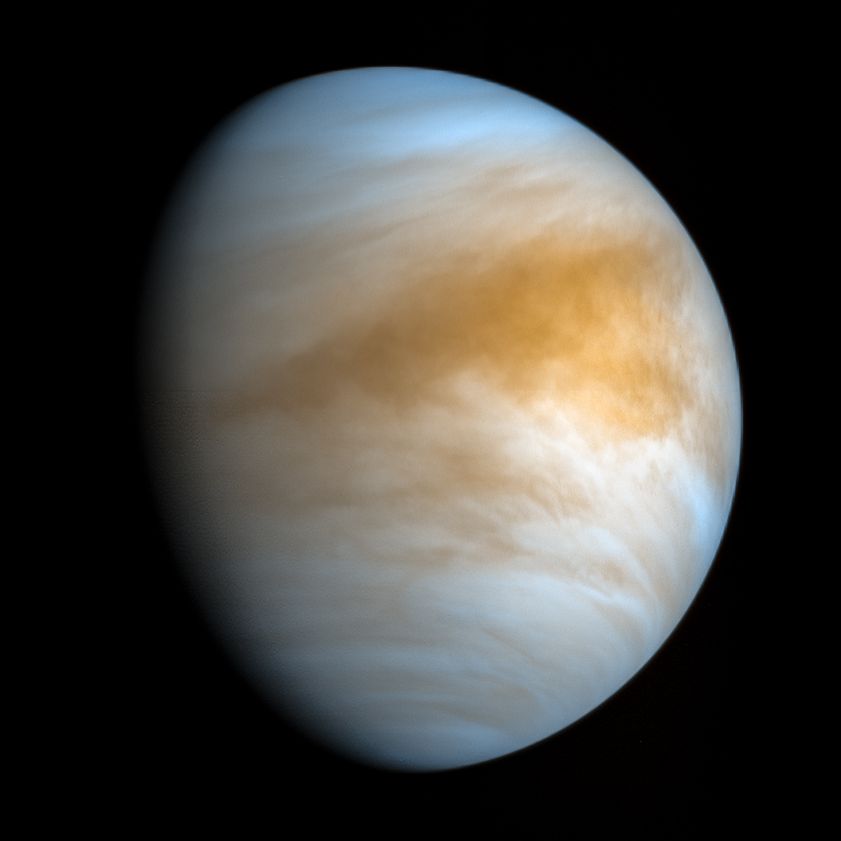
This is why Venus, Jupiter, Saturn, and Mars often shine with a calm, steady glow while nearby stars sparkle dramatically.
Can Planets Ever Twinkle?
Although planets usually appear steady, they can sometimes twinkle.
This happens when they are very close to the horizon.
Near the horizon, light must travel through a much thicker layer of Earth’s atmosphere.
The increased turbulence causes even the larger apparent disks of planets to fluctuate more noticeably.
Even then, planets usually twinkle far less than stars.
Why Stars Near the Horizon Twinkle More
Have you ever noticed that stars close to the horizon seem to sparkle more intensely?
There is a good scientific reason.
When a star is directly overhead, its light passes through the shortest possible path in Earth’s atmosphere.
When the star is low on the horizon, the light travels through much more air before reaching you.
The longer path means the light encounters many more turbulent air layers.
Each layer bends the light slightly.
The combined effect produces stronger and more dramatic twinkling.
This is why stars rising or setting often seem especially lively.
Why Some Stars Flash Different Colors
Sometimes a bright star near the horizon seems to flash red, blue, green, or yellow.
The star itself is not rapidly changing color.
Instead, Earth’s atmosphere bends different colors of light by slightly different amounts.
This effect is known as atmospheric dispersion.
Blue light bends differently than red light.
As the atmosphere shifts, different colors reach your eyes more strongly at different moments.
This creates the beautiful illusion of changing colors.
Bright stars like Sirius are famous for displaying this colorful flickering when viewed low in the sky.
Does Twinkling Mean the Weather Is Changing?
For centuries, sailors and skywatchers noticed that stars sometimes twinkled more than usual.
There is some truth behind the idea that twinkling relates to weather.
Strong atmospheric turbulence often accompanies changing weather conditions.
High-altitude winds, unstable air masses, and temperature differences increase atmospheric mixing.
This stronger turbulence causes more noticeable twinkling.
However, twinkling alone cannot accurately predict the weather.
Many atmospheric factors influence how much stars appear to shimmer.
Do Stars Twinkle in Space?
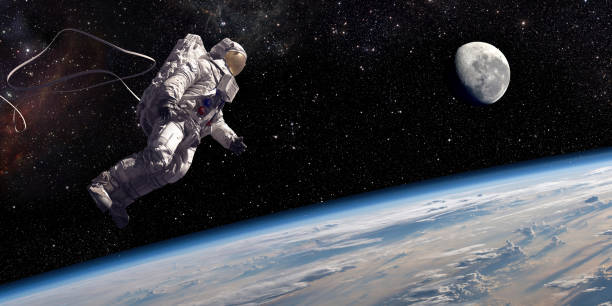
One of the most interesting facts about twinkling is that astronauts do not see it while they are in space.
Outside Earth’s atmosphere, there is almost no air to disturb the incoming light.
Without atmospheric turbulence, starlight travels directly into the observer’s eyes.
As a result, stars appear as steady, brilliant points of light.
They do not flicker or sparkle.
This is one reason why space telescopes produce such sharp images.
Why Space Telescopes Take Better Pictures
Earth’s atmosphere protects life by blocking harmful radiation and helping regulate the planet’s climate.
However, for astronomers, the atmosphere creates a major challenge.
The same turbulence that causes stars to twinkle also blurs telescope images.
Even extremely powerful ground-based telescopes cannot completely escape atmospheric distortion.
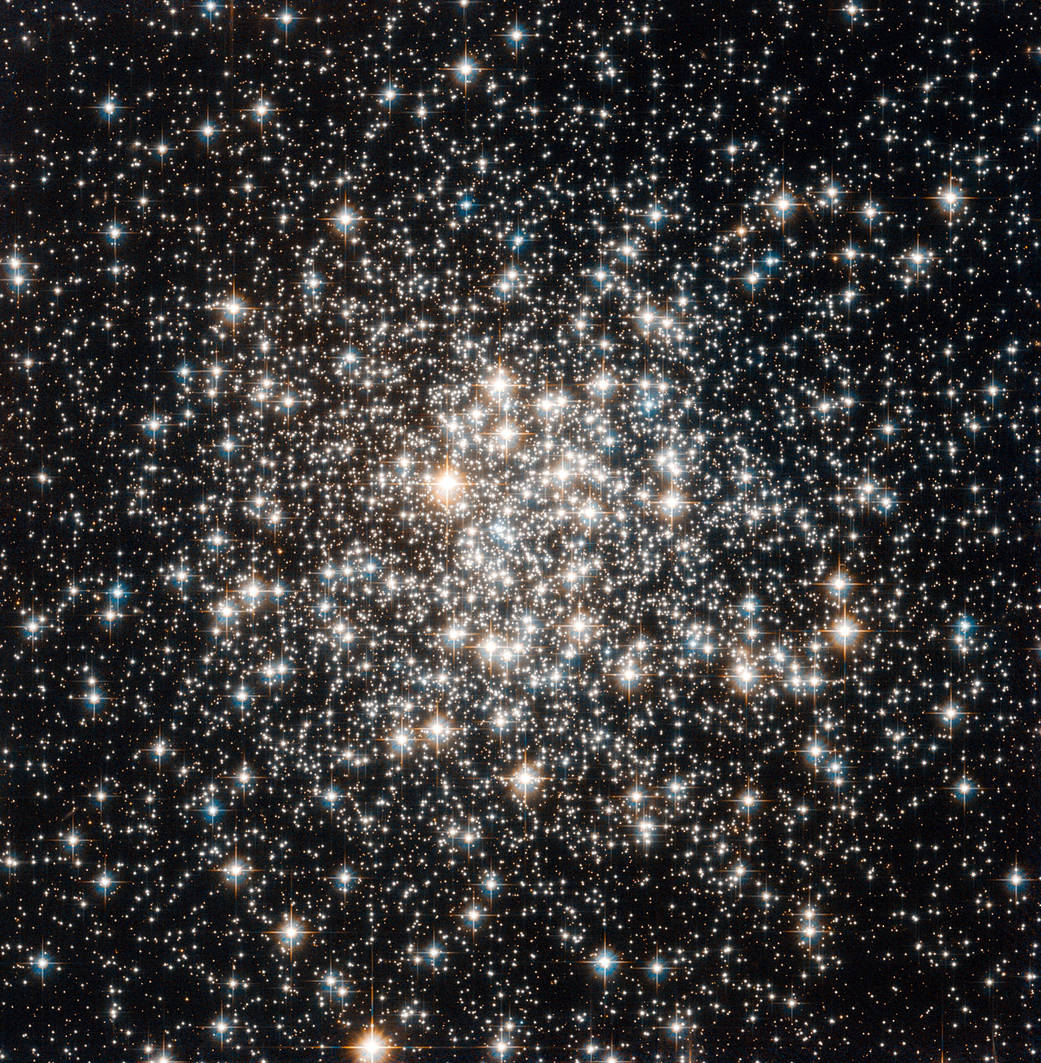
The Hubble Space Telescope, orbiting above Earth’s atmosphere, avoids this problem entirely.
Without atmospheric interference, it captures incredibly detailed images of distant galaxies, nebulae, and stars.
Its remarkable photographs have transformed our understanding of the universe.
How Modern Telescopes Overcome Twinkling
Today’s largest observatories use advanced technology called adaptive optics.
Adaptive optics measures how Earth’s atmosphere distorts incoming light.
Computers calculate these distortions hundreds or even thousands of times every second.
Special flexible mirrors then change their shape in real time to cancel out the atmospheric effects.
The result is dramatically sharper images, approaching the clarity of telescopes operating in space.
This technology has become one of the greatest achievements in modern observational astronomy.
Does Every Star Twinkle the Same Amount?
Not all stars twinkle equally.
Several factors influence how much flickering you see.
Bright stars often make the effect easier to notice.
Stars near the horizon usually twinkle more than those overhead.
Local weather conditions also matter.
Dry, stable air often produces steadier starlight.
Humid or turbulent air generally increases twinkling.
High-altitude winds can also create stronger scintillation.
Because atmospheric conditions constantly change, the same star may twinkle differently from one night to the next.
Can Scientists Learn from Twinkling?
Although twinkling can be frustrating for astronomers trying to obtain sharp images, it also provides useful scientific information.
By carefully studying atmospheric scintillation, researchers can measure turbulence in Earth’s atmosphere.
This helps scientists choose the best locations for astronomical observatories.
Many of the world’s largest telescopes are built on high mountains in places with stable, dry air, such as Chile’s Atacama Desert, Hawaii’s Mauna Kea, and the Canary Islands.
The calmer the atmosphere, the less the stars twinkle, and the clearer the observations become.
Why Children Often Ask About Twinkling Stars
One of the first questions many children ask is why stars sparkle while the Moon does not.
It is a wonderful question because it introduces one of science’s most important lessons.
Things are not always as they appear.
The stars seem to dance across the sky, yet they are actually shining steadily.
Our atmosphere creates the illusion.
This reminds us that science often reveals hidden truths beneath familiar experiences.
Simple curiosity can lead to profound discoveries.
The Beauty Behind the Science
Some people worry that learning the scientific explanation for natural beauty might make it less magical.
In reality, the opposite is true.
Knowing that a tiny beam of light has traveled across hundreds or even thousands of light-years before being gently bent by Earth’s atmosphere makes the experience even more extraordinary.
Every twinkling star represents light that has crossed unimaginable distances through space.
For most of its journey, that light traveled undisturbed.
Only in the final moments, as it passed through the restless layers of Earth’s atmosphere, did it begin the sparkling dance we see from the ground.
The twinkle is not a flaw in the universe.
It is a reminder that we observe the cosmos from within a living, breathing planet whose atmosphere gently reshapes the ancient light arriving from distant suns.
Looking Up with New Eyes
The next time you stand beneath a dark, star-filled sky, pause for a moment before making a wish on a twinkling star.
Remember that the star itself is shining steadily, perhaps hundreds or even thousands of light-years away. Its light has traveled across the vastness of space at the speed of light, carrying information about a distant sun that may have formed long before human civilization existed.
The gentle flicker you see is created not by the star, but by the constantly moving ocean of air surrounding our planet. Every sparkle is the result of Earth’s atmosphere bending and redirecting ancient starlight in tiny, ever-changing ways.
What appears to be a simple twinkle is actually a beautiful partnership between the distant universe and our own world—a breathtaking reminder that even the air above our heads plays a role in the story of the stars.