Imagine giving every employee in a company the master key to every room, every office, every vault, and every server. At first, it might seem convenient. No one would ever have trouble accessing what they need. But if one person made a mistake—or if a criminal stole just one key—the entire organization could be at risk.
Now imagine a different approach. Each person receives only the keys they need to perform their job. A receptionist can enter the front office, an accountant can access financial records, and an IT administrator can manage servers. No one has unnecessary access.
This simple idea forms the foundation of one of the most important concepts in modern cybersecurity: Least Privilege Access.
Whether you are using a smartphone, managing a small business, working in a multinational company, or storing personal photos in the cloud, the principle of least privilege helps protect sensitive information from accidents, misuse, and cyberattacks. It reduces risk without preventing people from doing their work, making it one of the cornerstones of secure digital systems.
Understanding Least Privilege Access
Least Privilege Access, often called the Principle of Least Privilege (PoLP), is a cybersecurity practice in which users, applications, devices, and computer processes receive only the minimum permissions necessary to perform their intended tasks.
The key word is minimum.
Instead of granting broad or unlimited access, organizations carefully determine exactly what each user or system needs. Access beyond those requirements is denied unless there is a legitimate reason to provide it.
For example, an employee in the marketing department usually has no reason to access payroll databases. Likewise, accounting software does not need permission to modify engineering files. Restricting unnecessary permissions limits opportunities for both accidental errors and malicious activity.
Least privilege is not about making systems difficult to use. Rather, it is about ensuring that access is appropriate, controlled, and aligned with specific responsibilities.
Why Least Privilege Matters
Every permission granted inside a computer system represents a potential security risk. The more access someone has, the greater the potential damage if that account is compromised.
Cybercriminals often begin with a single stolen password. If that password belongs to an account with broad administrative privileges, attackers may gain access to sensitive databases, confidential documents, or critical infrastructure.
If the compromised account has only limited permissions, however, the attacker’s options become far more restricted.
Least privilege significantly reduces what cybersecurity professionals call the attack surface—the number of possible ways an attacker can exploit a system.
It also minimizes the impact of human mistakes. People occasionally click malicious links, download infected files, or accidentally delete important information. Limited permissions help prevent these mistakes from affecting an entire organization.
How Least Privilege Access Works
Every digital identity is assigned permissions based on its specific role.
These identities may include employees, contractors, customers, software applications, automated services, cloud workloads, or connected devices.
Before granting access, administrators determine exactly what resources are necessary.
A customer support representative might need access to customer profiles but not financial records.
A software developer may require access to source code but not employee payroll information.
A cloud application may need permission to read certain files without being allowed to delete them.
Permissions are assigned with precision, allowing only the actions required for legitimate work.
Whenever responsibilities change, permissions should also change. Employees who transfer departments, receive promotions, or leave an organization should have their access reviewed and updated to reflect their current role.
The Core Idea Behind Least Privilege
At its heart, least privilege is based on a simple question:
“Does this person or system truly need this permission?”
If the answer is no, the permission should not be granted.
This approach shifts security away from convenience toward thoughtful access management.
Rather than assuming broad access is harmless, organizations recognize that every unnecessary permission creates an additional opportunity for misuse or attack.
The fewer unnecessary privileges exist, the safer the environment becomes.
Least Privilege for Human Users
Most people interact with least privilege every day without realizing it.
Employees often log into company computers using standard user accounts rather than administrator accounts.
These accounts allow everyday tasks such as sending emails, editing documents, attending meetings, and browsing approved websites.
However, installing new software, changing operating system settings, or modifying security configurations may require administrator approval.
This separation helps prevent accidental system changes while protecting computers from malware that attempts to gain elevated privileges.
Even home users benefit from avoiding administrator accounts for routine activities.
Least Privilege for Software Applications
People are not the only identities requiring permissions.
Modern software applications constantly communicate with databases, cloud services, storage systems, and other applications.
Each application should receive only the permissions needed to complete its specific function.
For example, a weather application may require access to your location but not your contact list or text messages.
A photo editing app should not automatically gain permission to read financial records stored on your device.
Carefully controlling application permissions reduces opportunities for malicious software to exploit unnecessary access.
Least Privilege in Cloud Computing
Cloud computing has made least privilege even more important.
Organizations now store enormous amounts of data across cloud platforms where thousands of users, applications, and automated services interact continuously.
Cloud providers offer detailed identity and access management systems that allow administrators to assign highly specific permissions.
An employee may receive access to only one storage bucket, one virtual server, or one database table.
Developers can limit permissions for automated cloud services, ensuring they perform only approved actions.
These fine-grained controls help organizations maintain strong security while supporting large, distributed workforces.
Least Privilege and Identity and Access Management
Least privilege is a central component of Identity and Access Management (IAM).
IAM systems verify who users are through authentication and determine what they are allowed to access through authorization.
Authentication answers the question:
“Who are you?”
Authorization answers another important question:
“What are you allowed to do?”
Least privilege guides authorization by ensuring that permissions remain limited to legitimate business needs.
Together, authentication, authorization, and least privilege create a secure framework for managing digital identities.
The Relationship Between Least Privilege and Zero Trust
Modern cybersecurity increasingly embraces a strategy known as Zero Trust.
Zero Trust assumes that no user, device, or application should automatically be trusted simply because it is inside a company’s network.
Instead, every access request must be verified continuously.
Least privilege plays a critical role in Zero Trust architecture.
Even after authentication, users receive only the permissions required for their current task.
This combination of continuous verification and minimal permissions greatly reduces security risks.
Temporary Access Improves Security
Sometimes employees require elevated privileges for short periods.
A system administrator may need administrator rights to install software.
A database engineer may temporarily require access to production systems during maintenance.
Instead of granting permanent privileges, organizations increasingly use just-in-time access.
Permissions are provided only when needed and automatically removed afterward.
This approach dramatically reduces the amount of time powerful accounts remain available for attackers to exploit.
Why Cybercriminals Target Privileged Accounts
Privileged accounts are among the most valuable targets in cybersecurity.
Administrative accounts often have access to sensitive information, security settings, financial systems, and user management tools.
If attackers successfully compromise one privileged account, they may gain control over large portions of an organization’s network.
Many major cyberattacks become far more damaging because criminals obtain excessive privileges after their initial intrusion.
Least privilege limits these opportunities by reducing the number of highly privileged accounts and carefully controlling their use.
Preventing Privilege Escalation
Cybercriminals frequently attempt a technique known as privilege escalation.
After compromising a low-level account, they search for vulnerabilities that allow them to gain higher permissions.
Once elevated privileges are obtained, attackers can often disable security tools, steal sensitive information, install ransomware, or move deeper into corporate networks.
Least privilege makes privilege escalation significantly more difficult because fewer unnecessary permissions are available to exploit.
Organizations also monitor privileged accounts closely to detect suspicious activity before attackers can expand their access.
Least Privilege Protects Against Insider Threats
Not every security risk comes from external hackers.
Employees, contractors, or business partners sometimes misuse legitimate access intentionally or accidentally.
An employee with excessive permissions could mistakenly delete important files or intentionally copy confidential information.
Least privilege reduces these risks by ensuring that users can access only the information necessary for their responsibilities.
Even trusted employees benefit from having clearly defined access boundaries.
Least Privilege in Everyday Technology
Many consumer devices already implement least privilege principles.
Smartphones ask whether applications may access the camera, microphone, location, contacts, or photos.
Modern web browsers request permission before websites use your camera or send notifications.
Operating systems often require administrator approval before installing software or changing security settings.
These permission requests may seem inconvenient, but they exist to protect users from unauthorized access.
Reviewing application permissions regularly is an important part of maintaining personal cybersecurity.
Challenges of Implementing Least Privilege
Although least privilege offers enormous security benefits, implementing it requires careful planning.
Organizations must understand what every employee, application, and service actually needs.
Providing too many permissions weakens security.
Providing too few may prevent legitimate work from being completed efficiently.
Balancing security and productivity requires continuous monitoring, regular permission reviews, and close communication between IT teams and business departments.
As organizations grow, managing permissions becomes increasingly complex, making automation an important part of modern identity management.
Common Mistakes Organizations Make
Many organizations unintentionally accumulate excessive permissions over time.
Employees change roles but keep their old access rights.
Temporary administrative permissions become permanent.
Inactive accounts remain enabled after employees leave.
Applications receive broad permissions simply because it is easier during initial setup.
These small oversights gradually increase security risks.
Regular access reviews help identify unnecessary permissions and remove them before they become vulnerabilities.
Technologies That Support Least Privilege
Modern cybersecurity platforms include many tools designed to enforce least privilege.
Identity and Access Management systems manage user identities and permissions across organizations.
Privileged Access Management solutions secure administrative accounts by requiring approval, monitoring activity, and recording privileged sessions.
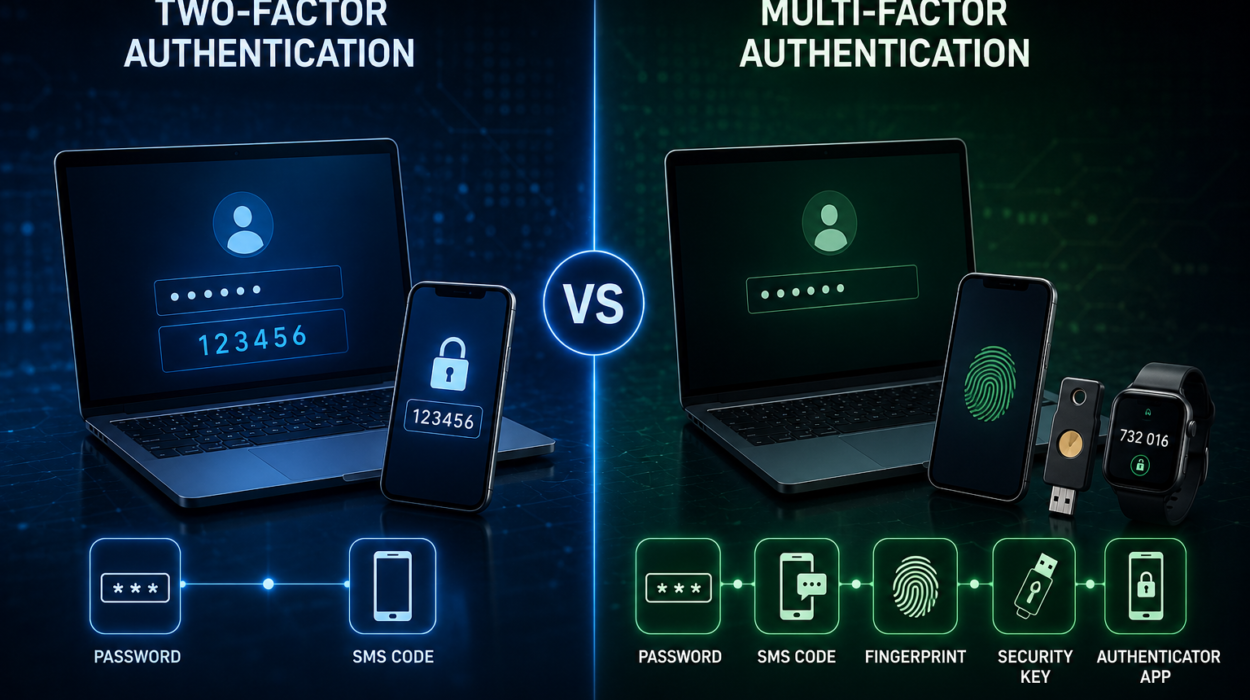
Multi-factor authentication adds another layer of protection by requiring multiple forms of identity verification before access is granted.
Role-based access control simplifies permission management by assigning access based on job responsibilities rather than individual users.
Behavioral monitoring systems detect unusual account activity that may indicate compromised credentials.
Together, these technologies strengthen the effectiveness of least privilege strategies.
Benefits Beyond Cybersecurity
Although least privilege is primarily a security principle, its advantages extend beyond protection against cyberattacks.
Organizations become more organized because responsibilities are clearly defined.
Regulatory compliance becomes easier since access to sensitive information is better controlled.
Audits become more straightforward because administrators can clearly demonstrate who has access to critical systems.
Employees are less likely to accidentally modify important data outside their responsibilities.
Overall, least privilege improves both security and operational efficiency.
The Future of Least Privilege
As organizations adopt artificial intelligence, cloud computing, edge computing, and billions of connected Internet of Things devices, managing permissions will become even more important.
Future security systems are expected to use artificial intelligence to analyze user behavior continuously and adjust permissions dynamically.
Instead of relying solely on static roles, systems may automatically grant or remove access based on current activities, device health, geographic location, and real-time risk assessments.
This adaptive approach allows organizations to remain secure while supporting increasingly complex digital environments.
Why Least Privilege Is Essential in Modern Cybersecurity
Cybersecurity is often compared to protecting a valuable building. Strong walls, secure doors, surveillance cameras, and alarm systems all play important roles. Yet even the strongest building becomes vulnerable if everyone carries a master key.
Least Privilege Access solves this problem by ensuring that every user, application, and device receives only the permissions genuinely required to perform its intended function. This simple but powerful principle reduces opportunities for cybercriminals, limits the impact of human mistakes, protects sensitive information, and strengthens the overall resilience of digital systems.
As cyber threats continue to evolve, least privilege remains one of the most effective and scientifically grounded security practices available. It reminds us that good cybersecurity is not about granting unlimited access for convenience—it is about giving the right access to the right identity at the right time, and nothing more.