Imagine stepping into a car, telling it your destination, and then simply relaxing while the vehicle safely drives you through busy streets, stops at traffic lights, avoids pedestrians, changes lanes, and parks itself without you touching the steering wheel. For decades, this idea existed only in science fiction. Today, thanks to remarkable advances in artificial intelligence, robotics, sensors, and computer engineering, self-driving vehicles are becoming a reality.
However, not every car with advanced technology is truly self-driving. Many modern vehicles can help drivers stay in their lane, maintain a safe distance from other cars, or even park automatically. While these features are impressive, they do not necessarily mean the car can drive itself under all conditions.
To better describe what different vehicles can and cannot do, the automotive industry uses a standardized system called the Levels of Driving Automation. These levels explain how much responsibility belongs to the human driver and how much is handled by the vehicle.
Understanding these levels helps people recognize both the exciting possibilities and the current limitations of autonomous driving technology.
What Is a Self-Driving Car?
A self-driving car, also called an autonomous vehicle, is a vehicle that can perform some or all driving tasks using computers, sensors, cameras, radar, and artificial intelligence instead of relying entirely on a human driver.
Rather than simply following pre-programmed routes, these vehicles continuously observe their surroundings, identify roads, detect traffic signs, recognize pedestrians, monitor nearby vehicles, and make driving decisions in real time.
The ultimate goal is to create vehicles capable of safely transporting passengers without requiring human control under defined conditions or, eventually, in nearly all driving environments.
Why Are There Different Levels?
Driving is one of the most complex activities humans perform every day.
Road conditions constantly change. Traffic lights, weather, construction zones, cyclists, animals, and unexpected events require continuous observation and quick decision-making.
Because creating a fully autonomous vehicle is extremely challenging, manufacturers have gradually introduced automation step by step.
Some systems only assist the driver.
Others can temporarily control steering and speed.
The most advanced experimental systems aim to perform the entire driving task.
To describe these increasing levels of capability, the automotive industry uses six standardized levels, numbered from Level 0 to Level 5.
These levels are widely based on the framework developed by SAE International, a global engineering organization that publishes standards for the automotive and aerospace industries.
Level 0: No Driving Automation
At Level 0, the vehicle has no driving automation.
The human driver performs every aspect of driving, including steering, braking, accelerating, observing traffic, and responding to hazards.
The car may still include warning systems that provide alerts without actually controlling the vehicle.
For example, a vehicle might warn the driver about an obstacle, an approaching collision, or drifting out of a lane, but it does not take over driving.
Even though modern electronics can improve safety, the driver remains completely responsible for operating the vehicle at all times.
Level 1: Driver Assistance
Level 1 introduces limited automation.
At this stage, the vehicle can assist with either steering or speed control, but not both simultaneously as part of sustained automation.
One common example is adaptive cruise control.
Adaptive cruise control automatically adjusts the vehicle’s speed to maintain a safe distance from the car ahead.
Another example is lane-keeping assistance, which can gently help keep the vehicle centered within its lane.
Although these systems reduce driver workload, the driver must remain fully attentive, keep control of the vehicle, and be ready to steer, brake, or accelerate whenever necessary.
The vehicle is assisting the driver—not replacing them.
Level 2: Partial Driving Automation
Level 2 represents a significant technological step.
At this level, the vehicle can simultaneously control both steering and speed under certain driving conditions.
For example, on a well-marked highway, the car may steer within its lane while automatically maintaining speed and following the vehicle ahead.
Despite this impressive capability, the driver must continuously supervise the system.
The driver must watch the road, monitor traffic, and be prepared to immediately take control if the automation encounters a situation it cannot handle.
This distinction is extremely important.
Even though the vehicle performs multiple driving tasks, it is not capable of independently managing every situation.
Many advanced driver-assistance systems available today operate within Level 2 under appropriate conditions.
Why Level 2 Is Not Fully Self-Driving
Many advertisements and online videos can make Level 2 vehicles appear almost fully autonomous.
In reality, they are not.
The vehicle’s computers may temporarily handle steering and speed, but the human driver remains responsible for monitoring the environment.
Construction zones, faded lane markings, severe weather, emergency vehicles, or unexpected obstacles may require immediate human intervention.
Drivers who mistakenly believe Level 2 vehicles are fully autonomous create serious safety risks.
Understanding this limitation is essential for using these systems responsibly.
Level 3: Conditional Driving Automation
Level 3 marks the beginning of true conditional automation.
Under certain defined operating conditions, the vehicle can perform the complete dynamic driving task without continuous human supervision.
The system observes traffic, controls steering, acceleration, braking, and responds to normal driving situations.
However, the vehicle still has limitations.
If it encounters conditions outside its designed operating area, it may request that the human driver take control.
The driver must therefore remain available and capable of responding within an appropriate amount of time.
For example, a Level 3 vehicle might safely operate on specific highways during suitable weather but ask the driver to resume control when approaching road construction or leaving the approved roadway.
Why Level 3 Is Technically Challenging
One of the greatest engineering challenges at Level 3 is safely transferring control between the vehicle and the human driver.
If the driver has not been actively paying attention, regaining full awareness of surrounding traffic may take valuable time.
Researchers continue studying how to make these transitions safer through improved monitoring systems, clearer alerts, and better human-machine interaction.
Because of these challenges, Level 3 deployment remains carefully regulated in many regions.
Level 4: High Driving Automation
Level 4 vehicles can perform all driving tasks without human intervention, but only within specific operational conditions known as an Operational Design Domain.
This domain may include particular cities, designated roads, favorable weather, or limited speed ranges.
Within these approved conditions, the vehicle can drive itself even if no human takes control.
If conditions change unexpectedly, the system is designed to safely stop or complete the trip without requiring immediate driver assistance.
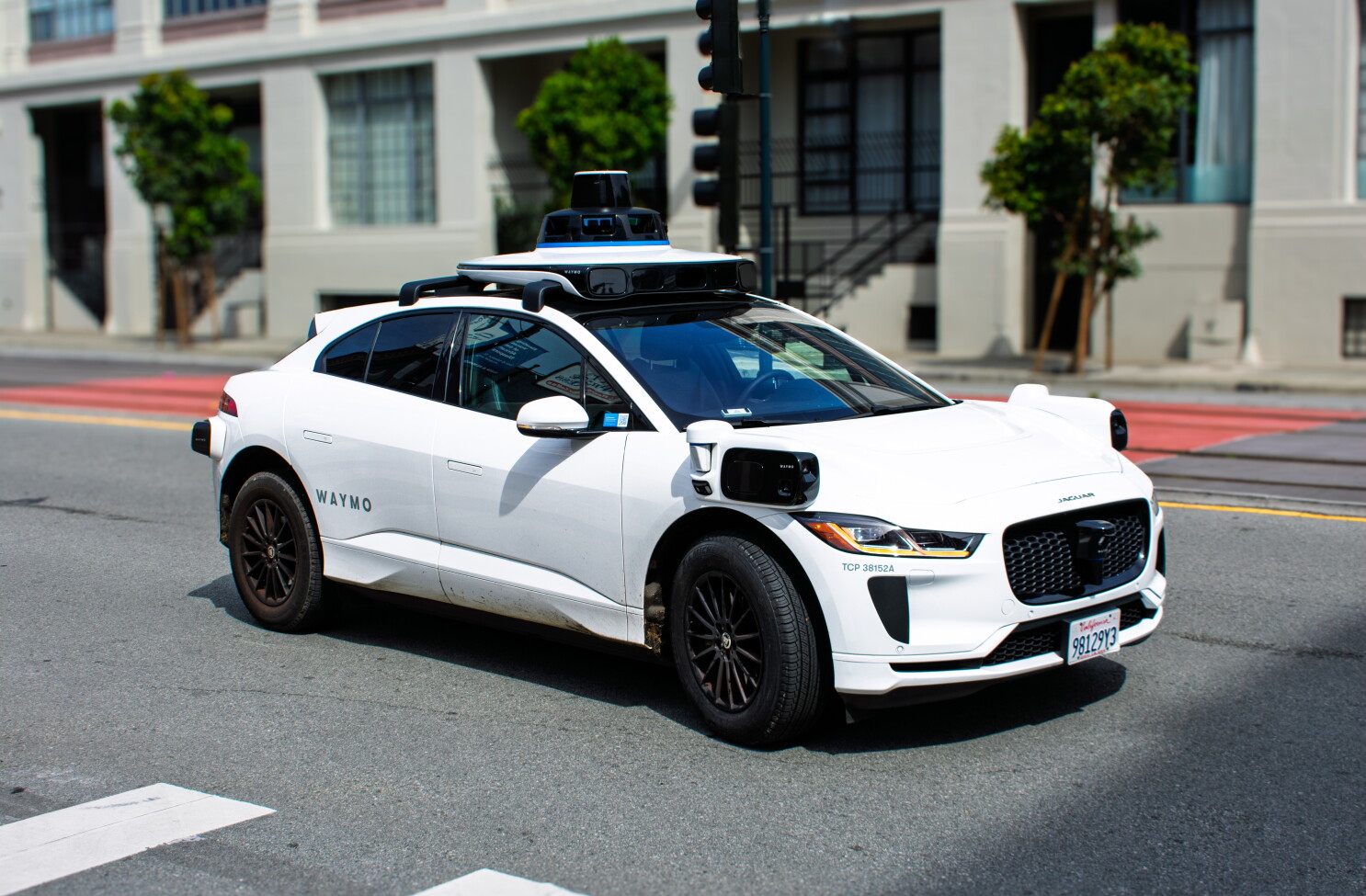
Some experimental robotaxi services operating in carefully mapped urban areas are examples of technology approaching Level 4 capabilities within restricted environments.
Although highly capable, these vehicles cannot yet operate everywhere.
The Importance of Operational Design Domains
A Level 4 vehicle may perform exceptionally well inside its designed environment.
However, outside that environment, its performance cannot be guaranteed.
For example, a vehicle trained for sunny urban streets may not safely navigate heavy snow, flooded roads, or remote mountain highways.
Rather than attempting every possible driving situation, engineers carefully define where the system can safely operate.
This targeted approach improves both reliability and safety.
Level 5: Full Driving Automation
Level 5 represents the highest level of automation.
At this stage, the vehicle can drive itself under virtually all road, weather, and environmental conditions that a skilled human driver could manage.
No steering wheel, accelerator pedal, or brake pedal would necessarily be required.
Passengers simply enter the vehicle, select their destination, and the car completes the journey entirely on its own.
Unlike Level 4, there are no restrictions based on geographic location or operating conditions.
The vehicle independently handles every driving task from start to finish.
As of today, fully deployed Level 5 passenger vehicles are not available for everyday public use.
It remains an ambitious long-term goal of autonomous vehicle research.
How Self-Driving Cars See the World
Unlike human drivers, autonomous vehicles do not rely solely on eyesight.
Instead, they combine information from many different sensors.
High-resolution cameras recognize traffic lights, road signs, lane markings, and pedestrians.
Radar measures the distance and speed of surrounding vehicles, even in poor visibility.
Some autonomous systems also use LiDAR, which emits laser pulses to create highly detailed three-dimensional maps of nearby objects.
Ultrasonic sensors help detect close obstacles during low-speed maneuvers such as parking.
By combining information from multiple sensor types, the vehicle builds a detailed understanding of its surroundings.
Artificial Intelligence Is the Vehicle’s Brain
Collecting information is only the beginning.
The vehicle must also interpret what it observes.
Artificial intelligence processes enormous amounts of sensor data every second.
It identifies cars, bicycles, pedestrians, animals, traffic signs, and road markings.
The system predicts how nearby vehicles might move.
It calculates safe speeds, determines appropriate steering angles, plans routes, and continuously updates driving decisions.
This process occurs many times every second, allowing the vehicle to respond rapidly to changing conditions.
High-Definition Maps Help Navigation
Many autonomous vehicles use highly detailed digital maps that contain much more information than ordinary navigation systems.
These maps include lane boundaries, traffic signal locations, road curvature, intersections, speed limits, and other important details.
By comparing live sensor data with these maps, the vehicle can determine its position with remarkable precision.
Even so, the car must continue observing its surroundings because roads can change due to construction, accidents, or temporary closures.
Communication May Improve Future Self-Driving Cars
Researchers are also developing communication technologies that allow vehicles to exchange information.
Future autonomous cars may communicate with nearby vehicles, traffic signals, road infrastructure, and emergency services.
For example, a traffic light could inform approaching vehicles exactly when it will change.
A vehicle farther ahead could warn others about icy roads or sudden braking.
Such communication may improve both safety and traffic efficiency.
Can Self-Driving Cars Prevent Accidents?
One of the major goals of autonomous driving technology is improving road safety.
Many traffic accidents occur because of human errors such as distraction, fatigue, speeding, or impaired driving.
Autonomous systems do not become tired or distracted in the same way humans do.
However, they also have limitations.
Sensors can be affected by heavy rain, snow, fog, or unusual road conditions.
Software must correctly interpret extremely complex situations.
For these reasons, autonomous vehicles undergo extensive testing before public deployment.
Safety depends on both advanced technology and careful engineering.
Ethical and Legal Challenges
Self-driving cars introduce important ethical and legal questions.
Who is responsible if an autonomous vehicle is involved in a collision?
How should vehicles respond to highly unusual emergency situations?
What standards should governments require before approving autonomous vehicles for public roads?
Engineers, lawmakers, ethicists, insurers, and transportation experts continue working together to address these questions as the technology develops.
How Self-Driving Cars Could Change Transportation
Autonomous vehicles could transform transportation in many ways.
They may reduce traffic congestion through smoother driving.
They could provide greater independence for elderly people and individuals with certain disabilities who cannot drive themselves.
Freight transportation may become more efficient.
Ride-sharing services could operate with greater flexibility.
Urban planning may also change as parking needs evolve.
However, these changes will occur gradually as technology, regulations, and public confidence continue to develop.
The Road Ahead
Self-driving technology is advancing rapidly, but reaching full autonomy remains a complex scientific and engineering challenge.
Researchers continue improving artificial intelligence, sensor accuracy, battery systems, cybersecurity, mapping, weather performance, and vehicle safety.
Each improvement brings autonomous vehicles closer to handling a wider range of real-world situations.
Although fully autonomous cars may eventually become common, human drivers are likely to remain an important part of transportation for many years.
Conclusion
The Levels of Driving Automation provide a clear way to understand how self-driving technology is progressing. Level 0 represents traditional driving with no automation, while Level 5 envisions vehicles capable of handling every driving task under virtually all conditions without human intervention. Between these two extremes lie intermediate levels that gradually increase the vehicle’s responsibilities while reducing the driver’s workload.
Understanding these levels is essential because not every technologically advanced car is truly self-driving. Many vehicles available today offer impressive driver-assistance features, but they still require active human supervision. As artificial intelligence, sensors, and automotive engineering continue to evolve, each new level of automation brings society closer to a future where transportation is safer, more efficient, and more accessible. The journey toward fully autonomous driving is still unfolding, and it stands as one of the most exciting technological transformations of the twenty-first century.