Marketing has always been about one thing: connecting the right message with the right people at the right time. For decades, businesses relied on newspapers, television, radio, billboards, and later websites and social media to reach customers. Today, another powerful tool has joined the marketer’s toolkit—ChatGPT.
Whether you run a small local business, manage a growing online store, create content for a brand, or work as a professional marketer, ChatGPT can help simplify many marketing tasks. It can generate ideas, write drafts, improve communication, summarize research, and assist with planning. However, like any tool, it works best when guided by human creativity, expertise, and careful review.
ChatGPT is not a replacement for marketing strategy or human judgment. Instead, it acts as an intelligent assistant that helps marketers work faster, organize ideas, and overcome creative blocks.
Understanding how to use ChatGPT effectively begins with understanding what it actually is.
What Is ChatGPT?
ChatGPT is an AI-powered conversational system developed by OpenAI. It is based on a type of artificial intelligence known as a large language model (LLM). It has been trained on vast amounts of text to recognize patterns in language and generate human-like responses to prompts.
Rather than searching the internet for every answer, ChatGPT predicts the most appropriate sequence of words based on what it has learned during training and, depending on the version and settings, any additional information provided to it.
Because of this, ChatGPT is especially useful for writing, brainstorming, editing, summarizing, explaining concepts, organizing information, and generating creative ideas.
For marketers, these abilities can save time while improving productivity.
Why ChatGPT Is Valuable for Marketing
Marketing involves much more than creating advertisements.
A successful marketing campaign requires research, planning, storytelling, customer communication, search engine optimization (SEO), social media management, email campaigns, website content, advertising copy, analytics, and continuous improvement.
Many of these activities involve writing or organizing information.
ChatGPT excels at generating first drafts, exploring multiple approaches, and refining existing content.
Instead of staring at a blank page wondering where to begin, marketers can start with AI-assisted ideas and then improve them using their own expertise.
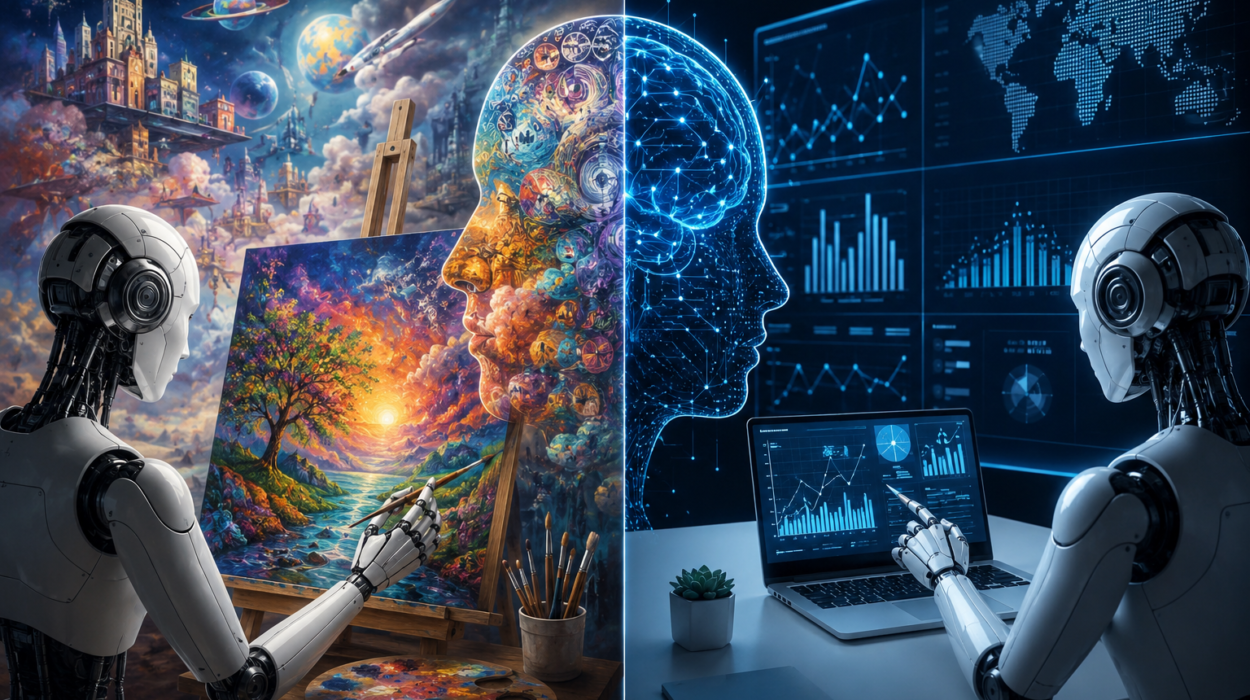
This combination of AI efficiency and human creativity often produces better results than either could achieve alone.
Brainstorming Marketing Ideas
One of the biggest challenges in marketing is finding fresh ideas.
Even experienced professionals occasionally struggle with creative blocks.
ChatGPT can generate numerous campaign concepts based on a product, audience, or marketing objective.
For example, if a company sells reusable water bottles, ChatGPT can suggest seasonal campaigns, educational content, environmental awareness themes, promotional events, customer engagement ideas, and storytelling approaches.
Rather than accepting the first suggestion, marketers should use AI-generated ideas as starting points.
The most successful campaigns usually emerge after refining, combining, and expanding these suggestions.
Understanding Your Target Audience
Effective marketing begins with understanding customers.
Before creating advertisements or content, businesses need to know who they are trying to reach.
ChatGPT can help organize customer personas based on information you provide.
For example, you can describe your product and ask ChatGPT to identify possible customer needs, challenges, goals, interests, and purchasing motivations.
It can also suggest different ways to communicate with beginners, professionals, students, parents, or other audience groups.
However, ChatGPT should not replace real customer research.
Surveys, interviews, website analytics, sales data, and market research remain essential for understanding actual customer behavior.
Writing SEO-Friendly Blog Articles
Content marketing remains one of the most effective long-term marketing strategies.
Businesses publish helpful articles to educate customers while improving their visibility in search engines.
ChatGPT can assist throughout the writing process.
It can generate article ideas, create outlines, explain complex topics in simpler language, draft introductions, suggest headings, improve readability, and edit existing content.
For example, a gardening business might ask ChatGPT to explain how to grow tomatoes, compare different fertilizers, or describe seasonal planting techniques.
After receiving the draft, human editors should verify facts, add original insights, include real experience, and ensure the content reflects the company’s expertise.
Search engines increasingly reward content that demonstrates accuracy, usefulness, and genuine experience.
Creating Better Social Media Content
Maintaining active social media accounts requires a constant flow of fresh content.
Many businesses struggle to post consistently.
ChatGPT can generate captions, discussion questions, educational posts, product announcements, storytelling ideas, and audience engagement prompts.
It can adapt writing styles for different platforms while maintaining a consistent brand voice.
For example, a clothing brand might ask ChatGPT to create promotional captions for a seasonal collection, while a museum could request educational posts about historical artifacts.
AI can also help rewrite the same message for multiple platforms, making it easier to reach different audiences.
Even so, successful social media still depends on authentic interaction.
Responding personally to customers and participating in conversations cannot be fully automated.
Writing Effective Email Campaigns
Email marketing remains one of the highest-return digital marketing channels.
Businesses use email to welcome new subscribers, announce products, share educational content, and maintain customer relationships.
ChatGPT can draft email newsletters, promotional messages, follow-up emails, event invitations, abandoned cart reminders, and customer appreciation messages.
It can also suggest different subject lines and improve readability.
However, marketers should personalize messages whenever possible.
Emails that reflect genuine understanding of customer needs generally perform better than generic mass communications.
Improving Product Descriptions
Product descriptions influence purchasing decisions.
A well-written description explains features while helping customers understand the product’s benefits.
ChatGPT can rewrite short descriptions into more engaging versions while maintaining factual accuracy.
Instead of simply stating technical specifications, it can explain how those features improve the customer’s experience.
Businesses should still verify every claim to ensure descriptions remain truthful and compliant with advertising regulations.
Creating Advertising Copy
Writing effective advertisements requires balancing creativity with clarity.
ChatGPT can generate headlines, slogans, promotional messages, calls to action, and advertisement variations for online campaigns.
Marketers can request multiple versions targeting different audiences or emphasizing different product benefits.
Testing several AI-generated versions can provide inspiration for stronger campaigns.
Final advertisements should always reflect the company’s branding, legal requirements, and marketing objectives.
Planning Marketing Campaigns
Large marketing campaigns involve many moving parts.
Businesses often need timelines, content calendars, promotional schedules, launch strategies, and communication plans.
ChatGPT can organize campaign ideas into structured plans.
It can suggest publishing schedules, promotional sequences, customer touchpoints, and supporting content.
This helps marketing teams visualize projects before implementation.
Human managers remain responsible for budgets, deadlines, approvals, and strategic decisions.
Assisting with Search Engine Optimization
Search Engine Optimization, commonly known as SEO, helps websites become more visible in search results.
ChatGPT can support SEO by suggesting keywords, generating topic ideas, organizing article structures, writing meta descriptions, creating title options, and explaining search intent.
It can also help identify related questions customers may ask.
However, SEO success depends on far more than writing.
Technical website performance, page speed, user experience, backlinks, original expertise, and high-quality information all play important roles.
AI should be viewed as one component of a broader SEO strategy.
Helping With Keyword Research
People search for information using many different phrases.
Understanding these search behaviors helps businesses create relevant content.
ChatGPT can brainstorm possible keywords, related topics, frequently asked questions, and long-tail search phrases based on a product or service.
For example, a travel company may request ideas related to family vacations, budget travel, adventure tourism, or sustainable tourism.
Although ChatGPT can generate useful suggestions, marketers often combine these ideas with dedicated keyword research tools that provide actual search volume and competition data.
Creating Video Scripts
Video has become one of the most influential forms of online marketing.
Businesses publish educational videos, tutorials, product demonstrations, interviews, and customer stories across multiple platforms.
ChatGPT can draft video scripts with introductions, explanations, transitions, and conclusions.
It can simplify technical information while maintaining audience engagement.
Video creators should adapt AI-generated scripts to match their speaking style and include authentic experiences whenever possible.
Generating Podcast Ideas
Podcasts allow businesses to build long-term relationships with audiences.
ChatGPT can suggest episode topics, interview questions, discussion outlines, introductions, summaries, and promotional descriptions.
It can also help organize complex subjects into clear conversations suitable for listeners.
Human hosts provide personality, expertise, and real-world experience that make podcasts memorable.
Supporting Customer Service
Many companies use AI-powered chat systems to answer common customer questions.
ChatGPT can help draft responses for frequently asked questions, troubleshooting guides, return policies, shipping information, and customer support documents.
When integrated appropriately into customer service workflows, AI can reduce response times for routine inquiries.
Complex, sensitive, or emotionally important situations should still be handled by trained human representatives.
Translating Marketing Content
Businesses increasingly serve customers across multiple countries.
ChatGPT can assist with translating marketing materials into different languages while adapting tone and style.
Professional human translators remain important for legal documents, culturally sensitive campaigns, and highly specialized terminology.
Cultural understanding is just as important as language accuracy.
Improving Existing Content
Not every marketing project starts from scratch.
Many businesses already have articles, advertisements, emails, or website pages that need improvement.
ChatGPT can rewrite unclear sentences, simplify technical language, improve grammar, adjust tone, shorten lengthy paragraphs, and increase readability.
Editors should carefully review revisions to ensure the intended meaning remains accurate.
Summarizing Research
Marketing professionals often read lengthy reports, customer feedback, industry articles, and survey results.
ChatGPT can summarize large amounts of text into concise overviews.
This allows marketers to identify important themes more quickly.
The original research should still be consulted when making significant business decisions.
Summaries are useful starting points rather than complete replacements for detailed analysis.
Brainstorming Brand Names
Choosing a memorable business name or product name can be surprisingly difficult.
ChatGPT can generate naming ideas based on company values, target audiences, products, or desired emotions.
It can also suggest slogans and brand messaging.
Before selecting a name, businesses should verify trademark availability, domain names, and cultural suitability.
Creating Content Calendars
Consistency is one of the keys to successful marketing.
Publishing regularly helps maintain audience engagement.
ChatGPT can organize monthly content calendars around holidays, seasonal events, educational themes, product launches, and industry trends.
Marketing teams can then customize these plans based on business priorities.
Learning Marketing Skills
ChatGPT is not only useful for experienced marketers.
Beginners can use it as an educational resource.
It can explain digital marketing concepts, SEO principles, email marketing strategies, branding, advertising terminology, analytics, customer journeys, and marketing psychology in clear language.
It can also provide examples that make difficult concepts easier to understand.
As with any educational resource, learners should compare information from multiple reliable sources and continue developing practical experience.
Writing Better Prompts
The quality of ChatGPT’s responses depends greatly on the quality of the prompt.
A vague request usually produces a general answer.
A detailed prompt often produces much better results.
Instead of asking, “Write an advertisement,” marketers achieve stronger results by describing the product, audience, marketing objective, preferred tone, desired length, and important details.
Providing context allows ChatGPT to generate more relevant responses.
Many experienced users spend considerable time refining prompts because better instructions generally lead to better outputs.
The Importance of Human Review
Although ChatGPT is highly capable, it is not perfect.
It can occasionally generate inaccurate information, misunderstand requests, or produce outdated or misleading statements.
Marketing materials created with AI should always be reviewed carefully before publication.
Fact-checking is especially important when discussing health, finance, science, law, or other subjects where accuracy matters.
Human editors should verify statistics, quotations, product specifications, legal claims, and references.
The final responsibility always belongs to the people using the AI.
Ethical Marketing With AI
Responsible marketing requires honesty and transparency.
Businesses should avoid using AI to create deceptive advertisements, fake customer reviews, misleading claims, manipulated evidence, or misinformation.
Trust is one of the most valuable assets any brand can build.
Customers increasingly appreciate businesses that communicate clearly and ethically.
AI should support trustworthy communication rather than undermine it.
The Future of AI in Marketing
Artificial intelligence continues to evolve rapidly.
Future marketing tools will likely become better at personalization, multilingual communication, customer support, content creation, campaign optimization, and data analysis.
At the same time, privacy regulations, ethical standards, and consumer expectations will continue shaping how AI is used.
The most successful marketers will probably not be those who rely entirely on AI, nor those who ignore it completely.
Instead, they will understand how to combine AI’s speed with human creativity, empathy, strategic thinking, and real-world experience.
Why ChatGPT Is Becoming an Essential Marketing Tool
Marketing has always depended on understanding people, telling meaningful stories, and building lasting relationships. ChatGPT cannot replace the human qualities that make great marketing successful—such as empathy, creativity, cultural awareness, and strategic judgment—but it can make those qualities more productive by handling many of the repetitive and time-consuming tasks involved in the creative process.
Whether generating blog ideas, drafting emails, planning campaigns, improving product descriptions, or simplifying complex topics, ChatGPT helps marketers spend less time struggling with blank pages and more time refining ideas that truly connect with audiences. It serves as a creative assistant, an editing partner, and a brainstorming companion rather than a substitute for human expertise.
As artificial intelligence continues to improve, marketers who learn how to use tools like ChatGPT thoughtfully and responsibly will be better equipped to adapt to changing technologies and customer expectations. The greatest advantage will not come from letting AI do all the work, but from combining the speed and efficiency of AI with the originality, insight, and authenticity that only people can provide.