Virtual Private Networks, better known as VPNs, have become one of the most talked-about privacy tools on the internet. Advertisements often describe them as magical solutions that can make you completely anonymous, stop hackers instantly, unlock every website on Earth, and protect you from every online threat. At the same time, critics sometimes claim that VPNs are useless, slow down the internet too much, or are only meant for people with something to hide.
The truth lies somewhere between these extremes.
A VPN is a powerful technology, but it is not magic. Like any tool, it has strengths, limitations, and situations where it works well—and others where it does not. Understanding what a VPN actually does can help you make smarter decisions about your online privacy and security.
Many misconceptions about VPNs come from misleading advertisements, outdated information, or misunderstandings about how the internet works. In this article, we’ll explore the most common VPN myths and explain the science behind them in clear, easy-to-understand language.
What Is a VPN?
Before discussing the myths, it’s important to understand what a VPN actually is.
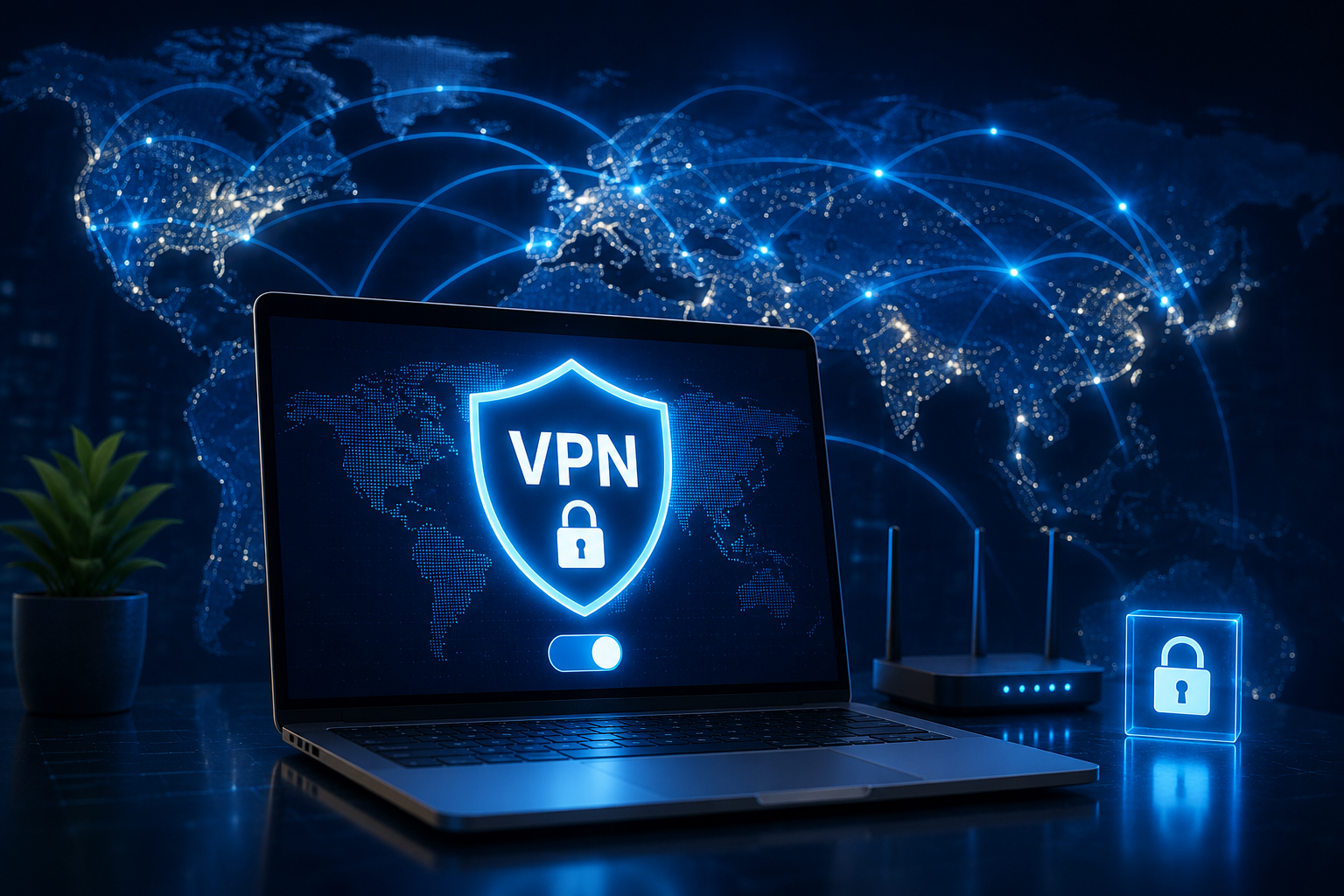
A Virtual Private Network creates an encrypted connection between your device and a VPN server. Instead of your internet traffic traveling directly to a website, it first passes through the VPN server. This process hides your IP address from the websites you visit and protects your internet traffic from being easily read by people who might intercept it while it travels across the network.
Encryption transforms readable information into coded data that can only be understood by authorized devices with the correct cryptographic keys. If someone intercepts the encrypted traffic, they typically cannot understand its contents without those keys.
This is the primary purpose of a VPN: improving privacy and protecting data while it travels across networks.
Understanding this simple principle makes it much easier to separate myths from reality.
Myth: A VPN Makes You Completely Anonymous
This is probably the biggest misconception about VPNs.
A VPN improves your privacy, but it does not make you completely anonymous online.
When you use a VPN, websites generally see the VPN server’s IP address instead of your own. However, many other factors can still identify or track you.
If you log into your email account, social media profile, or online shopping account, those services know who you are because you signed in.
Websites can also use cookies, browser fingerprinting, device identifiers, and account activity to recognize returning users.
Even if your IP address changes, your online identity may still be linked through these methods.
True online anonymity requires much more than simply using a VPN.
A VPN is best viewed as one layer of privacy rather than complete invisibility.
Myth: VPNs Protect You from Every Cyber Threat
VPN advertisements sometimes create the impression that using one makes you immune to cybercrime.
This is not true.
A VPN cannot stop phishing attacks.
It cannot prevent you from downloading malware.
It cannot recognize fake websites designed to steal passwords.
It cannot stop you from accidentally sharing sensitive information.
If you click on a fraudulent link or install malicious software, a VPN cannot undo those actions.
Cybersecurity depends on multiple layers of protection.
Strong passwords, multi-factor authentication, software updates, secure browsing habits, antivirus protection where appropriate, and awareness of scams remain essential.
A VPN protects data while it travels across networks—not every aspect of your digital life.
Myth: Only Criminals or Hackers Use VPNs
This myth has existed for years, but it is far from reality.
Millions of ordinary people use VPNs every day for perfectly legitimate reasons.
Remote employees use VPNs to securely access company networks.
Students use VPNs when connecting through public Wi-Fi.
Journalists may use VPNs to help protect communications while reporting.
Travelers use VPNs to reduce risks on hotel or airport networks.
Businesses rely on VPN technology to connect offices around the world securely.
Many universities, hospitals, and government organizations also use VPNs as part of their normal cybersecurity practices.
Using a VPN is not suspicious—it is simply one way to improve online privacy and security.
Myth: VPNs Are Illegal
Many people worry that simply installing a VPN could break the law.
In most countries, using a VPN itself is legal.
Businesses, universities, and individuals commonly use VPNs for legitimate security purposes.
However, laws vary from one country to another. Some governments regulate or restrict VPN use, while others allow it freely.
Even where VPNs are legal, illegal activities remain illegal whether or not a VPN is used.
A VPN changes how your internet connection is routed; it does not change the law.
Always understand the regulations that apply where you live or travel.
Myth: A VPN Makes Your Internet Completely Safe on Public Wi-Fi
Public Wi-Fi networks can pose security risks because multiple users share the same network.
A VPN significantly improves security by encrypting your internet traffic, making it much harder for others on the same network to intercept readable information.
However, this does not make public Wi-Fi completely risk-free.
Fake Wi-Fi hotspots can still trick users.
Malicious websites can still exist.
Phishing emails remain dangerous.
Weak passwords remain vulnerable.
A VPN protects your connection, but safe online behavior is still essential.
Myth: VPNs Always Slow Down Your Internet
This belief contains a small amount of truth, but the complete picture is more complicated.
Because your data travels through a VPN server and is encrypted, some reduction in speed is normal.
However, modern VPN services often use fast servers and efficient encryption protocols that minimize this effect.
In many situations, users notice little or no difference during normal web browsing.
The actual speed depends on many factors, including your original internet connection, server distance, server congestion, encryption method, and network conditions.
Sometimes a VPN may even improve performance if it avoids inefficient routing or internet throttling by an internet service provider, though this is not guaranteed.
The idea that VPNs always make the internet painfully slow is outdated.
Myth: VPNs Stop All Online Tracking
A VPN hides your IP address from the websites you visit, but tracking on the internet involves much more than IP addresses.
Advertising networks use cookies.
Browsers reveal information about installed fonts, screen size, language settings, and device characteristics.
Some websites use browser fingerprinting to recognize devices.
Mobile apps may collect additional identifiers.
If you log into online accounts, your activity can also be associated with your profile.
A VPN reduces one important source of tracking but does not eliminate every method.
Using privacy-focused browsers, limiting unnecessary cookies, and reviewing app permissions can further reduce tracking.
Myth: Free VPNs Work Exactly Like Paid VPNs
The word “free” is always attractive, but it deserves careful consideration.
Operating VPN servers around the world requires significant resources.
If a VPN service does not charge users, it still needs some way to cover its operating costs.
Some free VPN providers offer limited versions of paid services with data limits or fewer server locations.
Others may display advertisements, limit bandwidth, or collect certain types of usage data.
This does not mean every free VPN is unsafe, but users should carefully understand how the service operates and what privacy practices it follows.
Reading privacy policies and understanding what information is collected are important steps before choosing any VPN.
Myth: A VPN Encrypts Everything on Your Device
A VPN encrypts internet traffic that passes through the VPN connection.
It does not automatically encrypt every file stored on your computer or smartphone.
Your photos, documents, videos, and downloaded files remain stored according to your device’s own storage and encryption settings.
Device encryption, secure backups, and strong passwords remain important even when using a VPN.
Myth: VPNs Prevent Websites from Knowing Your Location
Many people believe that a VPN completely hides where they are.
In reality, it mainly changes the IP address that websites see.
Many websites estimate location from that IP address, so they may think you are near the VPN server instead of your actual location.
However, websites can sometimes determine location through other methods.
If you allow location permissions in your browser or mobile apps, GPS, Wi-Fi positioning, or other location services may reveal your approximate physical location.
A VPN changes IP-based location, but it does not override every location technology.
Myth: Using a VPN Means Your Internet Provider Cannot See Anything
A VPN greatly reduces what your internet service provider can observe about your online activity.
Because the traffic is encrypted, the provider usually cannot see the contents of your communications or the specific webpages you access through encrypted connections.
However, the provider can still see that you are connected to a VPN server.
It may also know when you connected, how much data you transferred, and which VPN server you contacted.
A VPN improves privacy from your internet provider, but it does not make your internet connection invisible.
Myth: VPNs Replace HTTPS
Some people think that once they use a VPN, secure websites no longer matter.
This is incorrect.
HTTPS and VPNs serve different purposes.
HTTPS encrypts communication between your browser and a website.
A VPN encrypts traffic between your device and the VPN server.
When both are used together, they provide different layers of protection.
Today, most major websites already use HTTPS because it improves security for everyone.
A VPN complements HTTPS rather than replacing it.
Myth: Every VPN Offers the Same Level of Privacy
VPN services differ significantly.
Some operate thousands of servers across many countries.
Others have much smaller networks.
Different providers may support different encryption protocols, privacy features, logging practices, security audits, and transparency measures.
A VPN should never be judged solely by its advertising claims.
Independent security assessments, transparency reports, technical documentation, and a clearly written privacy policy provide much better insight into how a service operates.
Not every VPN is identical.
Myth: VPNs Can Bypass Every Online Restriction
Many advertisements suggest that VPNs can unlock anything.
Reality is more complicated.
Some online services actively detect and block known VPN servers.
Streaming platforms, websites, and online services may update their systems regularly.
Government restrictions, local laws, or technical measures may also affect access.
A VPN can change your apparent IP location, but it cannot guarantee access to every online service under every circumstance.
Myth: VPNs Are Only Useful for Tech Experts
Years ago, VPN software often required complicated configuration.
Modern VPN applications are much simpler.
Many services offer apps that require only a few taps to connect securely.
Although understanding the technology is helpful, using a VPN today generally does not require advanced computer knowledge.
What matters most is choosing a trustworthy provider, understanding what the VPN can and cannot do, and using it appropriately.
Myth: VPNs Drain Your Battery Extremely Fast
Encryption requires some processing power, so using a VPN may increase battery consumption slightly on mobile devices.
However, modern smartphones and computers are designed to handle encrypted communication efficiently.
For most users, the difference is relatively small during everyday browsing.
Battery life is usually affected much more by screen brightness, video streaming, gaming, GPS usage, and cellular signal strength than by VPN usage alone.
Myth: Turning On a VPN Means You Never Need to Think About Privacy Again
Perhaps the most dangerous myth is believing that one tool solves every privacy problem.
Privacy is not a single switch that can be turned on.
It is a combination of technologies, good habits, informed choices, and ongoing awareness.
A VPN is one valuable part of that broader picture.
Keeping software updated, using unique passwords, enabling multi-factor authentication, reviewing app permissions, recognizing phishing attempts, limiting unnecessary data sharing, and understanding how online services collect information are all equally important.
The strongest privacy protection comes from combining multiple good practices rather than relying on a single technology.
How VPNs Really Help
Despite the myths, VPNs remain valuable tools.
They encrypt internet traffic between your device and the VPN server, making it much more difficult for others on the same network to read your data. They hide your public IP address from many websites, helping reduce certain forms of tracking. They improve security when using public Wi-Fi and can provide safer remote access to private networks for businesses, schools, and organizations.
These are meaningful benefits backed by well-established networking and cryptographic principles.
The key is understanding their actual purpose rather than expecting them to perform tasks they were never designed to do.
The Future of VPN Technology
As cybersecurity threats evolve, VPN technology continues to improve. New encryption protocols aim to provide stronger security with better performance. Privacy-enhancing technologies are becoming more efficient, and VPN providers increasingly undergo independent security audits to demonstrate transparency.
At the same time, online privacy is becoming more complex. Browser fingerprinting, sophisticated tracking techniques, cloud computing, artificial intelligence, and the growing number of internet-connected devices present new challenges that VPNs alone cannot solve.
Future online privacy will likely depend on combining VPNs with stronger encryption, better browser protections, improved authentication methods, and greater user awareness.
Conclusion
VPNs are among the most useful tools available for improving online privacy and securing internet connections, but they are often surrounded by myths that either exaggerate their capabilities or underestimate their value. They do not make users invisible, eliminate every cyber threat, or replace safe online habits. At the same time, they are far from useless. When used correctly, a VPN can significantly enhance privacy, protect data in transit, and reduce certain online risks.
Understanding what a VPN actually does—and what it does not do—is the key to making informed decisions. The internet is a complex environment, and no single technology can solve every security or privacy challenge. A VPN works best as one important layer in a broader approach to digital safety, helping users navigate the online world with greater confidence, stronger protection, and a clearer understanding of how their data moves across the internet.