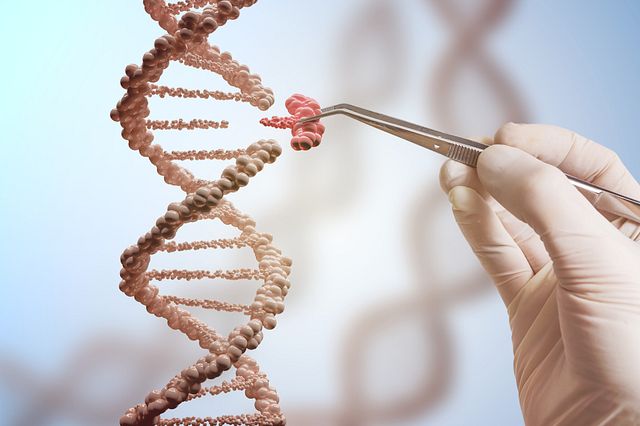
Imagine a world where a child born with a devastating inherited disease could receive a treatment that corrects the problem at its source rather than simply managing symptoms for life. For generations, many genetic disorders were considered permanent because they were written into a person’s DNA from the very beginning. Today, advances in gene editing have transformed that idea from science fiction into a rapidly evolving area of medical science.
Gene editing is one of the most exciting developments in modern medicine. It offers the possibility of repairing disease-causing genetic changes directly within a person’s cells. While this technology has already shown remarkable success in treating certain inherited conditions, it is not yet a universal cure. Some diseases are easier to treat than others, and researchers continue working to improve the safety, precision, and effectiveness of gene-editing therapies.
The question is no longer whether gene editing can change DNA—it clearly can. The more important question is whether it can safely and reliably cure genetic diseases. The answer is encouraging but also complex.
Understanding Genetic Diseases
Every human body is built according to instructions stored in DNA. This remarkable molecule contains thousands of genes, each carrying information needed to produce proteins that help cells grow, function, and repair themselves.
Genes are inherited from our parents. Most work exactly as they should, but sometimes a gene contains a change known as a genetic variant or mutation. Some of these changes are harmless, while others interfere with how proteins are made or function.
When an important gene does not work properly, it can lead to a genetic disease.
Some genetic disorders are caused by changes in a single gene. These are known as single-gene disorders. Examples include sickle cell disease, cystic fibrosis, Huntington’s disease, and Duchenne muscular dystrophy.
Other conditions involve many genes working together, often along with environmental influences. Diseases such as diabetes, heart disease, and many cancers are much more complex and are generally not caused by a single faulty gene.
This distinction is important because gene editing is currently most effective for diseases caused by changes in one specific gene.
What Is Gene Editing?
Gene editing is a technology that allows scientists to make targeted changes to DNA.
Instead of treating the symptoms of a disease, gene editing aims to correct the underlying genetic cause. Scientists can remove, replace, repair, or sometimes switch off a specific section of DNA within a cell.
This approach is different from traditional medicines, which usually affect proteins or biological processes after they have already been produced.
Gene editing works much closer to the source of the problem.
By correcting faulty genetic instructions, healthy proteins may once again be produced, allowing cells to function more normally.
How Gene Editing Works
DNA is often compared to a biological instruction manual. Gene editing acts like an extremely precise editor that can locate a specific sentence within billions of DNA letters.
Scientists first identify the exact genetic change responsible for a disease.
Special molecular tools are then designed to recognize that particular DNA sequence.
Once the target is found, the editing system can make carefully controlled changes. Depending on the technique being used, the damaged DNA may be cut, repaired, replaced, or chemically modified without changing the DNA sequence itself.
After successful editing, the corrected gene may begin producing functional proteins, helping affected cells regain normal activity.
CRISPR: A Revolution in Gene Editing
The most well-known gene-editing technology is CRISPR-Cas9.
CRISPR was originally discovered as part of a natural defense system used by bacteria to protect themselves from viruses.
Scientists realized that this system could be adapted into an incredibly powerful tool for editing DNA.
CRISPR uses a small piece of guide RNA that directs the Cas9 protein to a specific DNA sequence.
Once it reaches the target, Cas9 cuts the DNA.
The cell then attempts to repair the break. Scientists can take advantage of this repair process to disable faulty genes or introduce corrected genetic information.
Compared with earlier gene-editing methods, CRISPR is faster, more flexible, and generally easier to design for different genes.
Its discovery dramatically accelerated research around the world.
Beyond CRISPR
Although CRISPR receives the most attention, it is not the only gene-editing technology.
Researchers have also developed base editing, which allows certain DNA letters to be changed without cutting both strands of DNA.
Another newer method, called prime editing, offers even greater precision by enabling some genetic changes to be corrected with fewer unwanted alterations.
These newer techniques continue to expand the range of diseases that scientists may eventually be able to treat.
Each method has strengths and limitations, and researchers select the most suitable approach depending on the disease being studied.
Diseases That Gene Editing Can Potentially Treat
Gene editing is especially promising for inherited disorders caused by changes in a single gene.
One of the greatest successes has been in treating sickle cell disease, an inherited blood disorder caused by a change in the gene responsible for making part of hemoglobin, the protein that carries oxygen in red blood cells.
In people with sickle cell disease, red blood cells become stiff and crescent-shaped. These abnormal cells can block blood vessels, causing severe pain, organ damage, and other serious complications.
Gene-editing therapies have demonstrated that modifying certain blood-forming stem cells can greatly reduce or even eliminate painful episodes for many patients.
Researchers are also investigating treatments for beta-thalassemia, another inherited blood disorder that affects hemoglobin production.
Encouraging progress has been made in laboratory studies and clinical trials for conditions including cystic fibrosis, Duchenne muscular dystrophy, inherited forms of blindness, and some rare immune system disorders.
Although many therapies remain experimental, the pace of progress has been remarkable.
Can Gene Editing Cure Every Genetic Disease?
The simple answer is no—not yet.
Some diseases are much more difficult to treat than others.
For example, disorders affecting blood cells are relatively accessible because doctors can remove stem cells, edit them in the laboratory, and return them to the patient.
Diseases affecting the brain, heart, lungs, or muscles present greater challenges because delivering gene-editing tools safely into these organs is much more difficult.
Some disorders are caused by thousands of different genetic variants rather than one common mutation.
Others involve many genes interacting with environmental factors.
These complexities make treatment far more challenging.
Scientists continue developing better delivery systems and more versatile editing techniques to overcome these obstacles.
Delivering Gene Editing to Cells
One of the greatest challenges is transporting gene-editing machinery into the correct cells.
The editing tools must reach enough diseased cells without affecting healthy tissues unnecessarily.
Researchers often use modified viruses as delivery vehicles because viruses naturally enter cells.
These viruses are carefully engineered so they cannot cause disease while carrying therapeutic genetic material instead.
Scientists are also developing tiny particles made from lipids and other materials that can transport gene-editing molecules into cells.
Improving delivery remains one of the most active areas of gene-editing research.
Safety Is Essential
Because gene editing changes DNA, safety is extremely important.
Scientists work carefully to ensure that editing occurs only at the intended location.
Sometimes an editing tool may accidentally modify an unintended DNA sequence. These are called off-target effects.
Even small unintended changes could potentially create health risks.
Modern gene-editing systems have become increasingly accurate, and researchers continue improving their precision.
Extensive laboratory testing, animal studies, and carefully monitored clinical trials help evaluate both effectiveness and safety before therapies become widely available.
Regulatory agencies review evidence carefully before approving treatments for patient use.
Gene Editing and Cancer
Gene editing is also transforming cancer research.
Unlike inherited genetic diseases, most cancers arise from genetic changes that develop during a person’s lifetime.
Researchers are using gene editing to improve immune cells so they recognize and destroy cancer cells more effectively.
For example, certain immune cells can be collected from a patient, genetically modified in the laboratory, and returned to the body to strengthen the immune response against cancer.
Although this approach differs from correcting inherited mutations, it demonstrates the versatility of gene-editing technology.
The Difference Between Gene Therapy and Gene Editing
Gene therapy and gene editing are related but not identical.
Traditional gene therapy often adds a healthy copy of a gene without changing the original faulty gene.
Gene editing attempts to directly modify the existing DNA itself.
Both strategies aim to treat genetic disease, but gene editing offers the possibility of making more precise corrections.
Depending on the condition, one approach may be more appropriate than the other.
Somatic and Germline Gene Editing
Gene editing can occur in different types of cells.
Most current medical research focuses on somatic gene editing, which modifies cells within a single patient.
Changes made in somatic cells affect only that individual and are not passed to future children.
This approach forms the basis of today’s approved gene-editing therapies.
A different concept is germline gene editing, which involves editing sperm, eggs, or early embryos.
Because these genetic changes could be inherited by future generations, germline editing raises profound scientific, ethical, and social questions.
For this reason, germline editing intended for reproduction is prohibited or tightly restricted in many countries.
Ethical Questions
Gene editing offers tremendous medical promise, but it also raises important ethical issues.
Most scientists and physicians strongly support using gene editing to treat serious diseases when it is shown to be safe and effective.
However, many experts distinguish between treating disease and enhancing normal human traits.
Questions arise about fairness, access, consent, and the possibility of using gene editing for non-medical purposes.
Societies around the world continue discussing how these powerful technologies should be regulated.
Responsible oversight is considered essential to ensure that gene editing benefits patients while minimizing risks.
Clinical Trials
Before becoming standard medical treatments, gene-editing therapies undergo years of research.
Clinical trials evaluate whether a therapy is safe and whether it truly helps patients.
These studies occur in carefully designed stages, beginning with small groups of participants and expanding only after encouraging results.
Researchers monitor patients closely for both short-term and long-term effects.
Because gene editing may produce lasting genetic changes, long-term follow-up remains an important part of clinical research.
The Challenges Ahead
Although remarkable progress has been made, many challenges remain.
Scientists continue working to improve editing accuracy.
They seek safer delivery methods.
They aim to reduce costs so more patients can access treatment.
They hope to develop therapies for diseases affecting organs that are currently difficult to reach.
Researchers also continue studying how edited cells behave over many years.
Every advance brings medicine closer to treating a wider range of inherited diseases.
The Future of Gene Editing
The future of gene editing is filled with possibility.
New technologies are becoming increasingly precise.
Artificial intelligence is helping scientists identify disease-causing genetic variants and design improved editing strategies.
Advances in molecular biology continue expanding the number of diseases that may eventually become treatable.
Some experts envision a future in which personalized gene-editing therapies are designed specifically for an individual’s unique genetic mutation.
Although significant scientific and regulatory challenges remain, progress over the past decade has been extraordinary.
Why Gene Editing Matters
For families affected by inherited diseases, gene editing represents something that was once almost unimaginable: the possibility of addressing illness at its genetic root. Instead of managing symptoms throughout a lifetime, some patients may one day receive treatments that correct the underlying cause of their condition.
At the same time, it is important to recognize that gene editing is not a miracle cure for every disease. Many disorders remain difficult to treat, and researchers continue working to improve the technology’s safety, precision, and accessibility. Careful scientific testing and ethical oversight are essential as these therapies move from the laboratory into clinical practice.
Gene editing is changing the way medicine approaches genetic disease. It has already demonstrated that correcting faulty DNA is possible in certain conditions, marking a historic milestone in biomedical science. As research continues, this technology has the potential to transform the lives of many people living with inherited disorders while deepening our understanding of the human genome itself.