Have you ever wondered what outer space smells like? It is a fascinating question that sparks the imagination. We know what a forest smells like after rain, how salty the ocean air feels, and the comforting aroma of fresh bread. But what about the vast emptiness beyond Earth’s atmosphere? If an astronaut opened a spacecraft door and stepped into space, would they notice a scent?
The answer is both surprising and scientifically intriguing. Strictly speaking, space itself has no smell because smell requires air—or another gas—to carry odor molecules to our noses. Outer space is almost a perfect vacuum, meaning there are far too few particles for our sense of smell to work. Yet astronauts have repeatedly reported noticing unusual odors after returning from spacewalks. These observations have led scientists to investigate what might create the mysterious “smell of space.”
The story combines chemistry, astronomy, and human exploration, revealing that even something as familiar as smell can help us better understand the universe.
What Does It Mean to Smell Something?
Before asking whether space has a smell, it helps to understand how smelling works.
Our sense of smell depends on tiny molecules floating through the air. When these molecules enter our noses, they interact with specialized sensory receptors located high inside the nasal cavity. These receptors send electrical signals to the brain, which interprets them as different smells.
Whether it is the fragrance of flowers, the scent of coffee, or the aroma of smoke, every smell begins with molecules traveling through a gas.
Without enough gas molecules to carry odors, smelling becomes impossible.
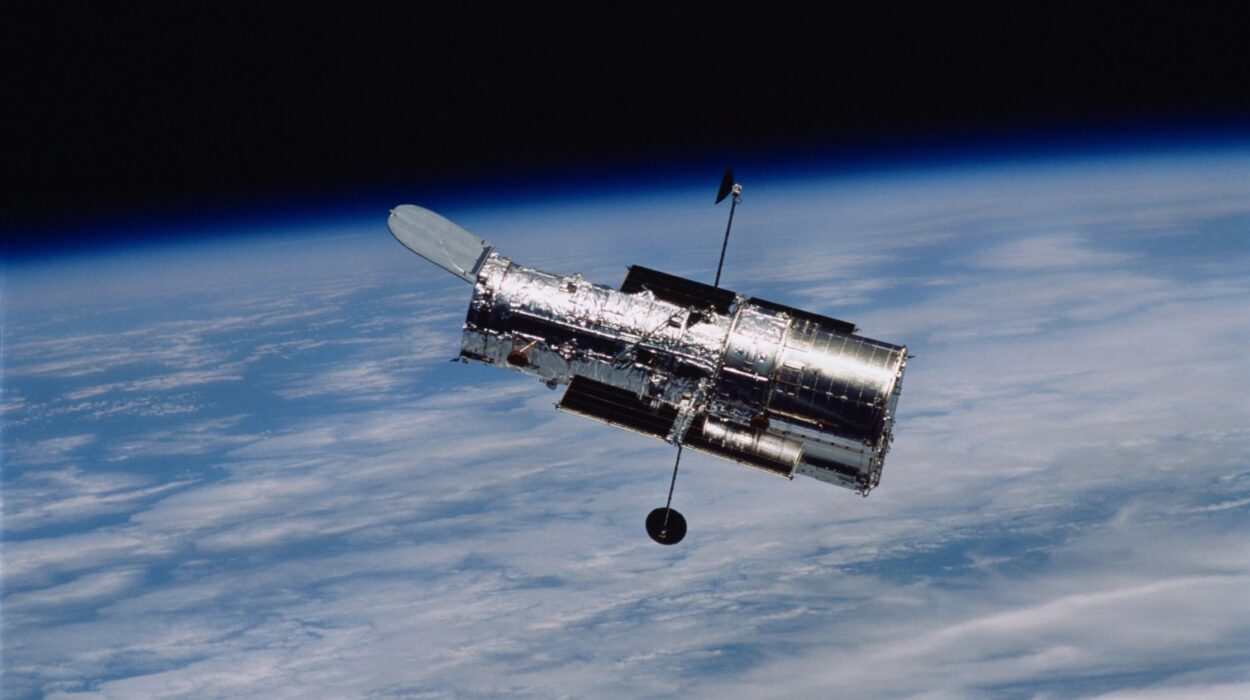
This is why astronauts cannot smell anything while they are actually floating outside their spacecraft. Their helmets contain carefully controlled breathable air, while the vacuum of space contains almost no particles capable of reaching their noses.
Why Outer Space Is Essentially Odorless
Outer space is incredibly empty.
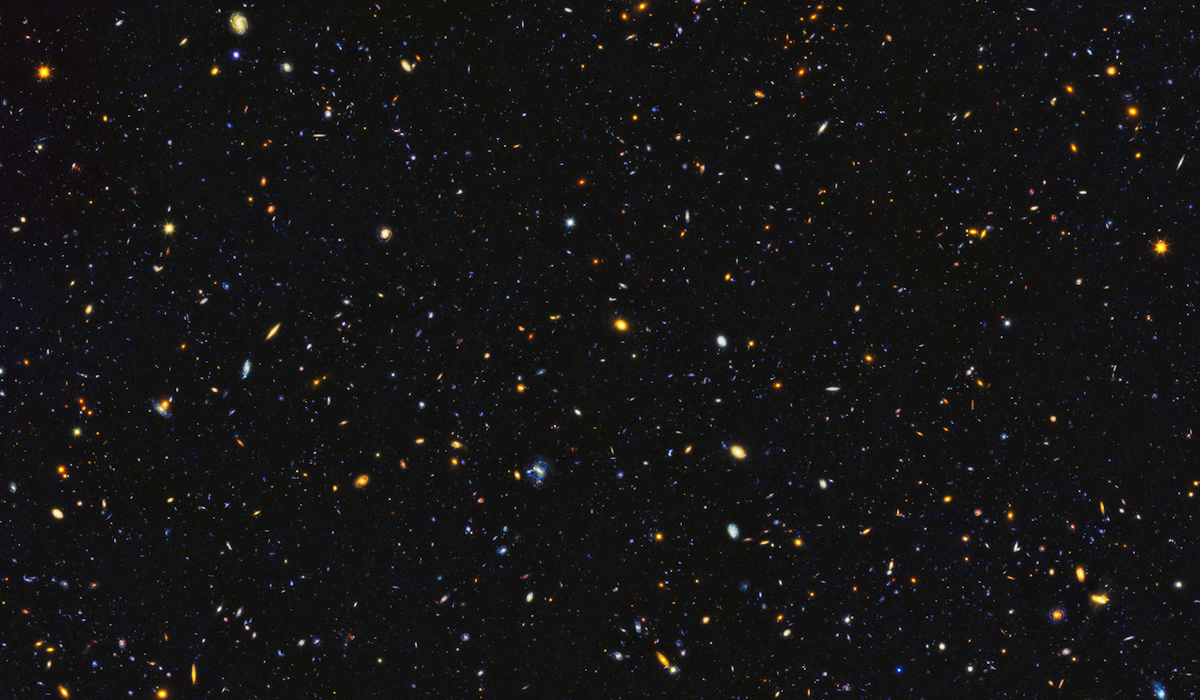
Although we often imagine space filled with stars, planets, and colorful nebulae, these objects are separated by enormous distances. The average density of matter in interstellar space is astonishingly low—sometimes just a few atoms per cubic centimeter, and in many regions even less.
Because there is almost no atmosphere, odor molecules cannot travel from one place to another in the way they do on Earth.
If you were somehow floating safely in open space without protective equipment—which is physically impossible for survival—you would not smell anything. Not because space has no chemicals, but because the conditions required for smelling simply do not exist.
In scientific terms, a vacuum prevents odors from being transported to the nose.
Why Astronauts Say Space Has a Smell
The mystery begins after astronauts complete a spacewalk.
When they return inside the International Space Station or a spacecraft and remove their helmets, many have reported noticing unusual smells on their spacesuits, gloves, helmets, and equipment.
Interestingly, these descriptions have been remarkably consistent over several decades.
Some astronauts compare the odor to hot metal fresh from a welding shop.
Others describe it as burnt steak, gunpowder, ozone after an electrical storm, or the smell produced when metal is cut using high-energy tools.
These are not random impressions. Multiple astronauts from different countries have independently described similar experiences, making scientists confident that the phenomenon is real.
The smell is not detected while astronauts are outside in the vacuum of space. Instead, it becomes noticeable only after they re-enter the spacecraft, where breathable air allows odor molecules to reach their noses.
Where Does the Smell Come From?
Scientists believe several processes may contribute to the characteristic smell associated with space.
One important possibility involves highly reactive oxygen atoms.
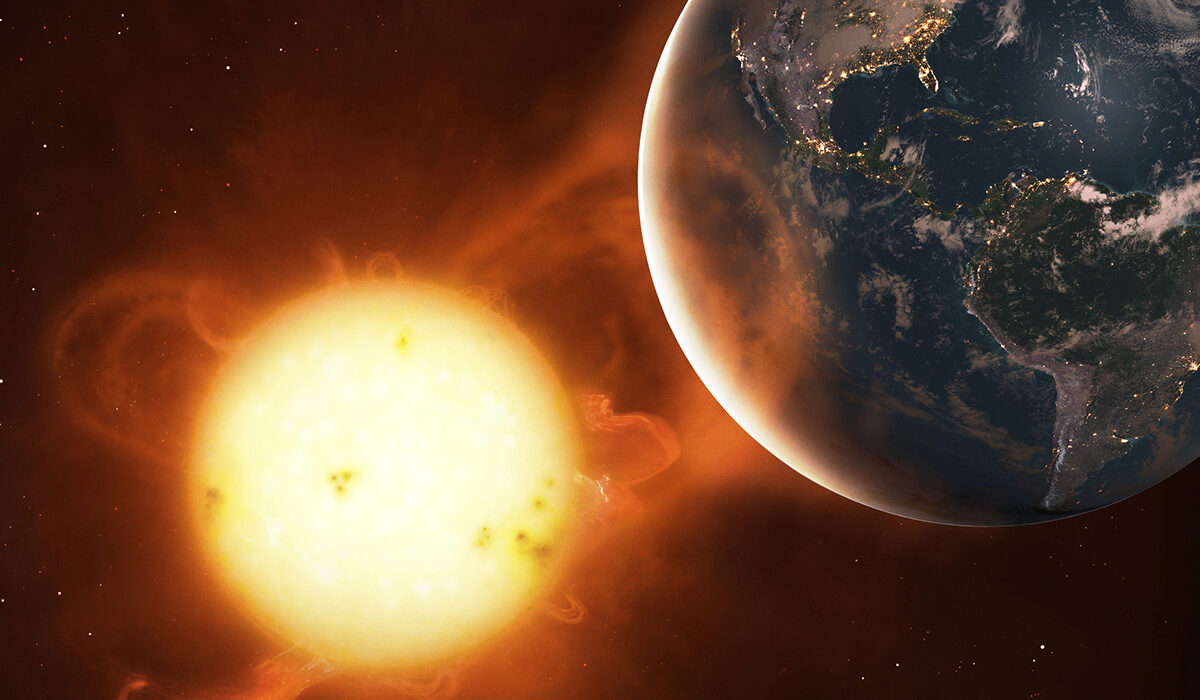
In low Earth orbit, where the International Space Station travels, sunlight breaks apart ordinary oxygen molecules in the upper atmosphere. This produces single oxygen atoms known as atomic oxygen.
Atomic oxygen is extremely reactive. When it comes into contact with spacecraft surfaces, spacesuits, or equipment, it can trigger chemical reactions that alter surface materials.
When astronauts return inside and these materials warm up, some reaction products may be released into the cabin air, creating distinctive odors.
Another possible source is tiny particles created during interactions between spacecraft materials and the harsh space environment.
Although researchers continue studying the exact chemistry, the evidence suggests the smell originates from materials exposed to space rather than from space itself.
The Role of Ozone
Some astronauts describe the smell as similar to ozone.
Ozone is a molecule made of three oxygen atoms. It forms naturally in Earth’s upper atmosphere, where it protects life by absorbing harmful ultraviolet radiation from the Sun.
People sometimes notice ozone after lightning storms or around certain electrical equipment because energetic electrical discharges can produce small amounts of it.
Although ozone may contribute to some reported odors, scientists do not believe it explains the entire phenomenon.
Instead, the smell probably results from a mixture of different chemical compounds generated by exposure to the space environment.
Burnt Metal and Welding Smells
One of the most common astronaut descriptions is the smell of hot metal or welding fumes.
Why would space create such an odor?
On Earth, welding produces tiny metal particles and oxidized compounds that generate a distinctive smell.
In orbit, energetic ultraviolet radiation, atomic oxygen, and charged particles continuously interact with spacecraft surfaces.
These interactions may create chemical products that resemble those produced during industrial metalworking.
Although the underlying chemistry differs, the resulting odor may remind astronauts of familiar earthly experiences involving heated metals.
Does Deep Space Smell Different?
The smells astronauts report mostly come from missions in low Earth orbit.
But what about deep space?
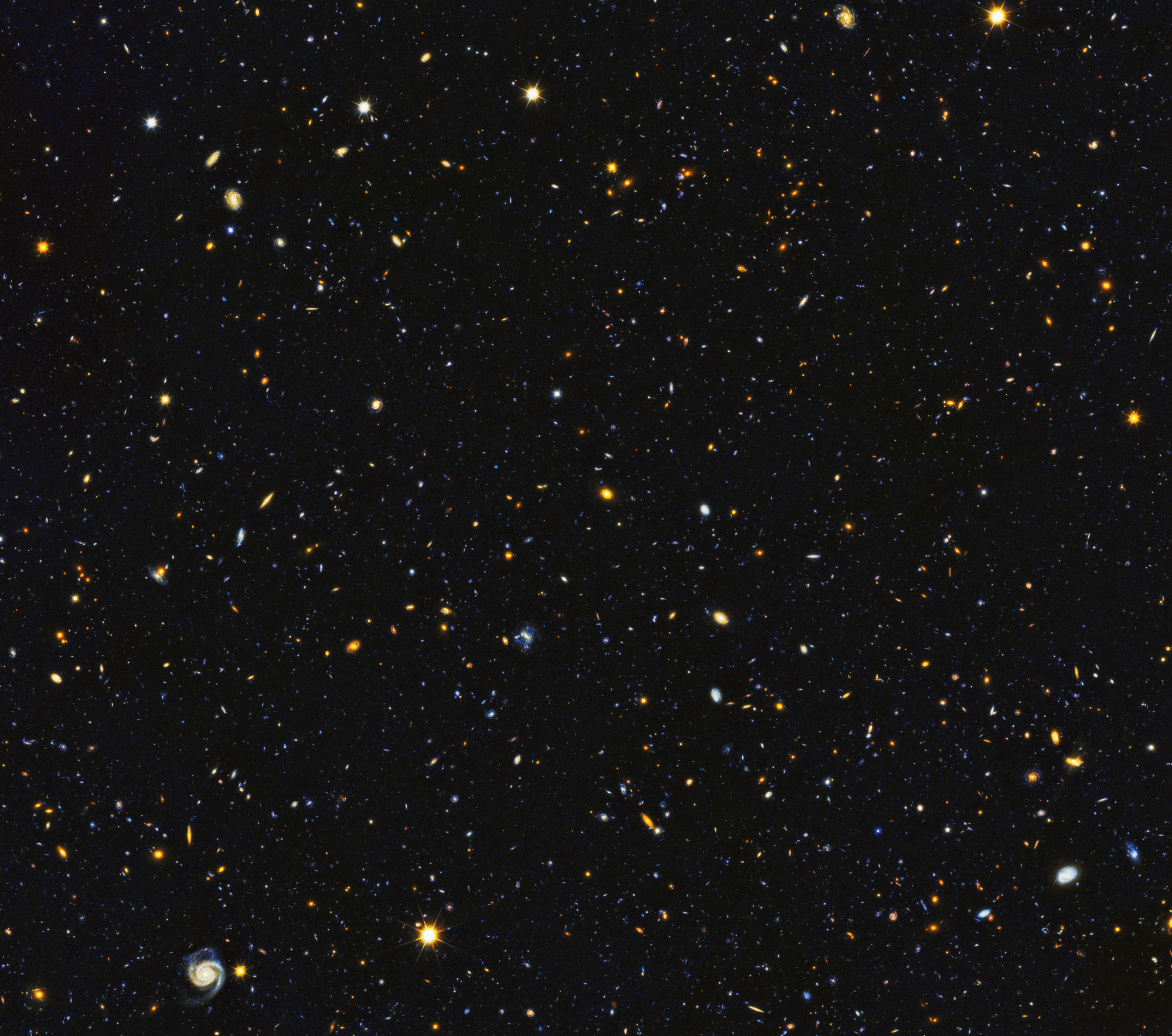
The regions between stars contain enormous clouds of gas and dust called molecular clouds. These clouds contain many different molecules, including alcohols, aldehydes, ammonia, methane, formaldehyde, and complex organic compounds.
Radio telescopes detect these molecules by measuring the specific wavelengths of light they emit or absorb.
If humans could somehow safely collect these gases and smell them under normal atmospheric conditions, many would likely have distinctive odors.
However, because space is essentially a vacuum, no one can directly smell these molecules where they naturally exist.
The Chemistry of the Universe
One reason this topic fascinates scientists is that space contains an astonishing variety of chemicals.
Astronomers have identified more than 300 different molecules in interstellar space, ranging from simple hydrogen molecules to surprisingly complex organic compounds.
Some molecules resemble ingredients involved in the chemistry of life.
Carbon-containing compounds are especially common because carbon atoms easily form stable chemical structures.
These discoveries suggest that the building blocks of life are widespread throughout the cosmos.
Although these molecules exist in space, they are spread so thinly across enormous distances that they cannot produce smells in the usual sense.
Can Scientists Detect Smells Without Smelling?
Interestingly, scientists can identify chemicals without using their noses.
Instead, they rely on spectroscopy.
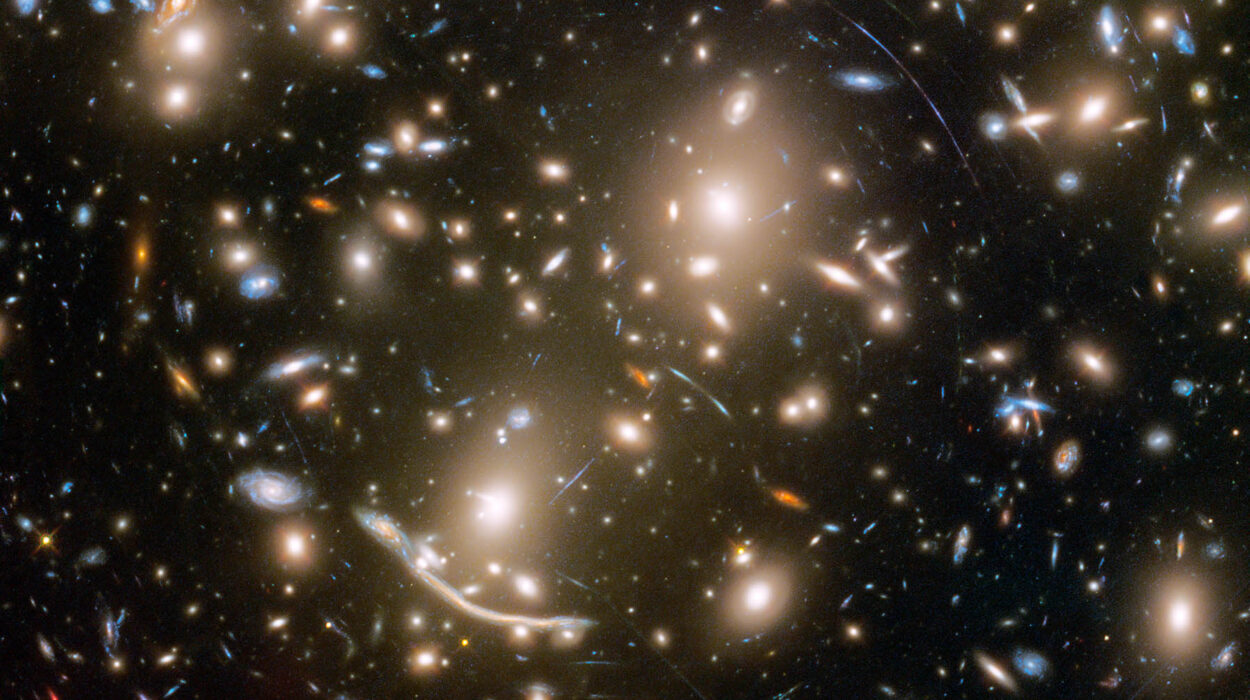
Every atom and molecule interacts with light in unique ways. By analyzing light from stars, planets, nebulae, and galaxies, astronomers can determine which chemicals are present, even across billions of light-years.
This technique has revealed water vapor, carbon dioxide, methane, ammonia, and countless other substances throughout the universe.
In a sense, spectroscopy allows scientists to “read” the chemical composition of space, even though no human can directly smell it.
Could Other Planets Have Smells?
Unlike the vacuum of space, some planets and moons possess atmospheres.
If humans could safely stand on these worlds with suitable breathing equipment that allowed odor molecules to reach their noses, they might experience unique smells.
For example, sulfur-containing compounds could produce odors resembling rotten eggs in certain environments.
Methane-rich atmospheres might have entirely different chemical characteristics.
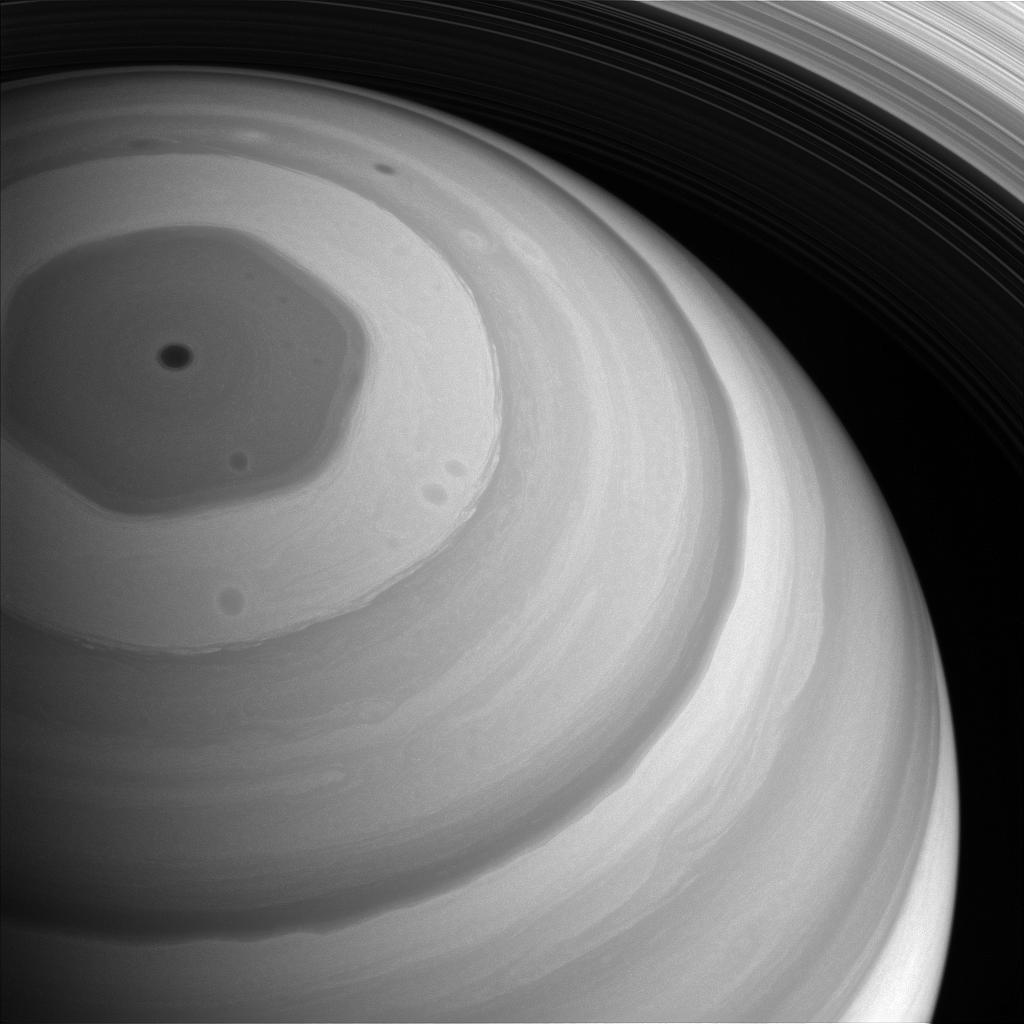
Titan, Saturn’s largest moon, possesses a thick atmosphere rich in nitrogen and methane, while Venus has clouds containing sulfuric acid.
These environments are far too dangerous for direct human exposure, but their chemical compositions suggest they would have distinctive scents if experienced under safe laboratory conditions.
Can We Recreate the Smell of Space?
Surprisingly, yes.
Scientists and educators have worked with fragrance experts to create laboratory versions of the smell astronauts describe.
These recreated scents are used in museums, educational exhibits, and training programs to help visitors imagine what astronauts experience after returning from spacewalks.
The recreated aroma often combines notes resembling hot metal, ozone, smoky compounds, and faint burnt odors.
Although no artificial fragrance can perfectly duplicate the complex chemistry of actual space-exposed materials, these recreations offer a fascinating educational experience.
Space Is Full of Invisible Chemistry
The idea that space is “empty” is only partly true.
Even in regions that appear completely dark, countless physical and chemical processes are taking place.
Cosmic rays race through the galaxy at nearly the speed of light.
Ultraviolet radiation breaks apart molecules.
Dust grains collide.
Stars create heavier elements through nuclear fusion.
Supernova explosions scatter these elements into space, where they become ingredients for future stars, planets, and perhaps even life.
The mysterious smell reported by astronauts is just one small reminder that the universe is chemically active, even where it appears silent and empty.
Why This Question Matters
Asking whether space has a smell may seem playful, but it reflects an important aspect of science.
Curiosity often begins with simple questions.
Scientists investigating astronauts’ reports have learned more about atomic oxygen, spacecraft materials, chemical reactions in orbit, and how the harsh environment of space affects equipment designed for human exploration.
Understanding these processes helps engineers build safer spacecraft, more durable spacesuits, and better technologies for future missions to the Moon, Mars, and beyond.
Even a question about smell can lead to valuable scientific discoveries.
The Human Side of Space Exploration
Astronauts frequently describe space as breathtakingly beautiful.
They see Earth glowing against the darkness, brilliant stars that do not twinkle, and sunrises occurring every ninety minutes as spacecraft orbit our planet.
Adding smell to these experiences reminds us that exploration is deeply human.
Our senses help us connect with unfamiliar places, even when those places are unlike anything on Earth.
Although astronauts cannot smell the vacuum itself, the lingering scent on their equipment becomes another memorable part of the experience of traveling beyond our world.
Conclusion
So, does space have a smell?
In the strict scientific sense, the answer is no. The vacuum of outer space does not allow odors to travel, making it impossible for humans to smell space directly. Our noses require air carrying odor molecules, and space simply does not provide those conditions.
However, astronauts have consistently reported distinctive smells after returning from spacewalks. These odors likely arise from chemical reactions involving atomic oxygen, intense solar radiation, spacecraft materials, and other effects of the harsh space environment. The resulting scent has been compared to hot metal, welding fumes, burnt steak, gunpowder, and ozone.
This fascinating mystery reminds us that the universe continues to surprise us in unexpected ways. Even something as ordinary as the sense of smell can open a window into extraordinary science, showing that space is far from lifeless or inactive. Beneath its silent darkness lies a dynamic world of chemistry, physics, and discovery, waiting to be explored.